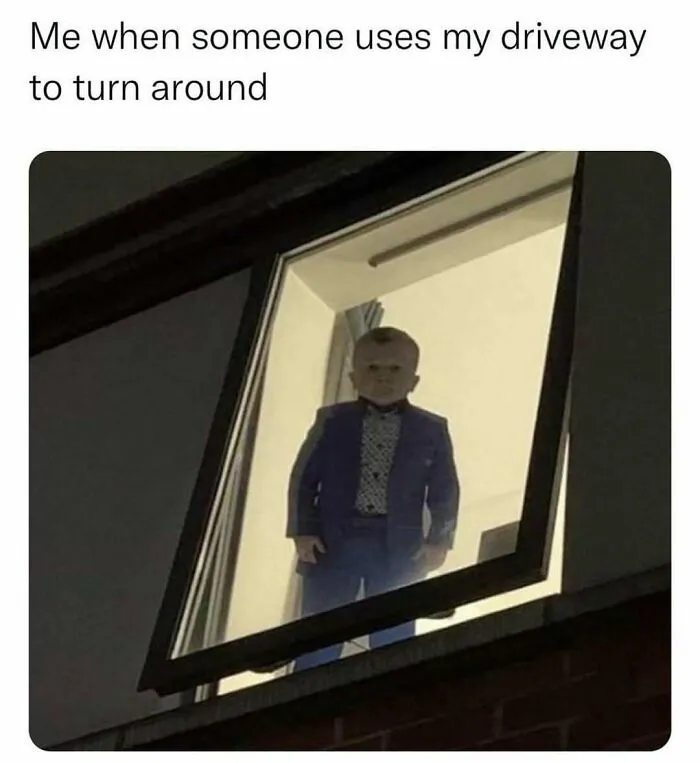





Humor often comes from the way our brains respond to unexpected situations, contradictions, and broken expectations. According to The Conversation, something can become funny when it surprises us without making us feel genuinely threatened.
This is closely related to incongruity theory, which explains how jokes challenge the patterns and assumptions we develop about everyday life. A meme might present an ordinary situation in an absurd way or pair an image with an unexpected caption, forcing the viewer to reconsider what they initially thought. The sudden shift in meaning can make the joke satisfying, especially when the punchline catches us off guard.



Another explanation is that humor can help people release tension and approach uncomfortable situations from a different perspective. Awkward interactions, embarrassing mistakes, and everyday frustrations can feel less overwhelming when they are presented humorously. Laughter may create some emotional distance, allowing people to acknowledge an unpleasant experience without dwelling entirely on its negative aspects.
Humor also plays a role in social interactions, as laughing together can help people feel more comfortable around one another. Sometimes, people even laugh to maintain a connection rather than because something is particularly funny. This makes humor a useful social tool, helping people navigate uncomfortable moments and find common ground through shared amusement.
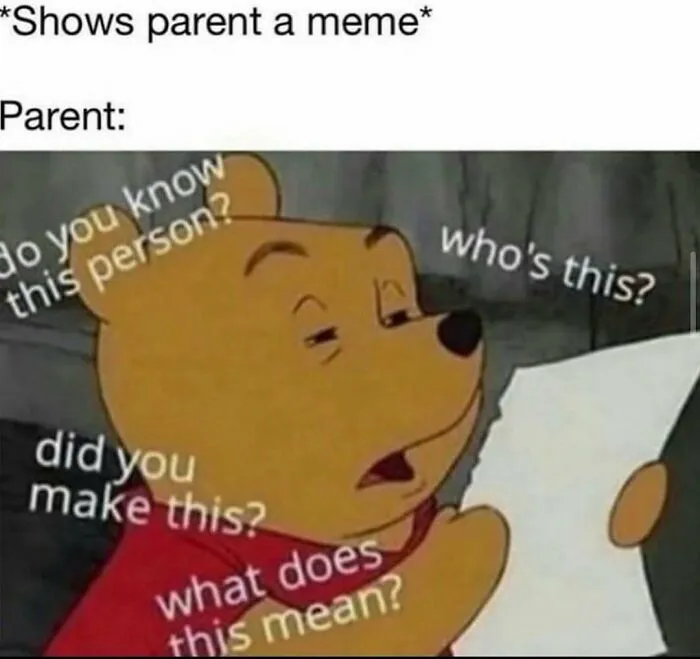


Relatability is another major reason funny content appeals to so many people. Adobe explains that memes can turn small, private experiences into something people recognize in themselves and others. A joke about overthinking a message, avoiding a phone call, or feeling exhausted after a brief social interaction can make someone realize that their habits are not as unusual as they might have assumed.
The most effective memes often focus on specific situations rather than broad emotions, making the humor feel personal. Recognizing an oddly familiar behavior in a meme can be satisfying because it puts an everyday experience into words or images that people might struggle to express themselves.



This recognition can also make it easier to acknowledge feelings that are not always comfortable to discuss openly. Social anxiety, loneliness, insecurity, and burnout, for example, can be difficult subjects to bring up in ordinary conversation. A humorous image can offer a lighter way to communicate these experiences without requiring a lengthy explanation or a serious discussion.
When people see others responding to the same joke, they may feel less isolated in their experiences. A single image and a short caption can communicate a surprisingly complicated emotion, giving people a simple way to express themselves and connect with others who understand the feeling behind the punchline.



The appeal of memes also helps explain why humorous content spreads so quickly online. Research into internet humor suggests that funny posts combine emotional rewards with the convenience of being understood and shared in seconds. Unlike a long explanation, a meme can deliver its message through a familiar image, a short caption, or a recognizable format.
This makes it particularly suited to social media feeds, where people move quickly between posts. When something makes a person laugh, they may immediately think of someone else who would appreciate it, turning a private moment of amusement into a small social exchange.

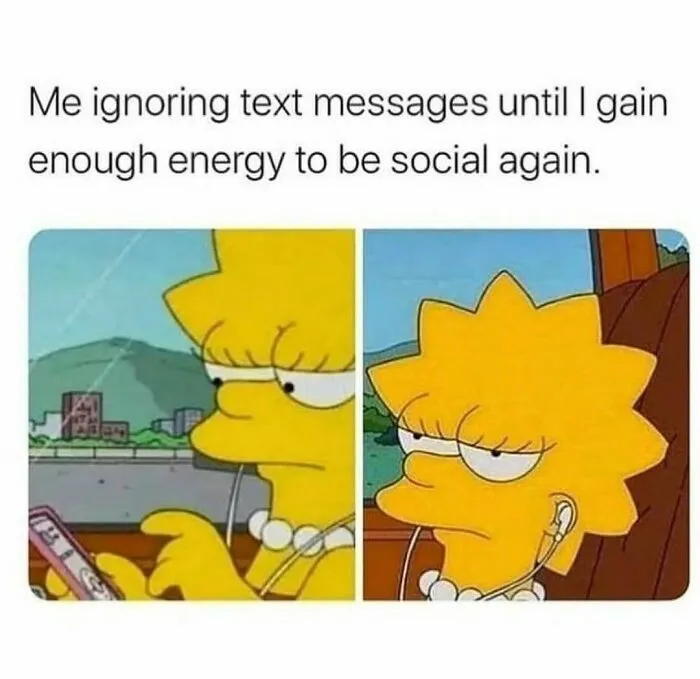

Sharing a funny post is not only about passing along a joke; it can also communicate affection, familiarity, and shared interests. Sending a meme to a friend might show that the sender understands their sense of humor or recognizes an experience they have both encountered.
Online humor is also easy to adapt, allowing people to reuse images, change captions, and apply familiar formats to new situations. As different users reinterpret a joke, it can reach audiences far beyond its original community. This flexibility helps explain why certain meme formats remain popular even as the specific situations and references they describe continue to change.