You probably think you know what "popular culture" means. Yet, depending on who you ask, the definitions might differ. For anthropologist Shirley Fedorak, for example, popular culture is "a way of life." It's how movies, song lyrics, comics, and other pieces of entertainment permeate our lives so much that they affect our daily lives and how we interact with people.
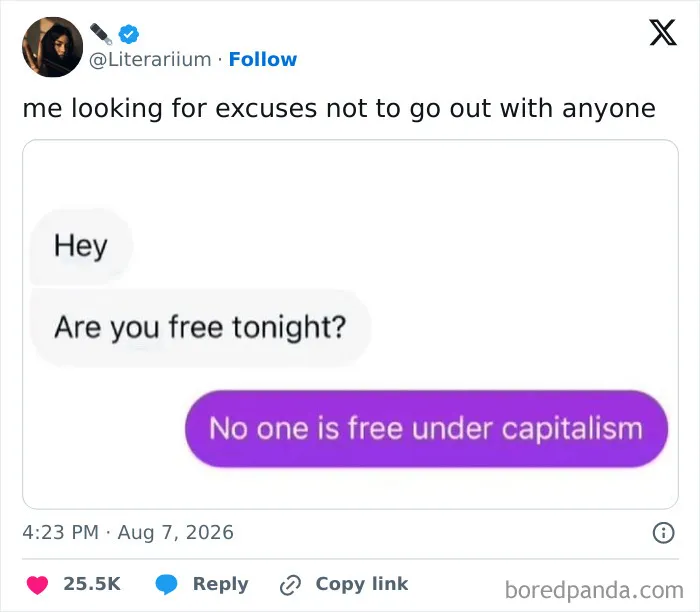
Sociologist Dr. David Grazian looks at pop culture through a capitalist lens. In his book "Mix It Up," he describes it as "the aesthetic products created and sold by profit-seeking firms operating in the global entertainment market." According to Dr. Grazian, pop culture is essentially things we don’t need: movies, music, and even things like makeup.
There’s probably no use arguing that pop culture and capitalism are intrinsically linked. However, to argue that we don’t need it wouldn’t be accurate. Of course, we don’t need it like we need air, water, and food, but, in any pyramid of human needs, there has to be space for fun.
For many of us, popular culture may play a bigger role in our lives than we think. Research shows that we associateimportant memories with pop culture events. In one study, 77% of respondents said pop culture events are a source of lifelong memories, and 72% actively seek out events related to their favorite shows, movies, artists, and stories.
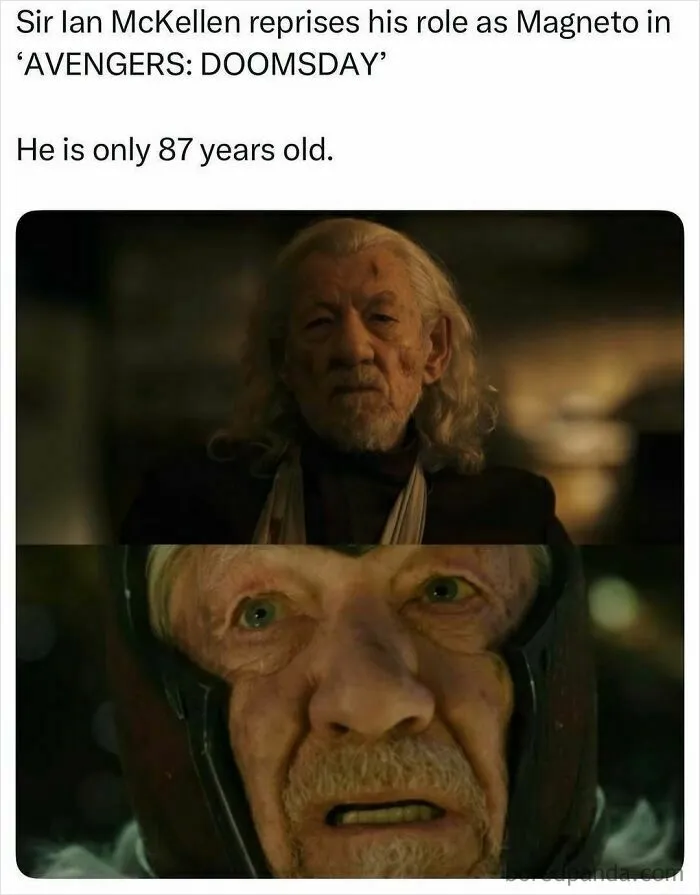
Through pop culture, we can find a community that we belong to. Fandoms have a unique way of bringing people together, even if they're thousands of miles apart and live completely different lives. But interest in the same band, characters, and stories can help us feel part of a community. According to that same study, 56% of Gen Z look to shared fandom to find like-minded peers.
It's also possible to become a bit too invested in popular culture. Fans might get a bit too immersed in their favorite things and develop parasocial relationships with entertainers, celebrities, and even characters. A 2024 study found that over 70% of Gen Z feel a strong connection to someone they have never met in real life, most often an online creator or a celebrity.
Parasociality is not a phenomenon for the social media age only. In the past, people would feel similar relationships to television personalities, too: Johnny Carson, for example, was beloved for his personable demeanor by many of the now-older generation, and thought of as almost a family member in many American families — many could not imagine finishing their evening without tuning into the Tonight Show.
Social media has taken parasociality to new levels, however. We've never felt as close to celebrities and influencers as we do today. We get glimpses of their daily lives (or an illusion of them and finely curated ones), can comment under their posts and sometimes even get replies, and feel like we know them as almost friends.