

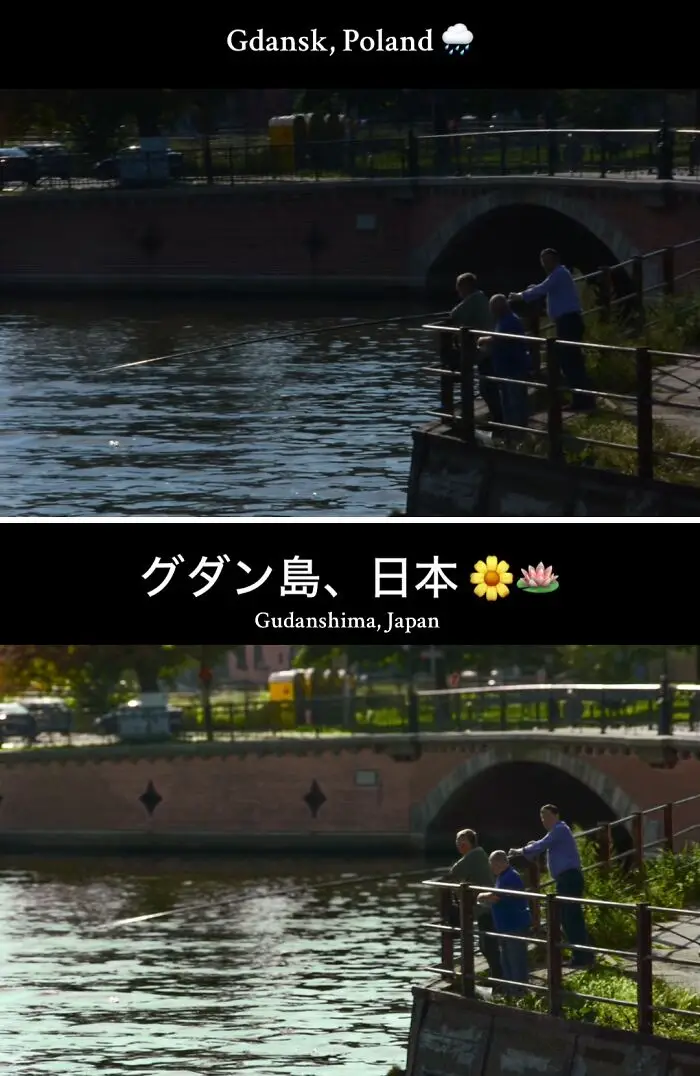
Quartz points to another important factor: wealth. After World War II, Japan’s economy grew at an incredibly fast pace, giving the country the means to experiment and create. Companies poured resources into entertainment, fashion and technology.
Even during recessions, people kept producing new ideas. Power Rangers, Sega’s rise in gaming, and the explosion of Harajuku fashion all helped strengthen Japan’s image as a place full of creativity and fresh thinking.
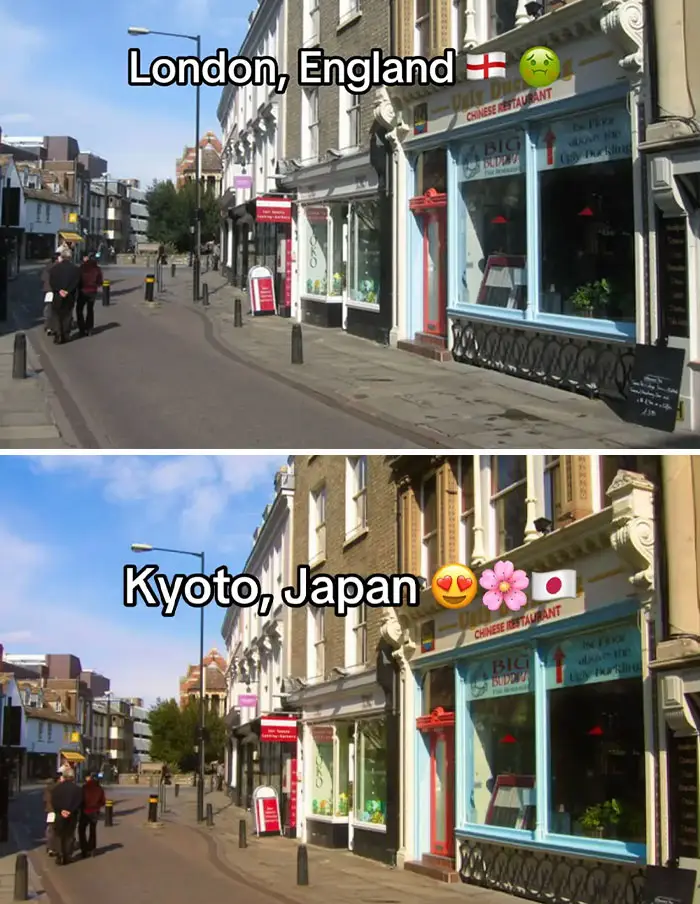

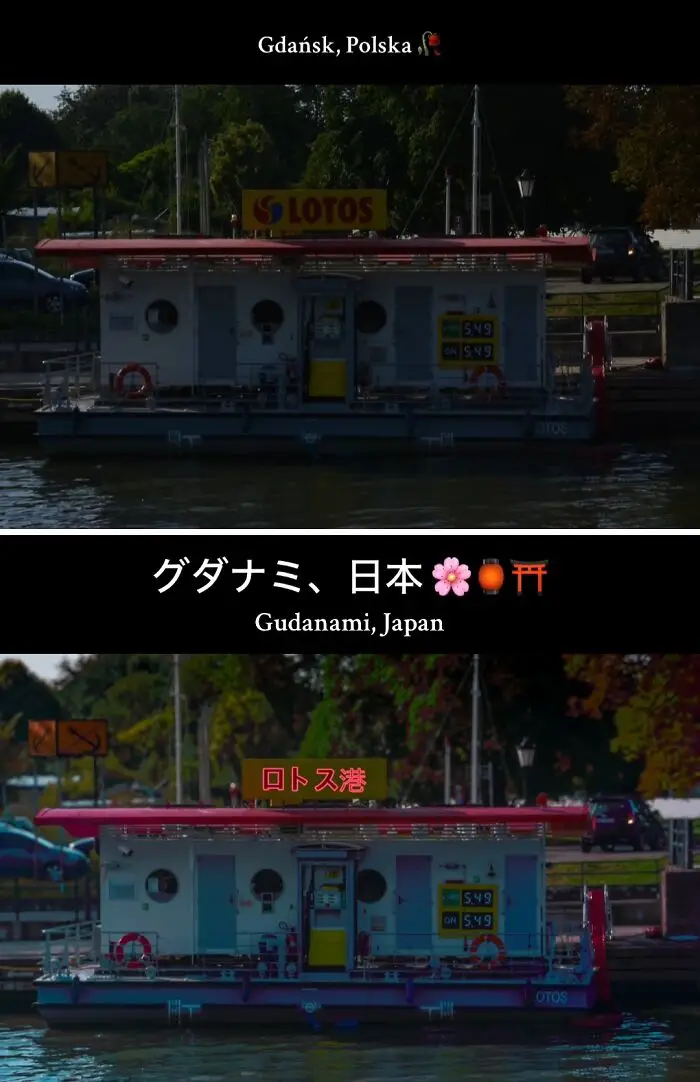
Over time, Japanese culture became something people actively looked for. It felt different from what they already knew, yet familiar enough to enjoy.
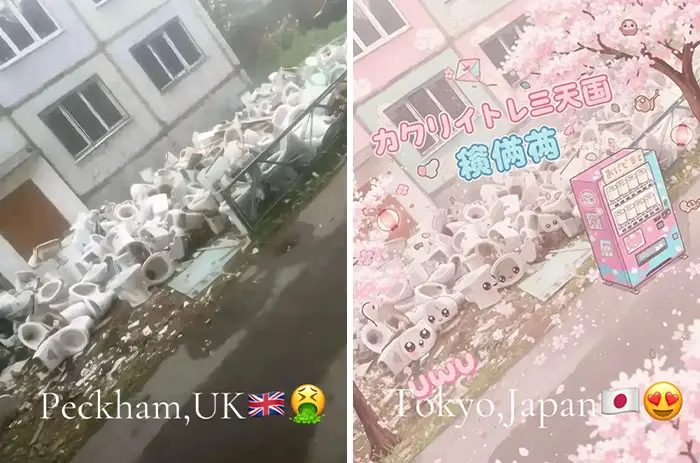
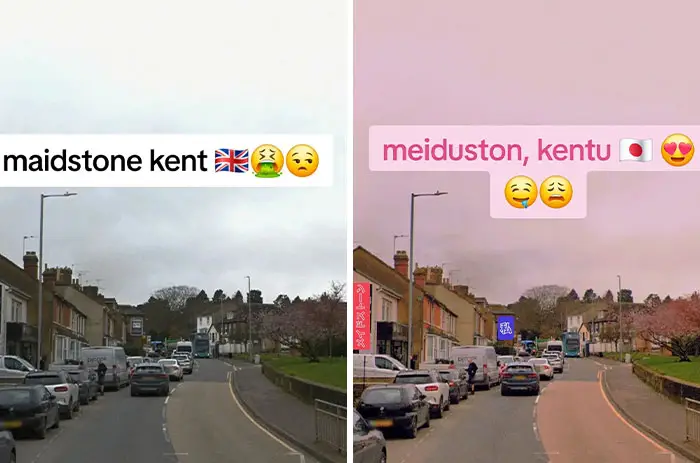
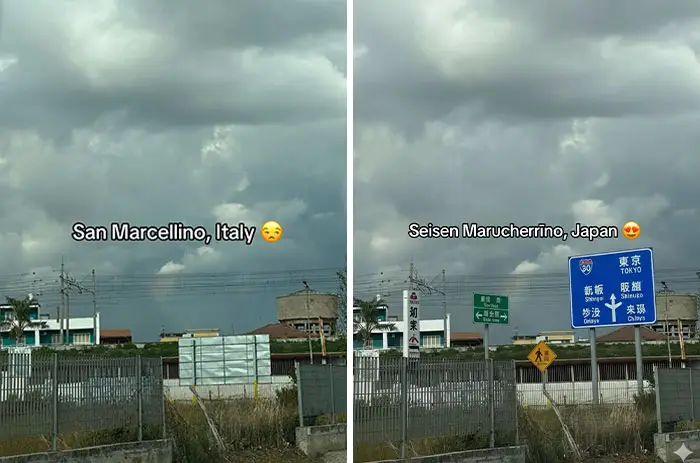
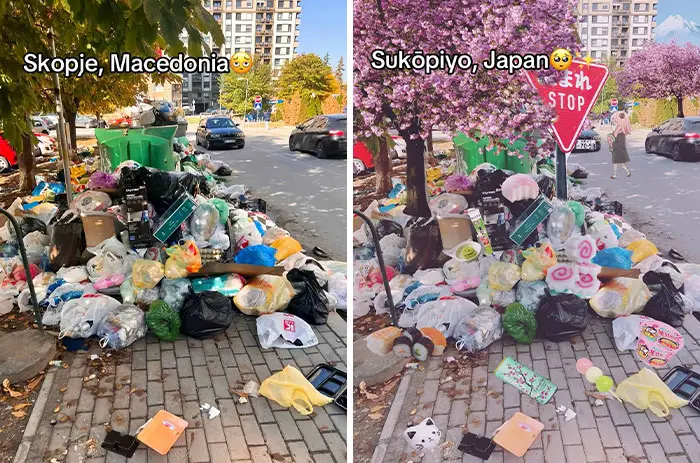
This is what makes the Japan Effect trend work. The label alone can create a sense of warmth and comfort. The reputation is so strong that it becomes a filter through which people see the world.
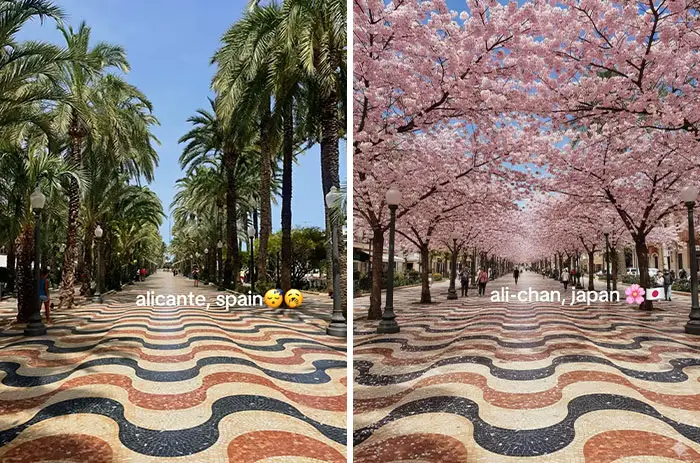
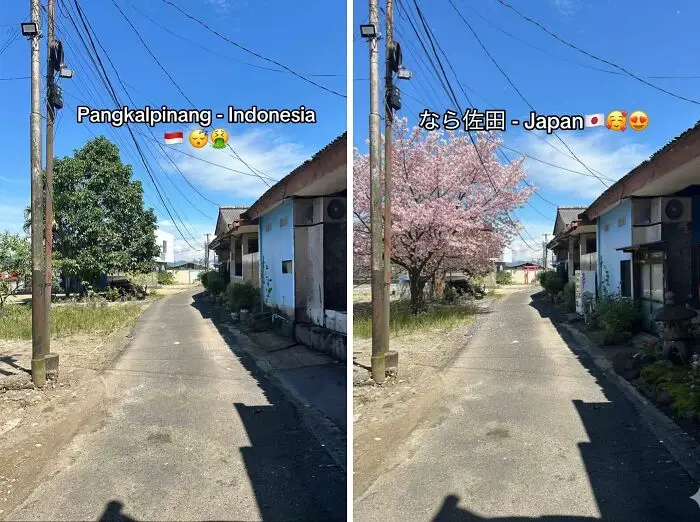
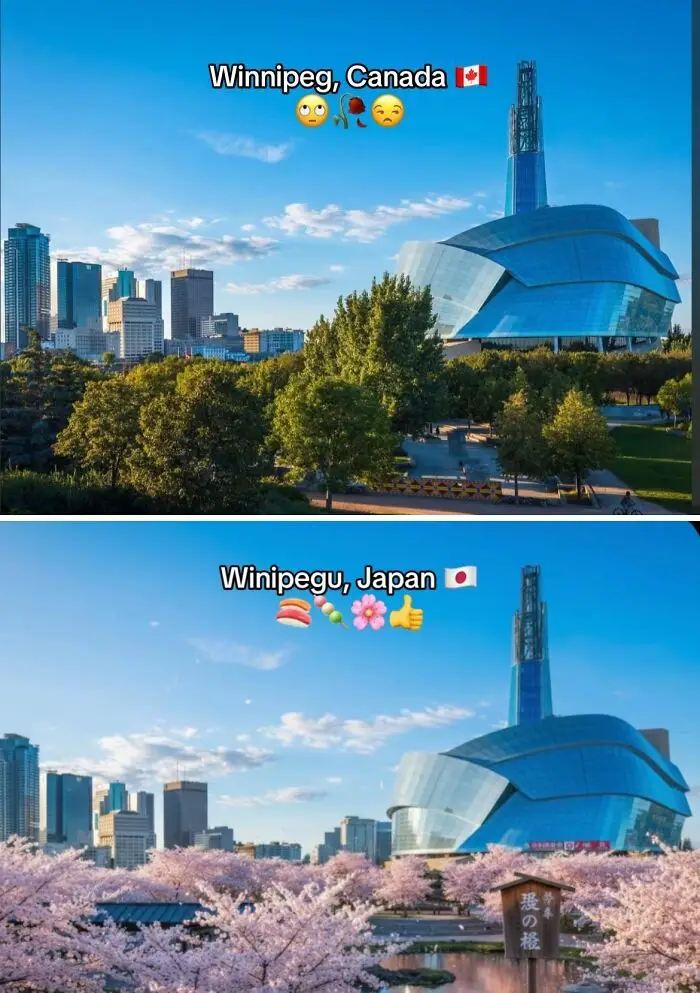
Still, the charm of Japan should not erase the value of other cities. Krakow has centuries of history. Thessaloniki offers unforgettable streets. Gdańsk has architecture that feels like a storybook.
Cities everywhere carry their own pride and identity. Japan’s influence is real and well-earned, but it should inspire appreciation, not comparison. The world is full of beauty, and each city deserves to shine on its own terms.