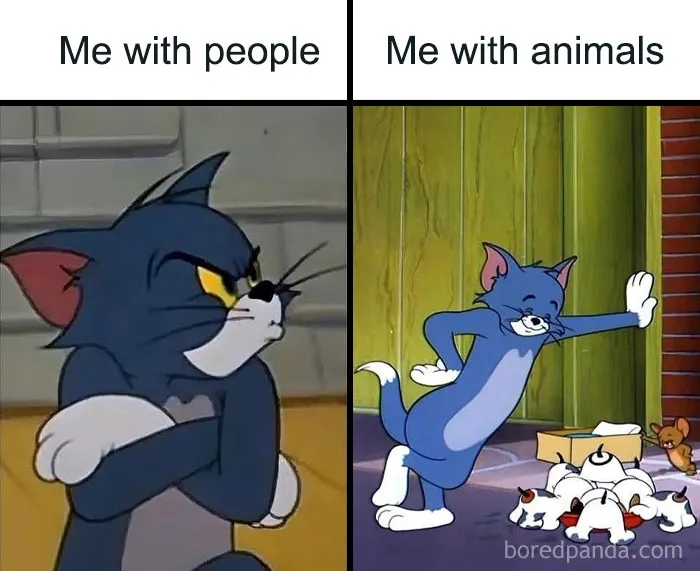




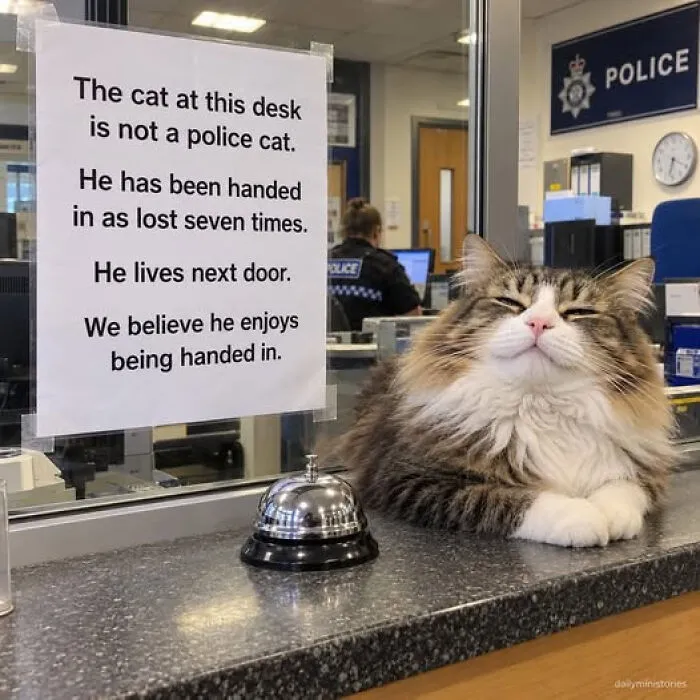

Feel-good content can offer a welcome break when life becomes stressful, giving people a chance to step away from worrying thoughts and focus on something pleasant. NPR explains that funny videos, cute animals, inspiring stories, and other uplifting material can redirect attention away from perceived threats and toward feelings of comfort and connection.
Laughter and positive emotions are also associated with well-being, while laughing can relax muscles and ease physical tension. This helps explain why a wholesome meme can sometimes make a difficult day feel a little lighter, even if only temporarily.
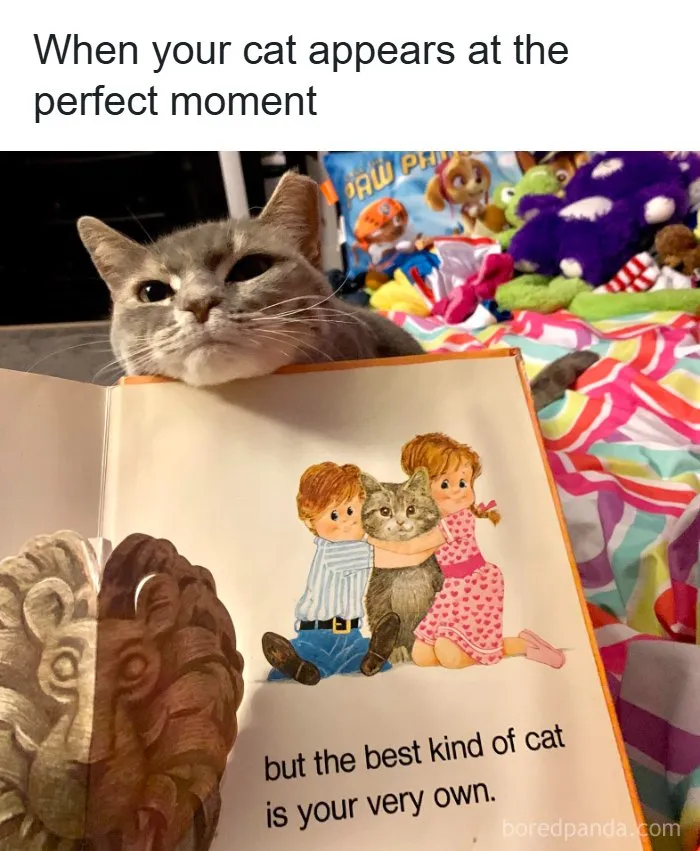


Beyond providing a quick laugh, uplifting content can also help people regain perspective. Stories about people overcoming challenges may inspire hope by showing that difficult circumstances can change and that setbacks do not always have the final say. NPR also discusses research in Psychology of Popular Media, a publication of the American Psychological Association.
This research on short inspirational videos found that viewers felt more hopeful afterward, and that greater hope was associated with lower stress over the next 10 days. Although feel-good content cannot solve the problems causing someone's stress, it can provide a brief emotional reset that makes it easier to approach everyday challenges with renewed energy.
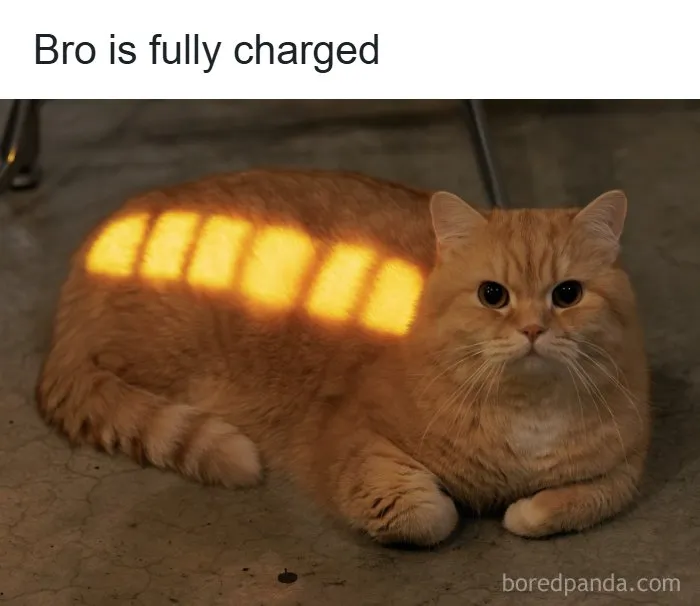
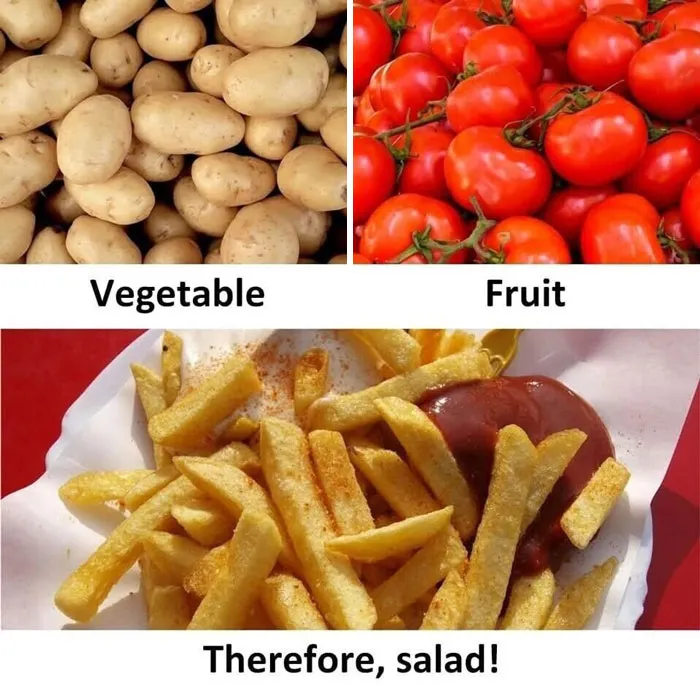
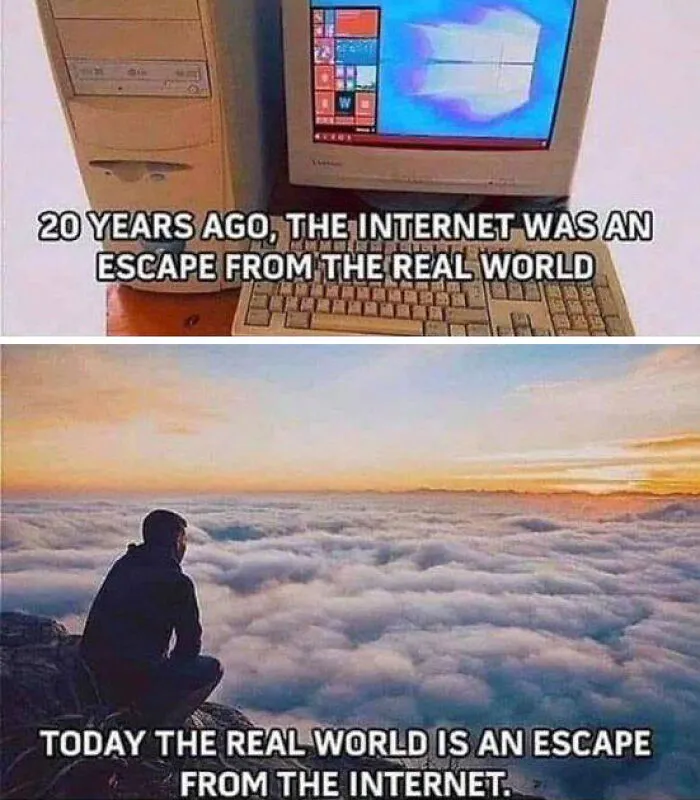
The kind of humor people encounter also matters. Scientific American explores the psychology of benign violations, which helps explain why something can be funny when it appears unexpected or slightly out of place but still feels harmless.
Wholesome memes often rely on this balance, whether they feature an animal attempting something ridiculous, an amusing coincidence, or a familiar human mistake. The surprise creates amusement, while the harmless nature of the situation allows people to enjoy the joke without feeling that anyone is being humiliated or treated unfairly.
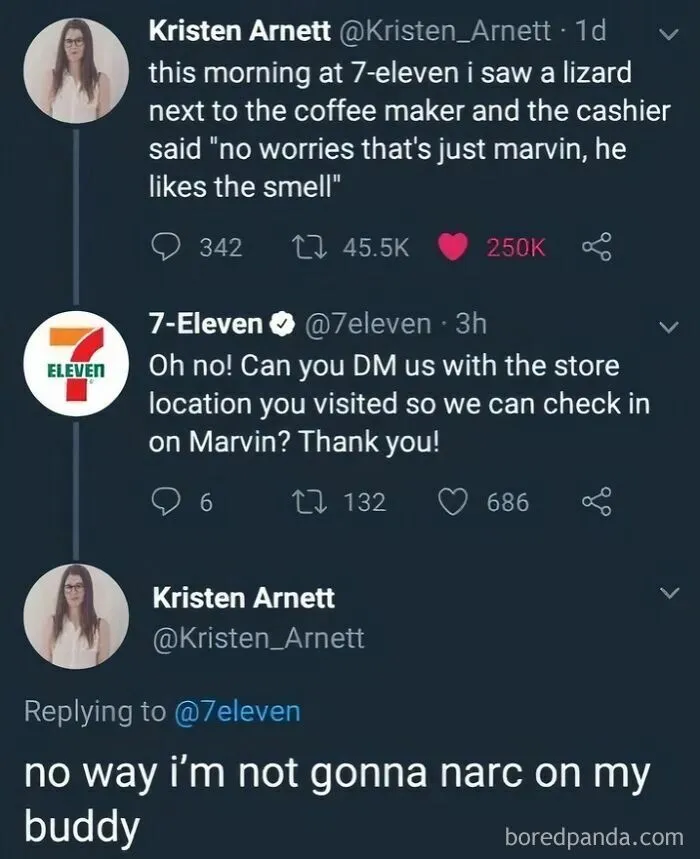
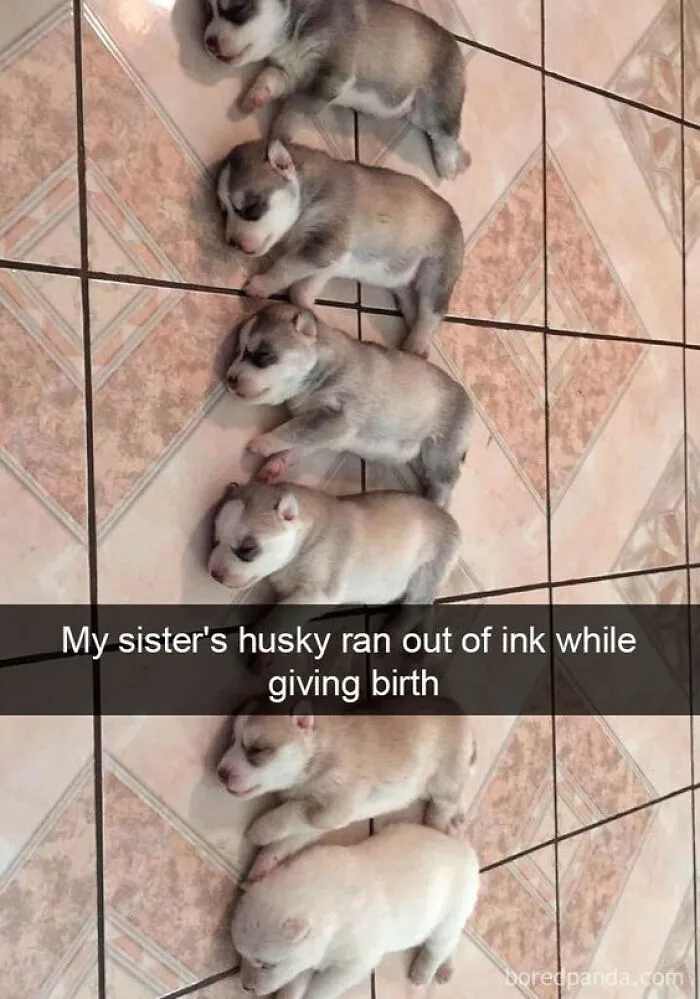

This is one reason wholesome humor can feel different from jokes that rely on ridicule. Instead of making someone the target, it often encourages people to recognize shared experiences and laugh at the little imperfections that make everyday life unpredictable.
Mean-spirited humor can create discomfort by making someone feel excluded or inferior, whereas gentle humor allows people to enjoy the moment without worrying about whose dignity is at stake. During stressful periods, that distinction can be particularly meaningful, as humor that encourages warmth and acceptance may help people feel more connected rather than adding to existing tension.
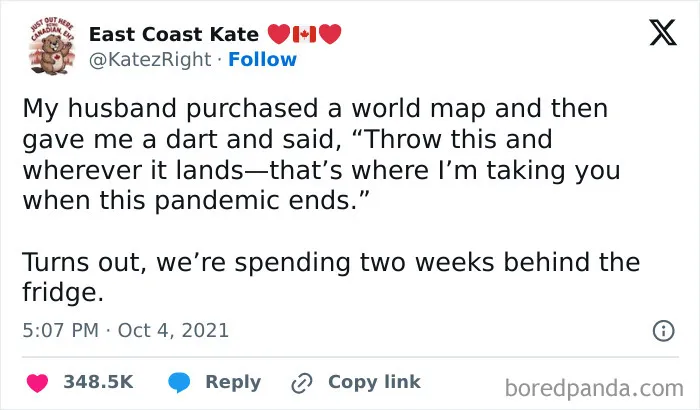
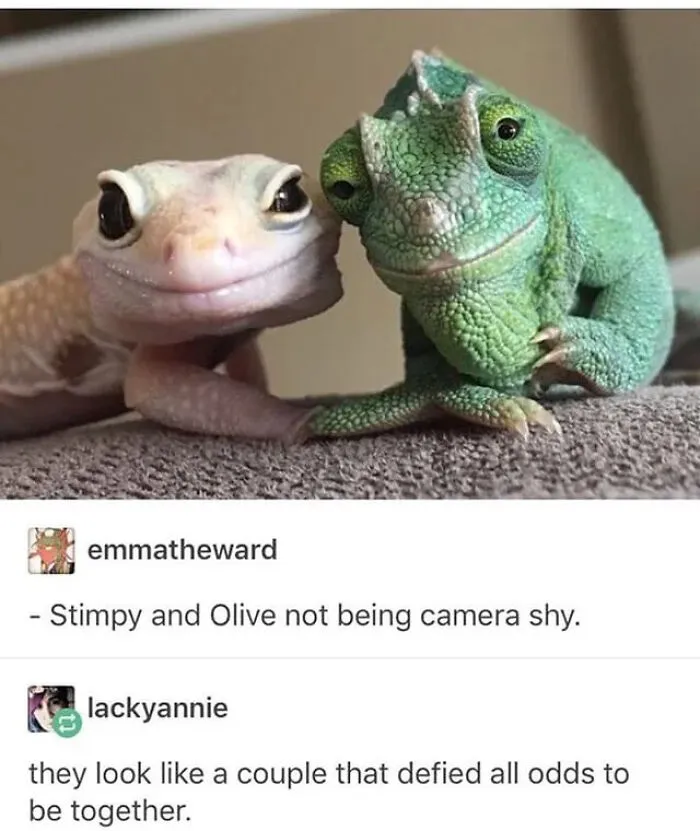

Wholesome content can also create a sense of closeness between people, even when they are physically far apart. Research discussed in Popular Communication examines how sharing memes can serve as a form of digital intimacy, allowing people to maintain relationships through small, everyday exchanges.
Sending a funny or heartwarming post requires little effort, yet it can communicate thoughtfulness and affection. Sometimes, a person does not need a long conversation to show they care; a simple meme can be enough to remind a friend that someone is thinking about them.
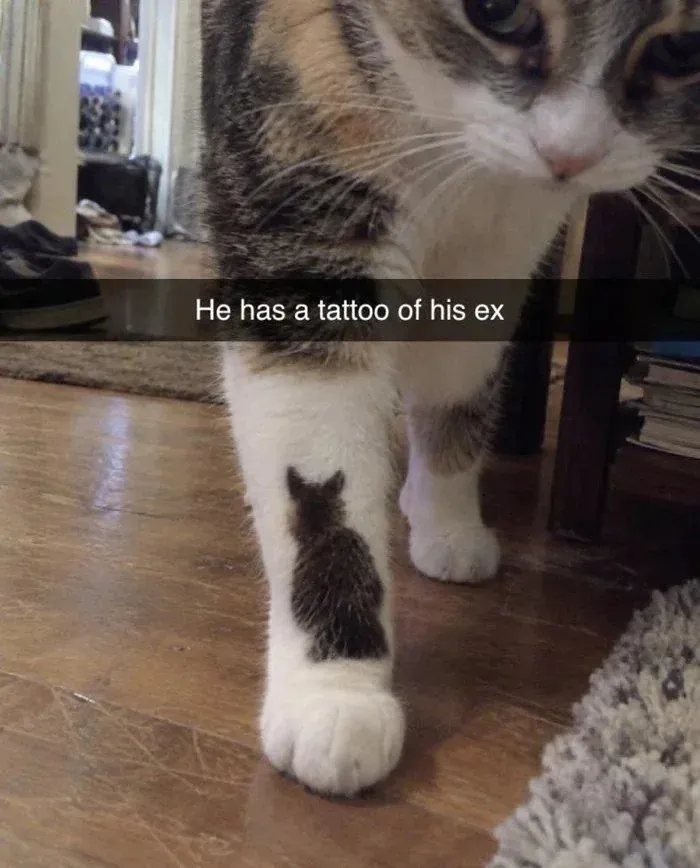
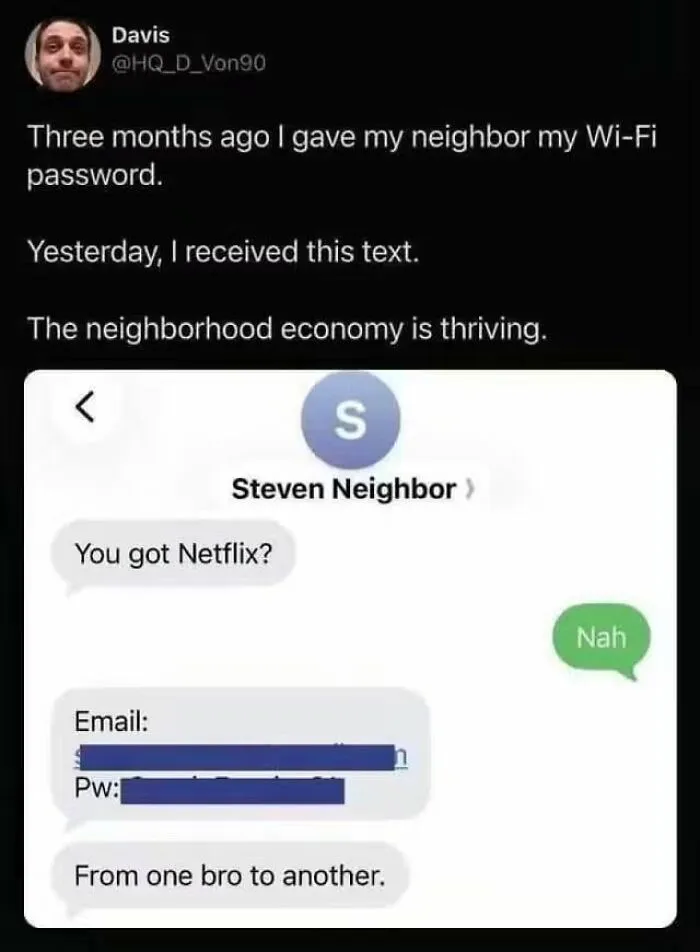
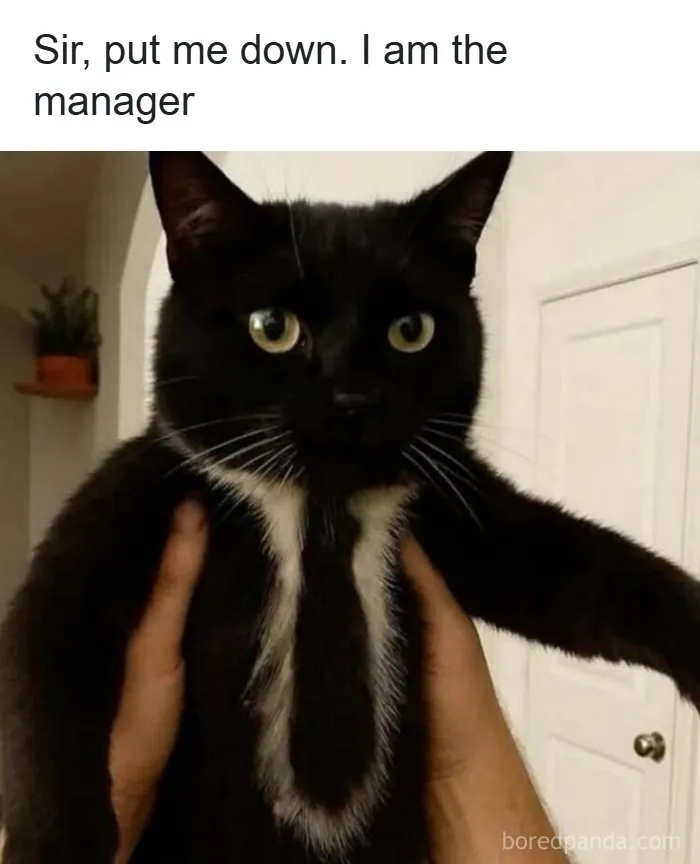
These exchanges become even more meaningful when a meme captures an experience that several people recognize. A relatable post can make a private feeling seem less unusual, while recurring jokes and familiar formats can develop into a shared language between friends, partners, or online communities.
The same principle applies to wholesome humor more broadly. When people laugh together rather than at someone else's expense, the experience can strengthen their sense of belonging. Research on affiliative humor and online bonding suggests that this kind of shared amusement can support positive social connections, making memes a small but useful way to maintain relationships.