


Memes might seem like a product of the social media age, but they have always existed, just in a different form. After all, humans are social creatures, so this urge to stay “connected” has always been present among us. Take the ancient Romans, for instance. The walls of Pompeii are covered in poetry, insults, random thoughts, and most importantly, jokes.
In fact, researchers claim that those very walls were the social media of that age. So the jokes etched on them were like memes people shared with the whole city, not just their close friends. I don’t know about you, but the folks behind these writings almost sound like influencers to me.
Journalist Tom Standage, author of Writing on the Wall: Social Media—The First 2,000 Years, explained, “Several people wrote messages, rather like an internet comment thread. These are examples of public discussions—literally, writing on a friend’s wall. There are lots of other examples in history as well, but this is one of the earliest, made possible because the Romans had a reasonably high level of literacy.”
“The themes covered in Pompeian graffiti aren’t so different from what people post online today. There are tales of conquest and unrequited love. There are restaurant reviews, both good and bad. There are insults, jokes…inspirational quotes and poems,” he adds.


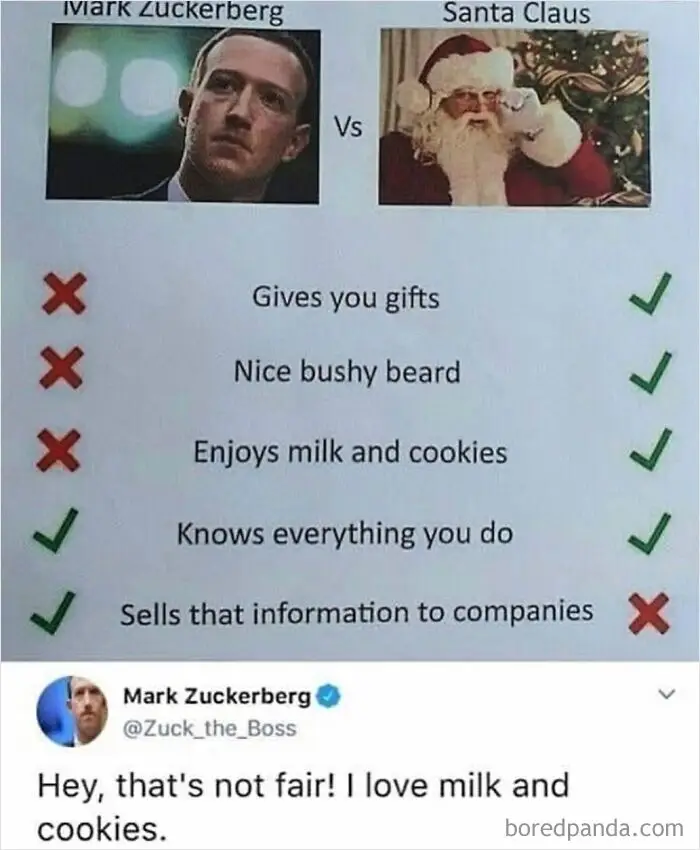
Well, it seems we are more similar to the ancient Romans than we might think. The thought itself is pretty fascinating, and it shows that human nature is universal. So, while we use buttons to share memes with our friends, folks from Pompeii just scribbled them on the walls.
Either way, they’ve served their purpose for ages by helping people connect and laugh together. However, here’s the great news: they are equally good for our mental and physical health as well.



Therapist Theodora Blanchfield believes memes are often trivialized and disparaged, yet they’re an important social currency and a key way people communicate online today. She argues that these small, often funny pieces of content matter because they let people share ideas quickly and succinctly, while also fostering a sense of connection and being seen.
“Although memes are packaged in quippy sayings or observations, at their core, they are still an exchange of ideas, just in a very easy-to-digest format. Whether you love ‘em or hate ‘em, memes are an important part of modern discourse. As both a therapist and ‘regular’ human, I’m glad that we have this way of communicating,” she adds.

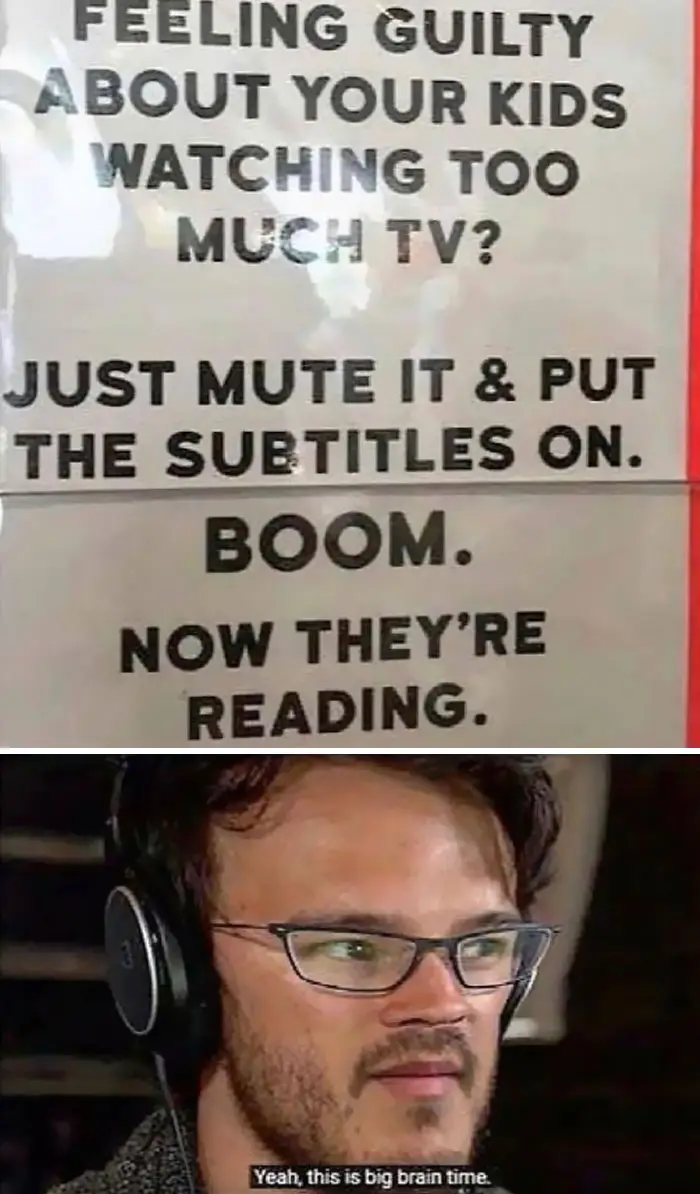

The laughter that memes induce also comes with many perks. Experts emphasize that it helps strengthen the immune system by increasing antibody-producing cells and enhancing T-cell effectiveness.
They stress that people who laugh daily have a lower risk of cardiovascular diseases. Moreover, laughter reduces the risk of developing functional disabilities and strengthens the core muscles.



Also, beyond reducing stress, a researcher at The Jed Foundation claims that humor helps build resilience. She stresses that finding humor in hard things shifts your perspective and helps you stay more positive.
She believes that taking a lighter approach to a problem can also make it feel less overwhelming. Research shows that laughter can be calming when you’re scared. After confronting and dealing with a negative interaction, laughter can release the tension and return your nervous system to a calmer state, she adds.