


The numbers on political stress are, ironically, stressful. Studies consistently find that somewhere between 40% and 51% of adults experience significant anxiety directly attributable to politics. Things like the news cycle, the social division, and the elections that seem to arrive before the last one has been fully processed all contribute.
Large numbers of people are losing sleep over it. Mental health strains from political content are documented and showing no signs of improving as the information environment gets louder and the stakes feel higher with every refresh. Which makes the humble meme page something considerably more valuable than it gets credit for.
When half the adult population is experiencing burnout from simply existing in the current news cycle, a curated collection of completely unhinged, joyfully pointless, deeply relatable images is a pressure valve. So yes. Meme pages are doing the lord's work. This is stress physiology. Scroll guilt-free.

Cortisol is your body's primary stress hormone, the chemical your brain releases when it perceives a threat. The problem is that your brain processes an alarming news headline the same way it would a physical danger, which means that doomscrolling before 9 am is biologically equal to being chased by a lion.
Laughter does the opposite. It actively lowers cortisol levels, releases endorphins, and gives your nervous system permission to stand down. A meme that makes you belly laugh is, in the most literal neurological sense, the antidote to an epidemic.
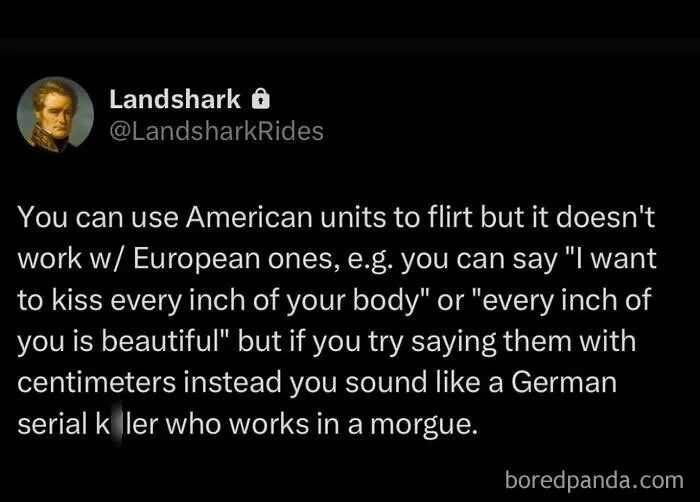
This meme page shares another tool with its readers that might help combat politically induced anxiety just as much as laughs do. Ground News is a news aggregation platform that takes the already infuriating stories we see daily and tells us a little more about its leanings. Is it left, right, or centered? Are there any blind spots in the coverage?
"Ground News shows you how thousands of outlets across the political spectrum cover the same story, so you can cut through bias, spot blindspots, and stay truly informed," they claim. Maybe the key to true happiness isn't no news at all; it's simply better understanding the news we get?
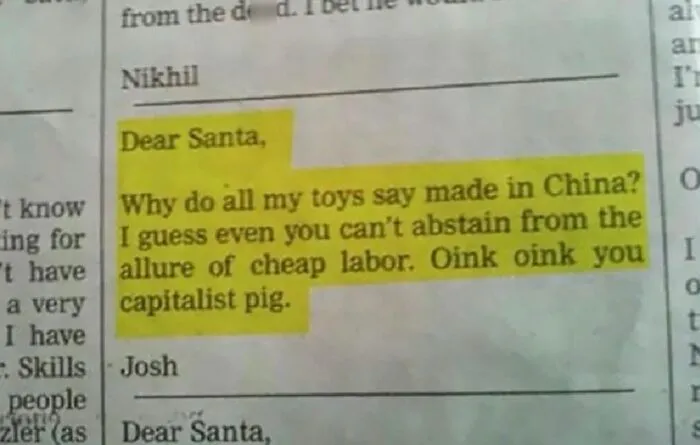
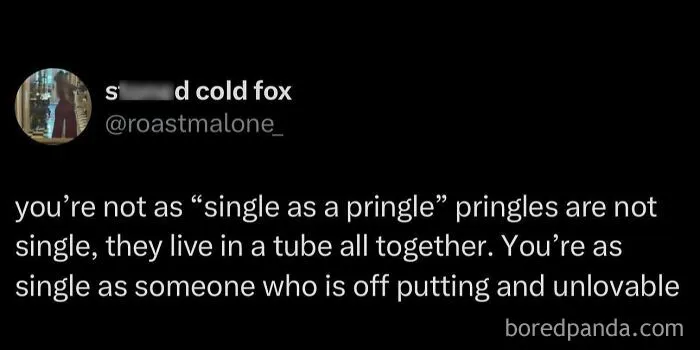
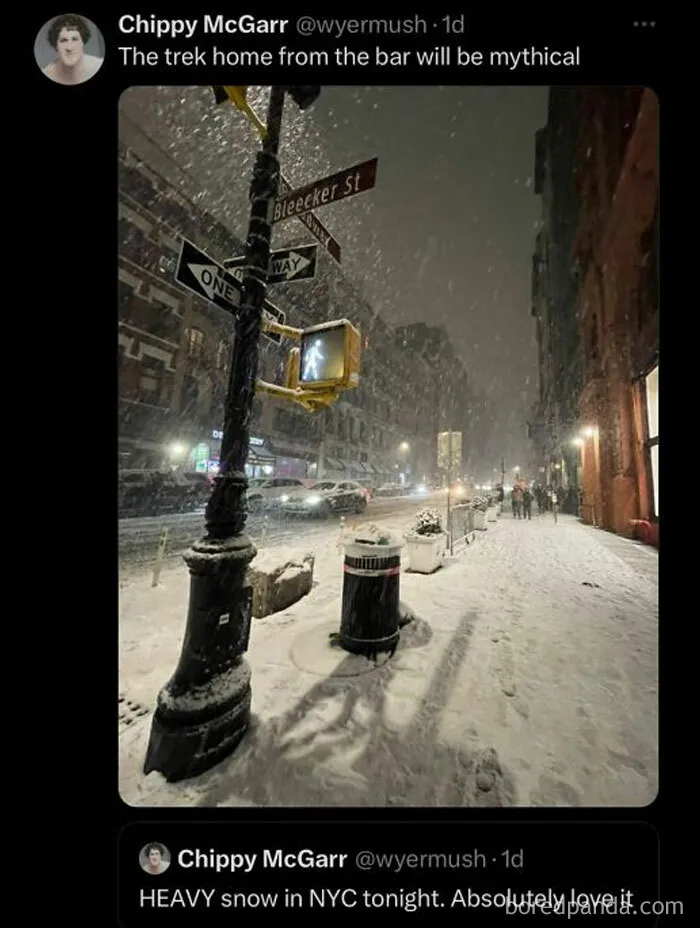
The English poet Thomas Gray put it best in 1742, which is impressive given that he had no idea what a news cycle was. In his poem Ode on a Distant Prospect of Eton College, he watched schoolboys playing in blissful ignorance of the hardships adulthood would bring and concluded, in the closing lines, that "where ignorance is bliss, 'tis folly to be wise."
It is, in the context of the current media environment, a sentiment that has never felt more applicable. The question of whether it is actually better to simply not know what is happening in the world is one that a growing number of people are asking, and the meme page is, in its own chaotic way, a very modern answer to a very old question.
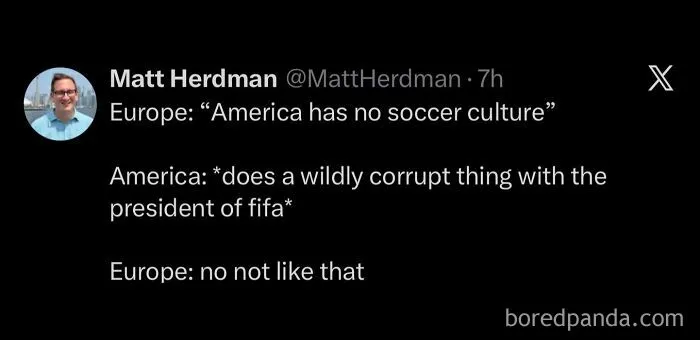
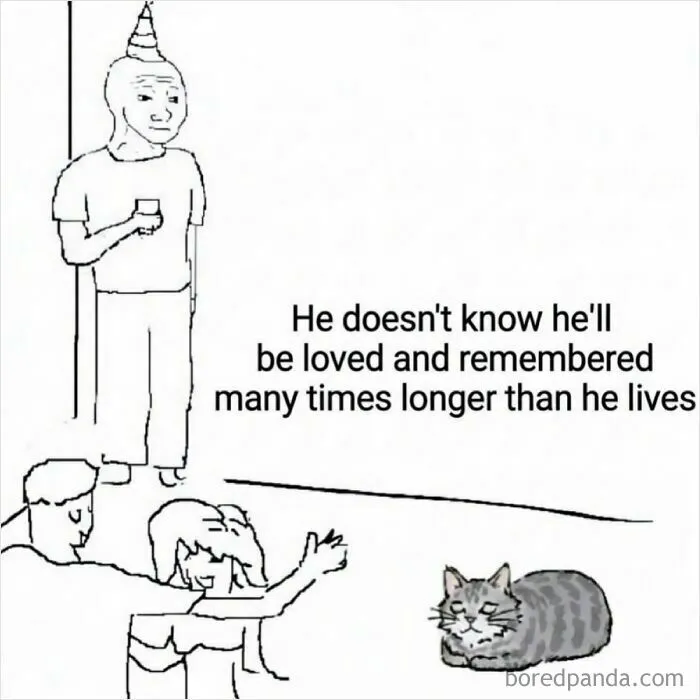
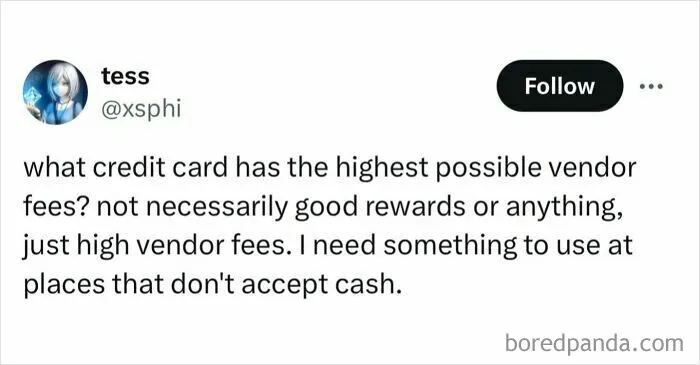
The numbers around meme consumption are mildly concerning... Some digital marketing reports show that the average millennial views somewhere between 20 and 30 memes per day (amateurs!). Gen Z consumes significantly more.
A study by Redseer Strategy Consultants found that active internet users spend an average of 30 minutes a day specifically on meme content, deliberately consuming them as a category of media in their own right. Which means that memes are not a byproduct of internet use. They are, for a significant portion of the population, the destination.
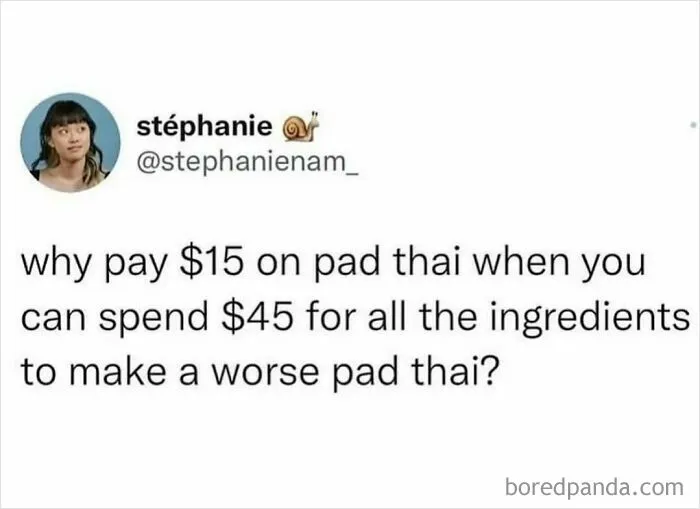

Forbes reported that around 60% of meme keywords are political in nature during major political cycles. So while cute kittens and gaming memes still occupy a good portion of the meme-verse, it is now politically driven enough to make us pay attention.
Interestingly, Republicans appear in memes twice as often as Democrats, with Donald Trump holding the undisputed title of most memed politician in history by a margin that no other public figure has come close to challenging. No comment...