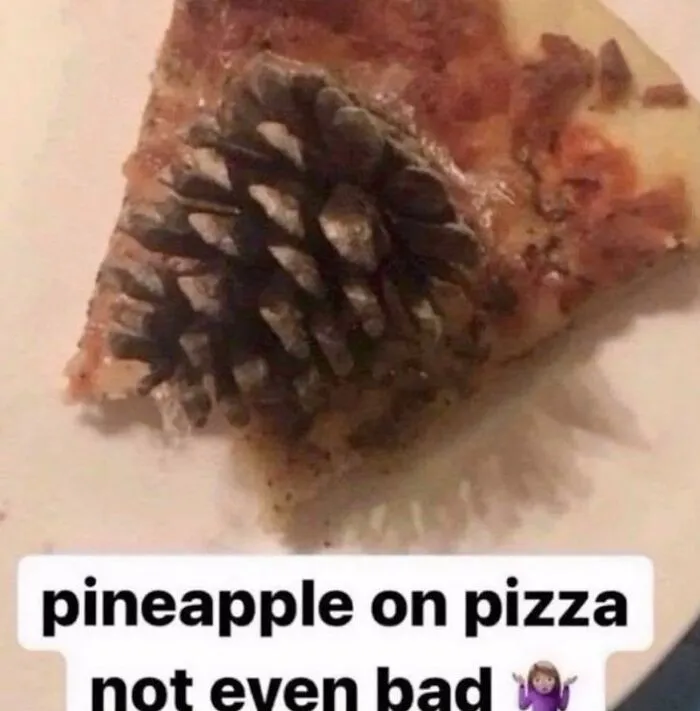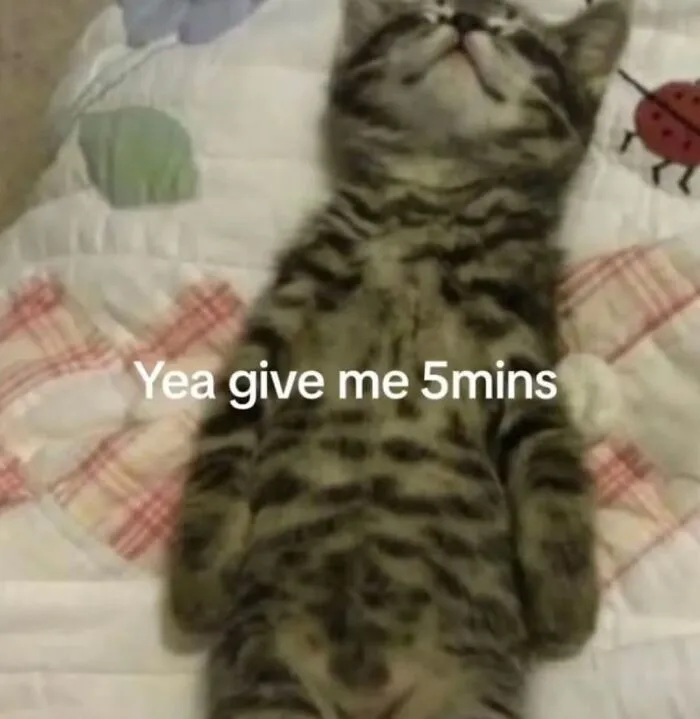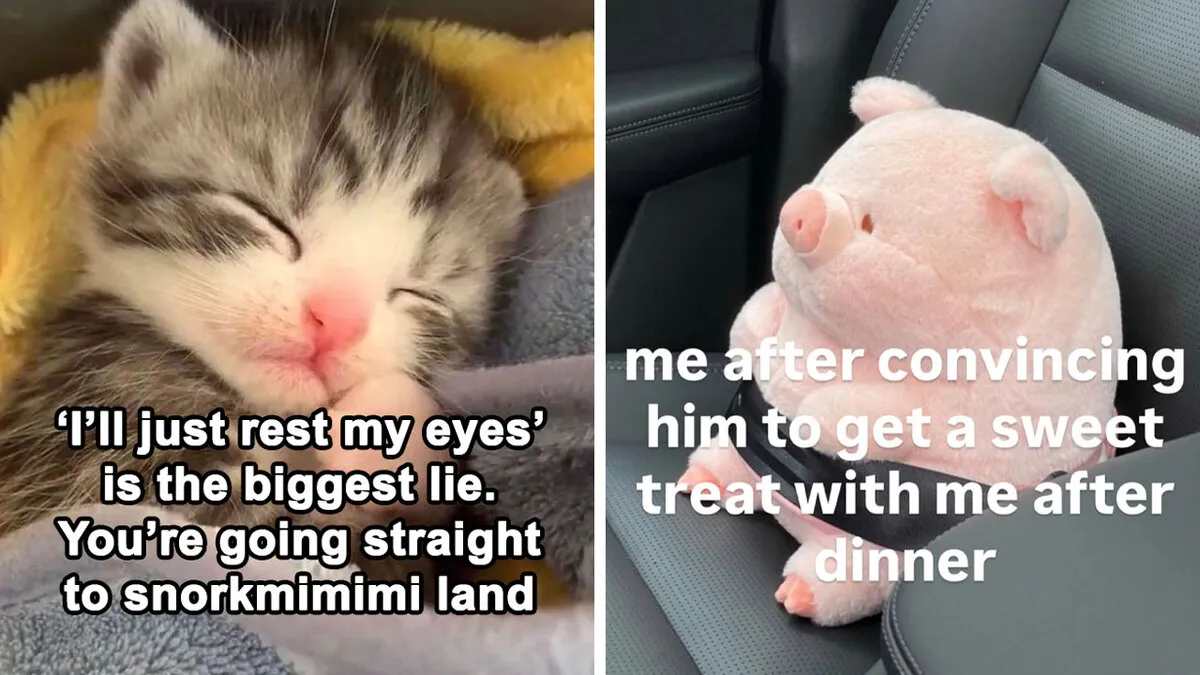


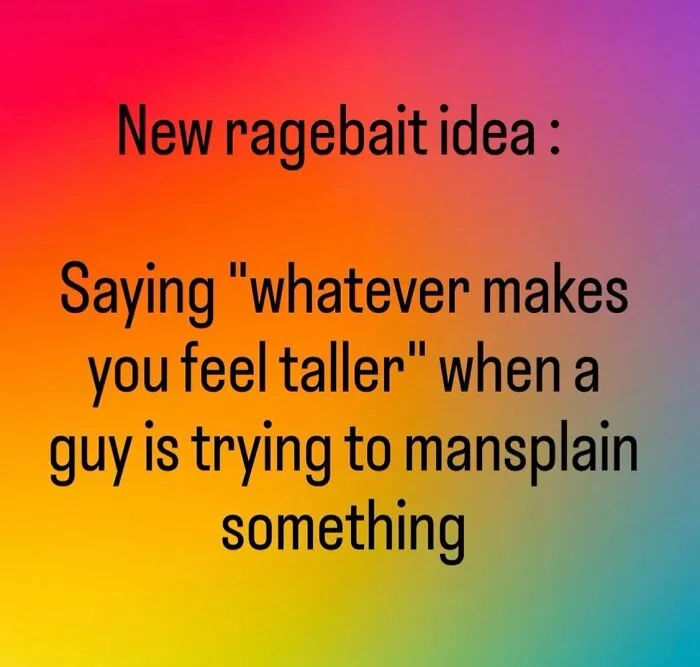
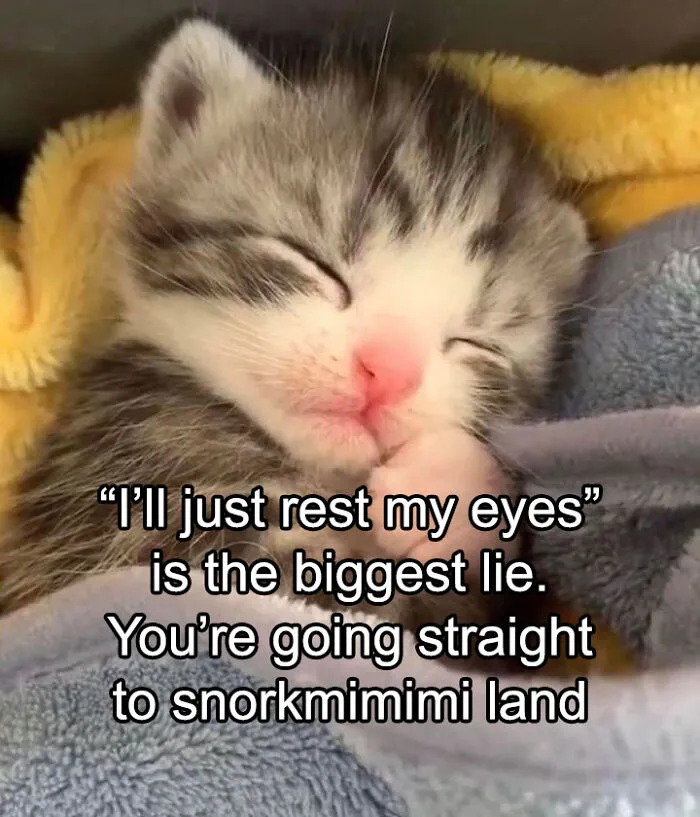
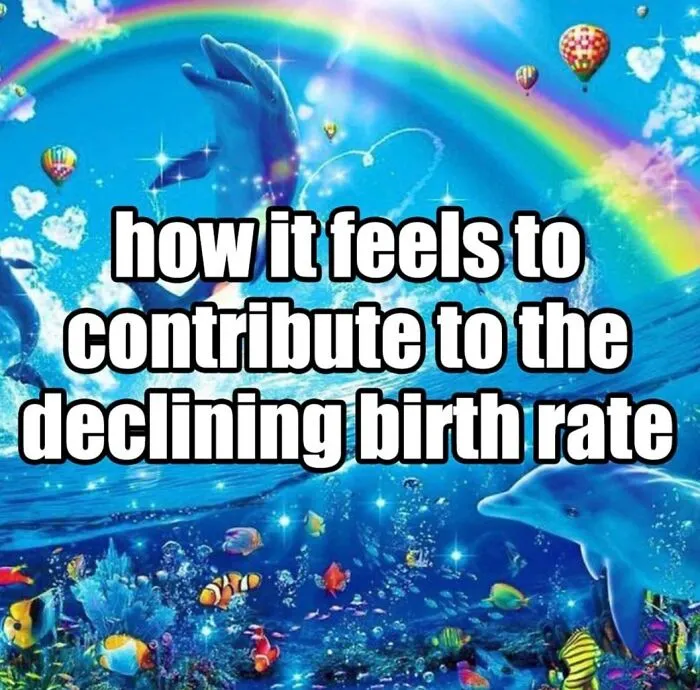
How many memes did you share with your friends or family today? One? Ten? Maybe a hundred? It may seem like a trivial or even lazy way to communicate with people, but some experts say sharing memes is actually an act of love.
“In the digital age, small gestures like sharing a meme or a video can significantly strengthen emotional bonds,” reads one study published in the Journal of Consumer Research in February this year. It adds that many who shares memes find that it's “a great way to stay in touch” with friends on social platforms.

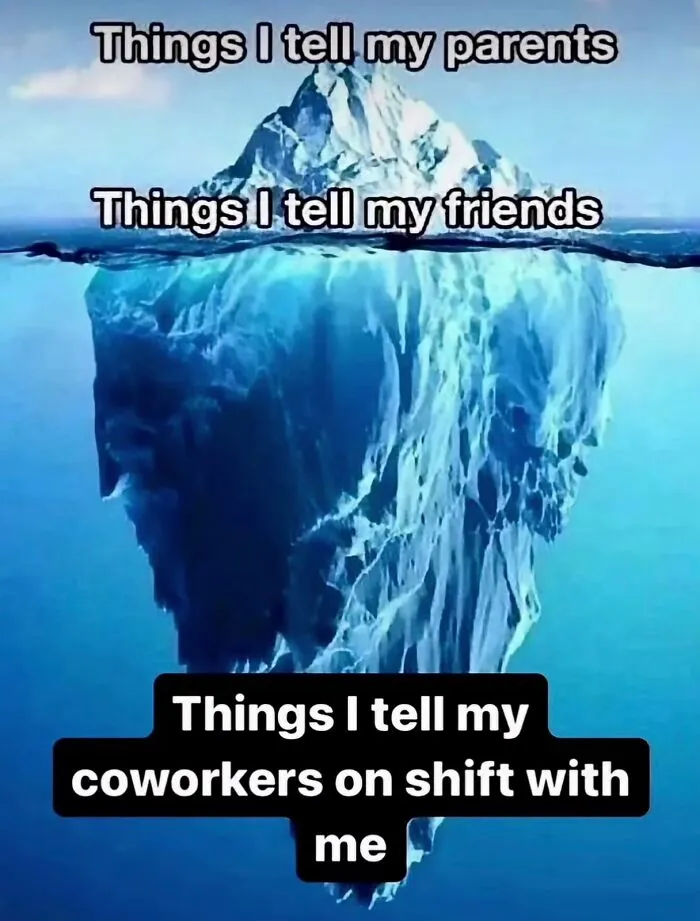

Adam Grant is an organizational psychologist at the University of Pennsylvania. He likens sending memes to something called “pebbling.”
"It refers to a behavior among gentoo penguins, in which they present potential mates with carefully selected, shiny pebbles," explains The Atlantic. "Among humans, giving the gift of a carefully selected, shiny meme can be a mating behavior, too, or a platonic one."
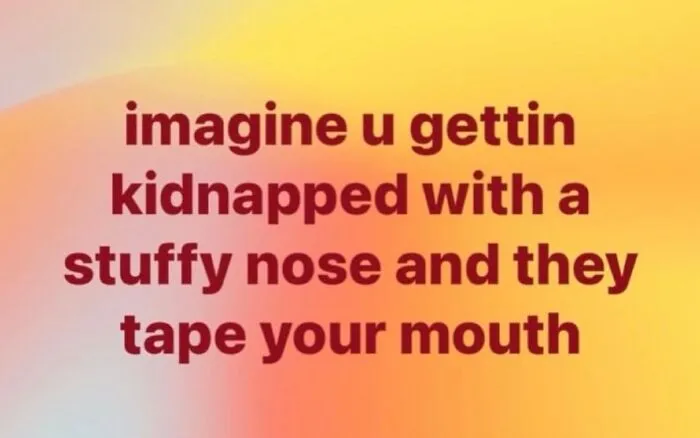


Grant says pebbling or sharing memes aren’t trivial gestures. "Every pebble is a bid for connection,” the expert explains. So while sharing a meme from this list is hardly the same as taking the time out to pick up the phone, or meet in person, it's still you making an effort to stay in contact, and letting someone know you're thinking of them.
“One of the key things in relational maintenance is that we want assurances that this other person values our friendship and our relationship just as much as us,” adds Nicholas Brody, a communication-studies professor at the University of Puget Sound. But he says that “it doesn’t always have to be a meme for a meme.” Taking the time to "heart" the meme your friend just sent you can also do the trick.
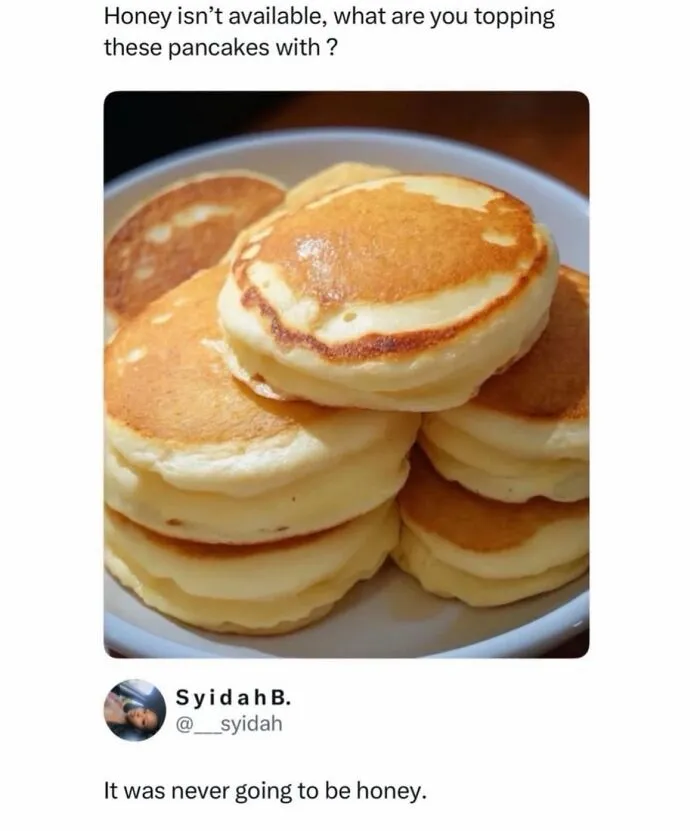
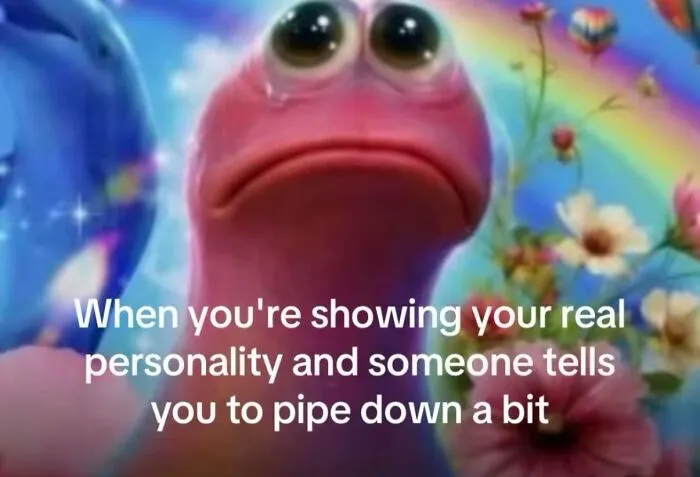
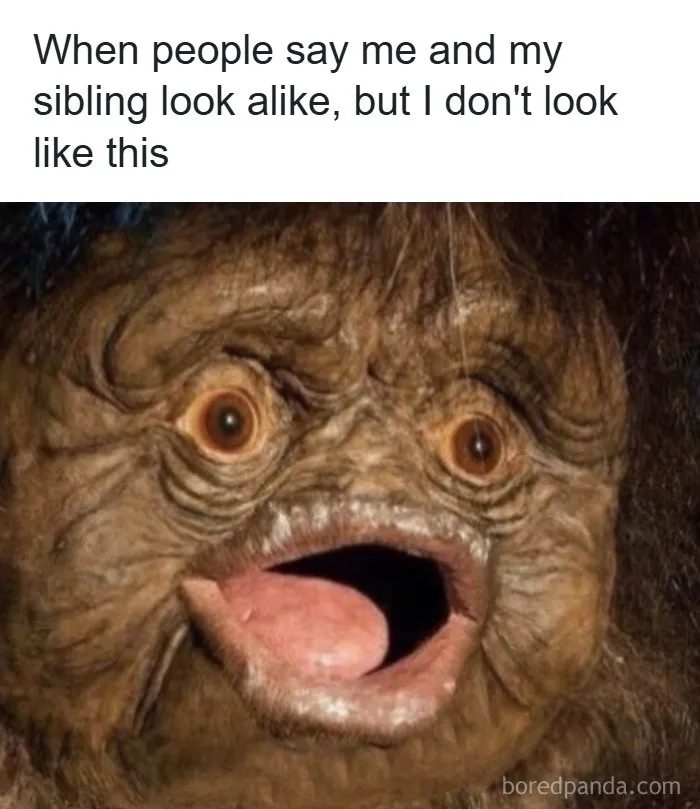
According to some psychologists and sociologists, pebbling might even be considered a modern love language. Sharing these breadcrumbs of communication in the form of memes is a simple but effective way to create intimacy through micro-gestures.
"Although technology has been vilified for distancing people from genuine human interaction, it is equally important to recognize moments when technology can serve as a regenerative force, restoring connection, solidarity, and shared meaning in significant ways," explain the experts from the American Association for Marriage and Family Therapy.



The experts add that pebbling can be an especially valuable form of communication for people with neurodiverse abilities. "Traditional expressions of affection may feel overwhelming or inauthentic, but pebbling can allow for relational development through digital actions," they explain.

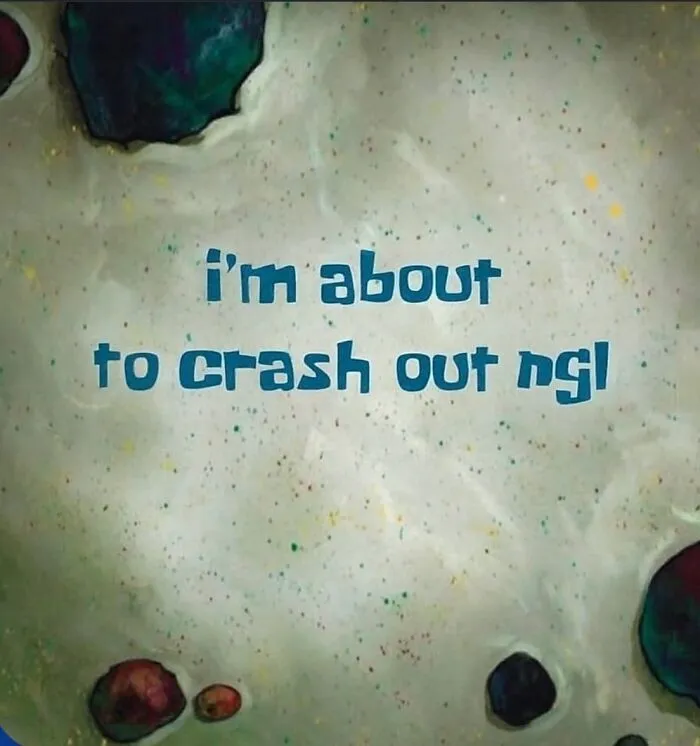

"For the ADHD brain, a meme can do something remarkable: it can distil complex experiences, like time blindness, rejection sensitivity, or executive dysfunction, into a single, instantly relatable image. We see it and think, 'This is exactly what it feels like,' without having to explain the messy wiring of our brain," writes William Curb, the brains behind the Hacking Your ADHD podcast and blog.
Curb says the fact that memes are fast, visual, and bite-sized makes them exactly what the ADHD brain craves. "It’s why meme-scrolling is so addictive; each one offers a micro-burst of dopamine," says the expert.