
Whether we openly admit it or not, social media has become a huge part of our everyday lives. Somehow, in between the rat race of our 9-to-5s, trying to get in our 10,000 steps and keeping ourselves clean, fed and housed, we manage to spend a staggering 18 hours and 36 minutes on social media per week, according to a recent Forbes Advisor report by Leeron Hoory. To be fair, that’s only about 2 hours and 39 minutes per day, but altogether, that’s pretty much a whole day a week—minus a little over 5 hours of sleep.
Clearly, there are plenty of reasons we keep coming back. Social media can help us stay informed, keep in touch with friends and family, find communities we might not otherwise have access to, discover things we’re interested in, and (cough, cough) occasionally lose an embarrassing amount of time watching videos of goats with zoomies, cats acting hella suspicious, or dogs doing absolutely nothing.
But there’s a difference between being surrounded by people online and actually feeling connected to them. We’re constantly being shown other people’s relationships, holidays, achievements, homes and seemingly perfect lives (fit checks and coffee orders included).
But none of that necessarily tells us how anyone is actually doing—or whether, like us, they sometimes feel like they should have their lives more together.
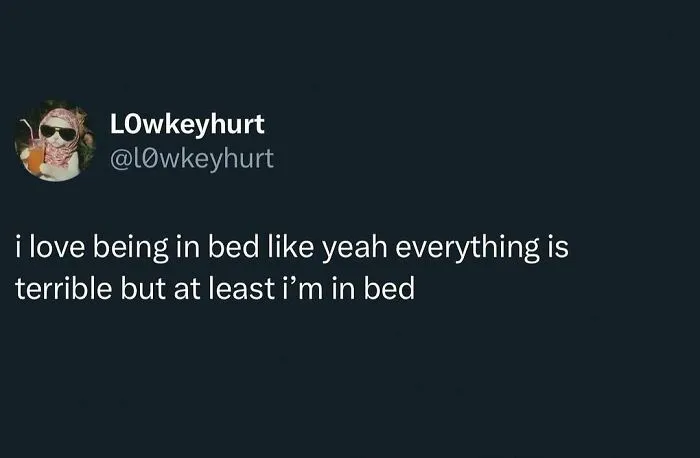

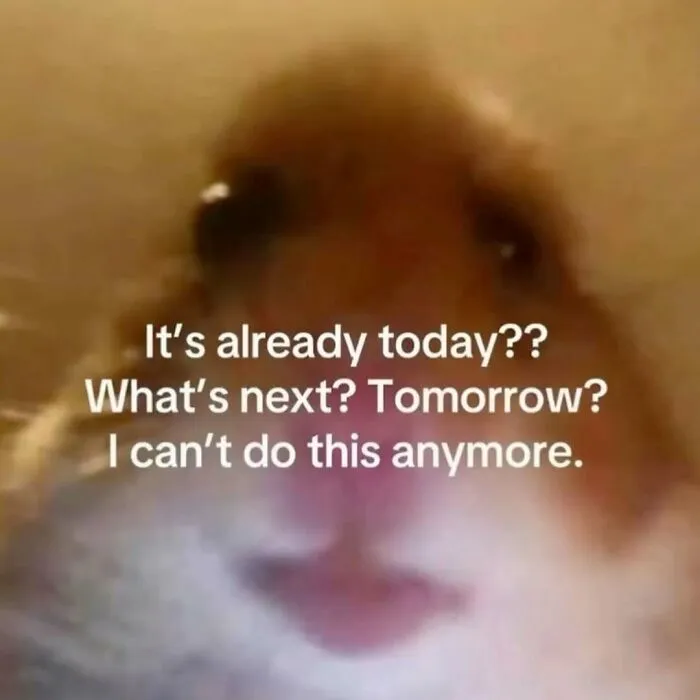
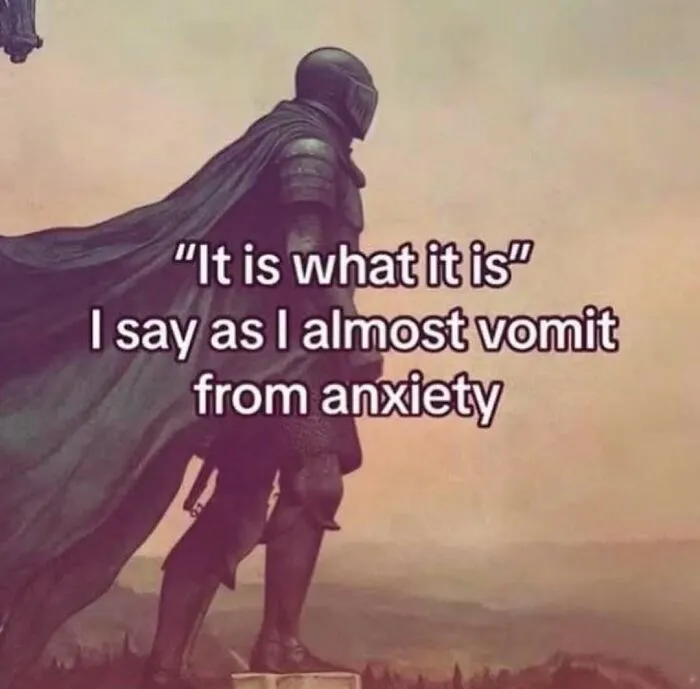
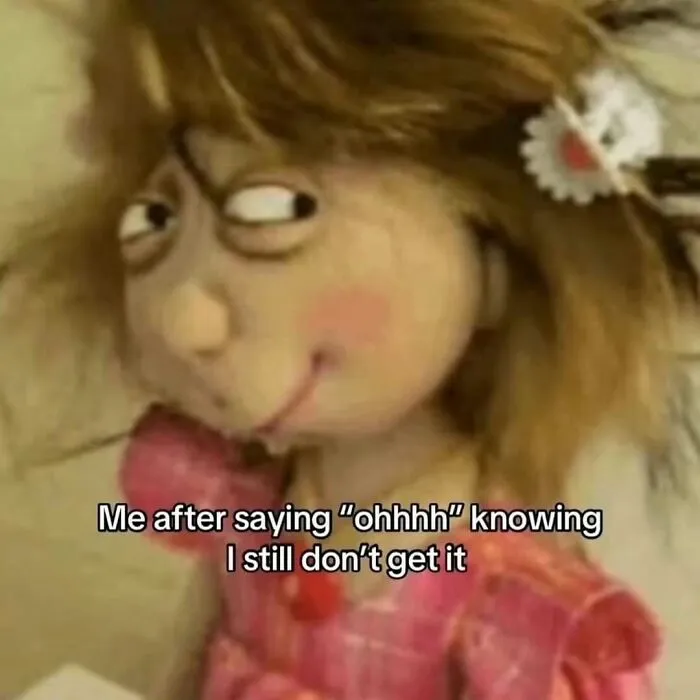
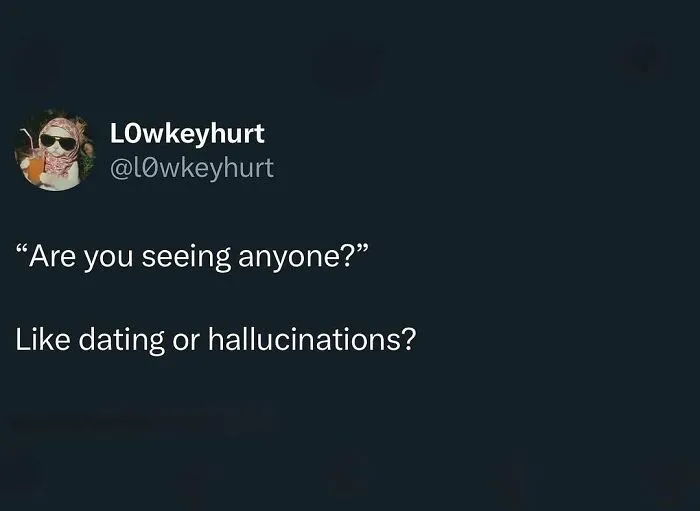
Sometimes, a meme—just a simple image with a few words of text—can cut through all that curation in a way a perfectly edited reel or filtered-but-not-too-filtered story can’t. That can hit differently, particularly when it’s a meme that captures an exact thought, frustration or full-blown existential crisis you had five minutes or five days ago. Basically, it’s like a small bit of validation that yep, someone else has felt this way too—and no, you’re not uniquely failing at adulthood.
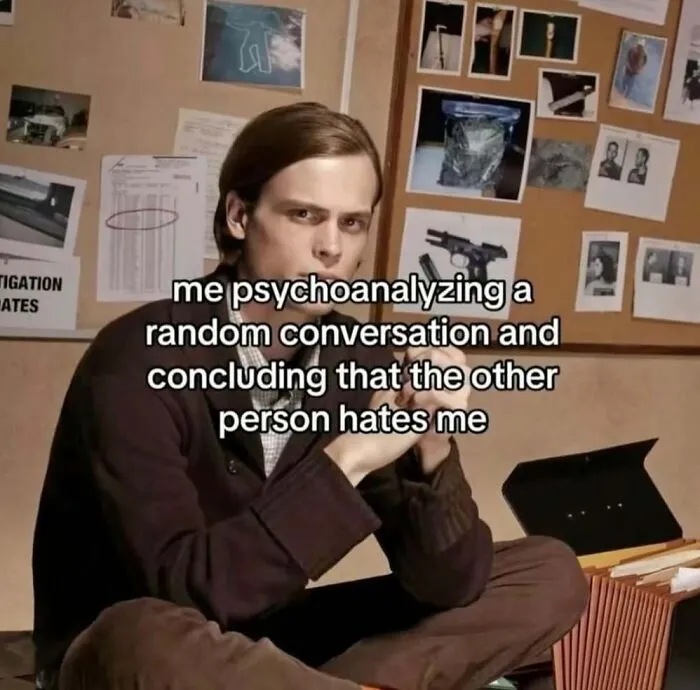
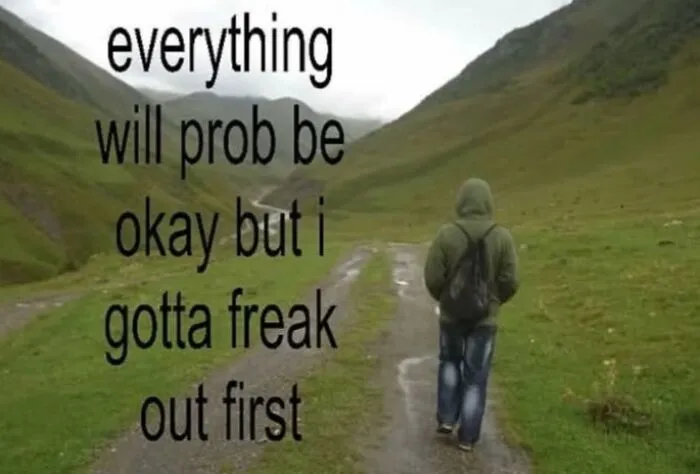
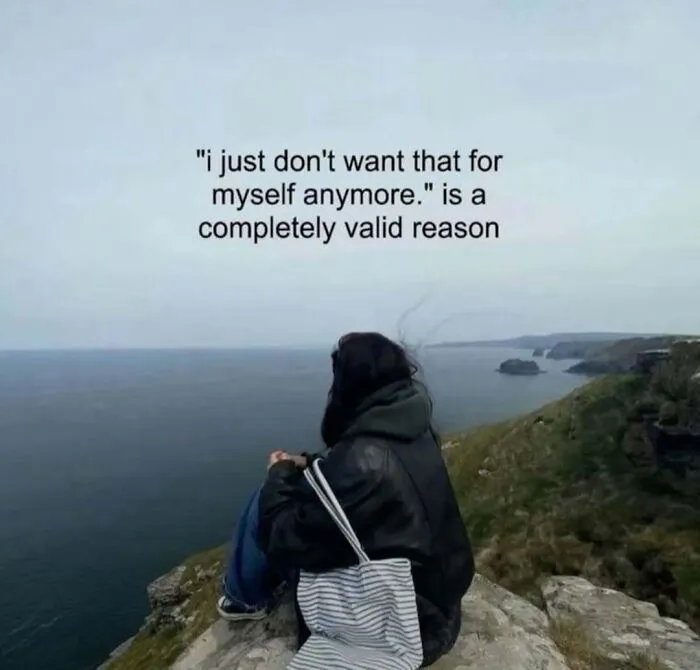
That feeling of being seen is something therapist Theodora Blanchfield explores in a Verywell Mind piece about how memes have changed communication. “Memes get trivialized and disparaged,” she writes, but they can be “an important social currency and way of communicating online,” in part because they can “foster a sense of connection and feeling seen.”
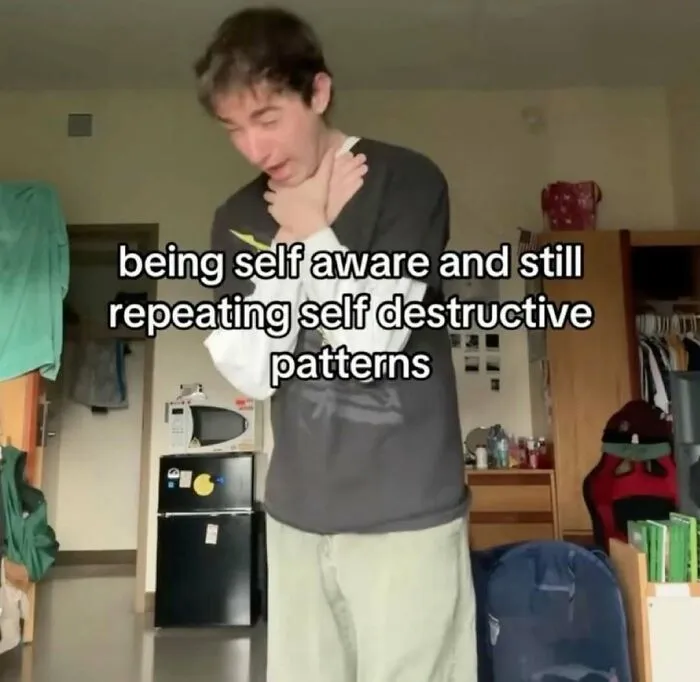
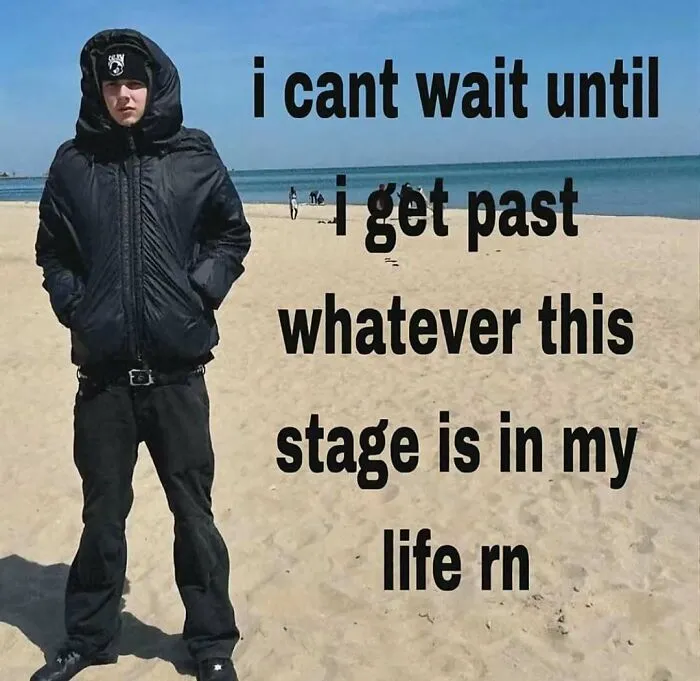
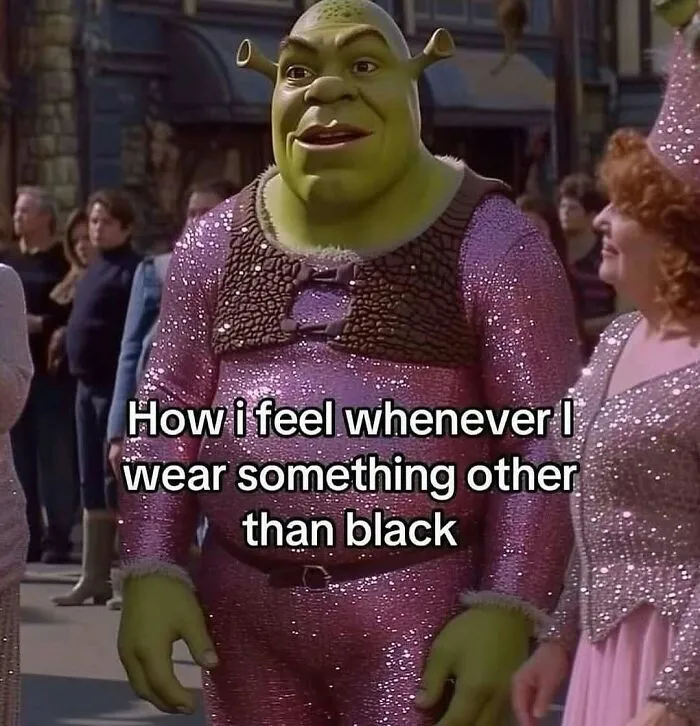
She also describes the surprise of receiving a meme from someone whose life seems enviable from the outside: “Wait, you feel that way too?? I never would have guessed.” It’s a reminder that behind all those carefully curated posts, other people may be wrestling with plenty of the same thoughts, feelings and struggles we are.