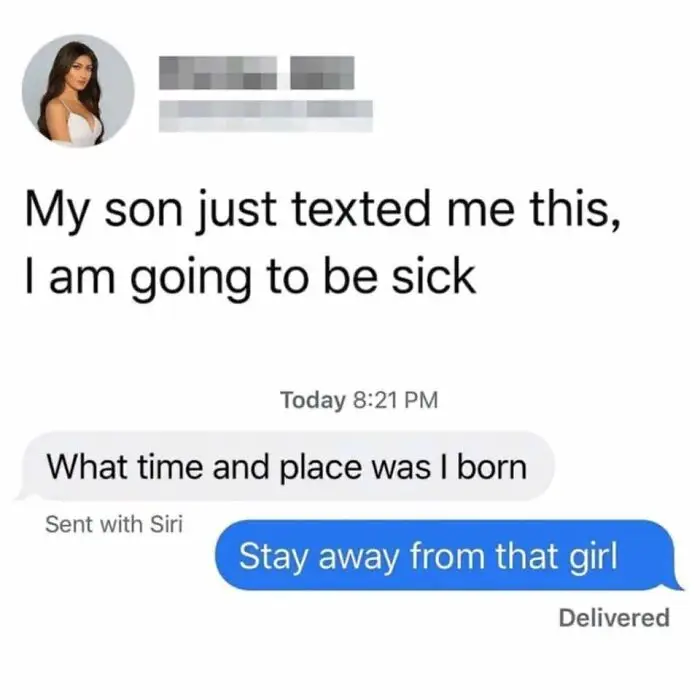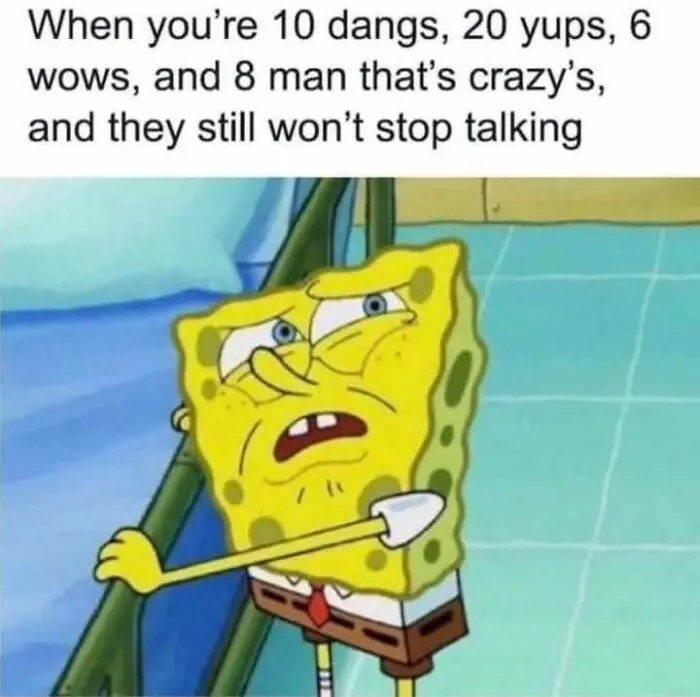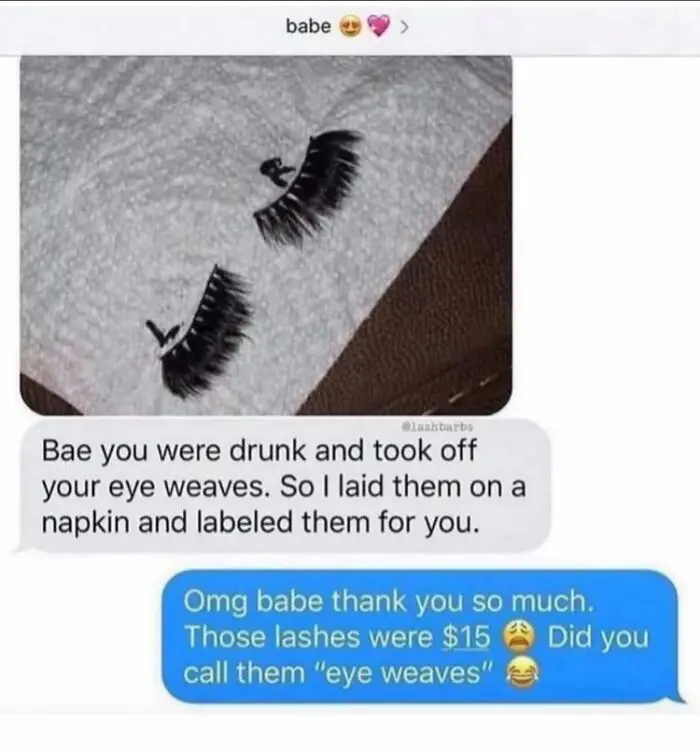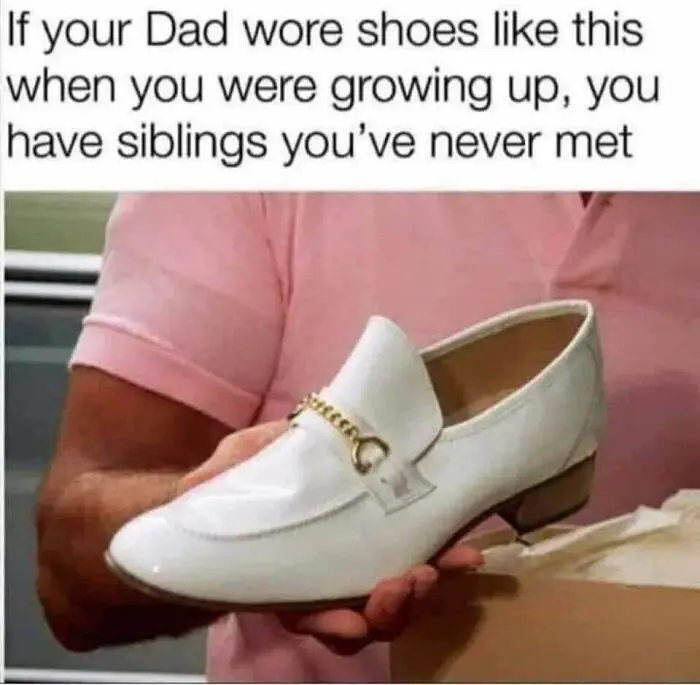


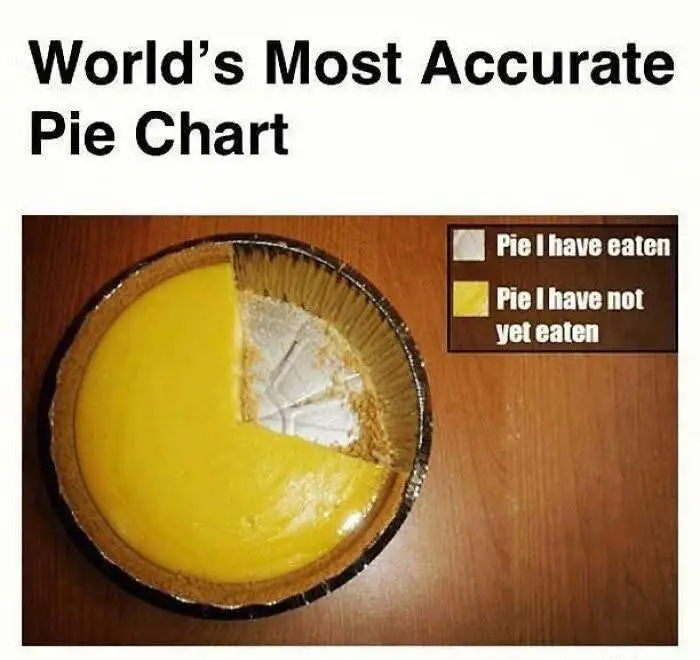
But beyond the humor, there is a genuine sociological power to the way memes have gone mainstream. They have become a universal language that transcends borders. A person in Tokyo, a student in London, and a farmer in Nebraska can all look at the same "Distracted Boyfriend" photo and understand exactly what it means without a single word of translation.
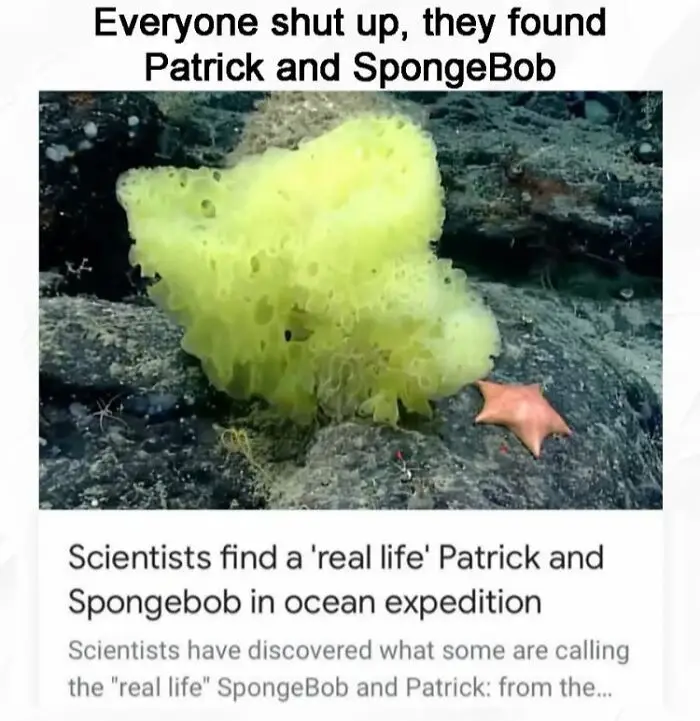
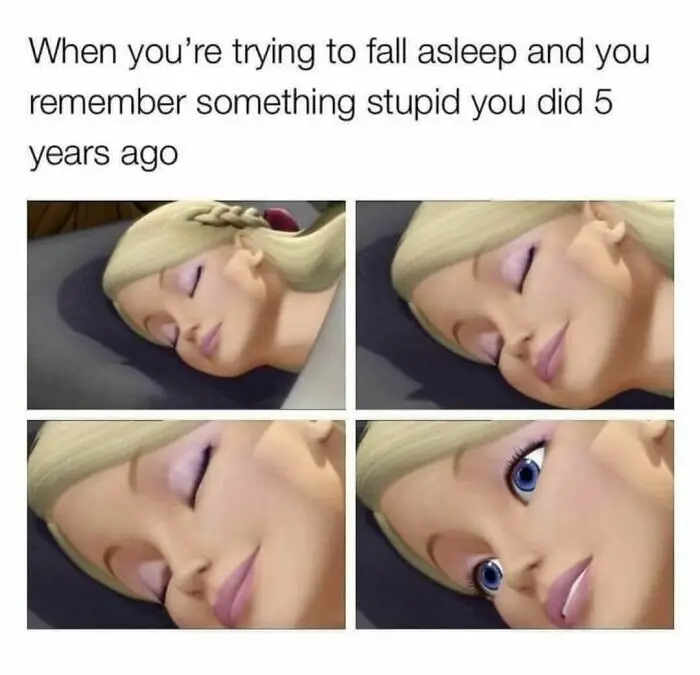
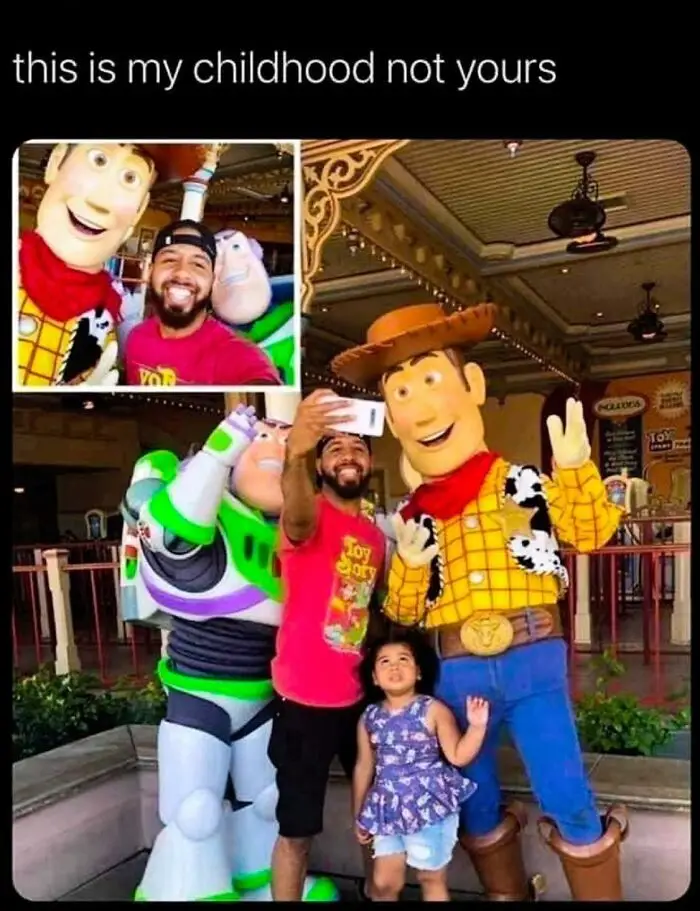
Memes provide a shorthand for complex human emotions, allowing us to express anxiety, joy, or existential dread through the medium of a cartoon frog or a screaming lady at a dinner table. They are the folk art of the 21st century, born from the bottom up rather than the top down, giving everyone with a WiFi connection the ability to participate in the global conversation.
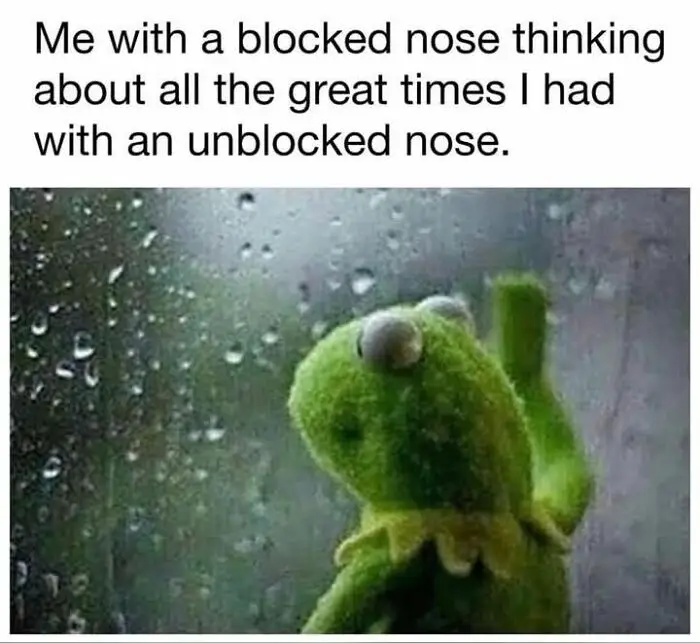
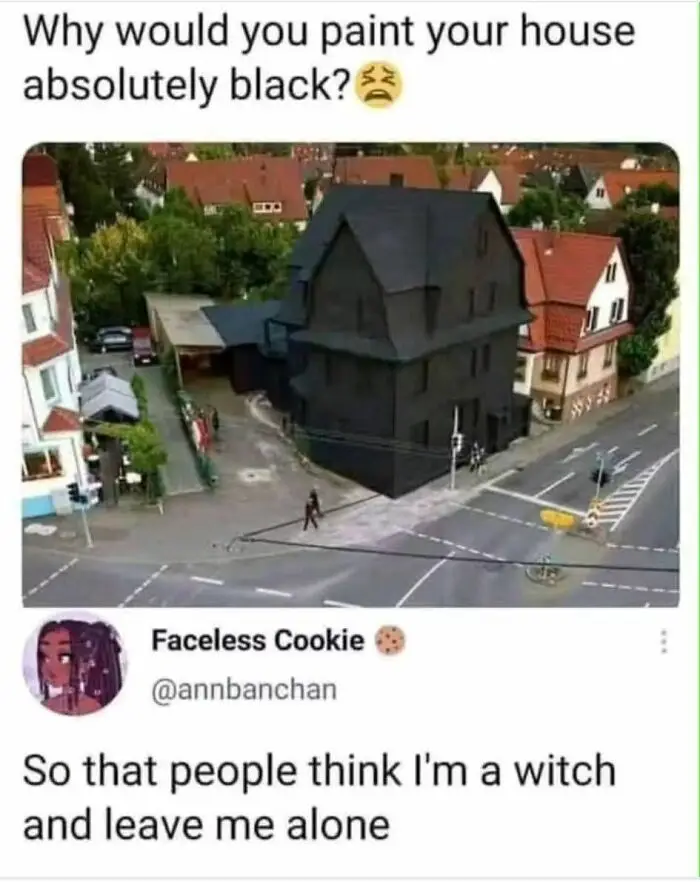
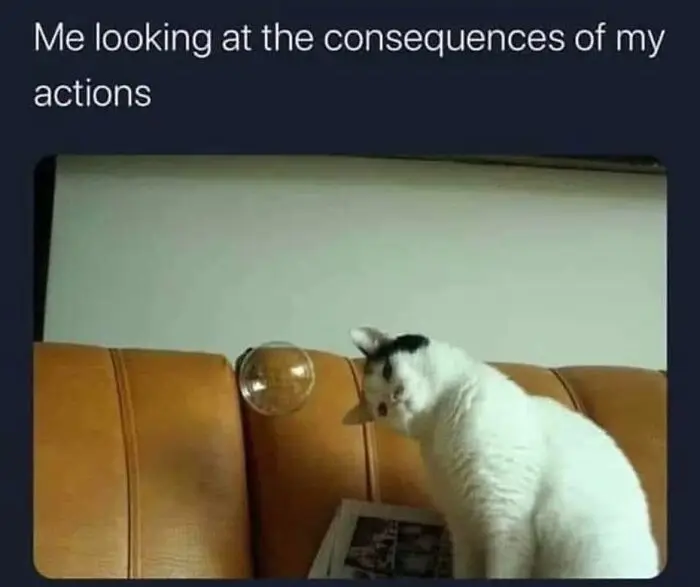
As memes continue to dominate our feeds, they are also reshaping how we process information. We’ve moved from long-form essays to "TL,DR" summaries, and now to a single image that says everything. While some worry that this is shortening our attention spans, it’s also creating a more interconnected and visually literate society.
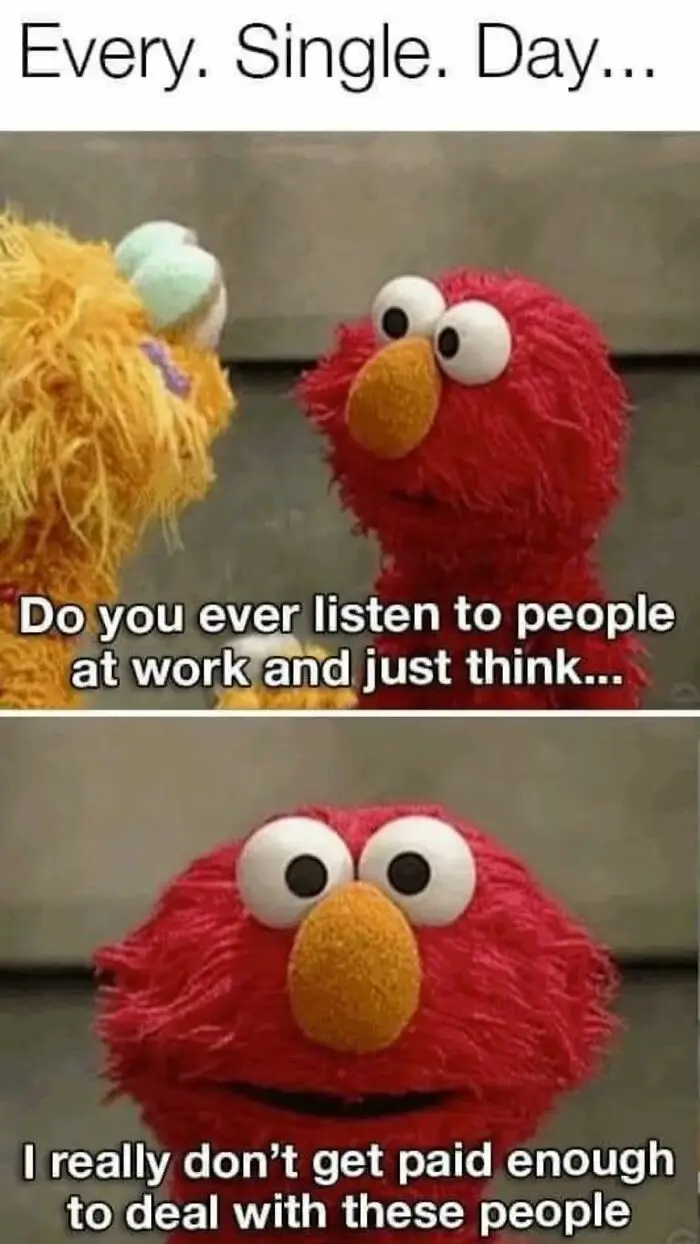


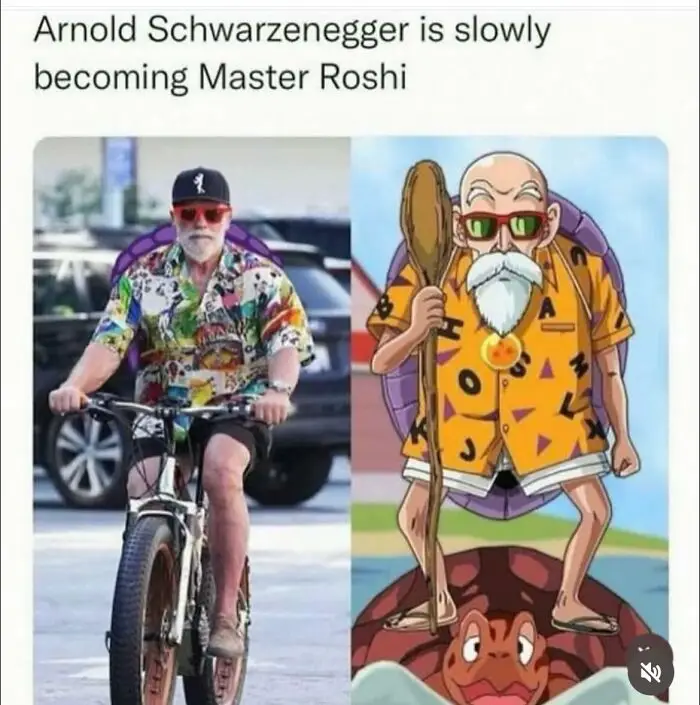
We are living in a giant, interactive comic book where the characters are us, our pets, and our shared frustrations. Whether it’s a viral dance or a cleverly captioned screenshot from a 1990s anime, memes are the glue holding our fragmented digital lives together. They are no longer just "internet jokes", they are the heartbeat of modern culture, proving that sometimes, the best way to understand the world is through a really well-timed joke about a gorilla or a suspicious-looking toddler.