




Have you ever stopped to wonder about the little things around you? Why do donuts have holes, or why are school buses yellow? Why do we say “cheese” in photos, or wear wedding rings on a certain finger? It turns out even everyday habits and objects have interesting stories behind them—some going back hundreds of years, others explained by science or just plain clever thinking. From the way plants grow in space to why old newspapers turn yellow, there’s a lot more happening than we realize. Learning these small facts can make the world feel a little more surprising and fun. In this article, we’re diving into curious answers to questions you’ve probably never asked—but once you know them, you won’t forget.
Click here & follow us for more lists, facts, and stories.
Why Do Humans Need Sleep?
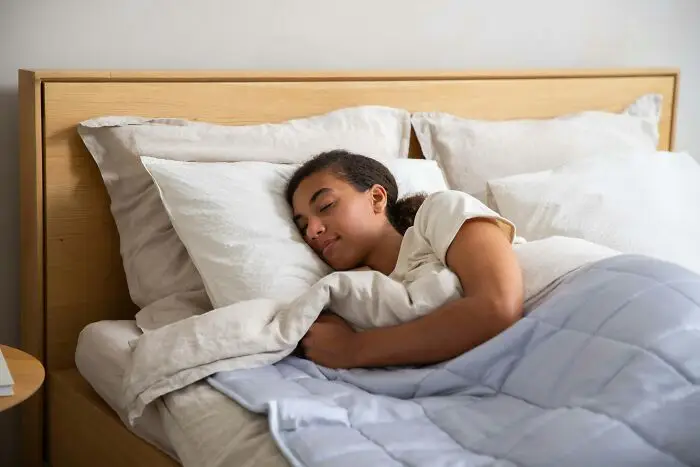
Scientists don’t fully understand all the details of sleep, but we know it’s essential. Sleep gives the brain time to organize itself and strengthen neural connections, which helps us remember what we’ve learned. Going without enough sleep can lead to serious problems like hallucinations, heart issues, and a weaker immune system. Essentially, every part of the body and mind works better with proper rest and suffers when sleep is missing.
Credits: Slaapwijsheid
Why Does Pasta Come In So Many Shapes?
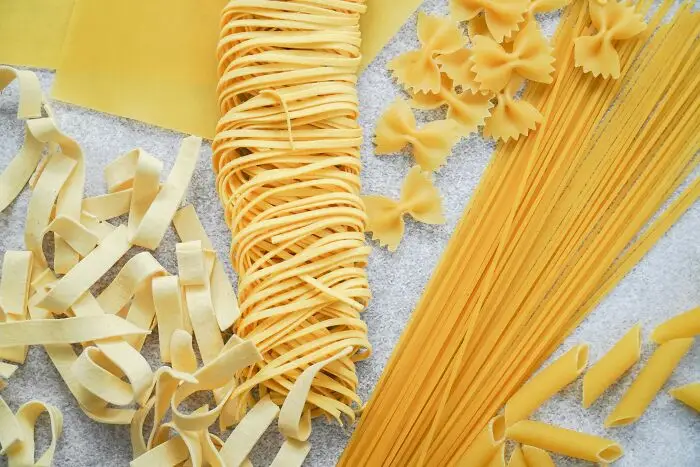
There are over 1,200 pasta shapes, each created for a reason. Some are inspired by tools—fusilli look like spindles, and eliche like screws. Others have quirky names, like strozzapreti, or “priest chokers,” supposedly because they’re so delicious priests might overeat. Different shapes also suit different sauces: scoop-shaped pasta catches chunky sauces, twisted shapes hold thin sauces, and long noodles like spaghetti work best with cream or oil-based sauces.
Credits: Karolina Kołodziejczak/unsplash
Why Do Your Fingers Wrinkle In Water?
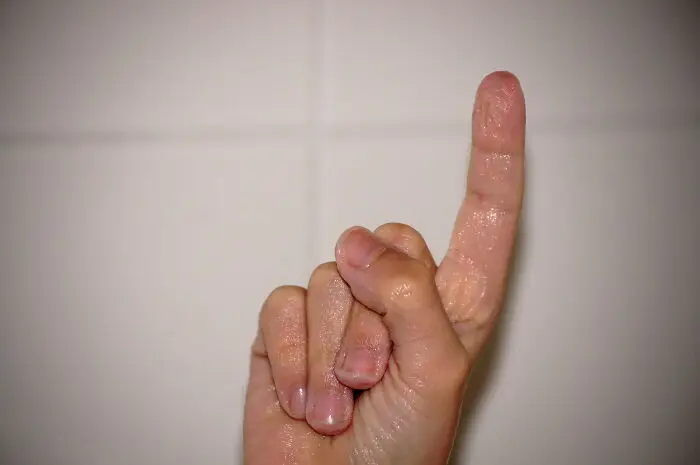
It might look like your skin is soaking up water, but that’s not what’s happening. Scientists have known since the 1930s that people with nerve damage don’t get wrinkly fingers, showing it’s controlled by nerves, not absorption. Tiny blood vessels under the skin shrink, which actually helps us grip wet objects. A 2013 study found people with wrinkled fingers could pick up submerged marbles faster than those with smooth fingers, though it didn’t help with dry objects.
Credits: Sebastian Wallroth
Why Do Cats Love Boxes?
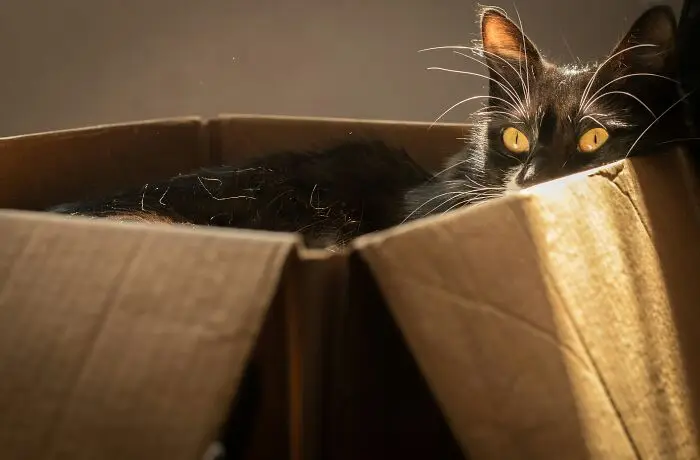
Cats love boxes because they make them feel safe. It’s not just house cats—big cats do it too. Tigers and lions at sanctuaries will climb into any box they can fit in. Being in a snug, enclosed space helps them hide from danger and feel in control of their surroundings.
Credits: Luku Muffin/unsplash
What Are Those Little Black Dots On Car Windows?
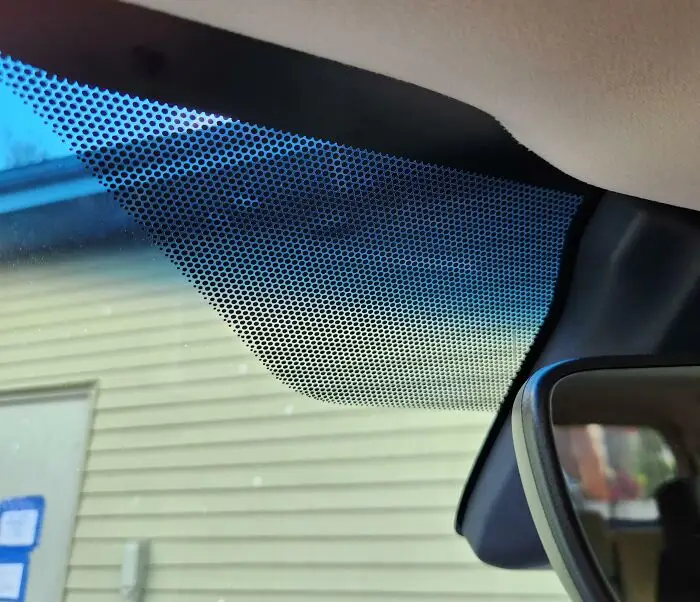
The little black dots on your car’s windshield and windows, and the black rims that surround them, aren’t just there for decoration. The dots date all the way back to the ’50s, when car manufacturers used adhesive to hold car windows in place rather than metal trim. The black trim around the windows (called “frits”) and the black dots are painted onto the glass to hide the not very appealing look of the adhesive. The rims are actually baked into the window, so they hold the glue and window in place. The dots serve as an aesthetically pleasing transition from the thick black line to the transparent window. They aren’t just there to look nice though. They help provide temperature control. When the glass is bent to fit into the frame of the windshield, it’s heated up. The black-painted glass heats up faster than the rest, and the dots help to distribute the heat more evenly and keep the glass from warping.
Credits: prm-reddit
Why Do We Get Hiccups?
Hiccups might be a leftover from our distant, more fishlike ancestors. When we hiccup, the muscles used to breathe suddenly contract while our vocal cords close. Humans don’t really need hiccups, but amphibians use a similar movement to push water through their gills when they’re young tadpoles. In both cases, the brain stem sends the signal that triggers the hiccup.
Credits: Andrea Piacquadio/pexels
Why Do We Always See The Same Side Of The Moon?

From Earth, we always see the same “face” of the moon, which is why we spot features like the “man in the moon.” This happens because the moon is tidally locked with Earth—our gravity keeps its rotation in sync with its orbit. Humans didn’t see the far side of the moon until 1959, when the Soviet Luna spacecraft captured the first photos. The far side looks very different, with fewer lava plains and many more craters.
Credits: Msadler13
How Do Birds Find Their Way During Migration?
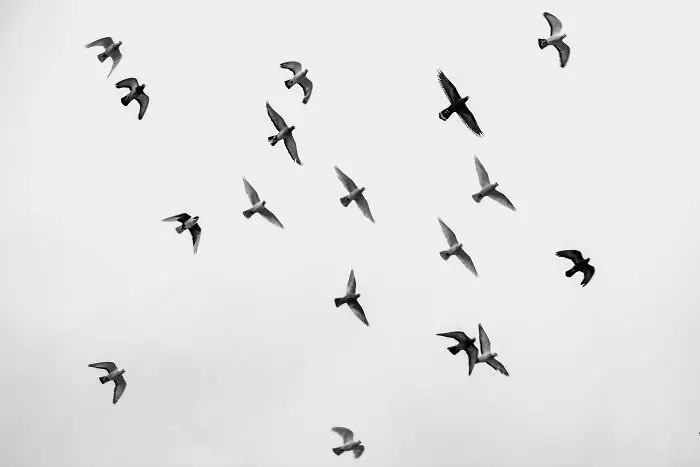
About 40% of bird species migrate each year, some traveling incredible distances—Arctic terns fly around 50,000 miles from pole to pole. Even when moved to unusual starting points, birds can still find their way. Researchers believe some songbirds use a “magnetic map” to navigate, though exactly how they sense Earth’s magnetic field remains a mystery.
Credits: Hadil Hasan/unsplash
Why Is The Wedding Ring Worn On The Fourth Finger?
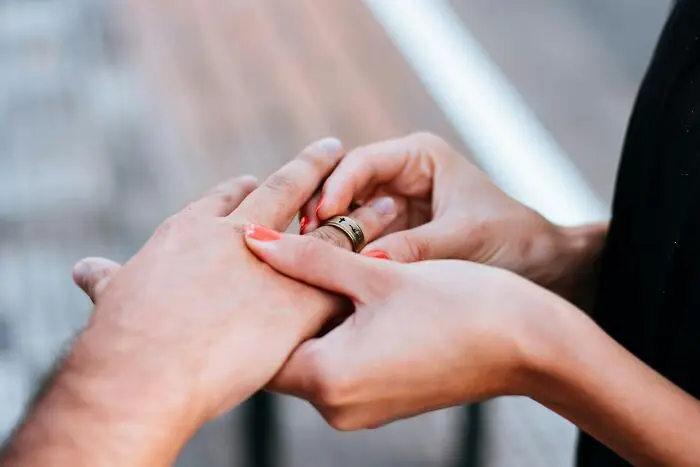
Wearing a wedding ring on the left hand’s fourth finger goes back to ancient Egypt. Egyptians believed a “vein of love” ran from that finger straight to the heart, symbolizing eternal love. The tradition continued with the Greeks and Romans and eventually became the custom we follow today, even though we now know the heart doesn’t work that way.
Credits: Bruno Souza/unsplash
Why Are Jeans Traditionally Blue?
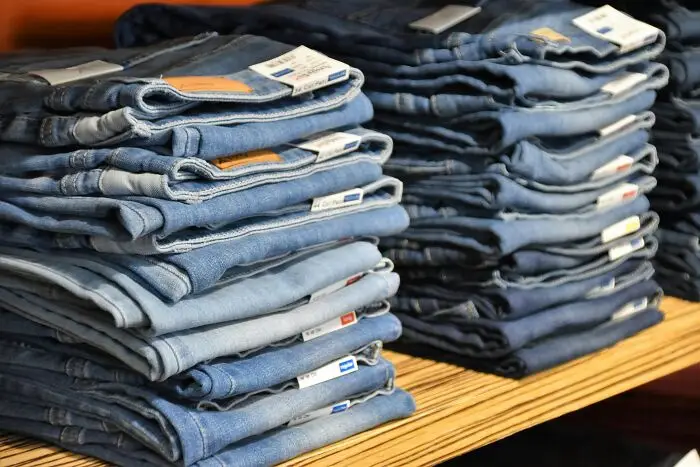
Denim is usually blue because of the natural indigo dye used to color it. Unlike other dyes, indigo sticks only to the surface of the threads. Over time, washing fades the color and softens the fabric, giving jeans their signature worn-in feel. People loved this look and texture, which helped blue jeans become a wardrobe favorite.
Credits: Waldemar Brandt/unsplash
What Were The Tiny Pockets In Jeans Really For?
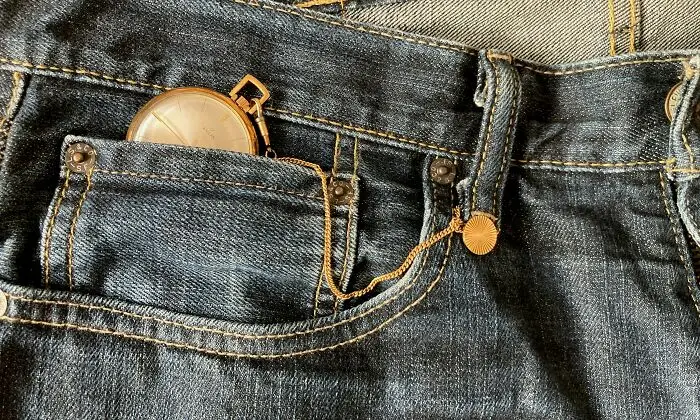
Those small pockets inside jeans aren’t just decorative—they were originally designed to hold pocket watches. Back in the 1800s, men needed a safe place to store their watches, and Levi’s included the “watch pocket” in their first jeans in 1879. Today, the pocket remains a classic detail, even if few people use it for its original purpose.
Credits: Tomas Martinez/unsplash
Why Are Most Passports Only Red, Green, Blue, Or Black?
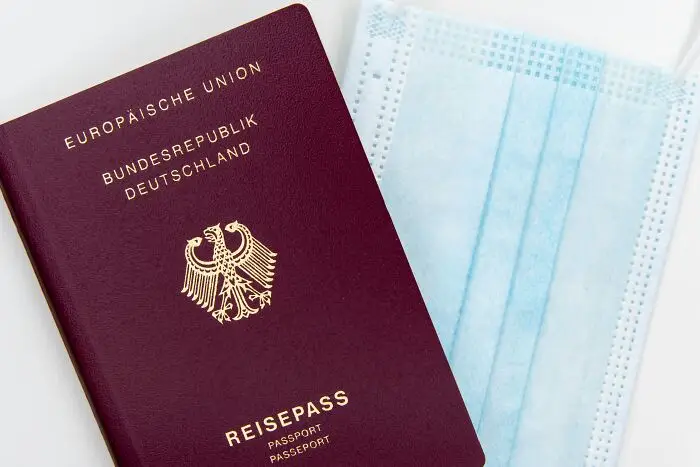
Passports can technically be any color, but most countries stick to dark shades like red, green, blue, or black. These colors look official and hide dirt and wear. While international rules set standards for fonts and layout, they don’t require a specific color—so nations simply choose the shades that are practical and professional.
Credits: Markus Winkler/unsplash
How Can Plants Grow In Space Without Gravity?
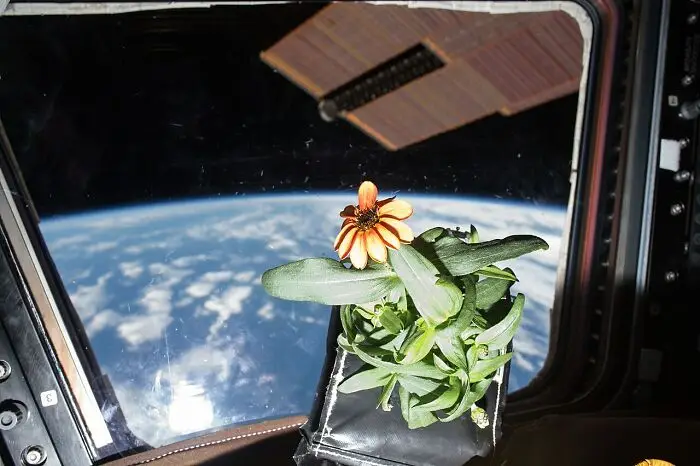
In space, plants can’t rely on gravity, so NASA guides their growth using LED lights. Plants respond to red and blue light, making the growing chambers glow magenta. Each “Veggie” garden is about the size of a carry-on bag and holds six plants in clay boxes that deliver water, nutrients, and fertilizer. So far, astronauts have successfully grown lettuce, Chinese cabbage, mizuna mustard, red Russian kale, and even zinnia flowers in space.
Credits: NASA
Why Some People Are Naturally Left-Handed?

Which hand we prefer comes mainly from our genes. Most people are right-handed because the left side of the brain controls speech and language, making right-hand use more common. However, a gene called the C gene can influence hand preference. People with this gene might be left- or right-handed, so left-handedness still appears in families. Today, around 15% of people are left-handed.
Credits: Kelly Sikkema/unsplash
Why Do Newspapers Turn Yellow Over Time?
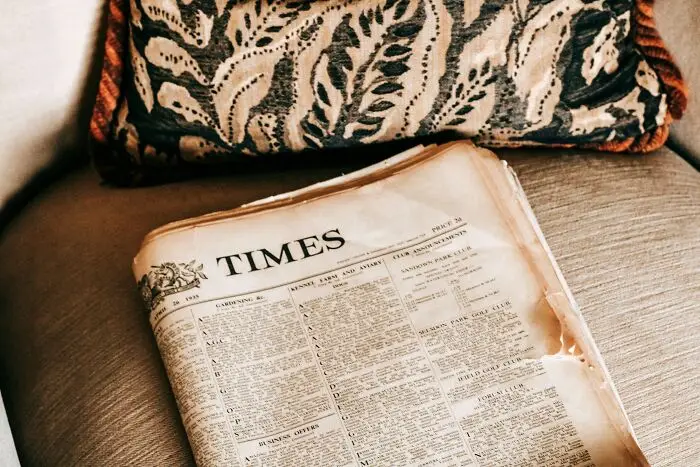
Old newspapers turn yellow because of a chemical process called oxidation. When paper is exposed to air and sunlight, its fibers react and darken, changing from white to yellow. That’s why stacks of vintage papers or magazines gradually take on that familiar aged look.
Credits: balesstudio/unsplash
What’s The Reason Donuts Have A Hole In The Middle?
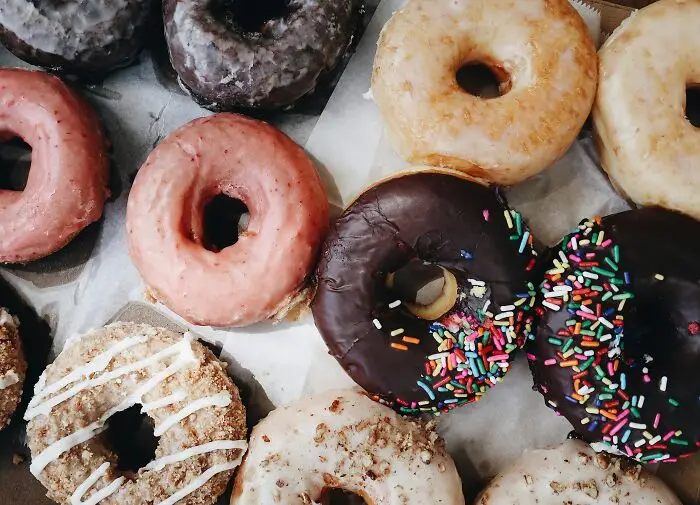
Donuts have holes to help them cook evenly, preventing a raw center. Captain Hanson Gregory claimed to have invented the ring-shaped donut in 1847 while traveling on a ship. Another theory is that the hole made donuts more visually appealing in bakery displays, similar to how bagels were shown.
Credits: Anna Sullivan/unsplash
Why Do Humans Even Have An Appendix?

The appendix is a small pouch near the start of the large intestine that usually only gets noticed when it causes problems. For a long time, people thought it was a leftover organ with no real purpose. Recent research shows that many mammals, like koalas and beavers, have appendixes too. Scientists now believe it may help the immune system by storing healthy gut bacteria to keep the digestive system balanced.
Credits: cottonbro studio/pexels
Why Do We Celebrate Birthdays With Cake?
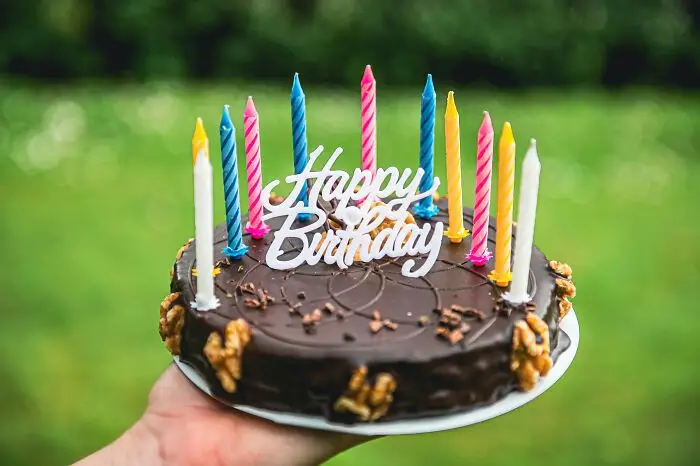
The tradition of birthday cake comes from ancient times. Egyptians celebrated pharaohs’ “birth” as gods, and the Greeks added sweet, moon-shaped pies to honor Artemis, the moon goddess. They even lit candles to make the cakes glow like the moon. Cakes became widely popular only around the Industrial Revolution, when ingredients like sugar and flour became easier to get, turning birthday cake into the treat we enjoy today.
Credits: Imants Kaziļuns/unsplash
Why Do U.S. Presidents Only Serve Two Terms?
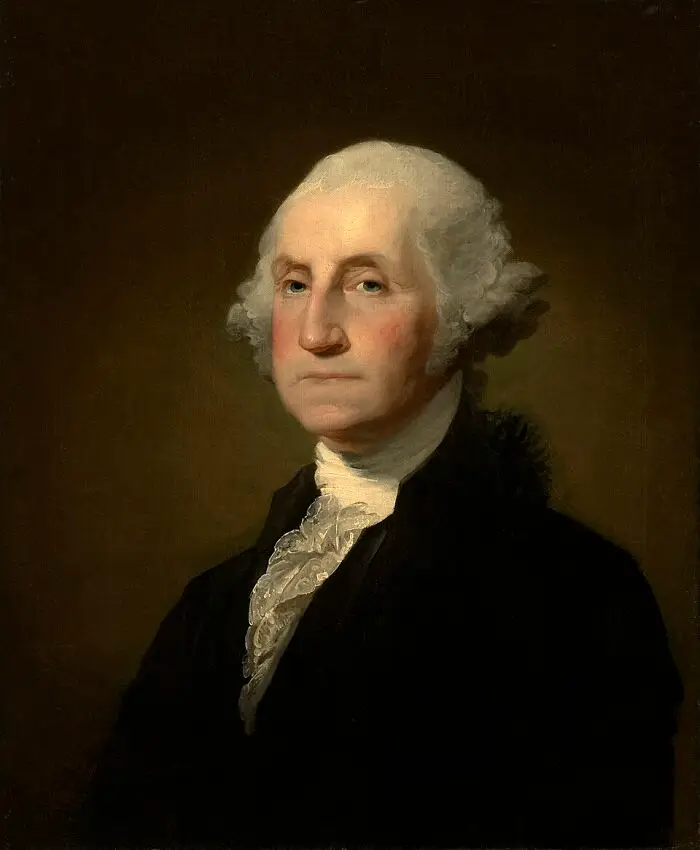
The two-term limit started with George Washington, who chose not to run for a third term. He worried that serving longer might make Americans see the presidency as a lifetime position, which he thought would set a bad precedent. His decision became tradition, and in 1951, it was officially written into the Constitution as the Twenty-Second Amendment, which all presidents have followed since.
Credits: Gilbert Stuart
How Did Blue Become For Boys And Pink For Girls?

It wasn’t always this way. In the early 1900s, pink was actually considered a stronger color and often suggested for boys, while blue, seen as softer, was used for girls. A 1927 Time magazine chart and a 1918 trade publication even recommended this. It wasn’t until the 1940s that manufacturers started marketing pink for girls and blue for boys, and the choice could easily have gone the other way.
Credits: Abdul Haseeb M M/unsplash
Do Left-Handed People Prefer Their Left Foot Too?

Being left-handed doesn’t always mean someone is left-footed. Right-handed people usually have their hands, feet, and even eyes aligned, but left-handed folks are less predictable. Interestingly, in board sports like surfing or skateboarding, left-footed riders are called “goofy” because they put their right foot at the front of the board.
Credits: Japheth Mast/unsplash
Why Do People Have To Say “Cheese” In Photos?

Saying “cheese” naturally stretches your lips and shows your teeth, making it easier to get a smile in photos. The trick helps groups of people smile at the same time. The practice dates back at least to the 1940s, when it was mentioned in a Texas newspaper.
Credits: Ailbhe Flynn/unsplash
Why Does A Seashell Sound Like The Ocean When You Hold It To Your Ear?

The sound of waves in a seashell isn’t the ocean itself. The shell’s curved shape traps and reflects the quiet noises around you, like air moving and tiny background sounds, and amplifies certain frequencies. That’s why it seems like the sea is inside the shell. Audiologist Shruti Deshpande explains that other hollow objects, like empty bowls or bottles, can create the same effect, showing it’s all about echoes and how sound moves.
Credits: Steve Adams/unsplash
Why Are School Buses Painted Yellow?

The bright color of school buses, officially called “national school bus glossy yellow,” was chosen for safety. In 1939, transportation officials from all 48 states met at a conference funded by the Rockefeller Foundation and agreed on standards, including the color. Yellow is highly visible in dim light, and black letters stand out clearly against it. By 1974, every school bus in the U.S. met these safety standards.
Credits: User
Where Did The Easter Bunny And Eggs Come From?

The Easter bunny comes from an old Anglo-Saxon story about the fertility goddess Ostara. According to legend, she turned a bird into a rabbit, which then laid colorful eggs as gifts for children. How this tradition became part of Easter isn’t entirely clear, but it first appears in 16th-century German writings. German Lutherans later brought the Easter bunny tradition to the United States in the 1700s.
This article was created with the assistance of AI and reviewed by our editorial team.
Credits: © Superbass / CC-BY-SA-4.0 (via Wikimedia Commons)
You might also like: Life lessons: 29 truths people wish they knew in their twenties
Follow Bored Panda's daily dive into internet culture on MSN for more curious finds, quirky content, and offbeat observations.