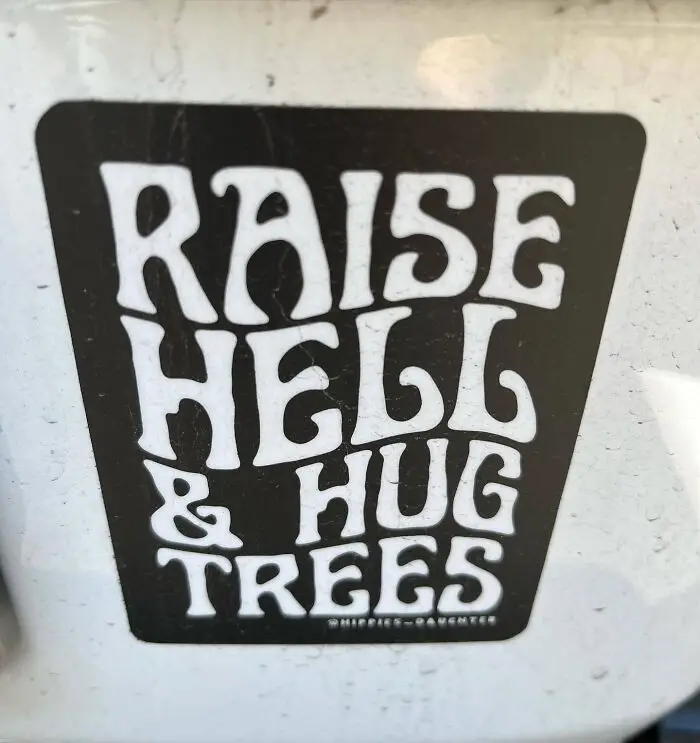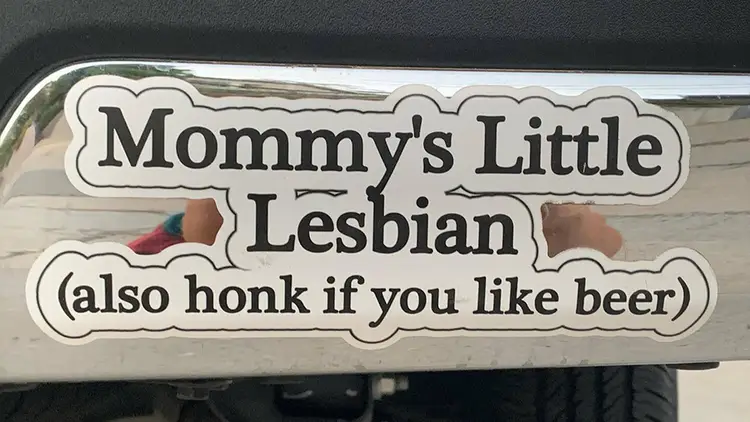


This post may include affiliate links.
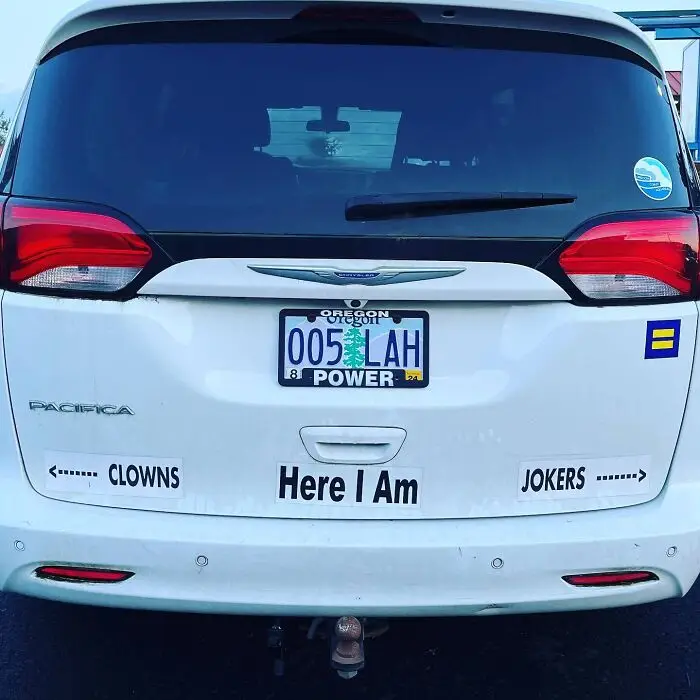

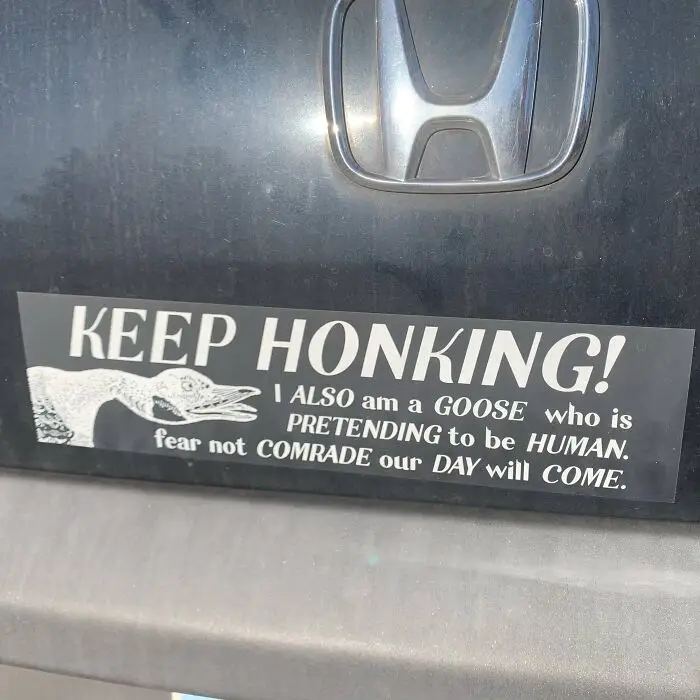
Have you ever given your car a name, pandas? Perhaps you've hung a little souvenir from the rearview mirror, added a sticker of your favorite football team, or decorated the dashboard with tiny figurines.
For many people, a car is more than just something that gets them from one place to another. Considering how much time we spend inside our vehicles, it's understandable that we'd want to make them feel a little more personal.
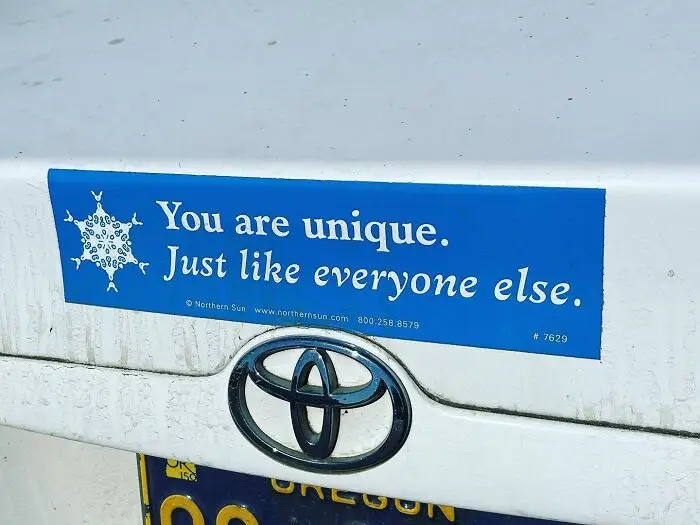
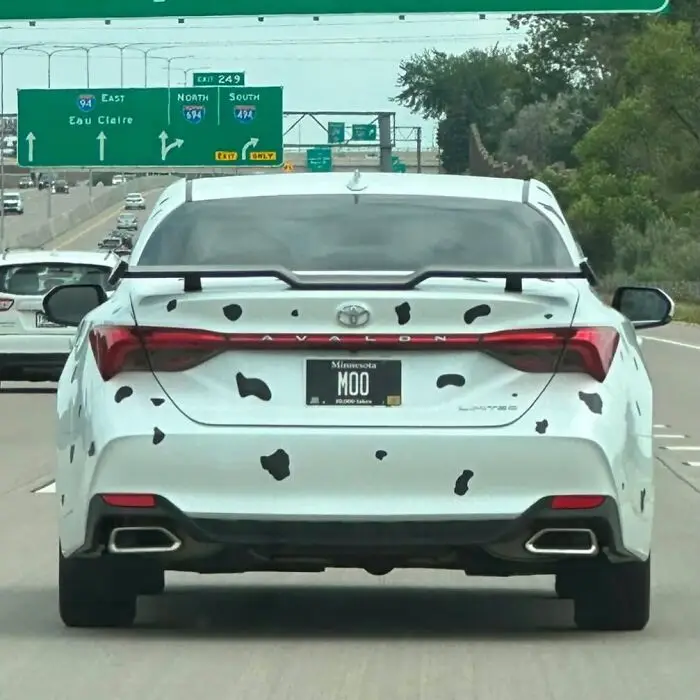
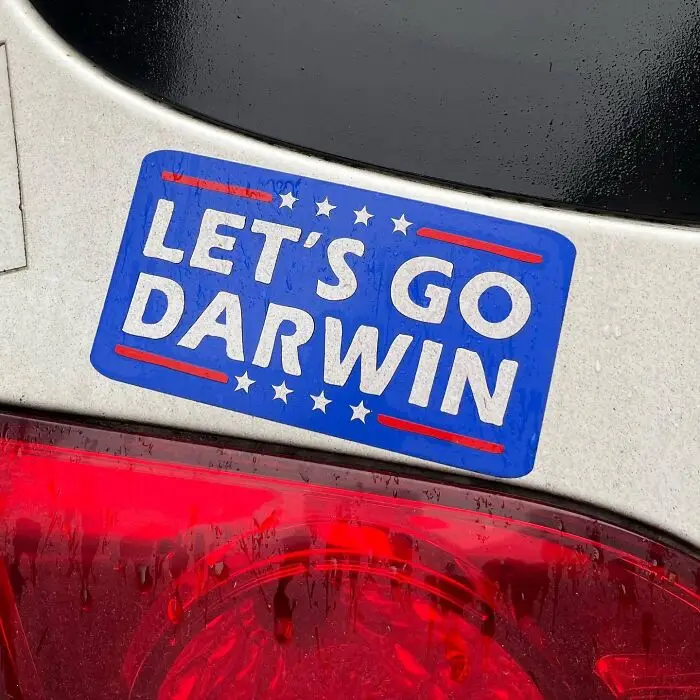
Interestingly, a 2019 survey conducted by YouGov for CarMax, involving 2,680 American adults, revealed that 60% of car owners had displayed a bumper sticker on their vehicles.
Furthermore, 67% of respondents enjoyed reading stickers on other people's cars. And among those who had displayed one, 63% had no regrets about doing so.
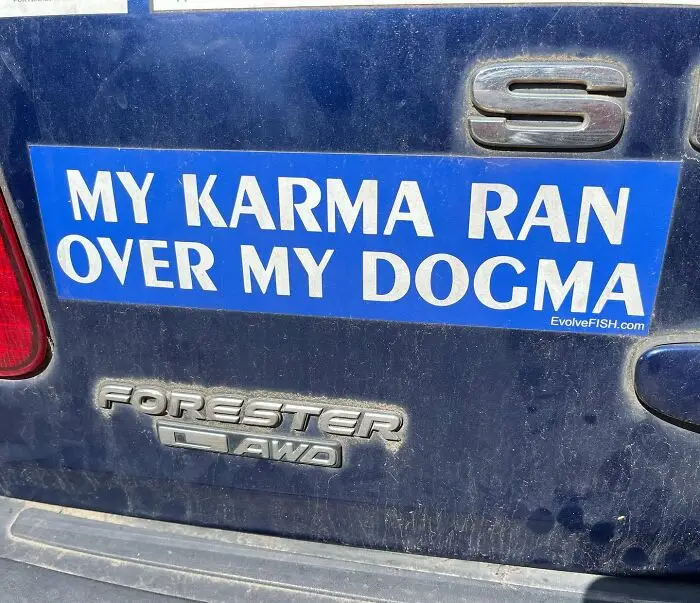
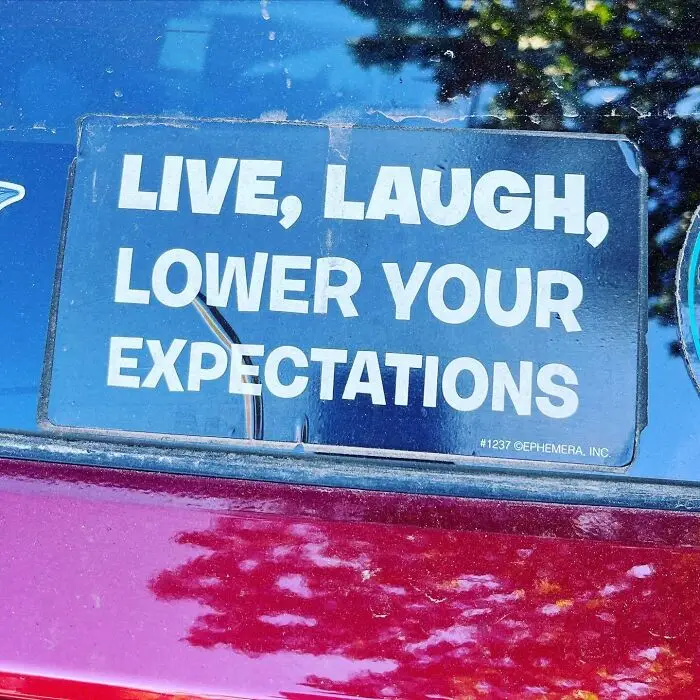

But what exactly motivates people to put these stickers on their cars? Well, half wanted to express something about their personalities, values, or interests.
Meanwhile, 25% wanted to connect with like-minded individuals, and 22% hoped to start conversations about things they cared about. Think about it. If you're a huge fan of a particular band and spot someone with its logo on their car, you might immediately feel that you have something in common with them.

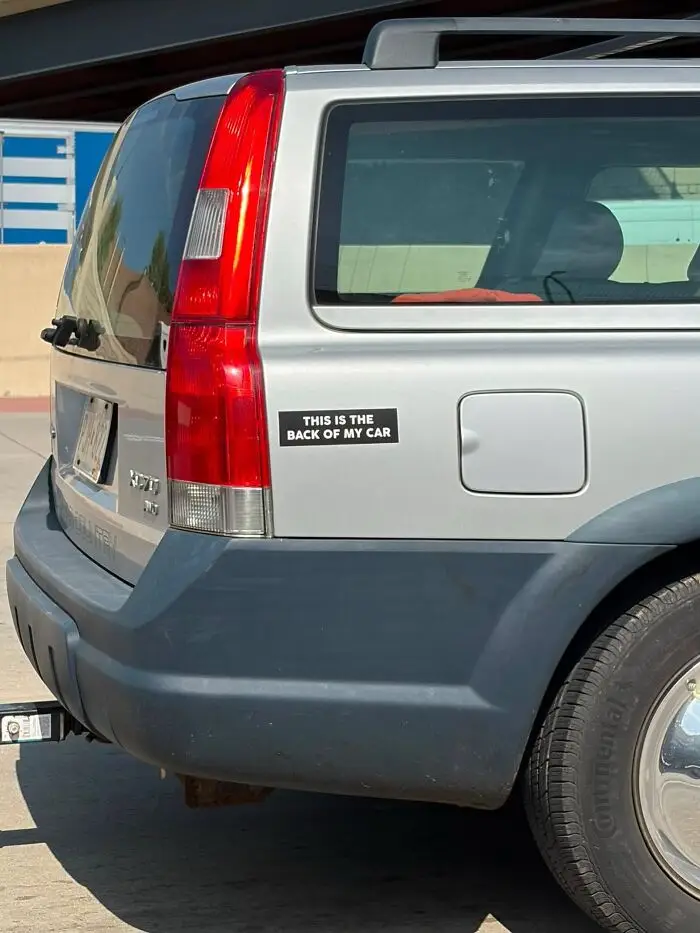
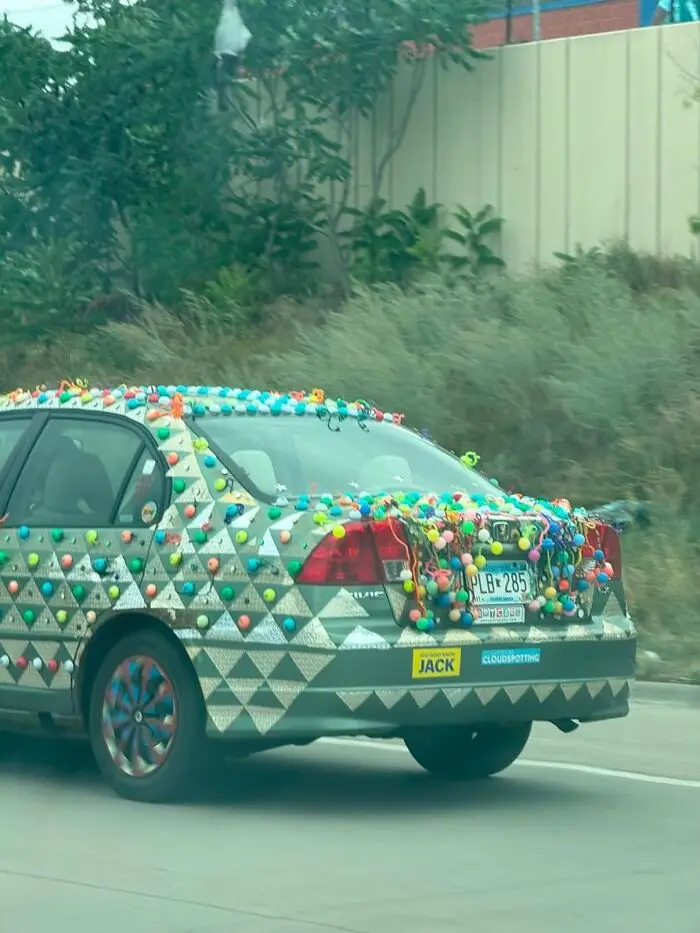
Interestingly, funny sayings weren't the most popular choice among respondents. Political causes and candidates topped the list at 32%, followed by sports at 24%. Stickers supporting military personnel and veterans accounted for 20%, while funny sayings and education-related stickers each stood at 17%.
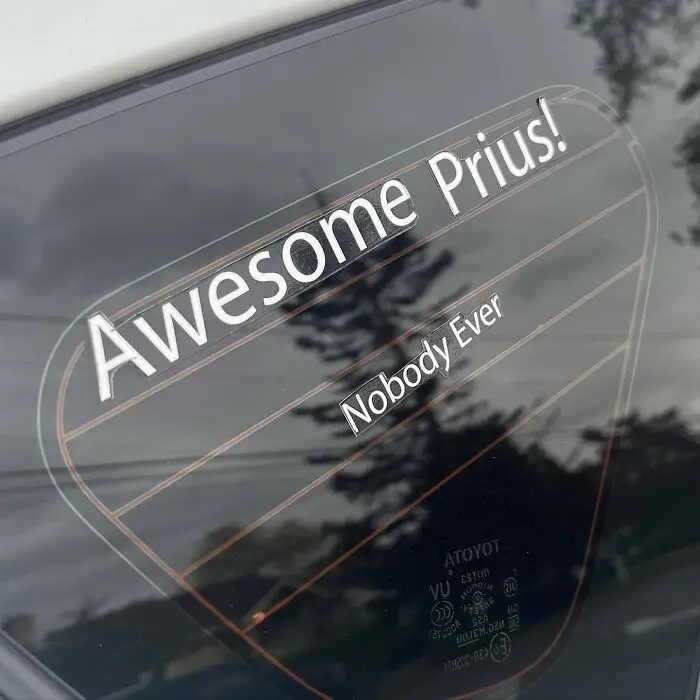
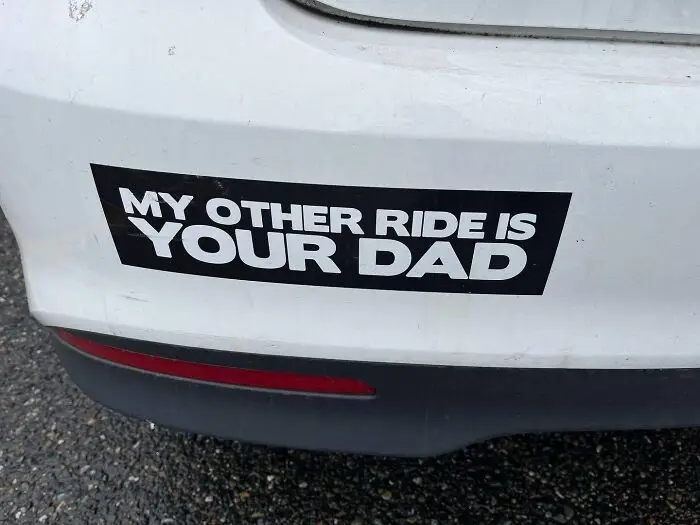
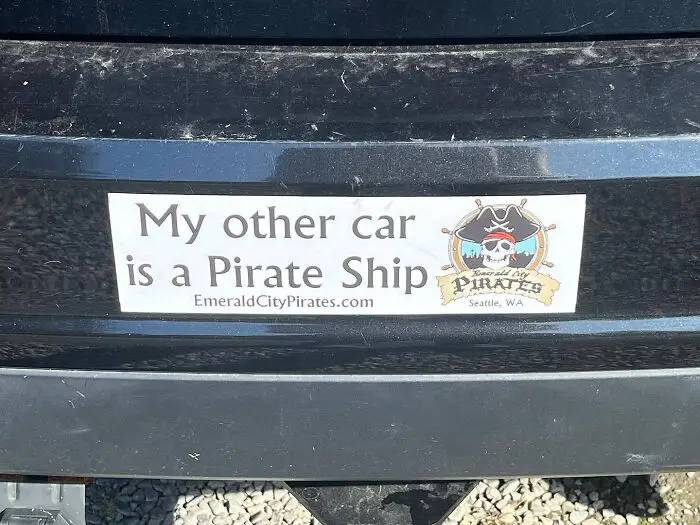
But can something as simple as a sticker change how people perceive us? Researchers at Ulm University explored this question in a 2021 study. They collected information about car decals across 29 cities in eight countries and identified 17 common themes.
In a subsequent experiment involving 64 participants, they found that people made assumptions about drivers based on the stickers displayed on their vehicles. For instance, American participants perceived drivers with family-themed stickers as more cautious and safer than those without them. However, perceptions of the same stickers varied across countries.
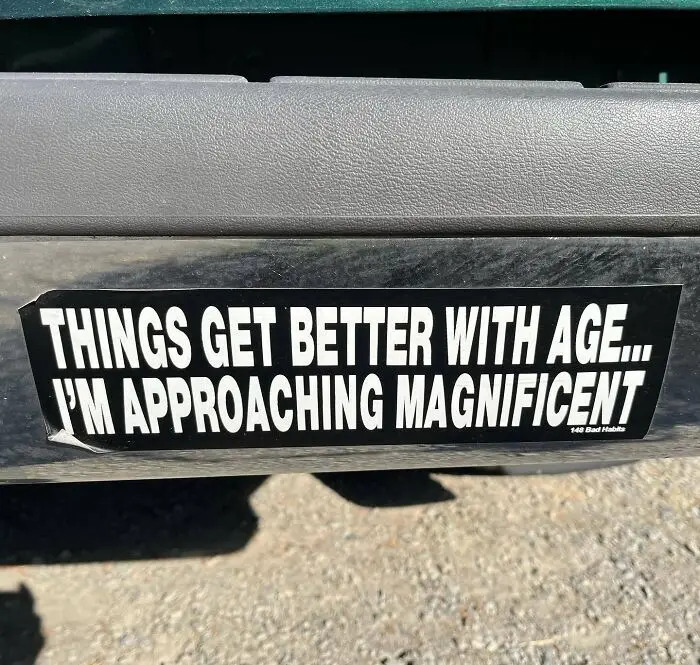
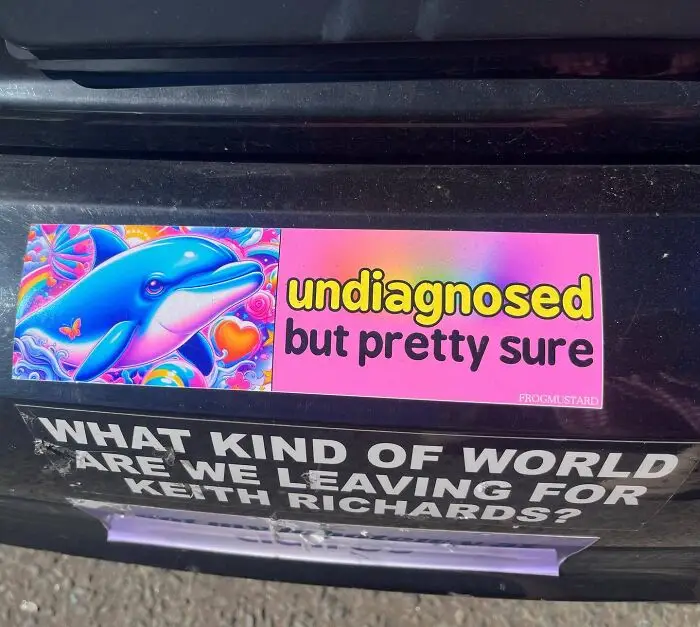
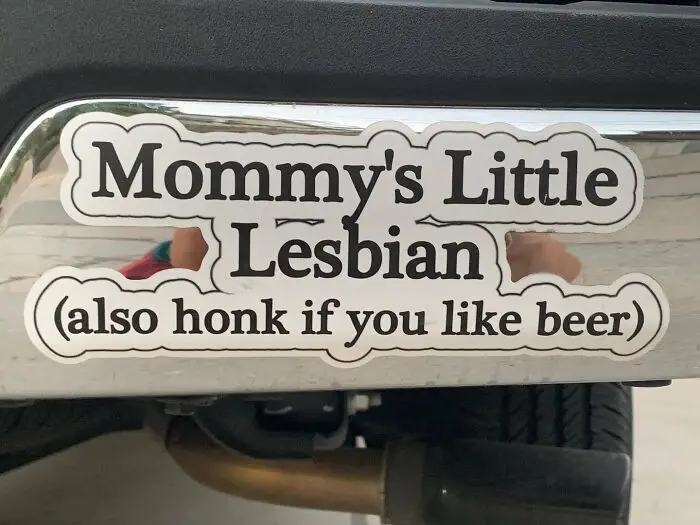
There's another interesting side to personalizing vehicles. A 2008 study published in the Journal of Applied Social Psychology found an association between aggressive driving, people's attachment to their cars, and the number of personal markings on their vehicles.
Researchers explored how drivers might view their cars as personal territory. When you're particularly protective of your vehicle, another driver getting too close might feel like an invasion of personal space. Of course, this doesn't mean that everyone with a bumper sticker is an aggressive driver.