





Okay, everyone, lift your hands up if you think eating healthy is expensive? Just look at those bio protein bars that cost an arm or a leg or take a cleansing smoothie that’s basically a farewell to your weekly rent. With takeaway meals priced as low as $1, no wonder we think of legumes and stuff as somewhat of a modern world’s luxury.
But one pro chef who goes by the Reddit handle u/Aichliss has done everyone a public service and listed all the ways to hack the grocery store. Point by point, the chef listed game-changing things we should all know before and while shopping in order to eat cheap, healthy and well. As you suspect, there's no ready-made frozen chicken curry in there.
So get your notebooks, everyone, we are about to do groceries, but the smart way. Like proper adults.

Image credits: aichliss
#21 Fruits And Vegetables
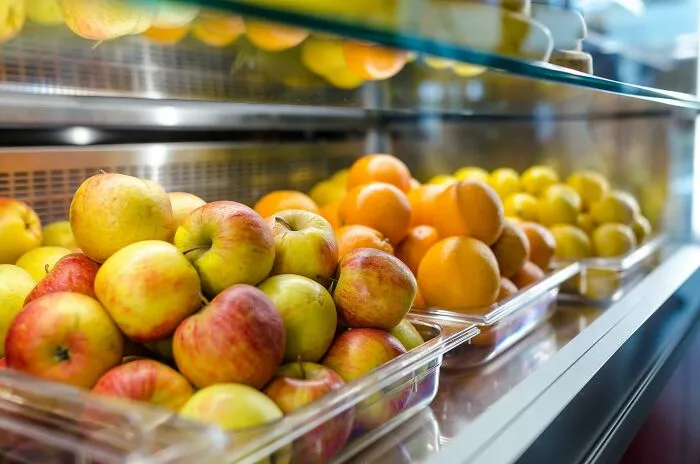
Go for it, these things are nutrient bombs and they’re delicious. Buy them seasonally for the best value and if you have a day to do so, preserve them if you ever see a huge sale. I’m still enjoying lacto-fermented blueberries from last year’s insane blueberry harvest where I could buy a pint for a dollar.
39points
#22 Fruits And Vegetables: Canned Stuff
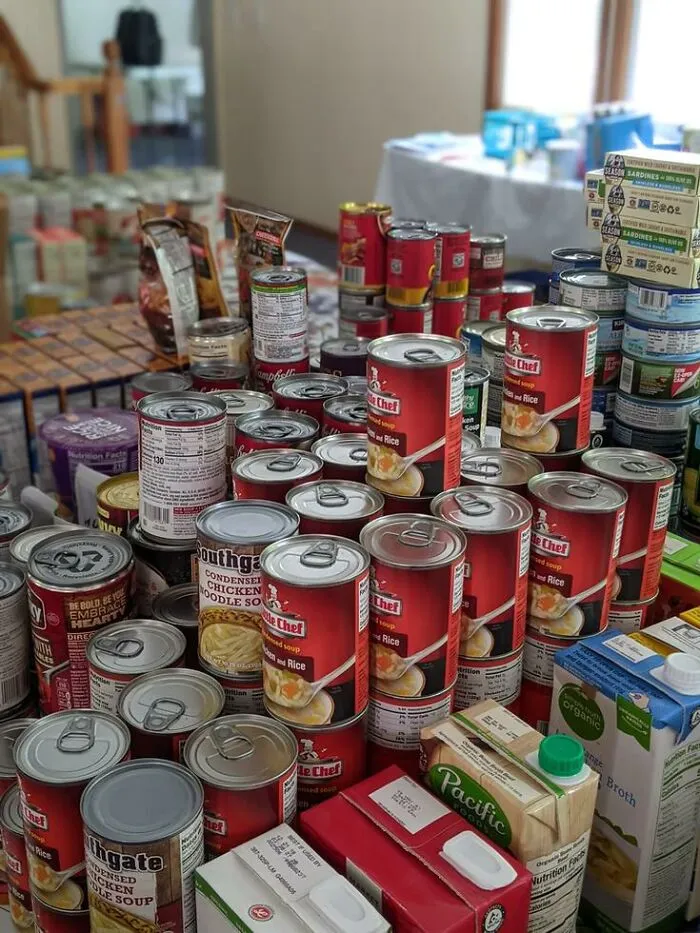
I generally have a personal aversion to all canned veggies and fruits except tomatoes, but that’s just my privilege speaking. If you want to buy them or if fresh produce is hard to come by, avoid getting anything with added salt or sugar. Cross-reference the nutrient info on the can with info from a fresh counterpart to avoid buying filler garbage, and try to find somewhere to live with better food accessibility. Alternatively, save up and make a killing by opening a fruit and vegetable market to remove the need to read this very ling post any further. (This is a joke and I recognize the struggle of those in impoverished communities with awful food accessibility.)
37points
#23 Fruits And Vegetables: Potatoes
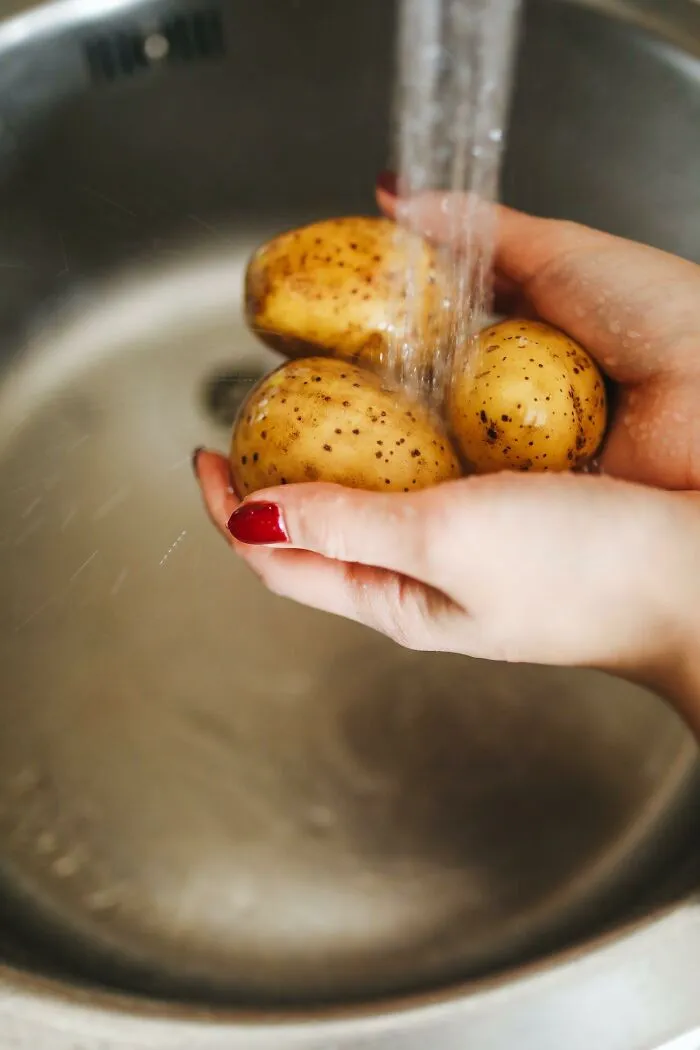
Treat these as a starch option similar to grains or cereals. Buy them unprocessed, in a sack. Store them in dry, enclosed spaces.
32points
#24 If You Do Buy Fish Or Seafood

All the rules for proteins apply. Fish bones and crustacean shells for stock, fat deposits on the occasional salmonid for whatever you want, and fish skin, if it’s your cup of tea, for a lovely snack. Hell, fish organs and salt make up the base for a fermented fish sauce, if you really want to go the extra mile. Rome survived off of fish sauce and bread for longer than our society has been around. The one big difference between fish and meat is that frozen fish tends to suck relative to fresh in a much bigger way - both in terms of quality and retained nutrients. Put frozen fish in soups or curries, to avoid nutrient drain from the water that inevitably will leak out of your fish.
17points