





#1

Obviously, we all looked over to see what was going on. The co-worker in question gave a resigned sigh and took off his glasses and closed a copy of 'Twilight: New Moon'.
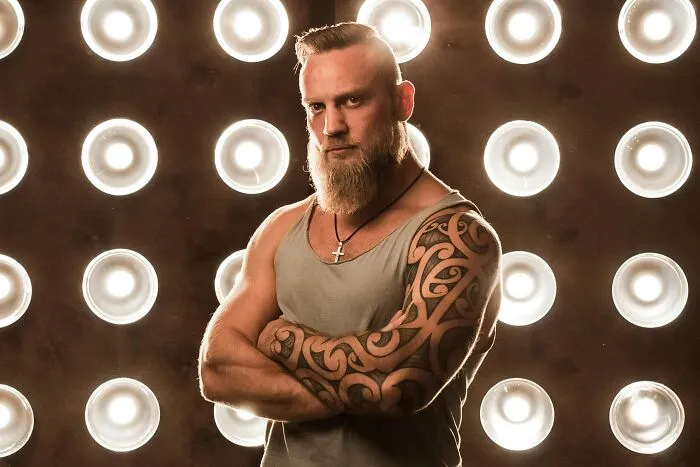
Keep in mind, this guy was the most stereotypical, male-coded man's man you had ever met. Middle aged, 6'2" with a marine corps tattoo on his shoulder and wearing double pleated cathart jeans, covered in soothing.
When he was asked why he was reading a romance book for teenage girls, he gave the following explanation:
"My son's are easy. They love bow hunting hunting, working on trucks and all the stuff Ilike. My daughter hates all of that, but she loves this." (He says while pointing at the book) "I want to spend time with her, I want to know what she likes and to be able to have something to talk about with her, so Im reading what she is reading."
Everyone around him grunts and nods in acceptance. Nobody teases him, nobody gives him anything about it.
To this day, that lives in my head as in of the best examples of fatherhood and positive masculinity I have ever seen.
Edited: fixed some spelling mistakes.
#2

#3

The meaning of being a man has changed throughout history, shaped by the needs and expectations of different societies. According to The Conversation, masculinity has often been associated with roles such as providing for a family, protecting a community, working, fighting in wars, and holding positions of authority.
Over time, these expectations became so deeply rooted that they were often treated as natural characteristics of men rather than standards created by society. In many cultures, manhood has also been viewed as something that must be continually demonstrated through courage, self-control, financial independence, and the ability to lead. These expectations help explain why some men feel pressured to prove themselves rather than simply express who they are.
#4
#5

Then there is the guy filming the interaction, an Irish guy who calls them out with a "do you know her? You are all sitting on top of her in a completely empty car..."
Him confronting their creepy behavior and ensuring her safety, and asking NOTHING in return. She didn't call out for help, he just noticed she was uncomfortable and he took action to fix it.
That's positive masculinity right there. He got the creepy guys to get lost, no one injured, everyone safe.
#6
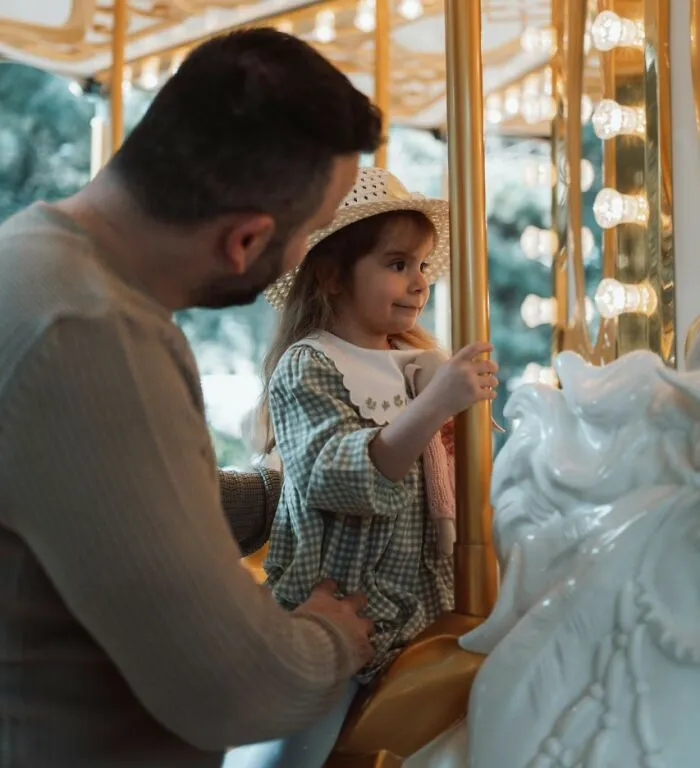
The last time I was there, I'm getting into one of the escape pods with a dad and his young kid. I'm not great at determining ages, but I'd guess he was 7 or 8? The dad was so kind. Normally I hear parents being totally dismissive, "Don't be scared, it's just a ride," that kind of thing, which is not helpful to a terrified kid.
This dad was different. When we got into the pods, he was explaining the ride and how his kid could tune out if he got overwhelmed. Something like, "It can be loud, so plug your ears and close your eyes if you need to. And if you get scared, that's okay. I'm right here, and I won't let anything happen to you." It was such a lovely message and the kid did great! Occasionally during the ride, he'd look at his dad for reassurance, and overall seemed to have a fun time!
I love this kind of positive masculinity. None of this, "tough it out, don't be scared," stuff, but "if you get scared, here's what to do and remember I'm here to keep you safe." I think it's a message that's great for any kid, but especially boys. They need to know they're allowed to have big feelings and learn how to deal with them. I think that dad demonstrated it all brilliantly in just a few sentences.
In many agricultural and early modern societies, a man's worth was closely tied to his ability to provide for and protect his household. Religious ideals also emphasized discipline, moral responsibility, and duty, reinforcing the image of men as the heads of their families.
While these qualities can encourage dependability and a strong sense of responsibility, they can also create unrealistic expectations when a man's value becomes dependent on his income, authority, or ability to remain composed in every situation.
Men who struggle financially or experience uncertainty may feel that they have failed to meet society's standards. Similarly, boys who are naturally sensitive or prefer expressing their emotions may face ridicule for not fitting conventional ideas of masculinity. Such pressures can make it difficult for men to recognize that there is more than one way to be strong or responsible.
#7
#8
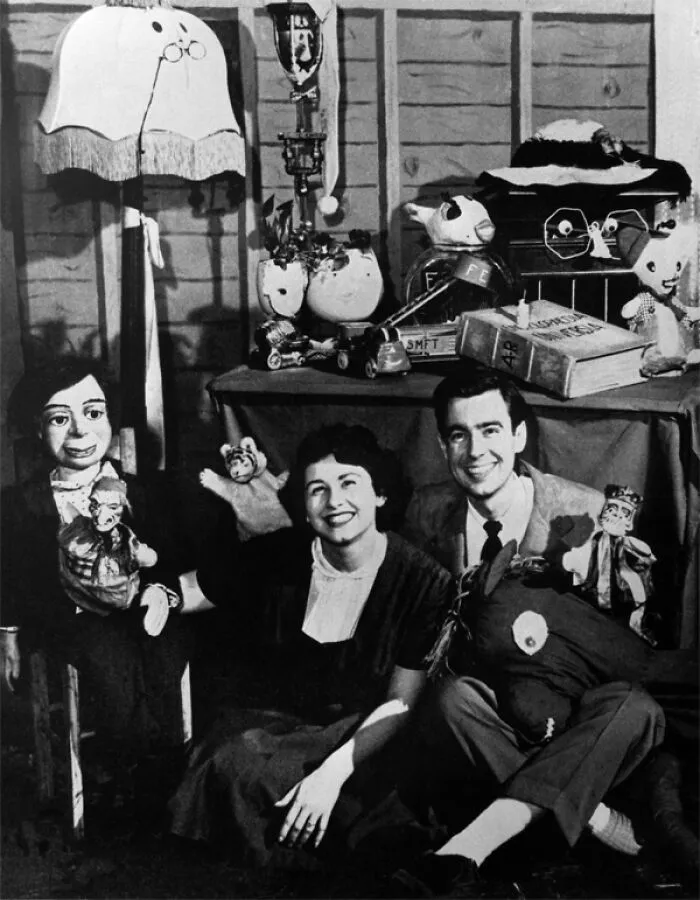
Bob Ross (love yourself)
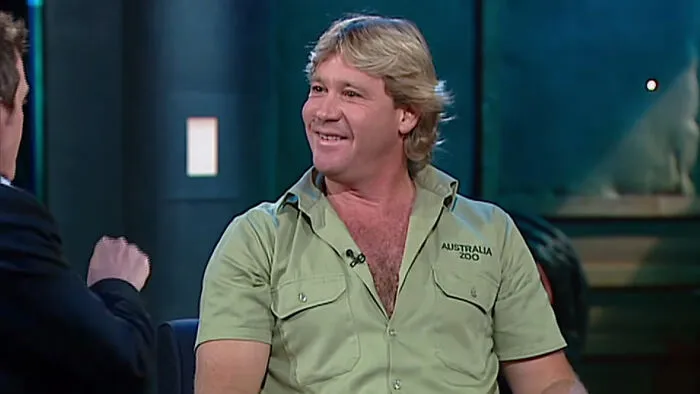
Steve Irwin (love animals)
The holy trinity of positive masculinity where the entire world would be a wildly different and better place if our leaders emulated what they taught.
E: to add some good replies
Carl Sagan (love curiosity)
Jim Henson (love puppets/whimsy)
Rick Steves (love the world).
#9
When these expectations become rigid and discourage vulnerability or encourage dominance, they can develop into what Verywell Mind describes as toxic masculinity. The term does not suggest that masculinity itself is harmful, but rather that certain attitudes associated with manhood can have damaging consequences when enforced as strict rules.
Qualities such as resilience, ambition, and self-reliance can be valuable, but they become problematic when men are expected to hide their fears, refuse help, or prioritize winning over everything else. The pressure to appear tough at all times can also discourage men from showing tenderness or admitting that they are struggling.
Instead of allowing men to develop a healthy range of emotional responses, these expectations can leave them feeling that they must constantly demonstrate their strength to earn respect.
#10
#11
#12
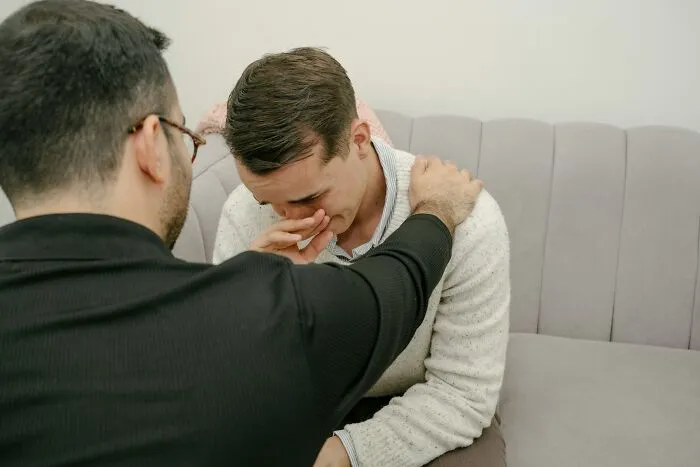
I’m excited to see how much more I evolve in the coming years before my wife and I have a kid, and I can’t wait to break the cycle and provide a better example of masculinity than I was given.
One of the most significant consequences of these rigid expectations is the way they can affect emotional well-being and relationships. Boys may learn early on that anger is an acceptable response to difficult situations, while sadness, fear, and insecurity should be kept private. Over time, suppressing these emotions can contribute to loneliness, stress, and depression, while making it harder to seek professional support when needed.
Unexpressed feelings may also emerge as irritability, withdrawal, reckless behavior, or aggression. Toxic masculinity can further encourage men to measure their worth through wealth, physical toughness, or their ability to exert power over others.
When dominance becomes the main measure of manhood, relationships can turn into competitions for control rather than partnerships built on mutual respect. These attitudes can affect women, children, and other men who do not conform to traditional gender expectations, making it important to reconsider which behaviors society chooses to reward.
#13
#14

#15

Humbly, kindly, calmly, and non-violently trapping criminals with conversation, persistence, and a little trickery
Also Captain Picard and DS9 Worf.
A healthier approach to masculinity does not require men to abandon traditionally valued qualities such as courage, leadership, confidence, or protectiveness. Instead, positive masculinity involves expressing these strengths without using them to control or diminish other people. The distinction lies between having the confidence to act independently and feeling the need to dominate others.
For example, a man who intervenes when someone is being harassed demonstrates courage and concern for another person's safety, while someone who participates in the harassment to gain approval reinforces harmful social expectations. The American Psychological Association recognizes that qualities such as strength, leadership, and assertiveness can be beneficial, while rigid masculine norms, particularly those discouraging help-seeking, can negatively affect men's well-being.
#16
#17
#18
This broader understanding of manhood also highlights the importance of empathy, accountability, and respect. Being a positive role model does not mean never making mistakes or always knowing how to handle difficult situations. It means being willing to acknowledge when something has gone wrong, take responsibility for one's actions, and make a genuine effort to improve.
It also involves respecting other people's boundaries, accepting rejection without hostility, and recognizing that kindness does not entitle someone to anything in return. Men can demonstrate these qualities in ordinary situations, whether by listening patiently to a friend, supporting a partner's independence, sharing household responsibilities, or allowing other men to express their emotions without ridicule.
#19
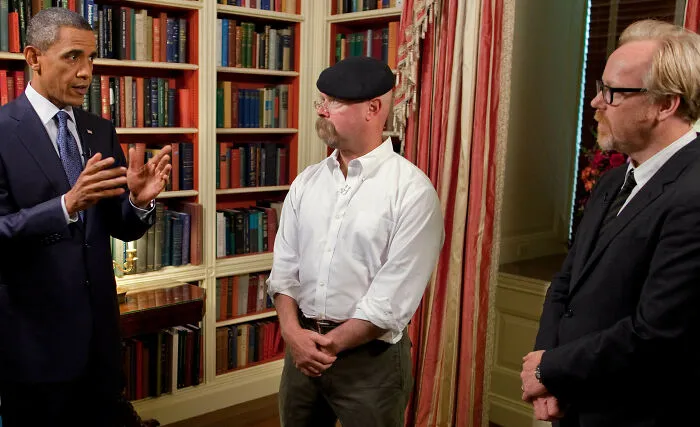
Famously, Jamie and Adam didn’t get along as anything more than colleagues/co-stars, but deeply respected each other, despite their personalities clashing.