


"If your dog is frightened of strangers, you can try and desensitize them, starting with introducing new people at a distance where your dog feels safe and associate this with something great, like a favorite treat. This can be a very gradual process, and it’s important to always allow your dog the choice to move away from a situation that makes them uncomfortable,” she said.

"We recommend always asking a certified pet behaviorist for advice with this as it is easy to accidentally make fear of strangers worse. It’s important to slowly introduce any dog to any new people, animals, places, and experiences in a positive way to help keep them happy and confident."
Earlier, PDSA Vet Anna Ewers Clark stressed that not all dogs will feel as enthusiastic about us as we might do about them.
“Lots of us light up when we see a furry friend on our travels and our first instinct is to try to become friends, but our canine companions might not always feel the same way about us. Before approaching any pooch, the most important thing to remember is to check with the owner first. Not only is this polite, but the owners will also know a lot more about their beloved pet’s behavior than you do,” she warned.
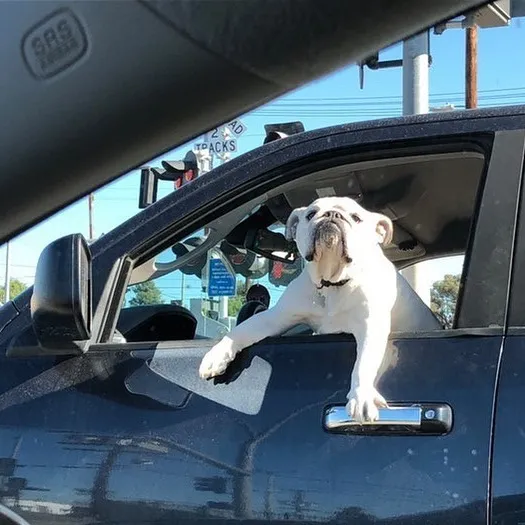

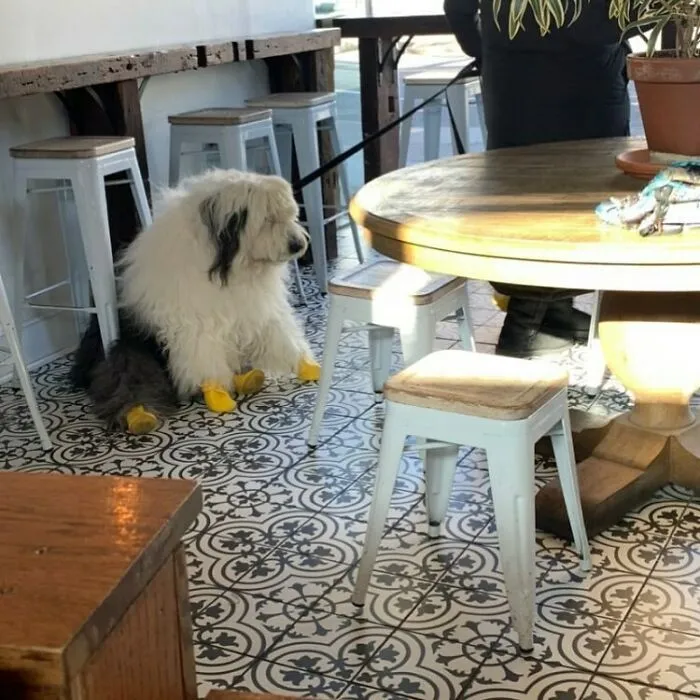
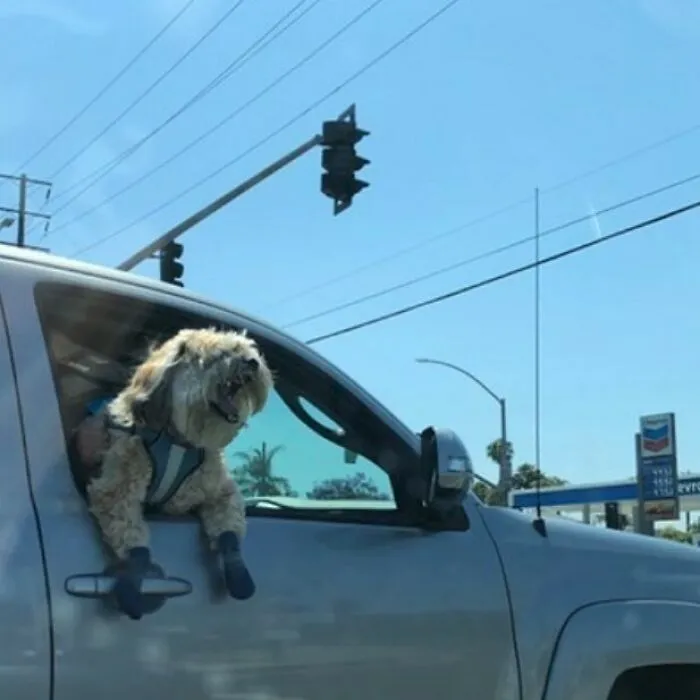
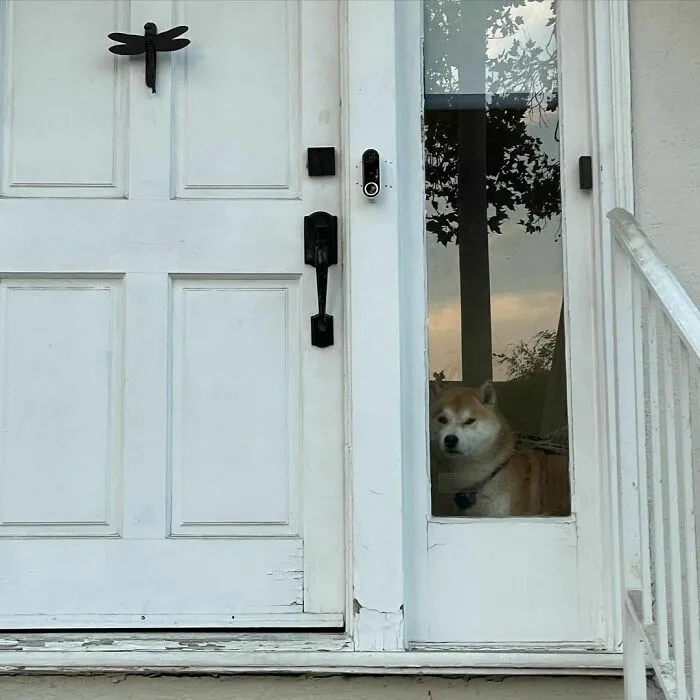
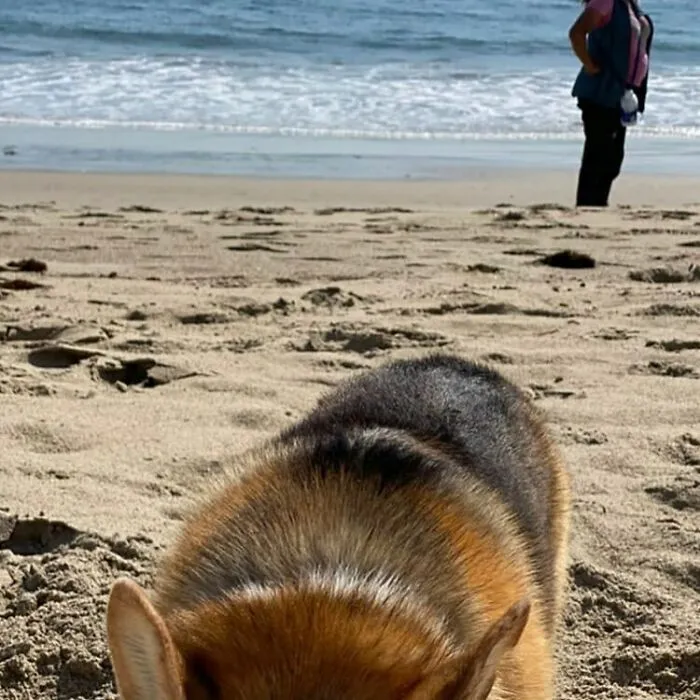
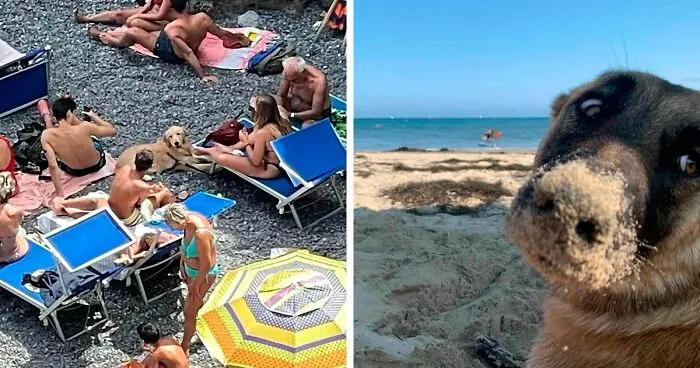
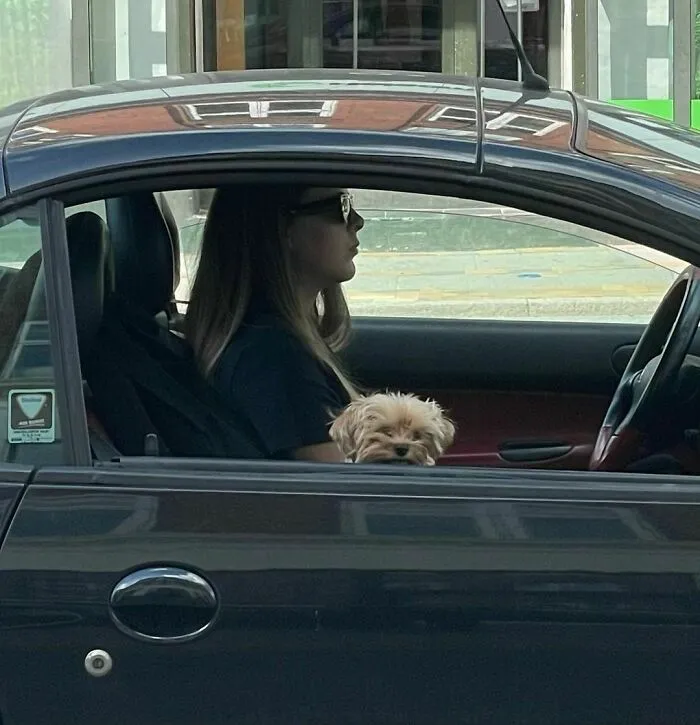
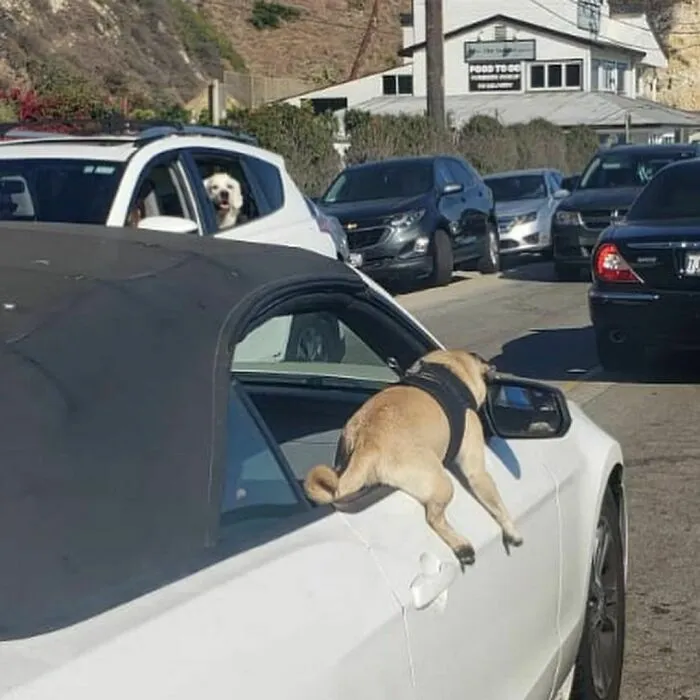
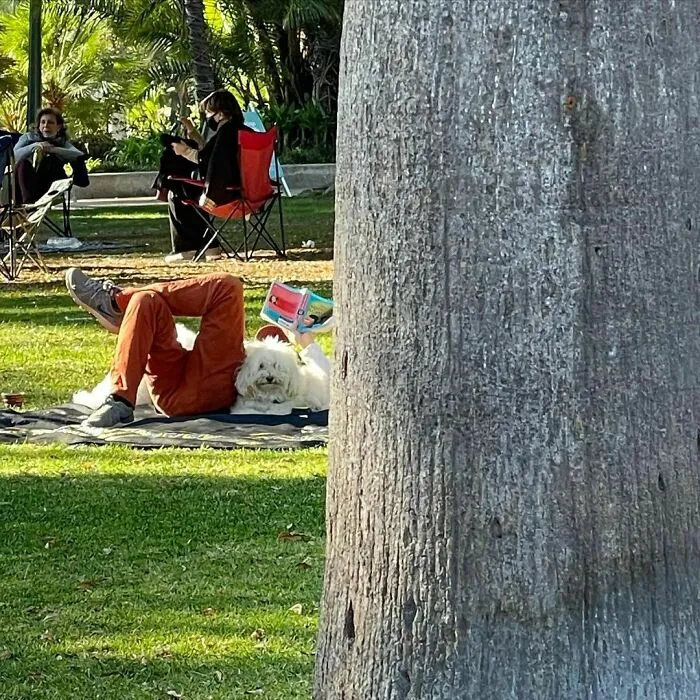
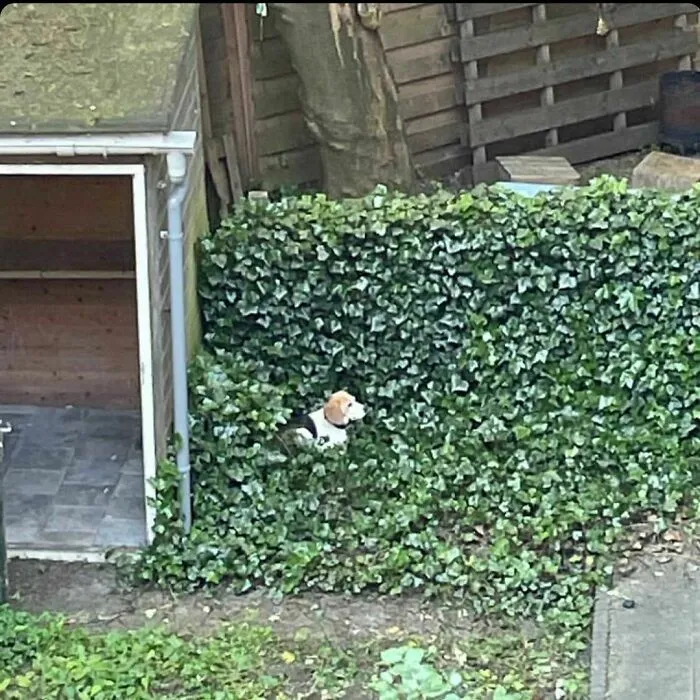
According to the pet health specialist, some canines might have certain phobias and fears that strangers simply won’t know about. In these cases, you’ll have to stick to admiring the dogs from afar (or even taking a poorly framed photo).
“Other dogs may be over-enthusiastic and might jump up or lick you if their owner isn’t prepared. With these dogs, you might be able to do some positive training by talking to the owner and rewarding the dog with lots of fuss once they’re calm and sitting down,” the vet said.

“Even if the owner gives you the go-ahead to say hello, it’s important to check that the dog is happy and relaxed while you’re greeting them. It’s really important to pay close attention as some doggy indicators can be very subtle or misinterpreted.”