
Cultural context matters. And it might take us just a five-minute walk through a foreign city to realize how different its norms are from the ones we grew up with.
One curious Redditor made a post on r/AskTheWorld, asking people to share pictures from their countries that outsiders often misunderstand, and they were immediately flooded with hundreds of replies.
As a reminder that first impressions don’t always tell the full story, we’ve put together some of the most confusing local images and the explanations behind them.
#21 Belgium
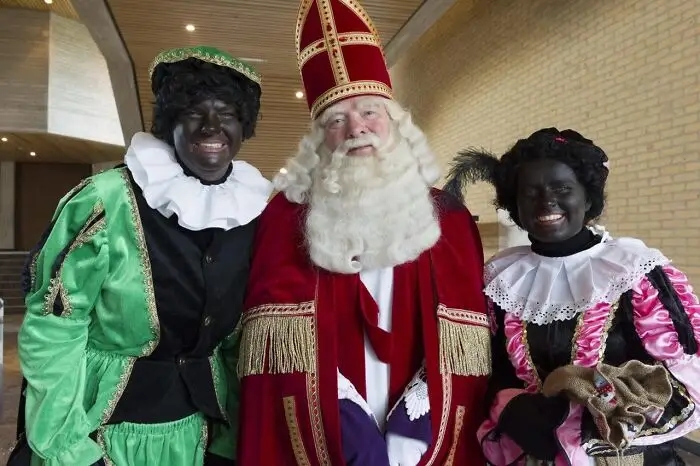
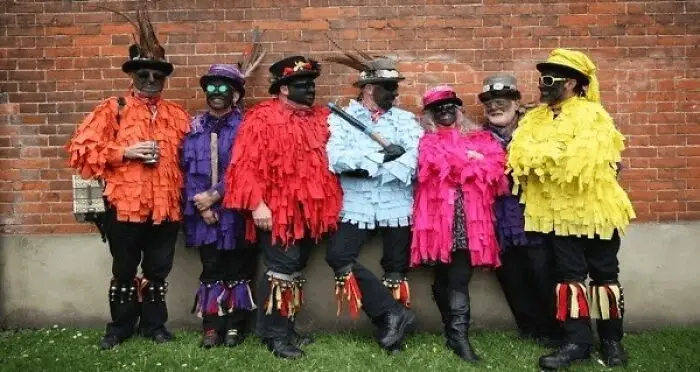
Sinterklaas, our version of Santa. Instead of elves he got black people working for him. It is a big thing here and in the Netherlands. Every year there is a big ceremony where we paint white people black to play the helpers. Great fun.
Edit: This was written to sound as bad as possible. For an actual context:
The tradition stems from celebrating saint Nicholas from around 300 AC. He is a saint who stands for taking care of the poor and less fortunate. The tradition changed a lot throughout the centuries. When the dutch settlers went to America, they took the tradition with them and it became Santa. The raindeer, elves, sled, northpole etc were all added later on by that American branch of saint Nicholas. In the original dutch (belgium and Netherlands) version, he was a tale to frighten children who will kidnap you if you don't behave. This evolved into giving you presents if you do behave. Around 1850, the tale was evolving and the addition of a poor black kid bullied by white kids was added. Sinterklaas took him under his protection and they formed a team to do the duties Sinterklaas did solo in the start. This helper was not even alway depicted black. Throughout the years, at some point this became an army of helpers. The helpers got the status of kindervriend, "friend of children". During this time, it also became canon that sinterklaas lived in spain, traveled by horse troughout belgium and Netherlands and by steam boat to spain. A lot of children songs exist about both sinterklaas and his helper. The tradition grew so much that every year There is an entire ceremony, with the steamboat arriving in Antwerp, the saint greeting all the children and declaring everyone has been good that year. All schools organize officially sinterklaas visits, a bit like mall santas. The helpers throw candy at the kids. On the eve of December 5th, every childs puts down their shoe at the chimney with a carrot for the horse, and the next day they wake up to presents and candy.
About 15 years ago, this whole tradition started being questioned. The giant ceremony and school visits all had helpers that were painted black (we are quite a white country) which is essentially blackface. This opened a huge debate. A lot of people knew this all their lives. It was a big part of their childhood, their parents childhood and their grandparents childhoods and so on. A lot of people never really thought about the racial connotations before it became questioned and really felt like the only reason it got that bad connotation was the fact that people questioned it in the first place. The time it originated from it was quite progressive even, but obviously not any more at this point. The blackface is now being replaced by some black smears which supposedly come from the white helpers going trough chimneys, but a lot of people are still not happy with this, feeling like they are losing a part of their identity over a manufactured problem.
Report
16points
#22 France
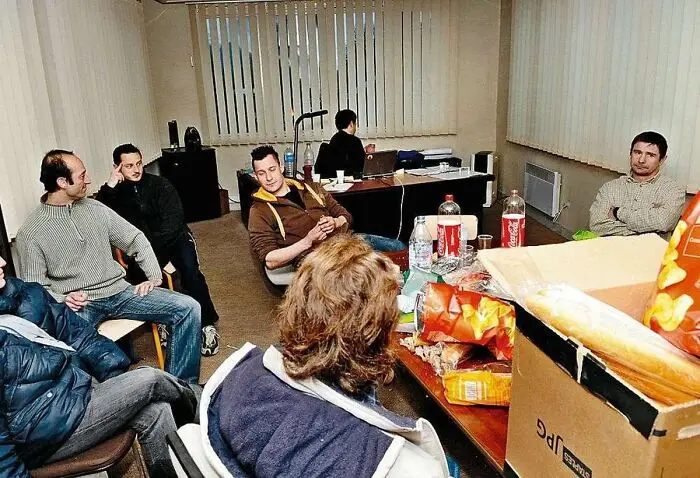
Most French people know this image. A boss sequestered by his employees. (article)
Report
16points
#23 Philippines
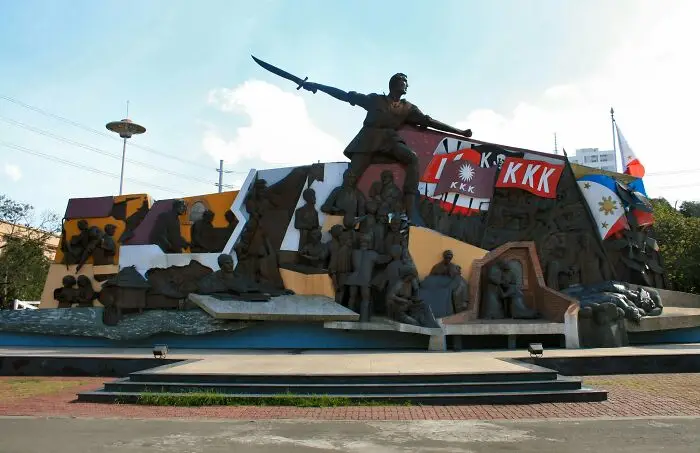
Philippines. The letters stand for: Kataastaasan, Kagalanggalangang Katipunan ng mga Anak ng Bayan or in English: Supreme and Venerable Association of the Children of the Nation.
Basically the nationalist group in the 1890s who aimed to achieve independence from Spain via armed guerilla.
It was original done in secret but when authorities discovered them, open warfare broke out against the Spanish.
Basically now a symbol of historical national pride and unity.
Basically the nationalist group in the 1890s who aimed to achieve independence from Spain via armed guerilla.
It was original done in secret but when authorities discovered them, open warfare broke out against the Spanish.
Basically now a symbol of historical national pride and unity.
Report
15points
#24 Sweden
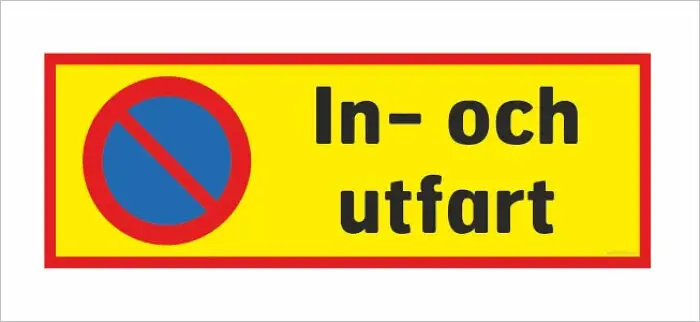
Swedish road sign indicating an entrance / exit (usually for garages). Honourable mention is s**t, which in Swedish means end or stop.
Report
15points
#25 Brasil
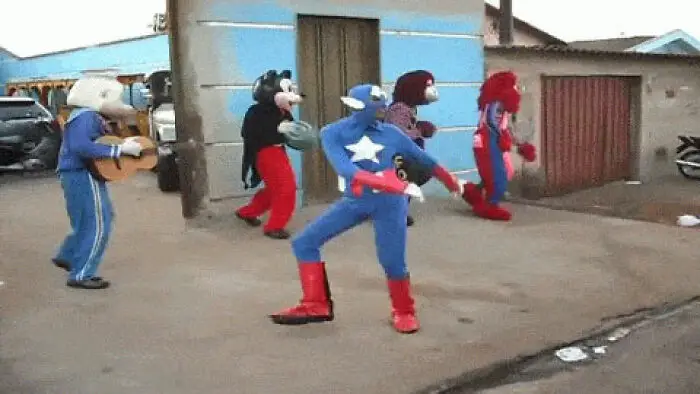
Carreta Furacão.
You pay to go on a party bus and these guys go running around the bus and doing acrobatics.
You pay to go on a party bus and these guys go running around the bus and doing acrobatics.
Report
14points
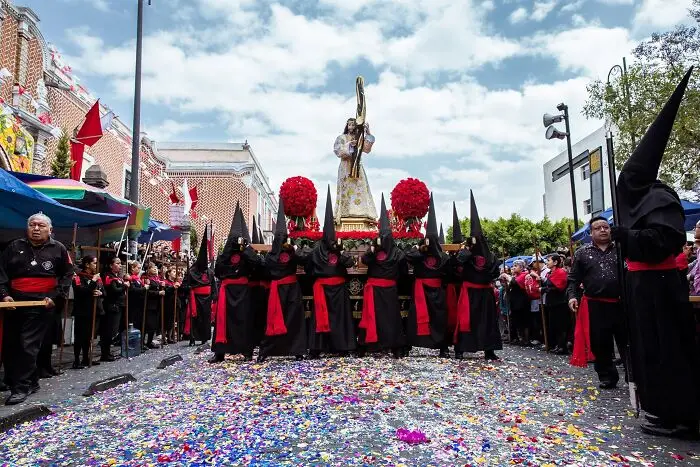
#27 Poland
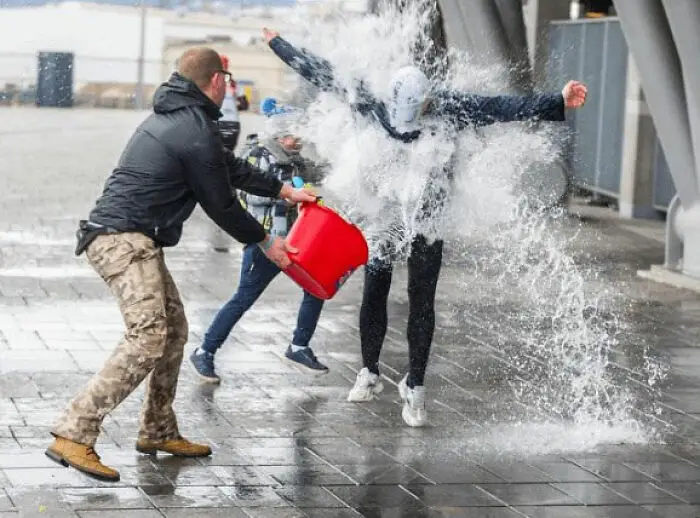
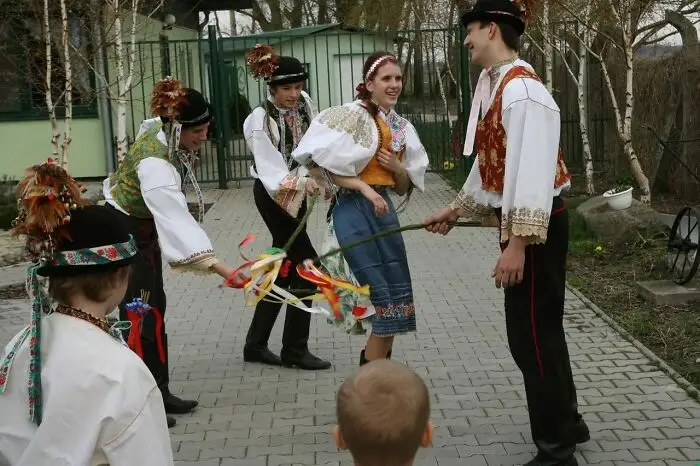
It's "lany poniedziałek" (watery Monday). Part of Easter. All people pour water on each other as a sign of purification.
Report
13points
#28 Germany

In our culture, it's a positive gesture. But in some countries, it's considered an insult.
Hot-Scheme4289:
Countries where a thumbs-up is a serious insult:
Only in a traditional context.
• IRAN & AFGHANISTAN: Known as "Bilakh," it is a severe offensive gesture.
• IRAQ: A rude sign of hostility and rejection.
• GREECE: An aggressive gesture of disrespect.
• SARDINIA (ITALY): Traditionally viewed as a hostile and rude affront.
• WEST AFRICA (e.g., NIGERIA): A heavy sign of disrespect and contempt.
• RUSSIA: An indecent and impolite signal.
• EGYPT: A gesture expressing deep disrespect.
• THAILAND & BANGLADESH: A sign of mockery and looking down on others.
Report
13points
#29 Poland
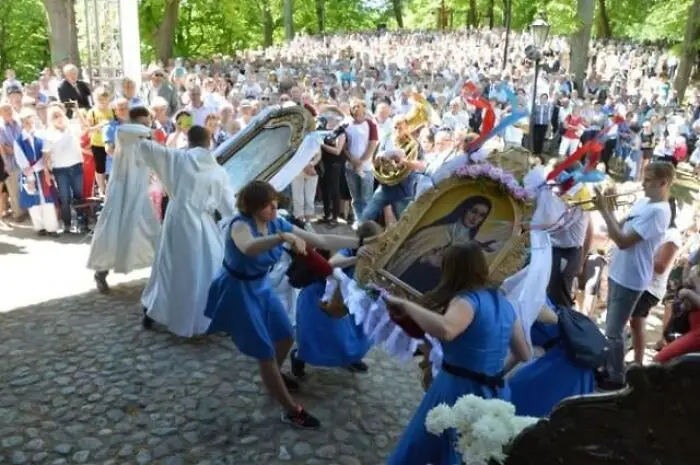
Dancing with paintings of saints. It's a regional tradition in Poland and I've never seen it with my own eyes but when I first watched a video, I thought it was a joke. Turned out, it wasn't.
I strongly recommend watching any video on YouTube, search for "pokłon feretronów". It's absolutely hilarious.
I strongly recommend watching any video on YouTube, search for "pokłon feretronów". It's absolutely hilarious.
Report
13points
#30 Slavic Countries
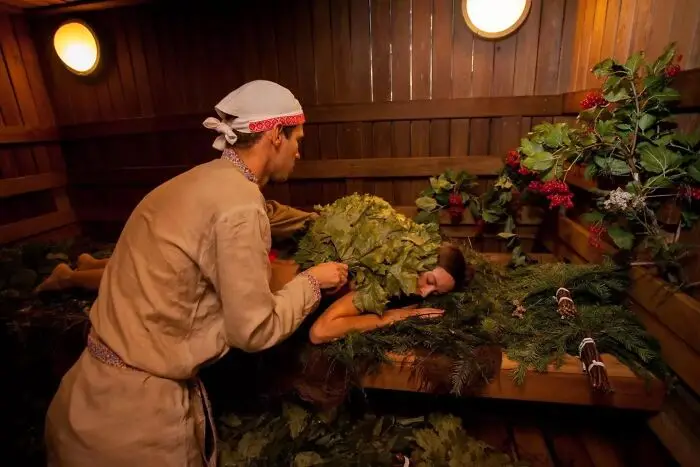
I mean… I didn’t get it first either. But this is a some weird variation of sauna rituals when a woman is surrounded by various plants for aromatic purposes besides the main. Naked people beating each other with oak branches is an honourable mention.
Report
12points
#31 Brazil
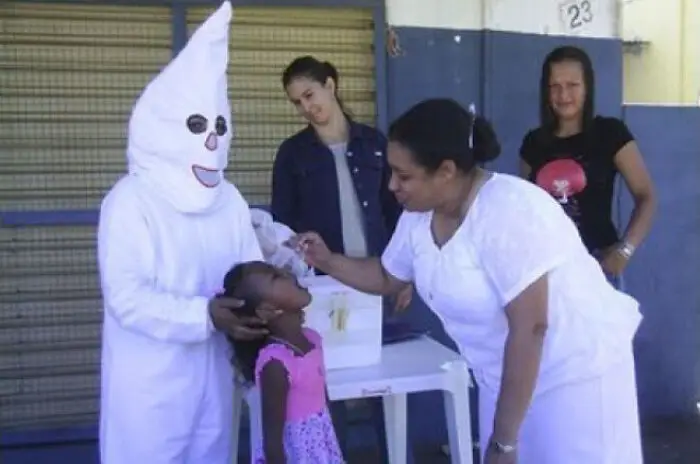
THIS IS ZÉ GOTINHA!
Also he's sort of retired since we (and several other countries) have stopped giving Sabin to kids. Now they get 4 shots of Salk.
Also he's sort of retired since we (and several other countries) have stopped giving Sabin to kids. Now they get 4 shots of Salk.
Report
11points
#32 France
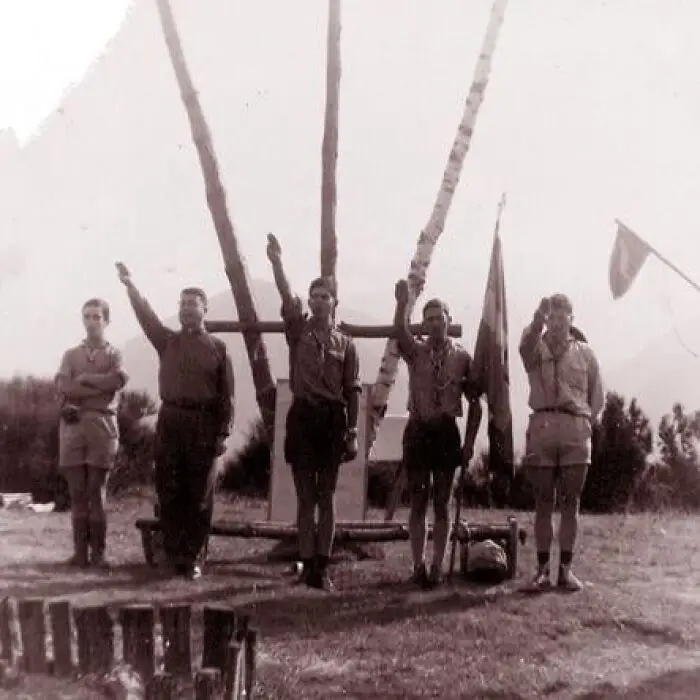
Boy Scouts used to salut like this during special events, like the ceremonial for Scout Oath. Did it this way back in the 90s. It’s banned now, as too many outsiders were still misinterpreting it (that, plus the uniforms).
Report
11points
#34 USA
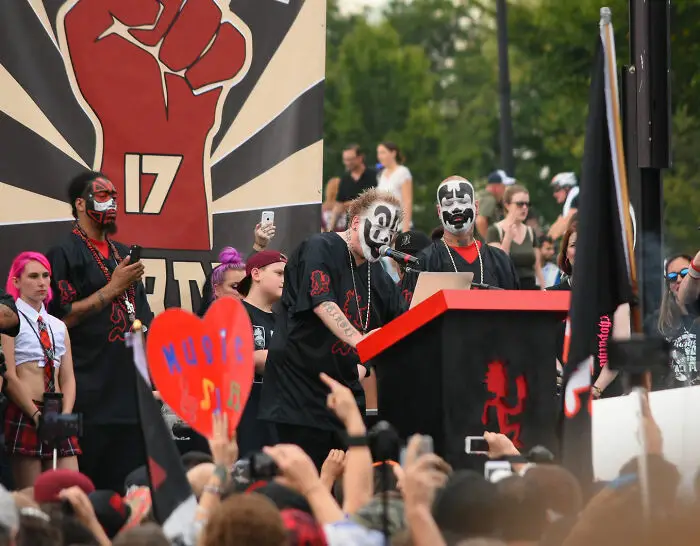
ICP (Insane Clown Posse) wears clown makeup when they perform, and for some reason, were once associated with being in a g*ng.
When I was in high school (late 1990s), you couldn't have their symbol displayed at school because it was considered "g*ng wear." There were certain football teams that were restricted, too.
When I was in high school (late 1990s), you couldn't have their symbol displayed at school because it was considered "g*ng wear." There were certain football teams that were restricted, too.
Report
10points
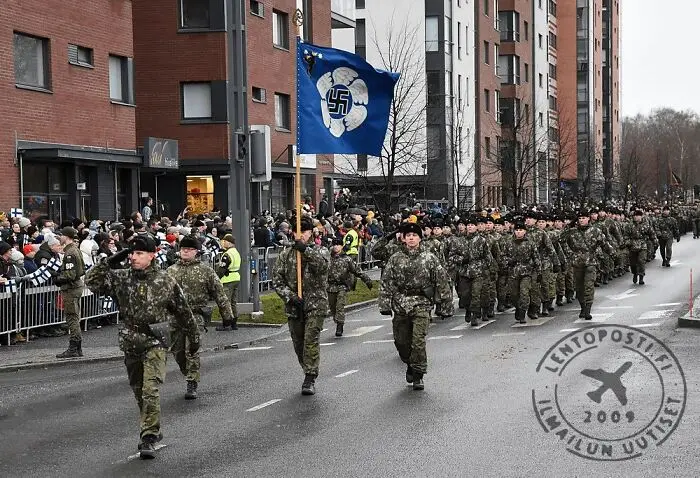
#37 Belarus
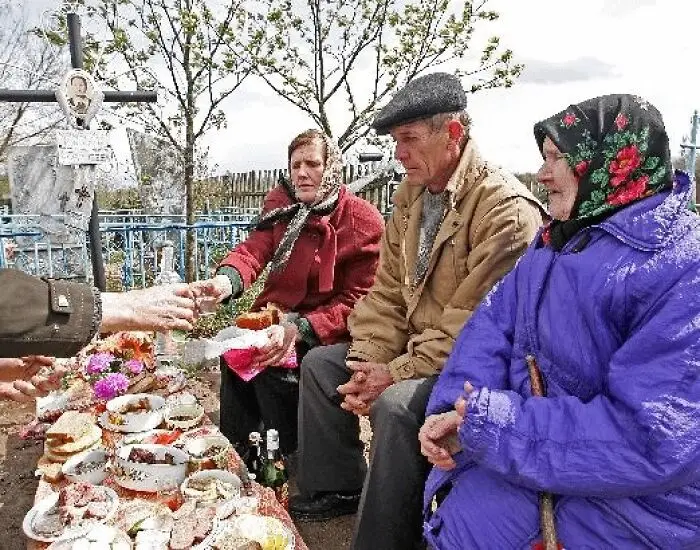
In some regions, on the day of remembrance of the passed, people eat at the cemetery.
Tall-Total-6077:
Some Appalachian communities in the US do this too- they'll host family reunions with food at family plots and then spend time maintaining the family's graves afterward.
Ok_Walk9234:
We do in Poland too, but we mostly have small snacks (pańska skórka for example) instead of full meals.
Report
9points