


"Nostalgia has the 'super power' of helping us feel better about the 'now' by connecting us to positive feelings from the 'then.' Nostalgia can help us feel better about ourselves and more in control of current situations if we're able to channel that positivity into concrete actions or a reframed mindset about the present. However, when we begin 'living in the past,' we may be inviting into our lives less than optimal mental wellness and potentially compromised physical wellbeing, too," Professor Degges-White, from Northern Illinois University, explained to Bored Panda that there are certain pitfalls that come with reminiscing about the past too much.
"When we succumb to memories of how things 'used to be' and refuse to address the 'what is,' we may find ourselves overwhelmed by our current conditions and less able to manage current challenges," she said.
"It's often memories of home and the people who surround us that keeps us able to deal with significantly concerning or dangerous conditions. For instance, letters from home can be a lifeline for those who are engaged in warfare far away from what they consider 'home,'" the professor pointed out how being reminded of home can help people in very tough situations.
"It's when we become stuck in our memories of people who have died, places or times in our lives when things were 'easier' or 'better' that invites in the negative effects of nostalgia. When we are unable to make decisions about a current challenge or get stuck in memories of better times from the past, we can sink into a state in which we kind of 'tune out' of the present and ignore very real threats or opportunities in the now."
According to Professor Degges-White, the very first step towards gratitude is 'waking up' and looking around you in order to recognize all of the things in life that you appreciate.
"It's also helpful to step outside yourself and see how others might see your life. Gratitude can start with the basics—enough food to eat each day, a job that pays you enough to keep a roof over your head, people in your life who care about you and to whom you matter. Recognizing that not everyone in life has been as fortunate as you have and acknowledging your accomplishments is the best way to begin. Making a 'gratitude list' really does help us see our lives in a whole new way if we are committed to acknowledging the way our lives have been touched by success."
The professor also opened up to Bored Panda about a personal experience that directly links to feeling gratitude. "I once received a letter from a friend who shared with me all the ways that she envied my life—from the mundane, that I had a station wagon, to my parenthood status, I had a baby girl, this friend listed ways she felt I'd been luckier in life than she had," she recounted.
"While it's clear that my friend was going through some difficult times in her own life and the letter might not have been driven by any positive motivation, I was able to respond to her with a note of gratitude and appreciation for helping me step back and recognize all of the things in life for which I should feel gratitude. It was a big twist on the construction of a 'gratitude list,' and perhaps it is helpful to seek the perspective of others who care about us in the ways they see our good fortune in life. But if you ask a friend to do this, be sure to return the favor in kind."

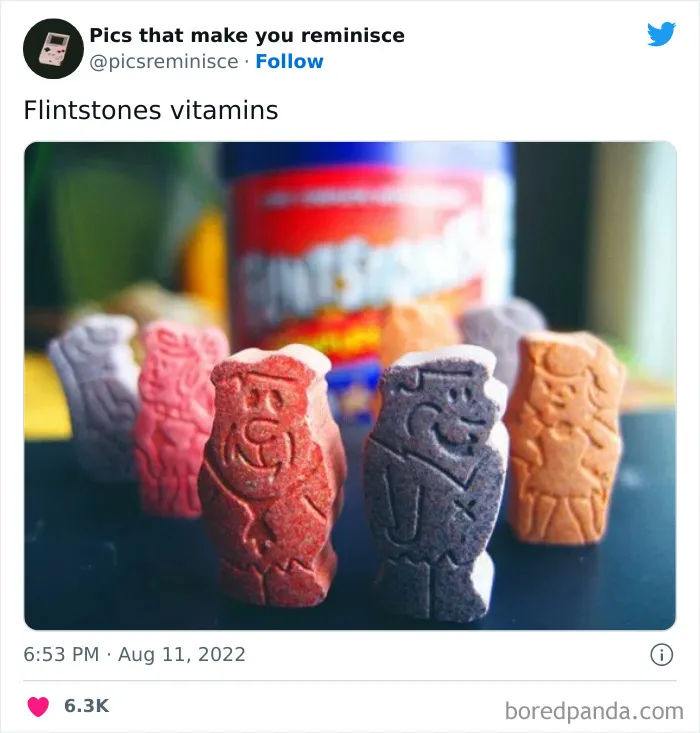
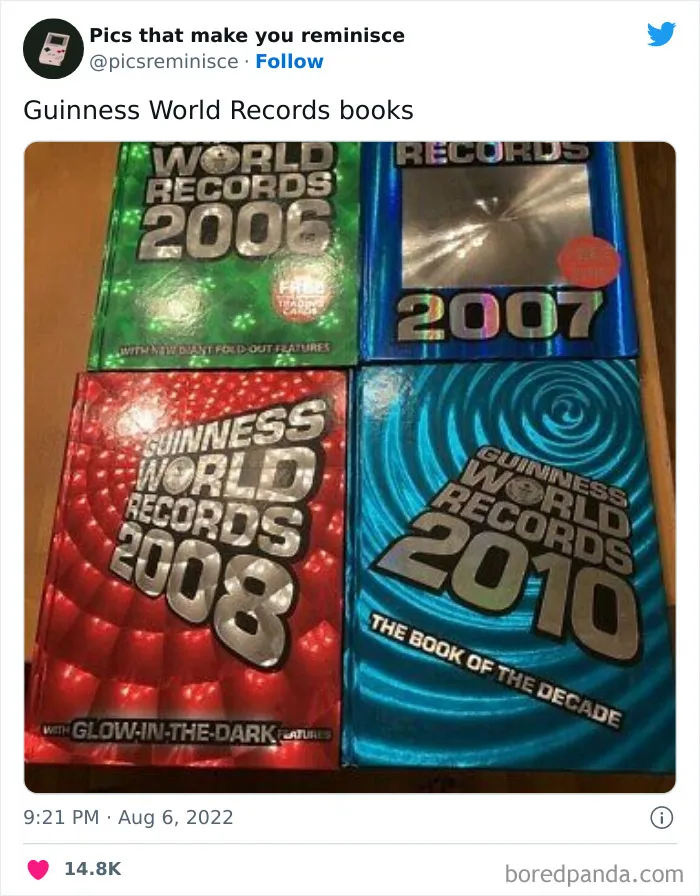
We’re going to wear our hearts on our sleeves for a bit here. Truth be told, we sometimes wish we could travel back in time and be kids again. Life can get very hectic when you’re an adult. And we’d love to completely detach from all of the anxiety, just for a little while.
The war, the pandemic, the economic difficulties—all of these are making us look back to a time when things weren’t this bad… or at least when we weren’t aware of it all so much.
Being taken care of by your family, only having to worry about school or what you’ll do with your friends for fun, was a blessing. It’s nice to reminisce, but it’s also vital not to get too stuck in those feelings: you wouldn’t want your quality of life to drop in the present just because you long for the past. And we probably wouldn't want to go back in time if it meant that it wildly changed the future: we wouldn't want to lose all the friends and loved ones we've found along the way.
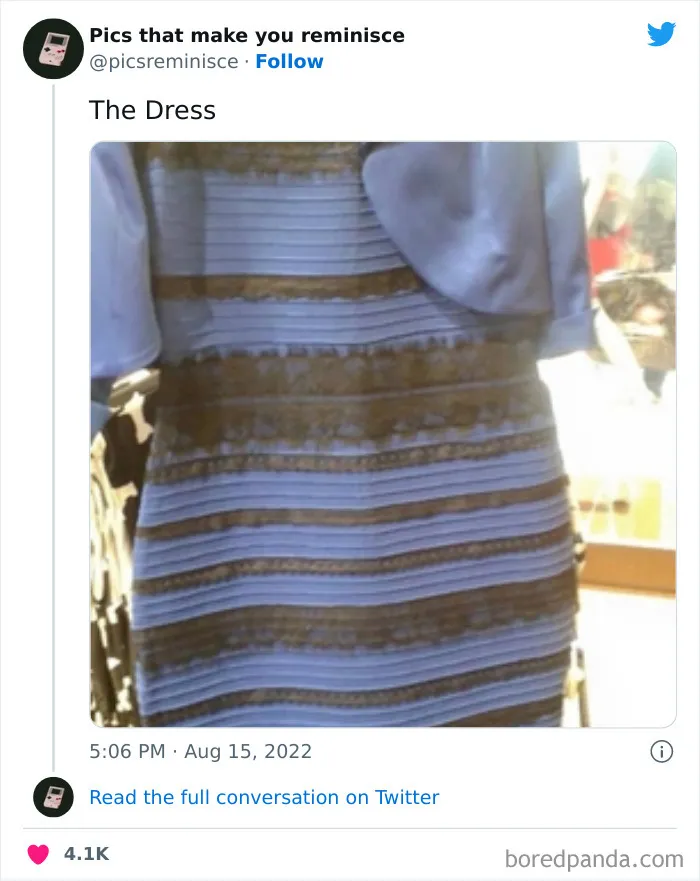
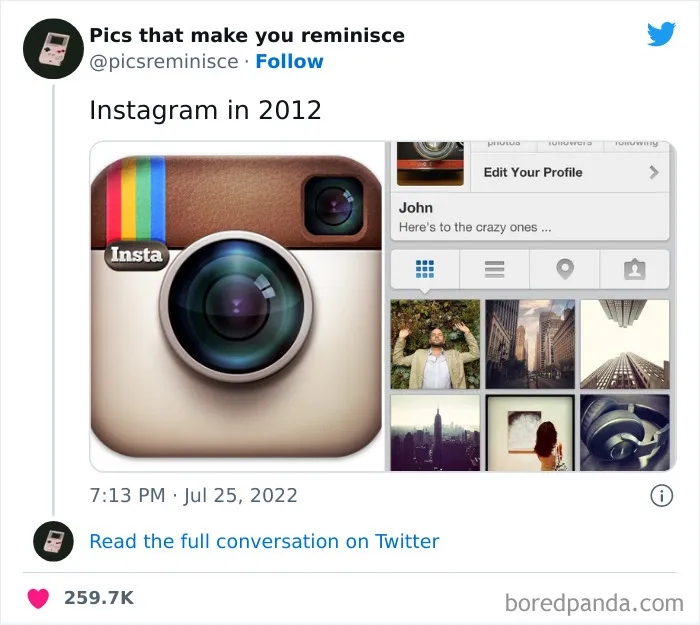
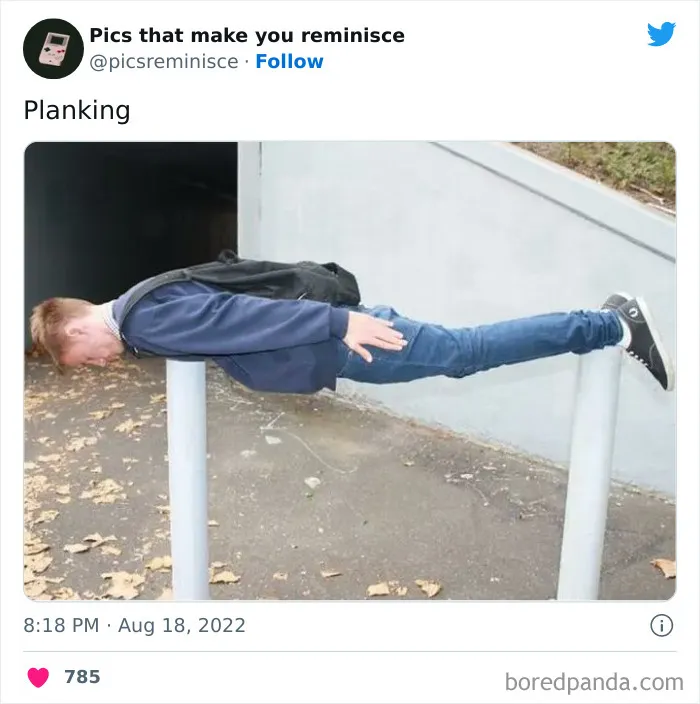
Child and adolescent therapist Kemi Omijeh, a member of the BACP, previously explained to Bored Panda that our childhoods are the foundation of who we are as adults. That’s part of the reason why we frequently revisit our childhoods in our memories: our past influences our present.
"If we’ve had a difficult childhood, it can be hard to feel nostalgic, instead it will feel like something we need to get over in order to move on," she explained that not every person will have fond memories of the past. We tend to feel nostalgic for the times when we were happy. Similarly, we shy away from memories that make us feel bad.
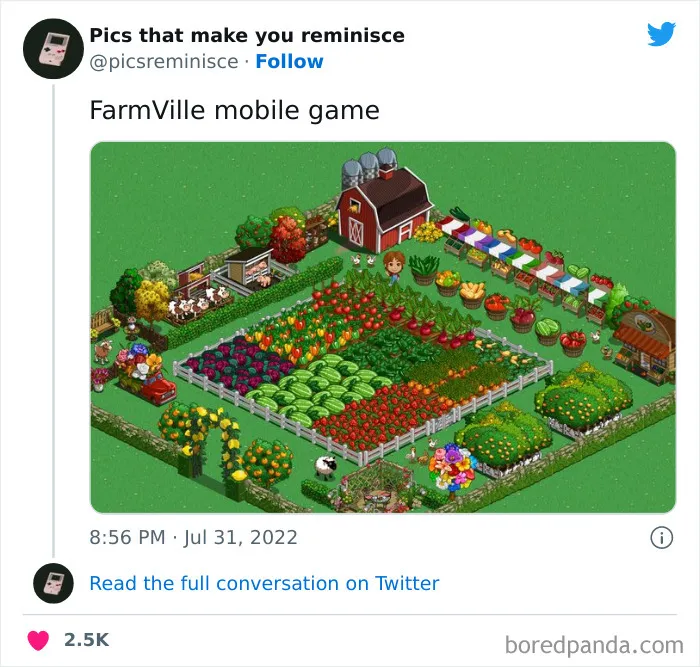
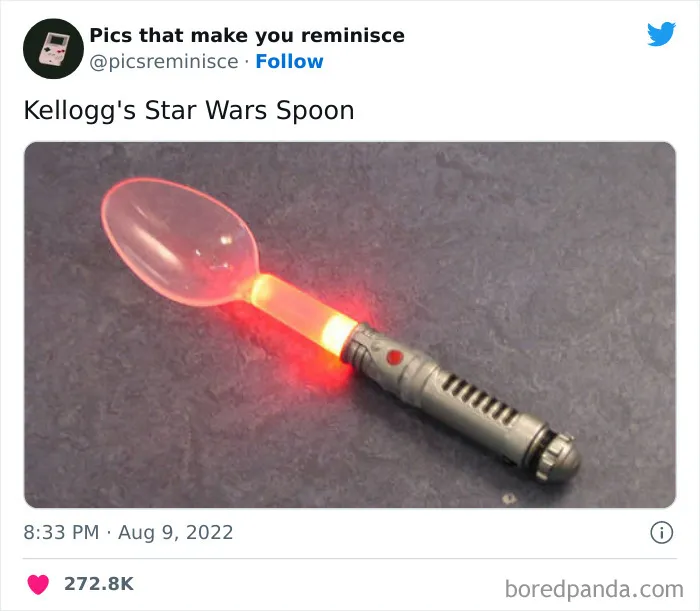
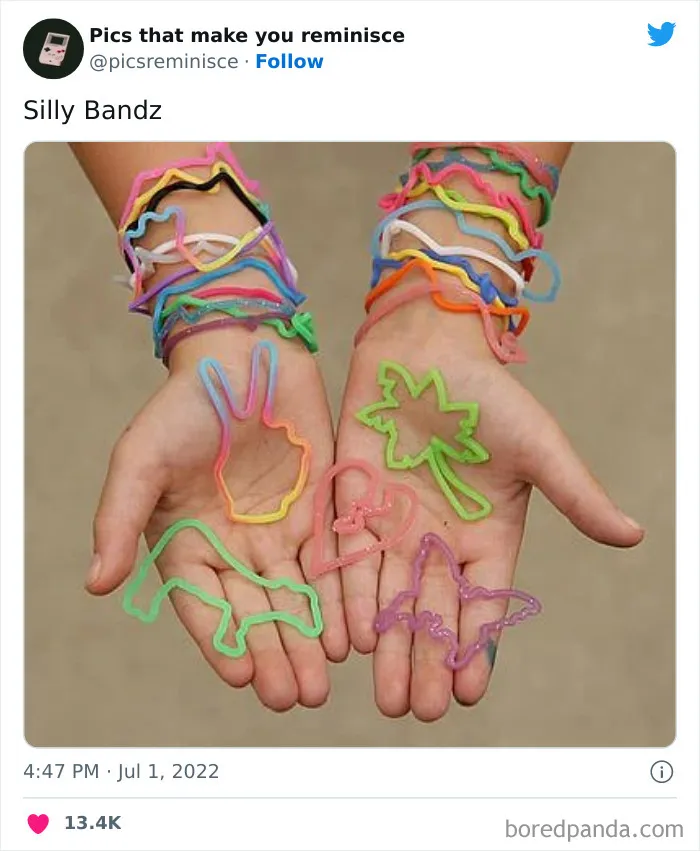
"Nostalgia can also be a good coping strategy for times of low mood and challenges," therapist Kemi told Bored Panda. However, there are limits to how much we should allow ourselves to reminisce about the ‘good old days.’
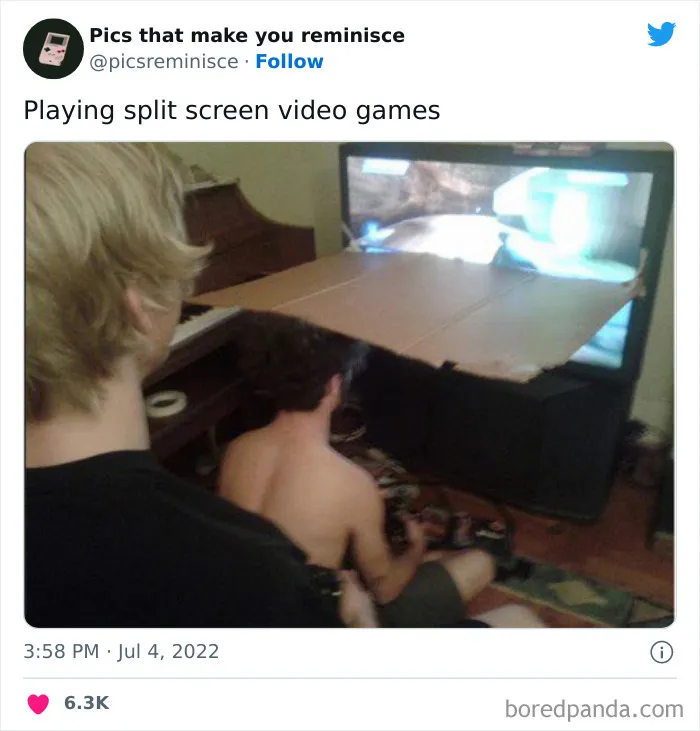
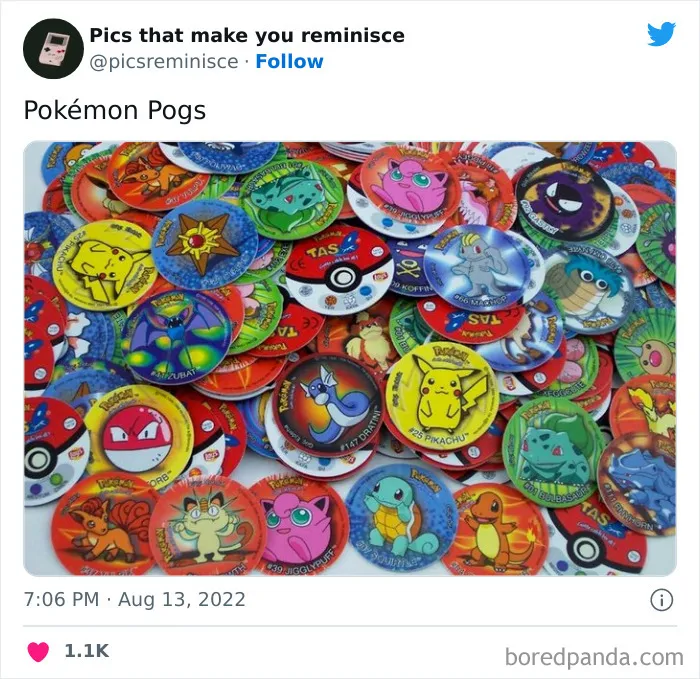
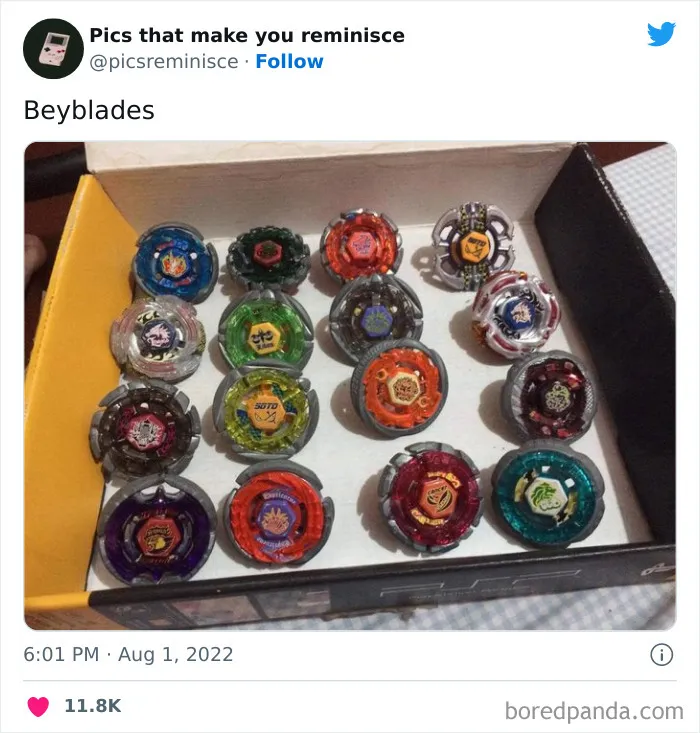
"If we end up comparing it to our experiences today and feeling like nothing is as good as it was, then this will inevitably affect our mood and our ability to do what we need to do," she warned about the downsides.