




Making plans isn’t entirely useless, but it definitely has its limits. At best, you can map out your own next moves. You can even try to coordinate what other people will do, though that gets tricky pretty fast.
Planning completely falls apart, however, when you try to control the end result. You could spend hours running through every possible scenario like Doctor Strange — and honestly, thinking ahead isn’t a bad idea — but you still won’t know the actual outcome until it lands right in front of you.


When things do go wrong, what really counts is how you handle the fallout. A 2024 study showed that learning from our missteps helps build resilience and deeper self-awareness. The research highlighted how our errors affect the world around us, showing why mindful choices matter if we want to minimize harm to others.
The researchers noted that even when mistakes feel painful in the moment, they serve as powerful tools that help us grow in both life and work.

#8 The Only Path Back To My Room Blocked By Cute But Incredibly Angry Sea Lions


It’s not best to rush to figure out the grand life lesson the second something goes wrong, though. Experts advise people to take time and look back on what happened with more self-compassion — and maybe even a bit of humor if possible.
“Errors can have serious consequences. But mistakes are inevitable, because we’re human. They’re going to happen, so when they do, the best leaders take a balanced approach by neither romanticizing mistakes nor scorning them,” says Iñigo Gallo, an associate professor of marketing at IESE Business School.



The ability to learn and recalibrate is hardwired into our biology. But how exactly does the brain learn from mistakes?
A recent Duke study examined how specific nerve pathways help or hinder learning. The research focuses on the cerebellum, a region at the bottom of the brain responsible for coordinating movement and learning motor skills. When a movement goes wrong, specialized nerve fibers called climbing fibers send powerful “error signals” that trigger changes in brain connections, allowing the brain to adjust and improve over time.
The team found that the brain also carefully controls when those error signals can take effect. “The key is having ‘brakes’ that can control learning. The brain opens a window for learning when needed and closes it when it’s not,” said lead author and Duke graduate student Fernando Santos Valencia.
#13 My Friend's Dog Sneaking It's Tongue Into His Mouth While He Was Laughing

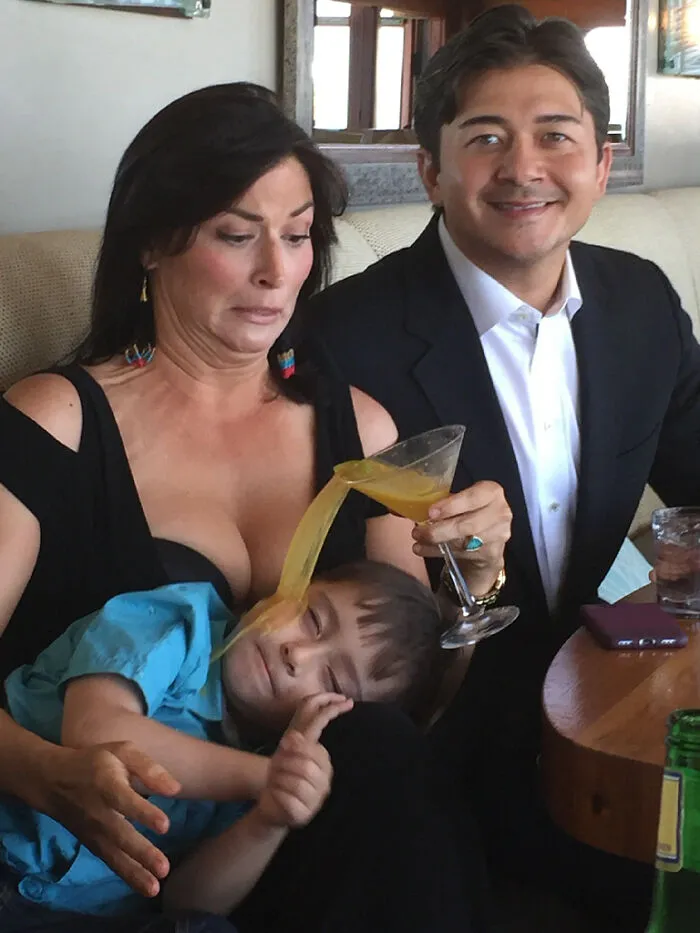
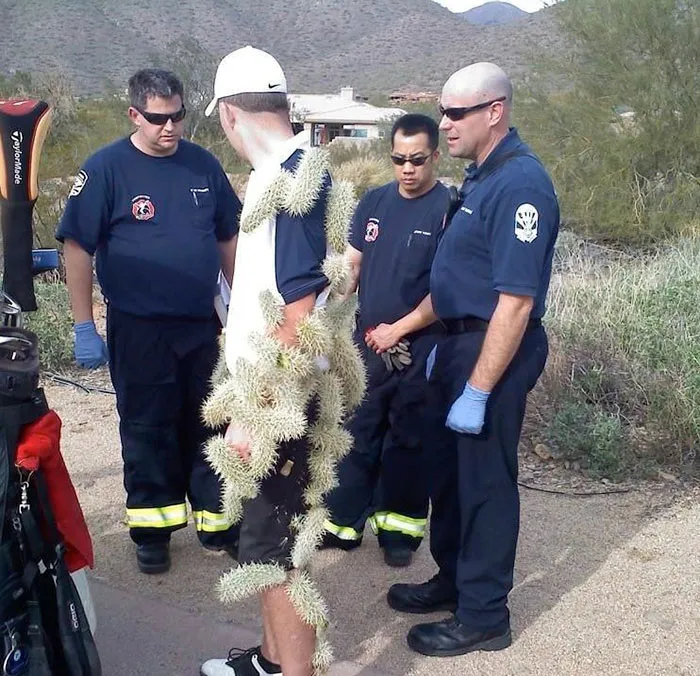

When things go wrong, our first instinct is rarely to sit down and study what happened. According to researchers Lauren Eskreis-Winkler and Ayelet Fishbach, most of us just try to brush it under the rug. They explain that failure feels “ego-threatening, which causes people to tune out.”
Mentally, processing a setback is tough because failure doesn’t spell things out for us the way success does. The lessons hiding inside a mistake are usually messy and hard to pin down. Even so, their study found that hidden feedback is crucial. It actually gives us some of the best clues for how to succeed next time.
“This is why those who ‘fail well’ aren’t driven by ego, but curiosity. Rather than glossing over or pointing fingers, they put failure under a microscope to examine it closely, looking at how they may have contributed to it, even inadvertently through their inaction,” says leadership advisor Dr. Margie Warrell.


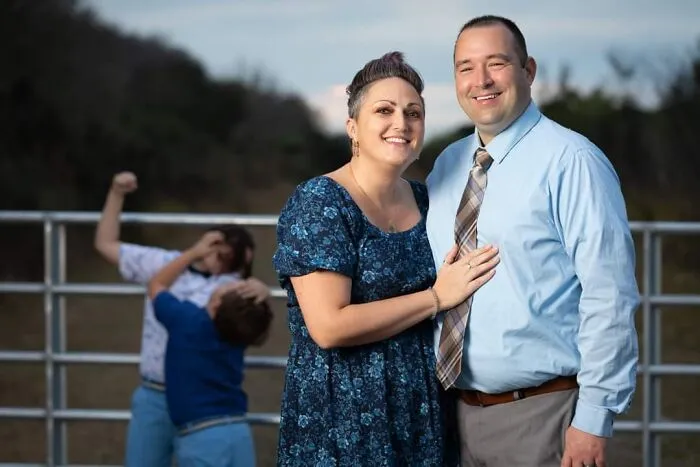
Imagine burning dinner right before guests arrive, or dropping your phone into the sink — moments like these are sometimes out of our control. What shapes us isn’t the problem itself, but how we bounce back.
At the end of the day, playing it completely safe just means you’re aiming too low.
So enjoy these glorious fails, learn from the mistakes of these poor humans, and don’t forget to make your own messes.
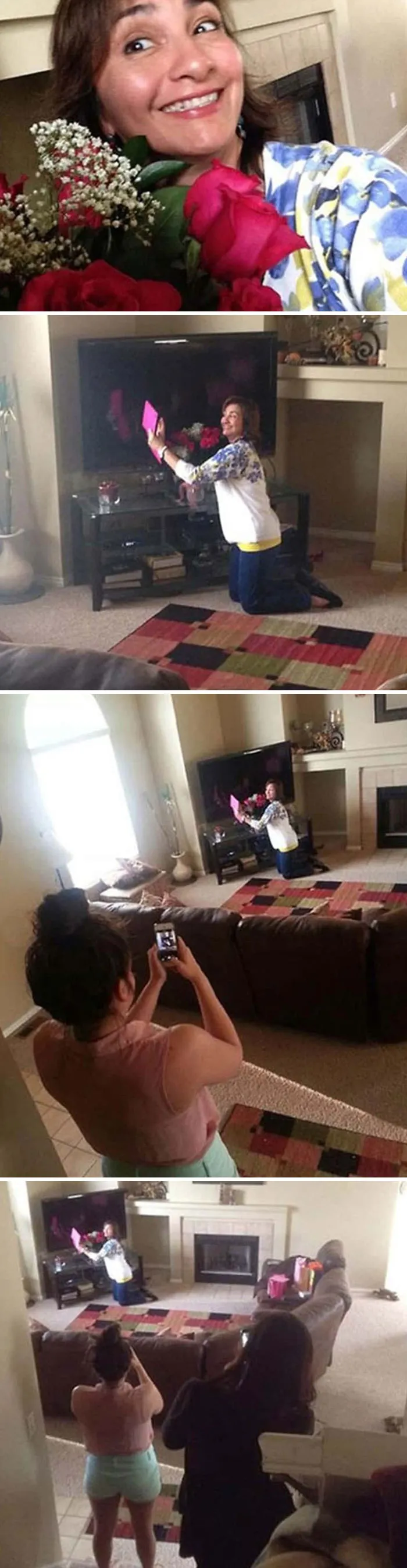
#20 My Little Sister Took A Picture Of My Older Sister Taking A Picture Of Me Taking A Picture Of My Mom Taking A Selfie