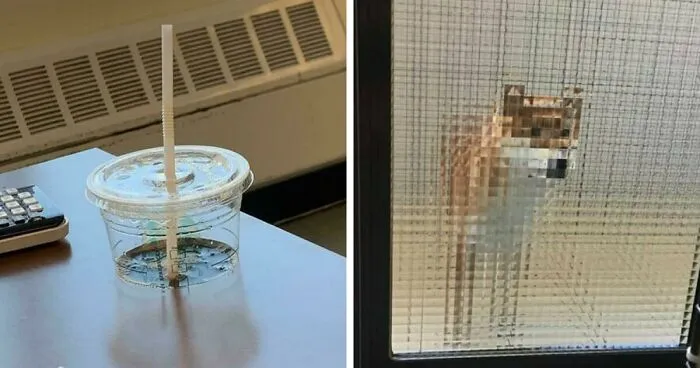


#21 The Furniture In This Room Made The Photo I Took Look Like A Render



Moreover, “not all things that we can see with a naked eye or camera can be realistic or beautiful, where a computer generated image can have technological limitations (for example, no shadows or reflections in old games) rendering it as unrealistic.”
“Every day we see things that surround us, and it burns into our mind what is natural to us; sometimes nature or the right setting can trick us into questioning if it's real or looks fake,” Arnas Gaudutis concluded.


Also known as visual examples of “IRL glitch in the matrix,” the interest in such visually confusing photos has to do with another greater trend. Those who believe in the theory of simulation, Elon Musk included, find such pictures not just entertaining, but illustrative of the fact that no reality is objective and perfect. Ours included.
And while for some, this is purely a subject of debate to elaborate on with friends over a bar counter, some truly believe that our universe is a simulation run by a higher-order technological civilization. So in order to find what exactly that means and how it changes our perspective of reality, we reached out to Gunnar De Winter, the science communication specialist at the Flanders Institute of Biotechnology.
“Basically, the simulation hypothesis is the idea that our lives, our universe is a simulation run by some higher-order technological civilization,” Gunnar said and continued: “This rests on the assumption that at some point a civilization will have the computational resources to run such a civilization.”
“If they then run several of such simulations, we could additionally assume that, if we are a random sample, we're more likely to be one of the simulations rather than one of the rare 'real' civilizations,” he explained.
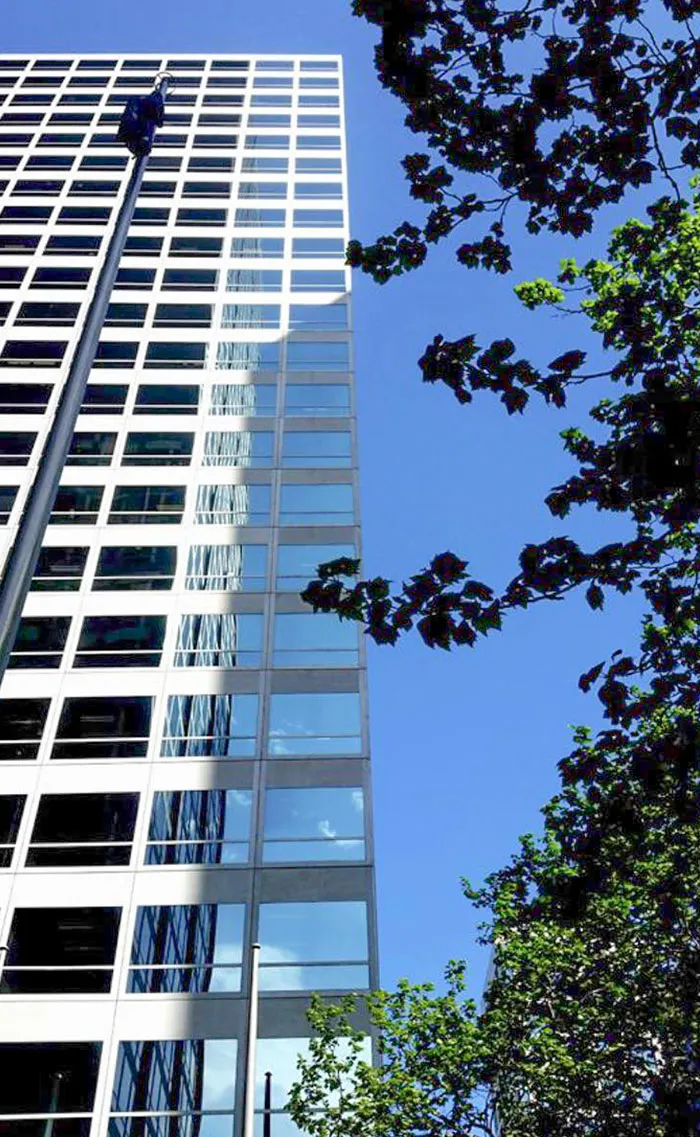
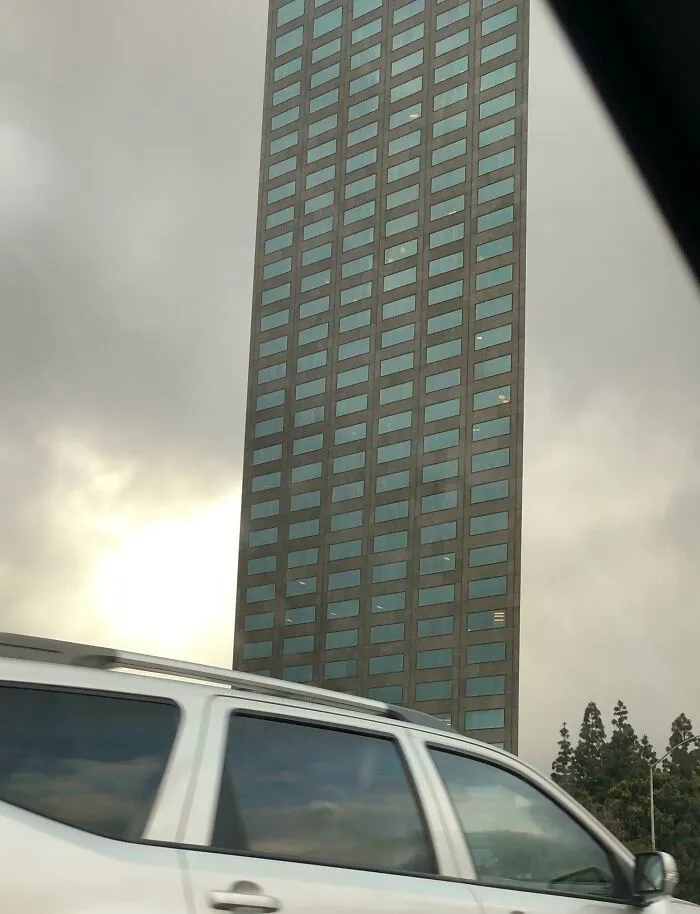
#28 Drive Past This Building Every Morning, Finally Enough Traffic Today To Safely Take A Picture

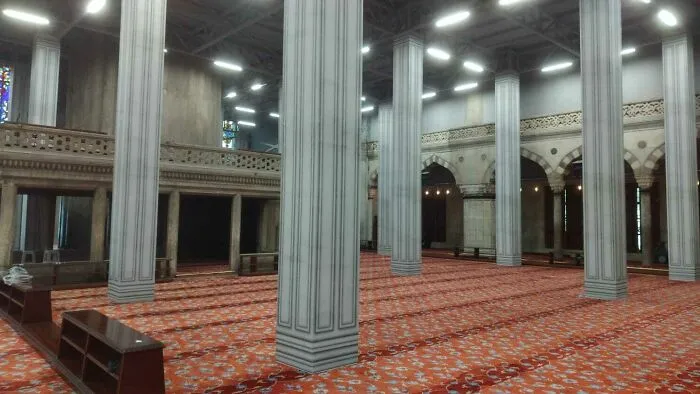
#30 This Mosque In Istanbul Looks Like It Was Rendered On The Lowest Settings Possible
Gunnar explained further: “Let's say that we are indeed living in a simulation, what would that mean for us as individuals? For your daily life, probably not much. Could you hack the simulation or find cheat codes? Even if possible, that would be risky. We are part of the simulation, so if you break it or have the beings who do the simulating turn it off, it would effectively erase our universe.”

On the other hand, Gunnar added that you could argue that living in a simulation is an encouragement to live life to the fullest. “After all, the more interesting you make it for whoever is running the simulation, the lower the chance that they would flick the off button.”
“Finally, living in a simulation—and being aware of it—would bring a whole host of interesting philosophical questions to the forefront, as well as consideration on religion, and so on,” he explained.
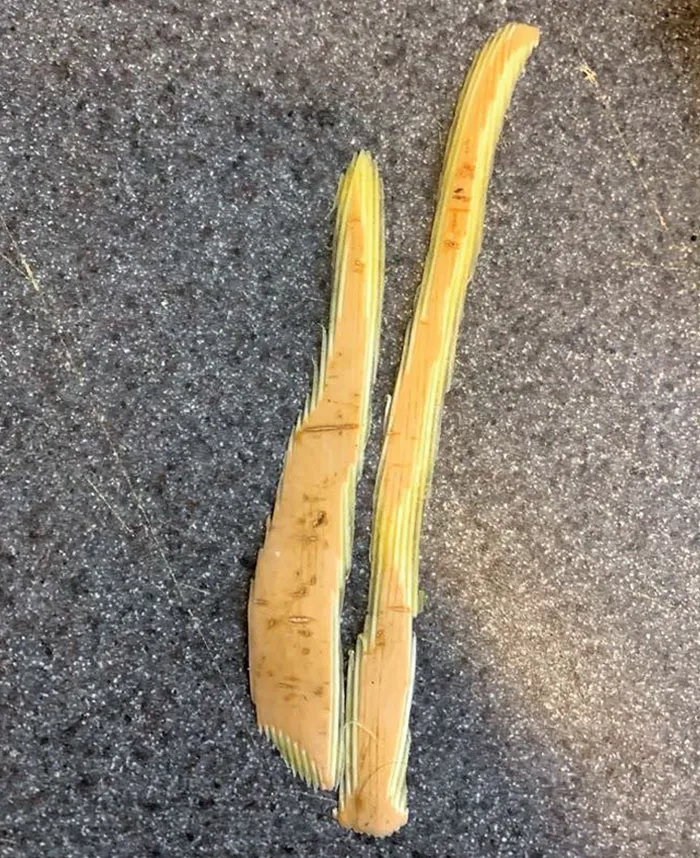
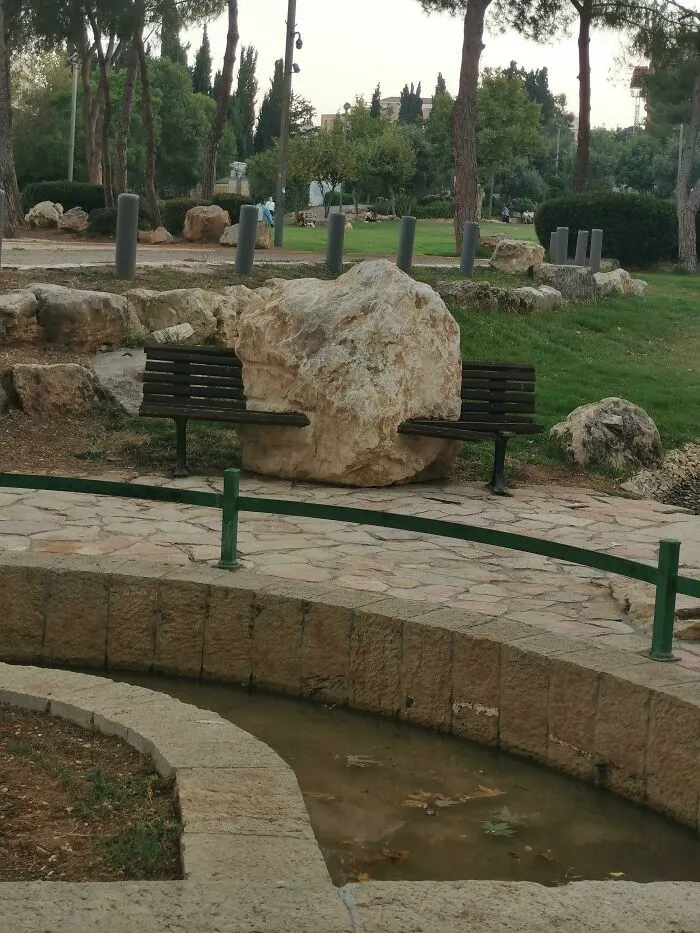

When asked whether there’s a possible way to prove or disprove that we live in a simulation, Gunnar said that there are a few ideas, “but as for whether those are actually technically possible—that's way beyond my expertise.”
He continued: “Most of these ideas are about either zooming in or out. We could try to look at the smallest bits of reality, the resolution of the simulation. If we find a certain 'pixel size' that doesn't fit with our current physical theories, that might be a clue.”
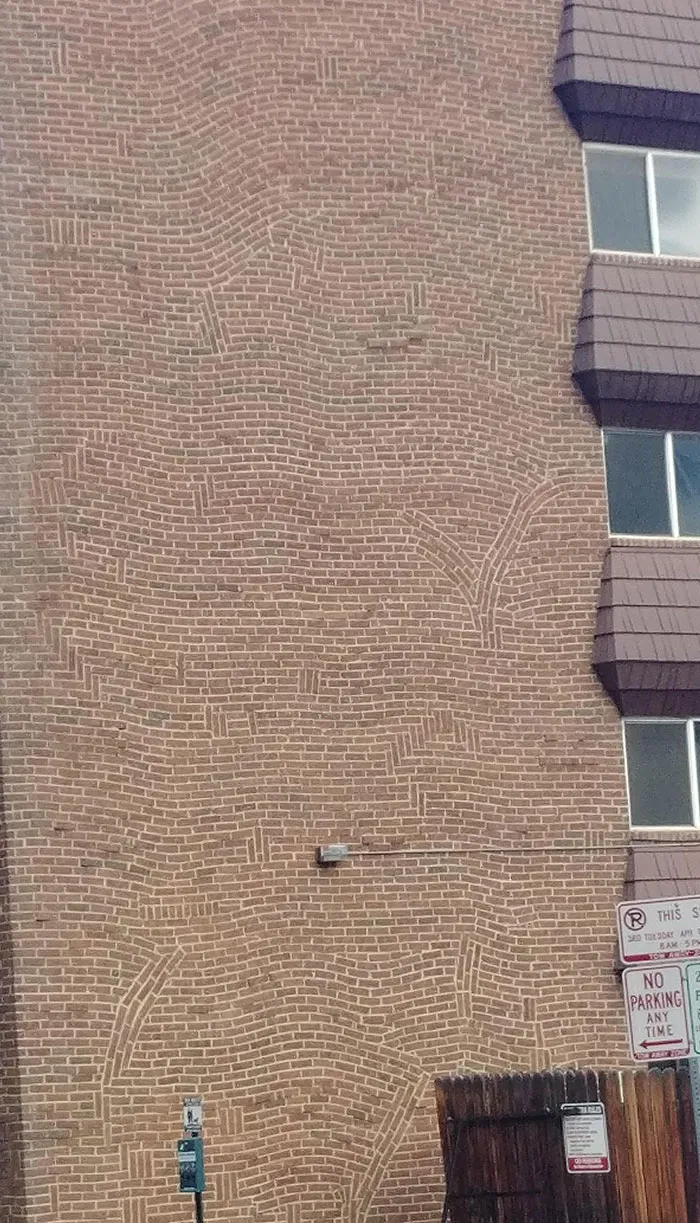
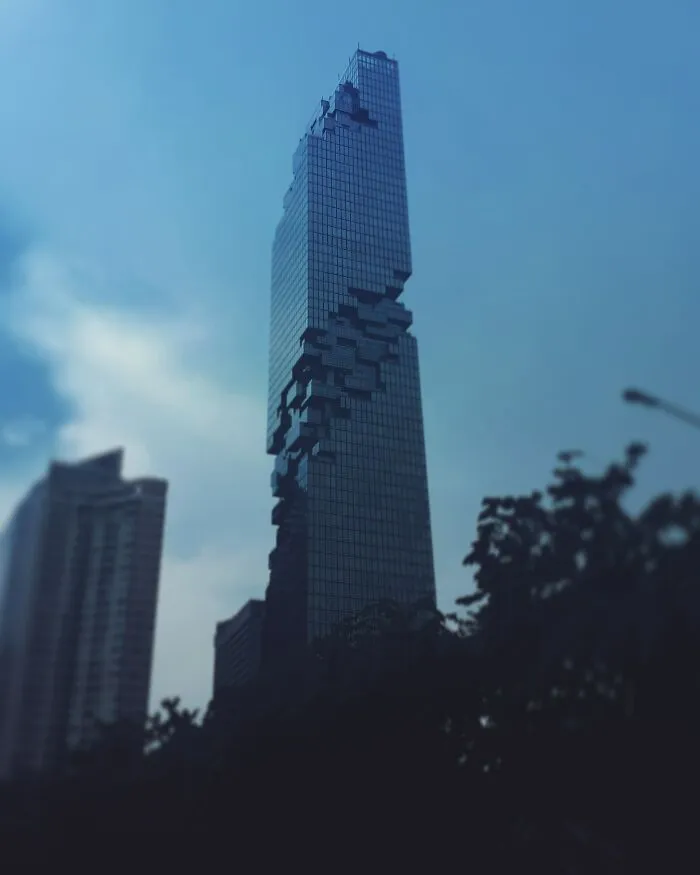
#39 "Lahaina Noon" Is When The Sun Is Positioned Directly Overhead, And It Causes Some Objects To Look Photoshopped Into The World
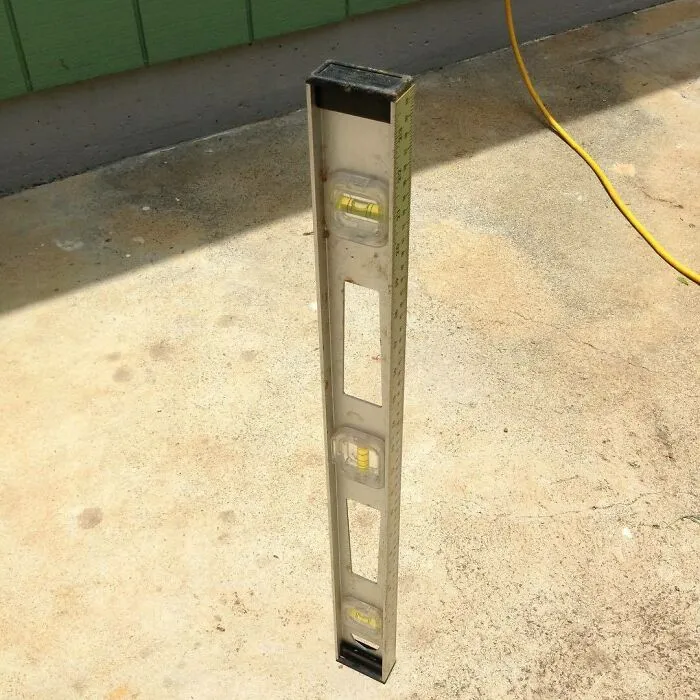
“On the other hand, we might look at some of the largest representations of the universe we have. If there are unexpected patterns in the cosmic background radiation, that could be a clue as well. Clues, of course, are not evidence. As Carl Sagan said: 'extraordinary claims require extraordinary evidence,'" the science expert concluded.