




The rise of women’s movements such as the #MeToo campaign and increasing awareness of mental health issues specific to men has highlighted the prevalence of toxic masculinity, and more specifically the toxic culture of masculinity, all over the world.
Toxic masculinity refers to “the socially-constructed attitudes that describe the masculine gender role as violent, unemotional, sexually aggressive, and so forth”. It restricts the kinds of emotions and characteristics that are socially acceptable for boys and men to express. It needs to be understood that toxic masculinity is not just another word for masculinity nor does it refer to all expressions of masculinity. However, a version of masculinity does exist that is in fact toxic. It is this version that has become the standard upon which the "real man" is defined but also by which ones masculinity can be challenged (The Good Men Project).
These qualities are socialized in men from early stages of life. Boys grow up with the pressure to embody these gendered forms of behavior because it is what society believes is normal. That said, failure to embrace these ‘manly’ qualities often renders harsh consequences, not only for men themselves but those around them. For example, it may have a negative impact on their own mental health, possibly leading to depression, substance abuse and suicide as well as aggressiveness, objectification, and violence towards not only women but other men as well, homophobic and transphobic sentiments and so on. Men too face a great deal of pressure to measure up to expectations created by a system that has long catered towards patriarchy.
I by no means claim to be an expert on this subject, but believe masculinity is not monolithic and exists on a spectrum. So, I wanted to create a diverse collective of men who believe it’s okay to possess and express the qualities and characteristics that they are directly and indirectly told they shouldn’t. I hope that these ideas will spread and reach the men who are struggling to accept that things like emotional vulnerability and compassion are strengths and not weaknesses. I believe men should be the ones holding each other accountable. I know many men are already acting as incredible role models and leading by example. This should be celebrated. It is the words and voices of men alone that will influence and encourage other young men to think about their actions and reject the toxic masculinity that they may be surrounded by.
This topic is no more relevant today than it has been in the past; the only difference is that now it is being discussed more openly. My intent with this photo series is not to create anti-male sentiments or attack masculinity, but to further the dialogue that the Me Too movement made impossible to ignore. I want to positively shed light on the issues surrounding toxic masculinity and men’s mental health. I want to show that men can be allies and push forward the importance of engaging men alongside women to challenge harmful gender norms.
More info: jessicaamity.com
#21 Bastien, France
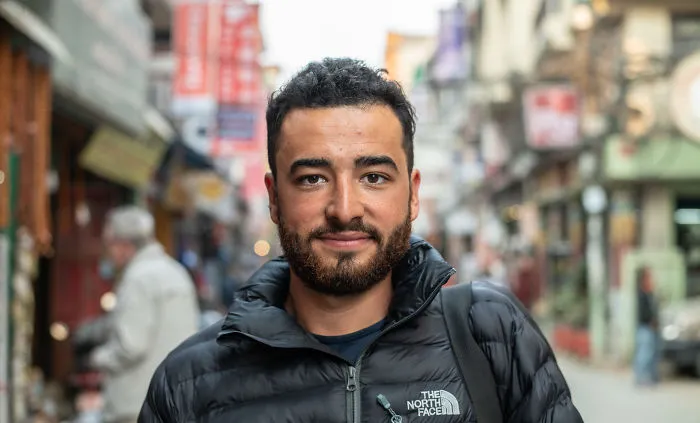
“It’s okay for me to be open-minded towards the relationships of men and women. Men and women can lead their lives on equal terms”.
29points
#22 Alberto, Italy
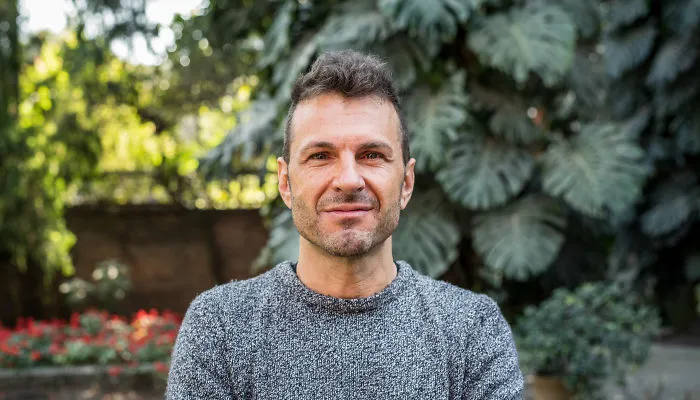
"It’s ok for me to reveal my weaknesses in front of women, accepting that I am not always right and showing my vulnerability, my feelings and my emotions. I don’t wish to be the kind of man that believes he is right all the time and hides his weaknesses, pretending to be in control of everything. Whenever this happened in my past, I messed up my relationships, I didn’t listen and wasn’t being aware of the other side's world and sensibility. I realize I was projecting my image as a strong successful man, what I thought a man should be at the time. I caused out of hurt back and forth."
27points
#23 Lucas, France
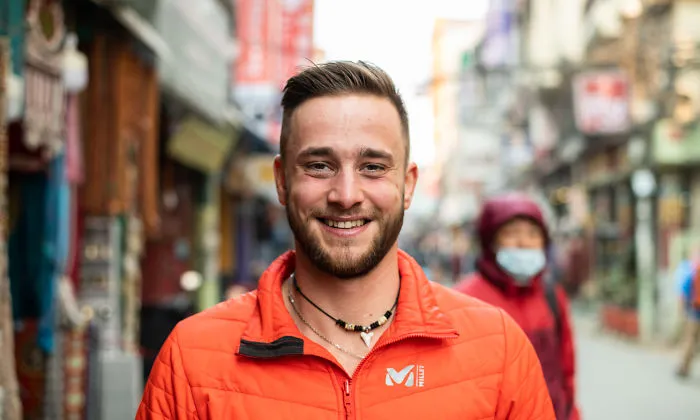
“It’s okay for me to be classified as a sensitive guy. Men often hide themselves when they are feeling sensitive to things or situations, it’s like it is a matter of pride. The pride should come from not feeling the need to hide and being who we are.”
26points
#24 Steven, Belgium
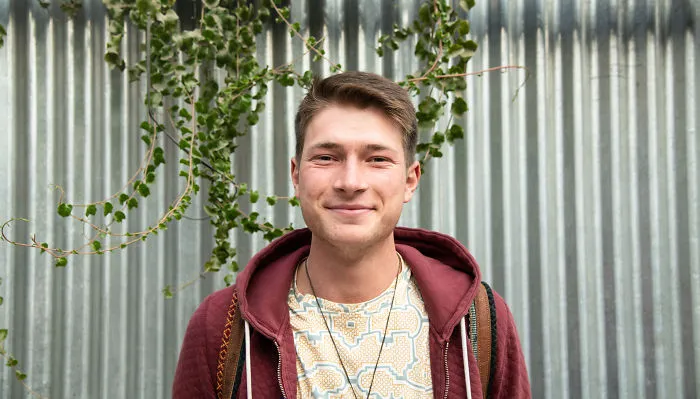
“It’s okay not to embody what society defines a ‘real man’ to be. There is an all-encompassing structure surrounding what being a ‘real man’ is all about. It dictates everything from a man’s behavior and posture to the way a man should walk, even to the way a man should dance. I definitely don’t dance like a real man. It goes as far as having your legs crossed while sitting, the way to treat women, friends… the way to treat everything around you. It pushes your ego and testosterone above everything else. This idea of a ‘real man’ is confining and unfortunately, is what I’ve put in my own brain, often dictating my thoughts, actions and believes, of course, who else decides what a ‘real man’ is? We have created this whole idea of ‘the real man’ but I don’t feel like that is what I am. I have certainly acted like it a lot of times but I don’t want to do that anymore. I want to push myself to not let my ego run everything else there is about me. Going against this idea takes away all these boundaries that I, that we as men are told define us. Suddenly I feel like I have this borderless existence, suddenly I can act and behave in the exact way that I want to even if it is not what ‘a real man’ would do, which gives me so much freedom. It liberates me. It’s taken me out of this box that I have put myself in because I am a man and so I have to qualify as a man and be this individual that is “manly”. But now I’m like - screw that, I’m going to be whatever I feel like I want to be… It has given me so much liberation… I can breathe again.”
24points
#25 Alberto, Spain
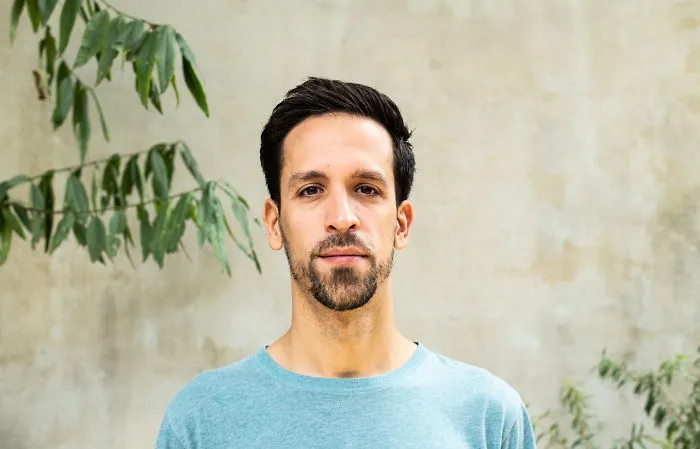
"Its okay for me to disagree with the classic stereotype of what it means to be a "gentleman". Among the many, there is a very romanticised ideal of gentlemen and how they are meant to behave that exists and it is even imposed on men by some women. I am not saying I disagree with being polite and respectful but with how we are expected to conduct ourselves in certain situations. For example, the idea that men must earn more, be more responsible and hold higher positions to those of women, is not correct. This behaviour also feeds into and creates gender inequality. Men face a lot of pressure to live up to these very specific ideologies and if we don’t we fall short."
22points
#26 Naryan, Northern Ireland/Nepal
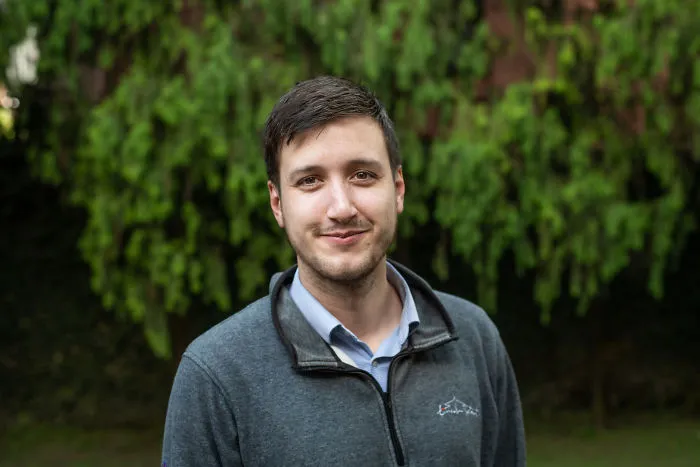
"It's okay for me to be vulnerable. I believe we are all made up of masculine and feminine energies. The masculine becomes toxic when it doesn't allow itself to feel and when it responds to hurt with aggression rather than understanding. It's hard to be vulnerable, especially because the hurt is deeper when you are; but real men can be vulnerable and can be hurt, and it's okay."
20points
#27 Luke, Australia/Uk
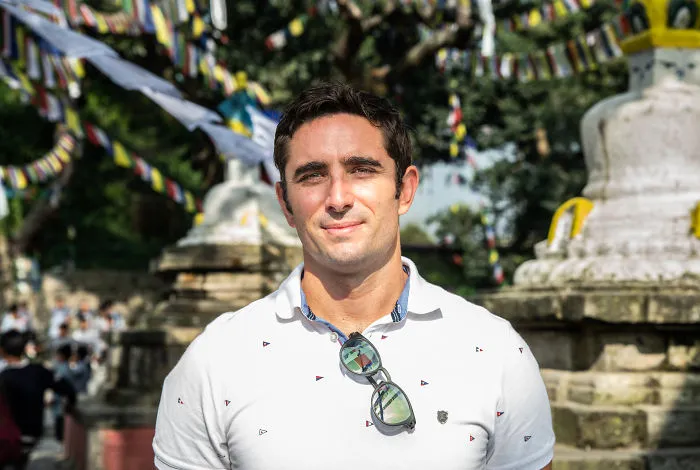
"It’s ok for me to offer a victory to others, even when I believe I’m right. Taking a lower step does not just have to be a sign of humility, but also of strength."
19points
#28 Suvash, Nepal
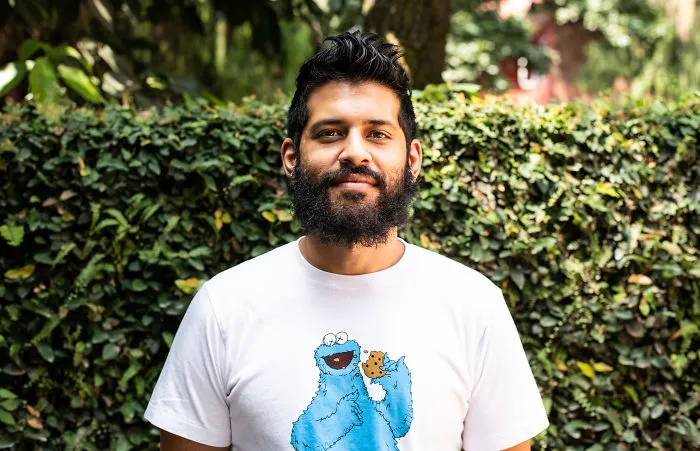
"It’s ok for me to feel like going against grain. I feel that society establishes a lot of norms of what people should be, how they should look or how they should behave. “Going with the grain” would be what the normal man would do while shaving and looking clean etc for the workplace which sets this clean cut image as “professional” or “presentable” overlooking what that individual is really like or how capable they might be. "Going against the grain" would be the opposite of this and just being comfortable with yourself and not adhering to the norms established by society. In order to progress, the world needs to get over these preconceived notions and just be inclusive of every individual living in it regardless of image, gender, religion, “social status” or beliefs."
16points
#29 Josh, Usa/Nepal
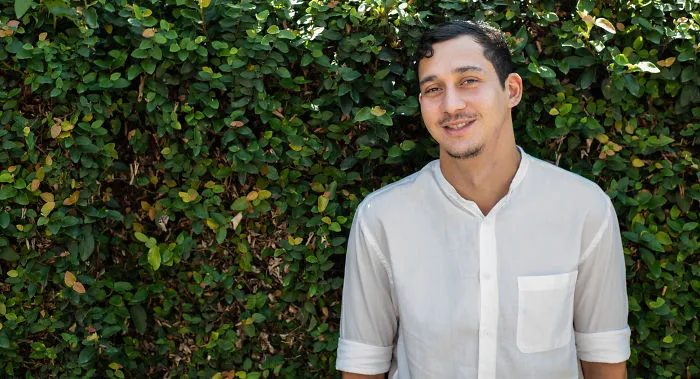
"It is okay for me to reduce internal suppressions in the struggle for reason; we are not limited to being one-dimensional men who engage with human existence solipsistically."
11points
Understanding the impact of gender norms on society today is crucial, especially in the context of exploring harmful stereotypes. The historical lens offered in another discussion highlights how deeply ingrained gender roles have been constructed and redefined over time.
Delving into how gender norms have evolved through history sheds light on why it's important for current and future generations to continue challenging these conventions.
