





Tamara Abdul Hadi is an independent photographer born to Iraqi parents in the United Arab Emirates and raised in Montreal, Canada. Abdul Hadi's work explores the complexity and idiosyncrasy of minority communities that are often subjected to stereotypes and under-representation interchangeably. Her work also touches on ideas of masculinity and self-representation and has been successfully published in The New York Times, The Guardian, The Wall Street Journal, The Financial Times, VICE, etc.
Along with being a photographer, Tamara is also an educator who has given photography workshops in Palestine, Egypt, Iraq, Lebanon, the UAE, Kuwait, and Tunisia. Back In 2016, Tamara, along with her collective Rawiya, presented a documentary photography storytelling workshop in Gaza.
Bored Panda reached out to the photographer to find out more.
"I am an Iraqi photographer whose work is concerned with the historic and contemporary representation of my culture, in its diversity. Photography allows me to express, question, and be curious."
More info: Instagram | tamarabdulhadi.com
#22
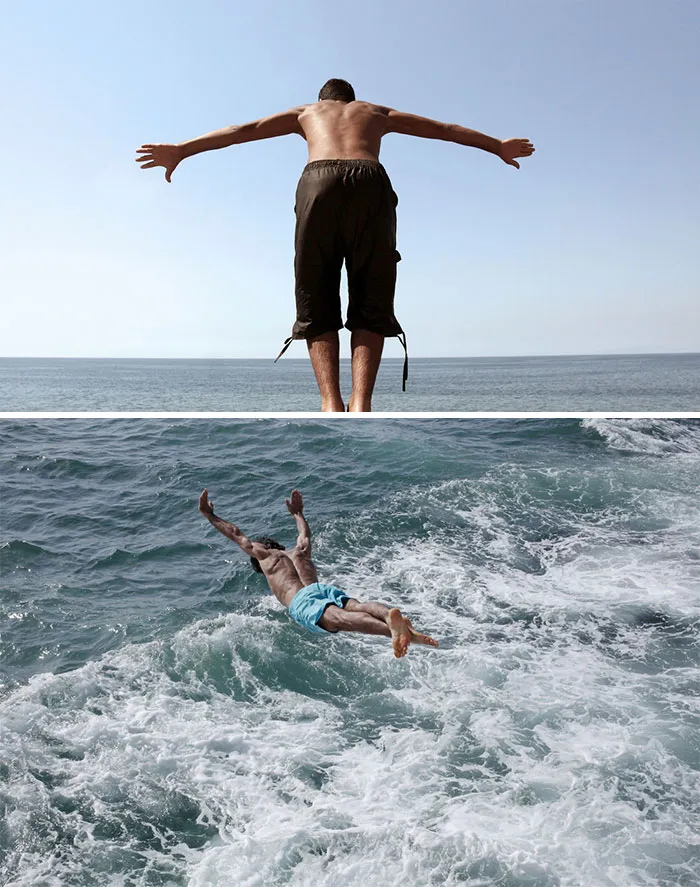
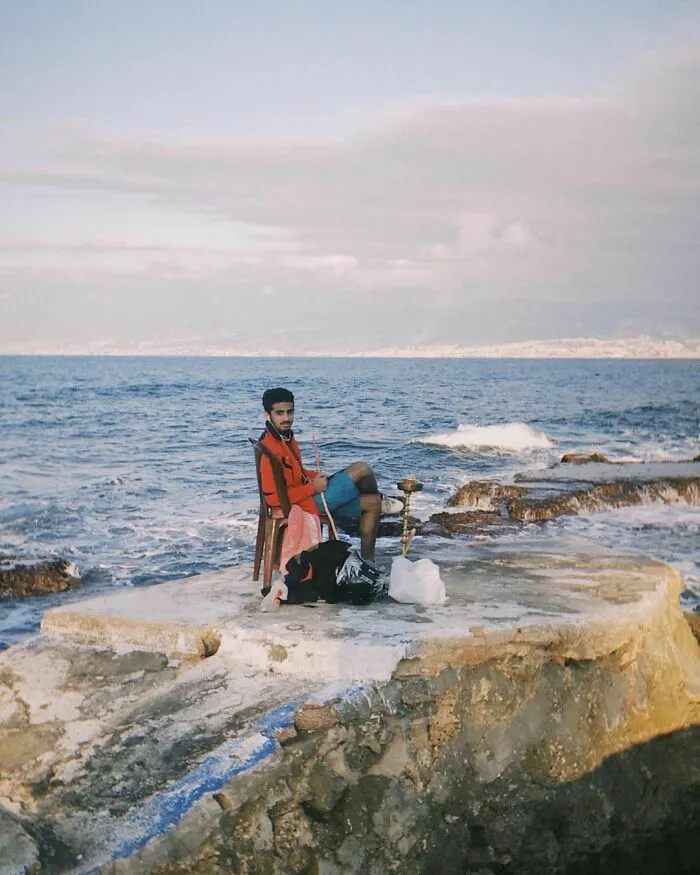
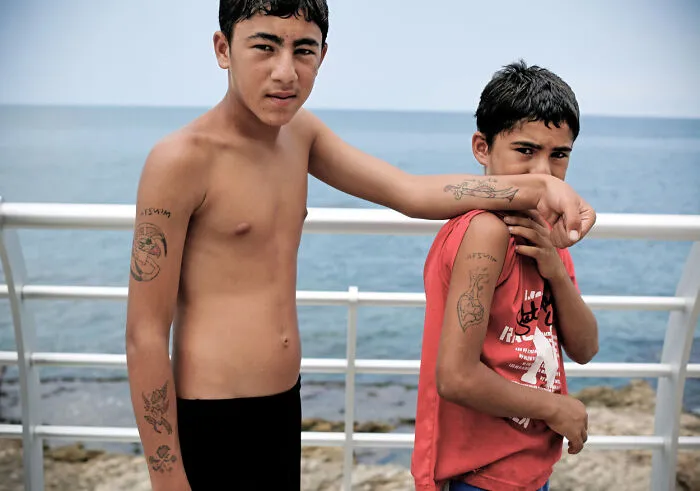
Photographs of young men pre, mid, and during flight, diving into the sea surrounding Beirut, Akka, Tunis, and Gaza.
Report
10points
#23
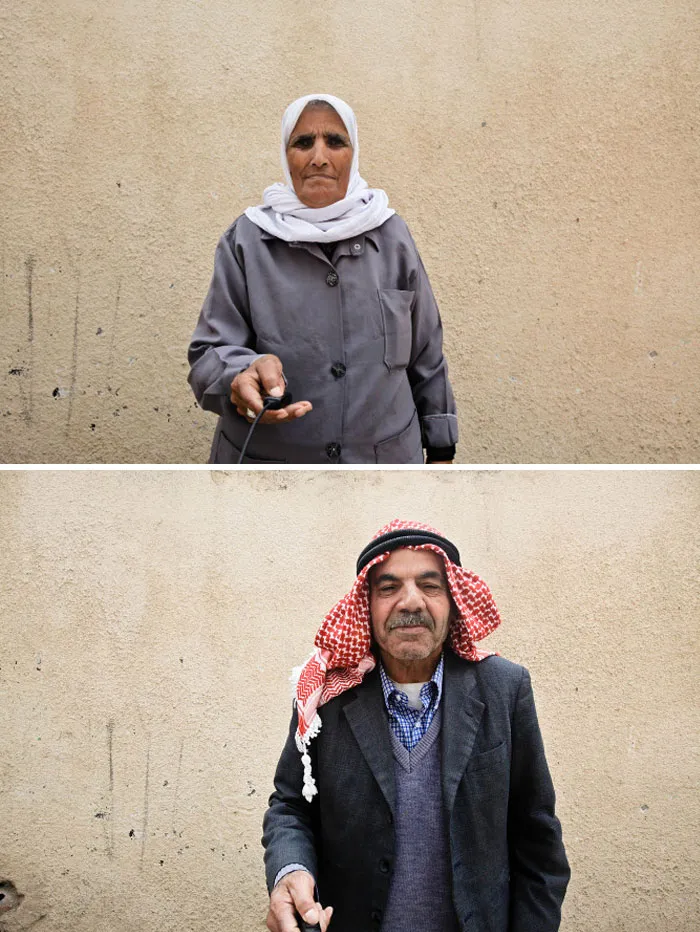
Al Amari, Ramallah.
The lives of people living in marginalized communities can be tremendously underrepresented. Who they are, their lives, and their stories are often undocumented. Do they choose how to represent their own photo? Are they given the option to imagine themselves richly in their own eyes? This project goes beyond the idea of people snapping their own photographs, it is an interactive exercise where people have the ability to control their own image and for once, decide how to represent themselves.
This project was inspired by the Handsworth Self Portrait, Birmingham, 1979.
Report
10points
#24
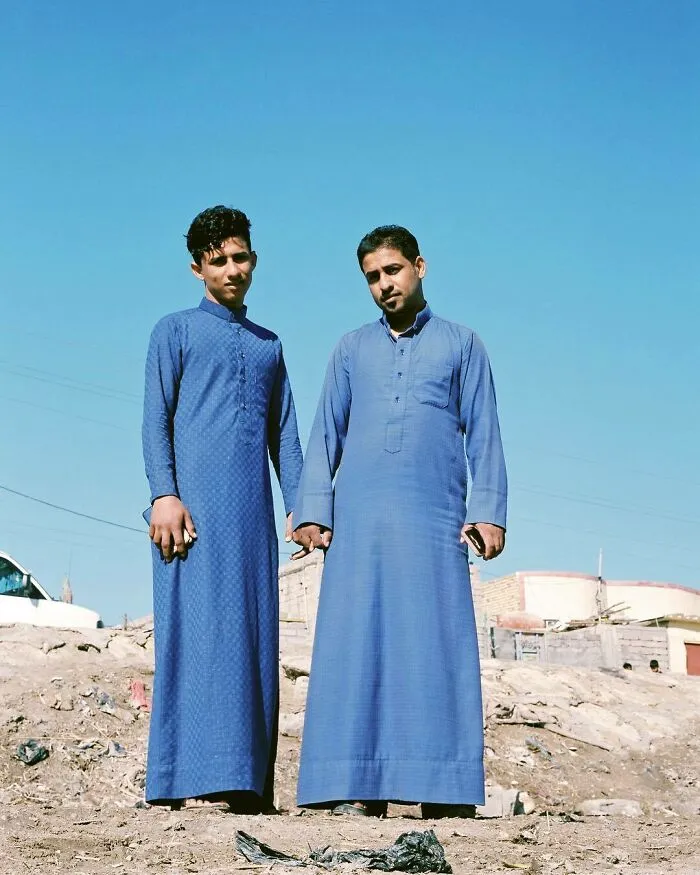
Best friends.
Meet Karrar and Falah. They dressed alike on purpose that day. 19 and 25 years old respectively, they are from Chabayish, on the banks of the Euphrates, a 10-minute boat drive to the Marsh Islands.
Report
10points
#27
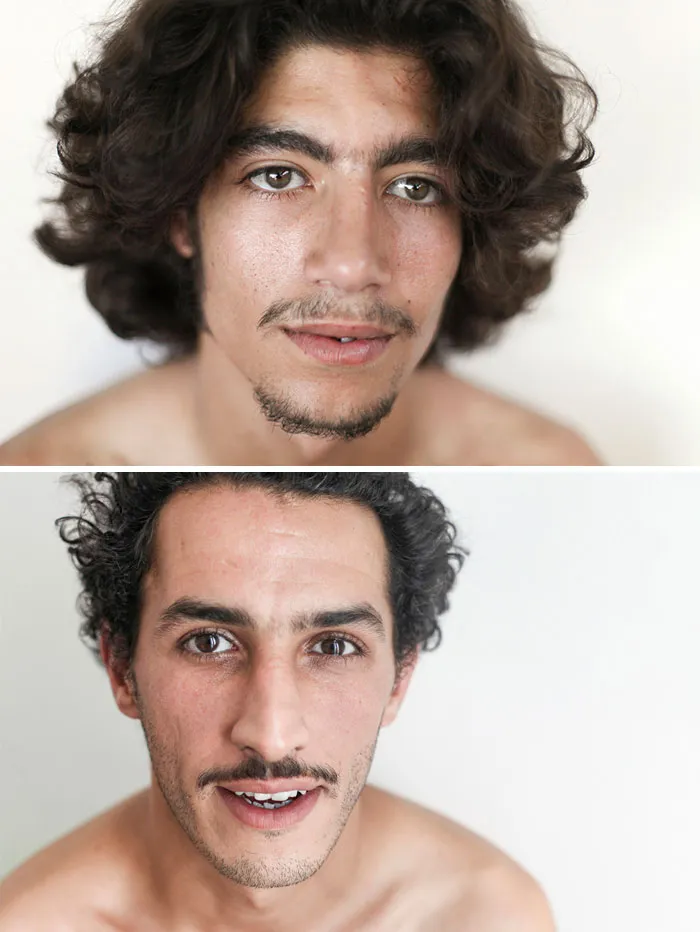
2009-2014.
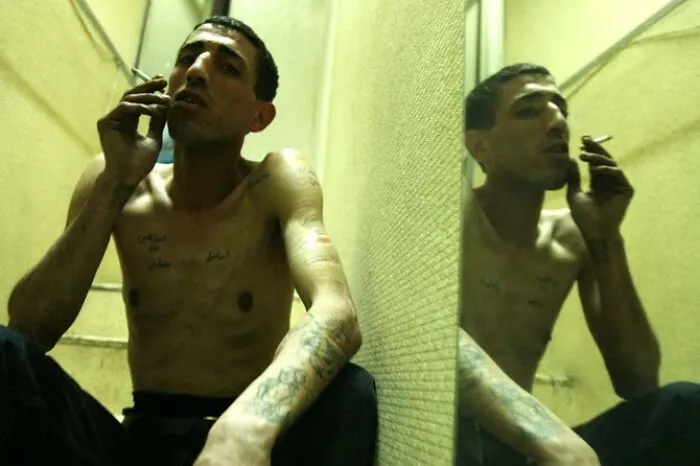
Started in 2009, this portrait series is part of a large body of work capturing semi-nude Arab men of diverse backgrounds.
The conceptual aim of this portrait series is two-fold: Trying to uncover and break the stereotypes placed upon the Arab male, and providing an alternative visual representation of that identity. Secondly, it is a celebration of their sensual beauty, an unexplored aspect of the identity of the contemporary Arab man, on the cusp of change in a society that reveres an out-dated form of hyper-masculinity.
Started in 2009, this portrait series is part of a large body of work capturing semi-nude Arab men of diverse backgrounds.
The conceptual aim of this portrait series is two-fold: Trying to uncover and break the stereotypes placed upon the Arab male, and providing an alternative visual representation of that identity. Secondly, it is a celebration of their sensual beauty, an unexplored aspect of the identity of the contemporary Arab man, on the cusp of change in a society that reveres an out-dated form of hyper-masculinity.
Report
9points
#29
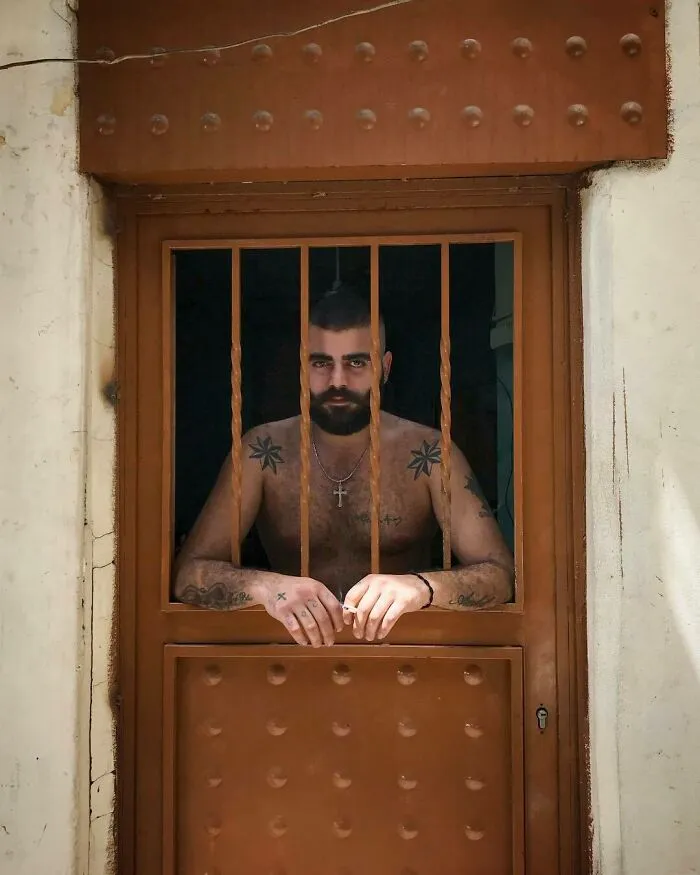
I came across Arakel this morning while he was having a cigarette at the door of his house.
Report
9points
#33
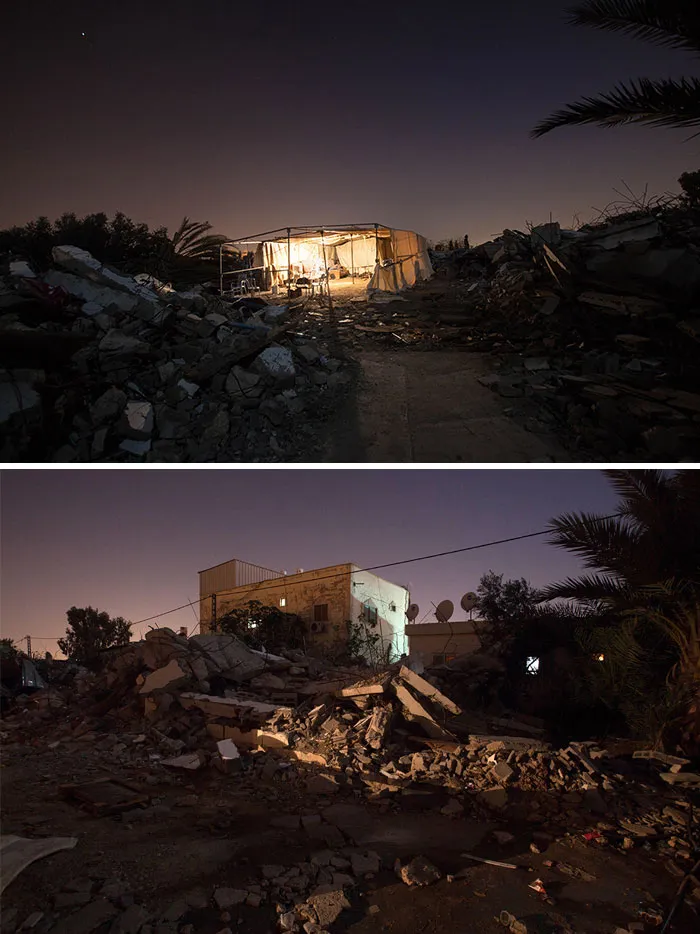
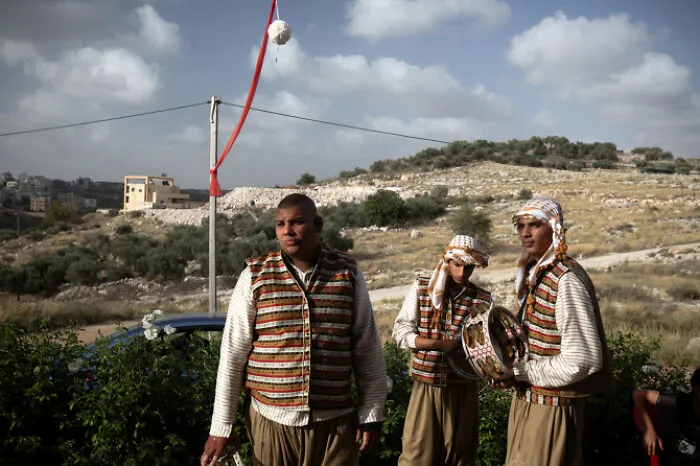
Seven is a series of images documenting the destruction of a Palestinian neighborhood in the city of Lyd, in Occupied Palestine. 7 homes belonging to the Abu Eid family were reduced to rubble when the Israeli military destroyed the neighborhood in December 2010 leaving them to sleep in tents next to their former homes. These are images of the tents in the aftermath.
Report
8points
#34
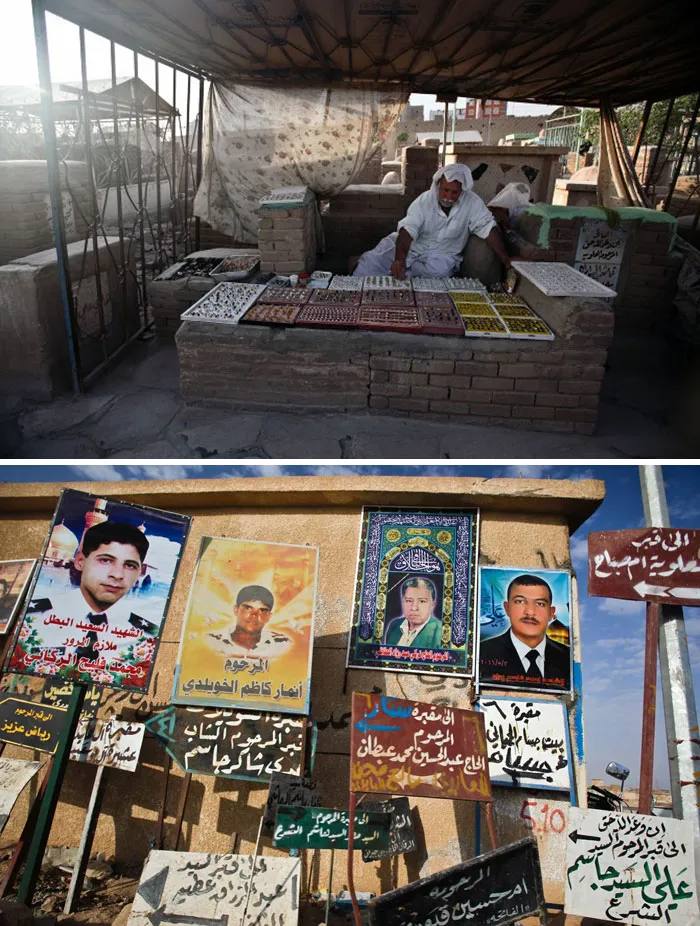
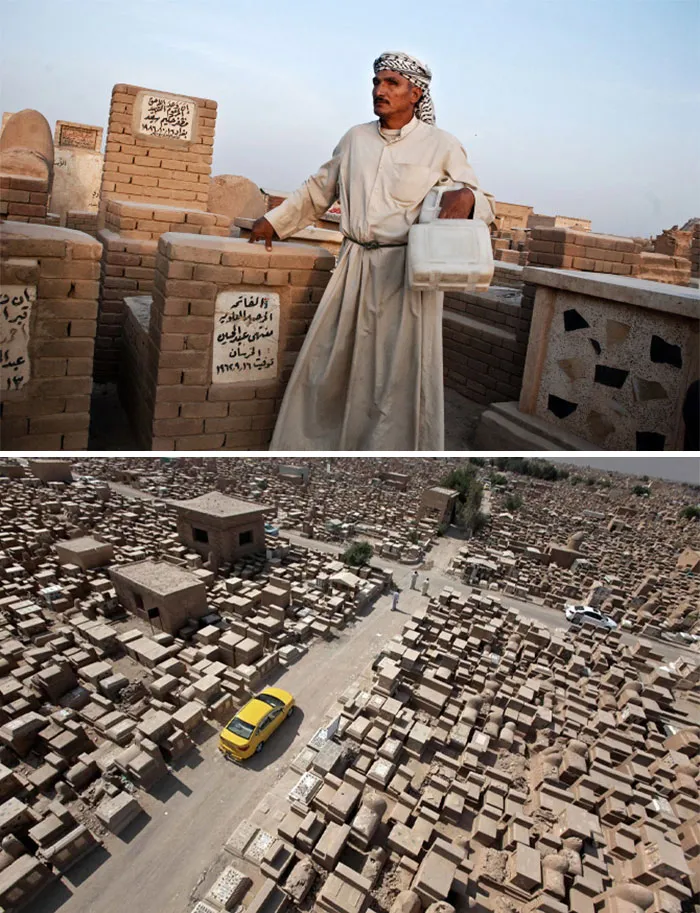
'Najaf is a place for burying, not for living' - Iraqi proverb.
Wadi As-Salam [eng; Valley of Peace], is a cemetery located in Najaf, a province in the Western part of Central Iraq. Najaf is distinguished by this vast cemetery (over 5 million people are buried here), which is considered to be the second largest and oldest cemetery in the world. The cemetery is home to generations upon generations of Iraqis and Shiaa's gone past and has also bore witness to generations of turmoil and war both directly on its land and beneath it. It also saw fierce battles between US troops and the Mehdi army during the battle for Najaf in 2004.
Wadi As-Salam [eng; Valley of Peace], is a cemetery located in Najaf, a province in the Western part of Central Iraq. Najaf is distinguished by this vast cemetery (over 5 million people are buried here), which is considered to be the second largest and oldest cemetery in the world. The cemetery is home to generations upon generations of Iraqis and Shiaa's gone past and has also bore witness to generations of turmoil and war both directly on its land and beneath it. It also saw fierce battles between US troops and the Mehdi army during the battle for Najaf in 2004.
The symbolic value of the cemetery's name nestled in a nation so overcome by war is what compelled this photo series.
Report
8points
#35
'Najaf is a place for burying, not for living' - Iraqi proverb
Wadi As-Salam [eng; Valley of Peace], is a cemetery located in Najaf, a province in the Western part of Central Iraq. Najaf is distinguished by this vast cemetery (over 5 million people are buried here), which is considered to be the second largest and oldest cemetery in the world. The cemetery is home to generations upon generations of Iraqis and Shiaa's gone past and has also bore witness to generations of turmoil and war both directly on its land and beneath it. It also saw fierce battles between US troops and the Mehdi army during the battle for Najaf in 2004.
Wadi As-Salam [eng; Valley of Peace], is a cemetery located in Najaf, a province in the Western part of Central Iraq. Najaf is distinguished by this vast cemetery (over 5 million people are buried here), which is considered to be the second largest and oldest cemetery in the world. The cemetery is home to generations upon generations of Iraqis and Shiaa's gone past and has also bore witness to generations of turmoil and war both directly on its land and beneath it. It also saw fierce battles between US troops and the Mehdi army during the battle for Najaf in 2004.
The symbolic value of the cemetery's name nestled in a nation so overcome by war is what compelled this photo series.
Report
8points
#37
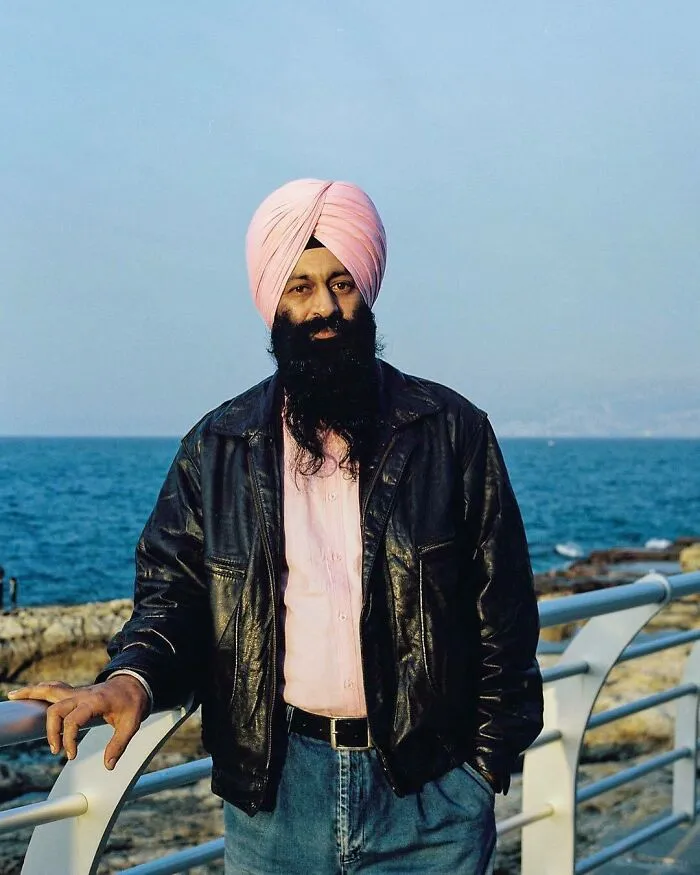
Thank you to this kind gentleman for letting me photograph him out of my appreciation for his pink on pink combo.
Report
8points
#39
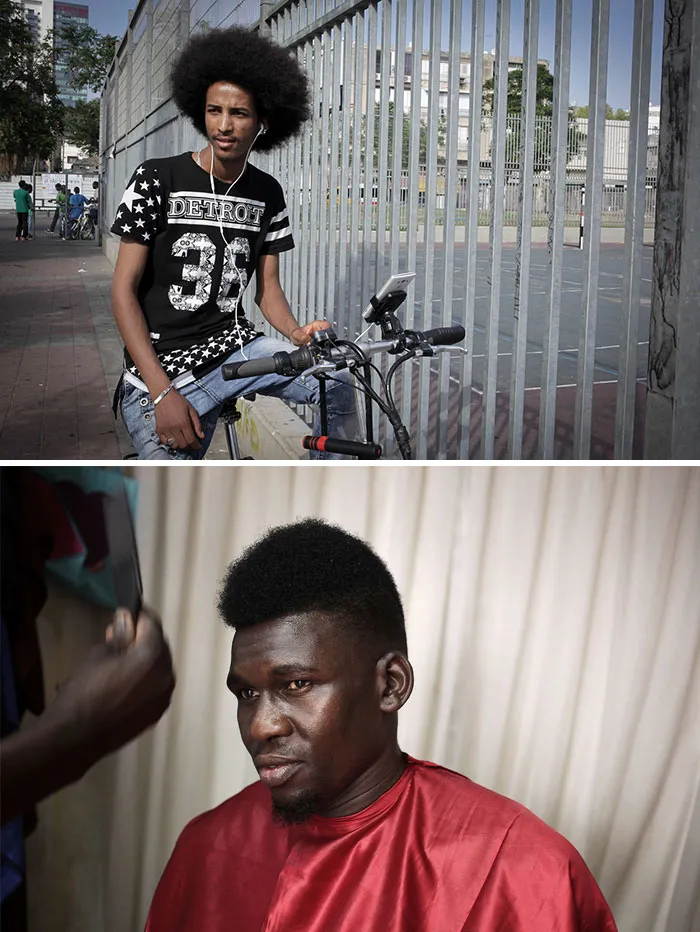
Fade to Black is a portrait series documenting African asylum seekers' barbershop culture in South Tel Aviv. These Muslim and Christian Sudanese, Eritrean and Ethiopian refugees have made the Levinsky Park neighborhood home, where they run barbershops, restaurants, and clothing stores. Finding their communities in the midst of being discriminated against systemically by their 'chosen home'.
This series was born out of an appreciation for their personal style and their self-expression through their fashion and hairstyles. From 2006-2012, a large influx of African asylum seekers arrived in Israel, with many having been trafficked through the Sinai Peninsula. Currently, about 38,000 of them are facing deportation.
This series was born out of an appreciation for their personal style and their self-expression through their fashion and hairstyles. From 2006-2012, a large influx of African asylum seekers arrived in Israel, with many having been trafficked through the Sinai Peninsula. Currently, about 38,000 of them are facing deportation.
Report
7points
#40
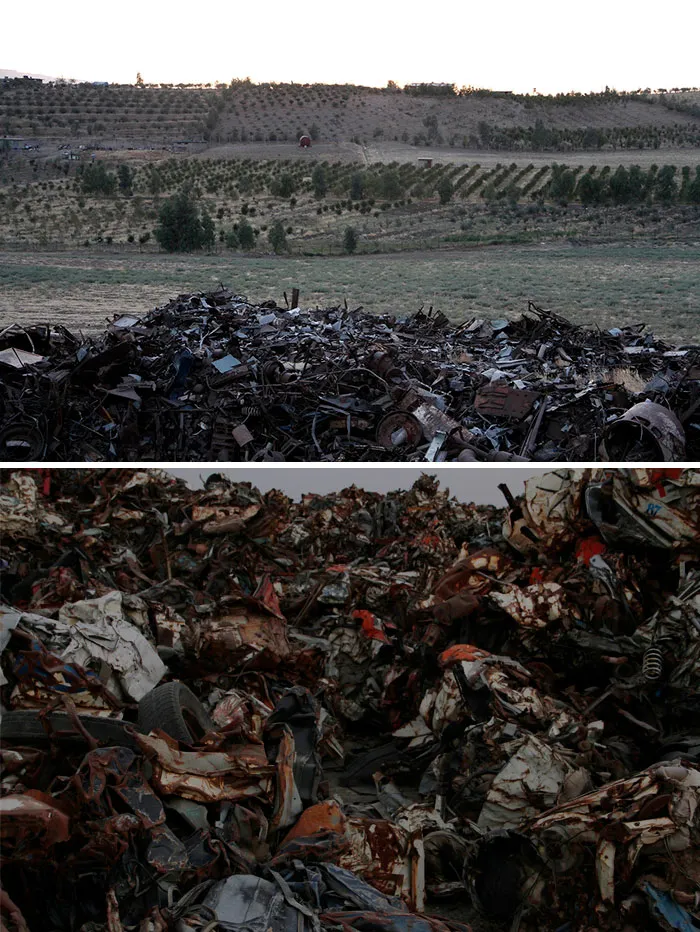
This 'war machine graveyard' in Sulimaniyah, Kurdistan -Northern Iraq- is a grim reminder of decades of war in Iraq. Mountains of used missiles, US military tanks, humvees, and other used weaponry fill the landscape.
This landscape speaks volumes as to the result of the destruction, occupation, and violence that this country has witnessed in the last 30 years.
Report
7points


