

Spam texts, calls, and emails are a daily reality, and a very annoying one. That’s why some people are very careful about who they give their phone number or email to. Data privacy is a major concern for many people in general, as 81% of Americans worry about the information that companies collect about them.
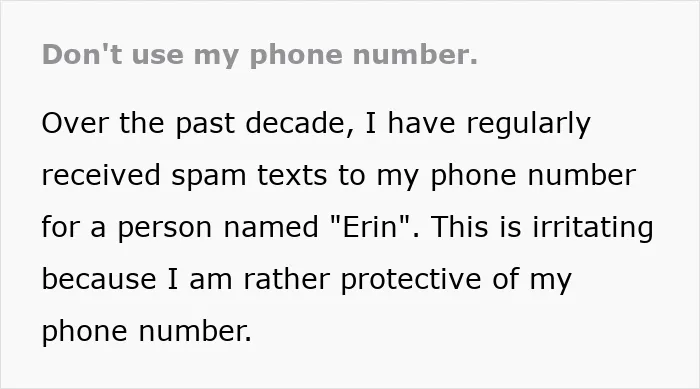
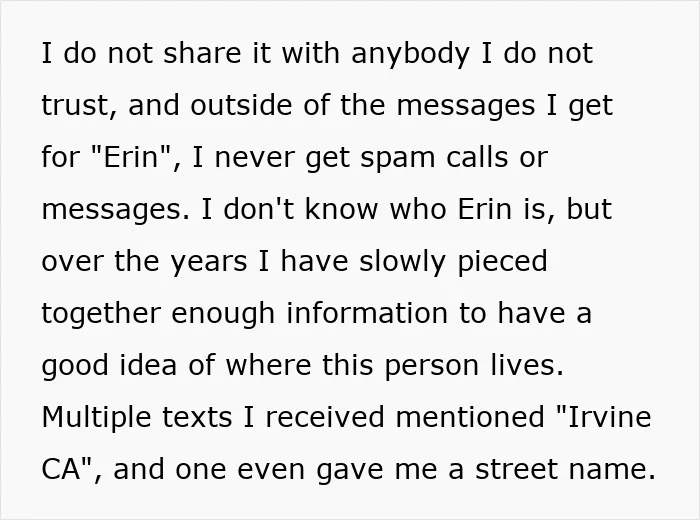
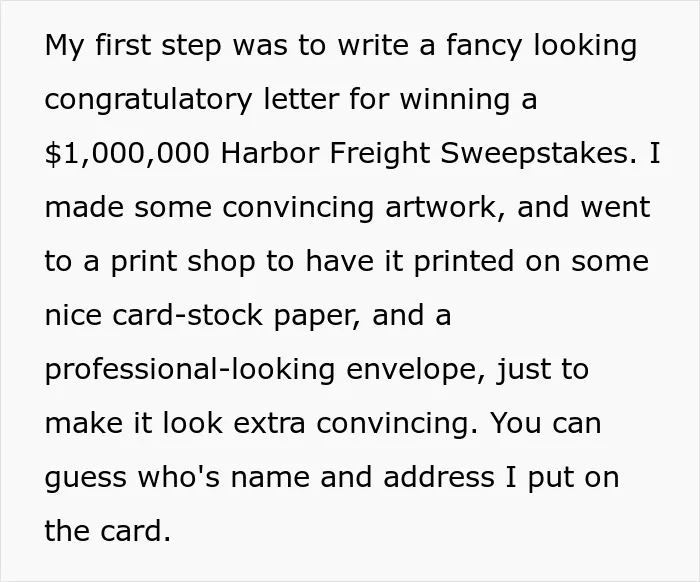
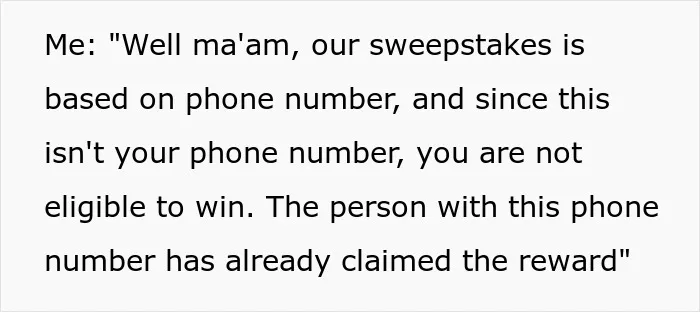
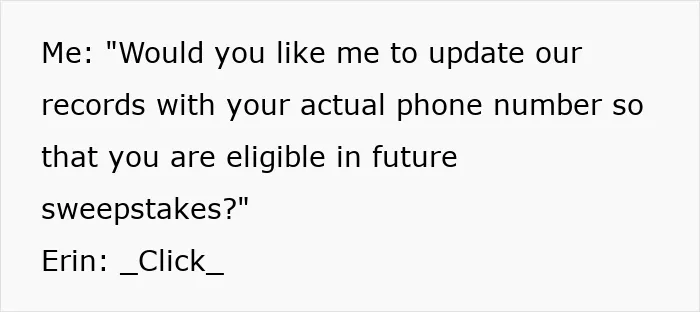
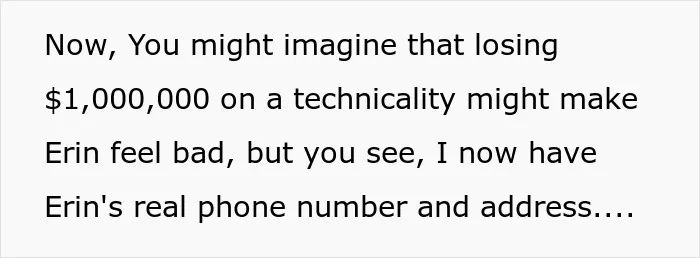
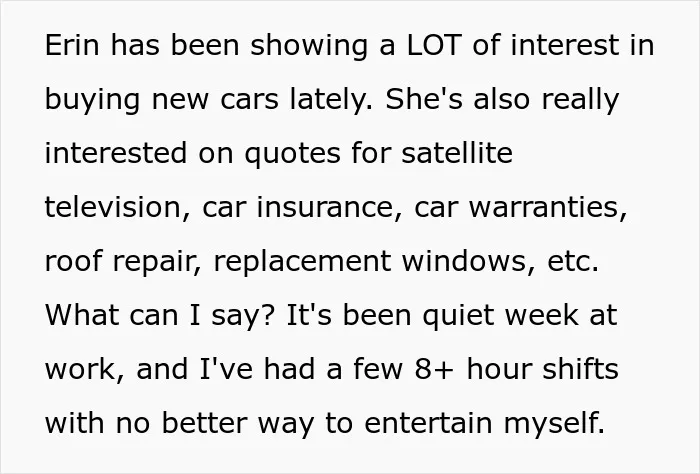
This man had to deal with mysterious spam texts for a decade because some woman named “Erin” was giving out his number. After accidentally finding out her address, the guy concocted an evil but genius revenge plan, making her think she won a $1M sweepstakes. What’s more, he planned to give her a taste of her own medicine and sign her up for all sorts of spam calls and texts.
A man was getting mysterious spam texts addressed to “Erin” for 10 years

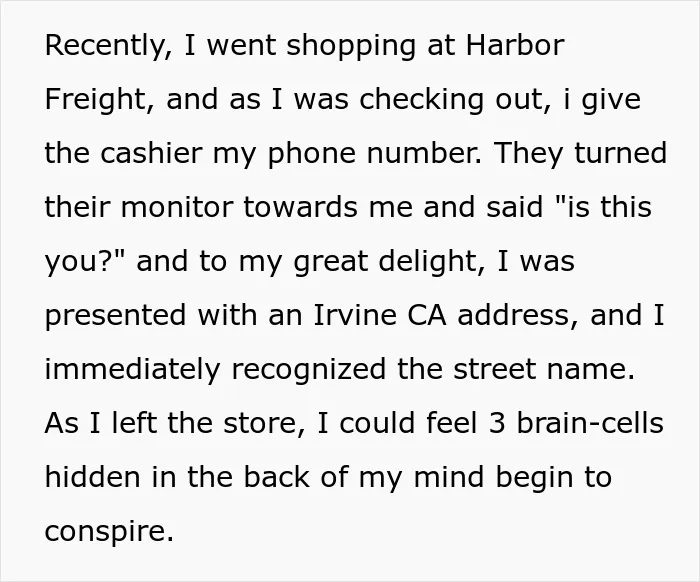
When he accidentally found out her address, he came up with an evil plan to get back at her

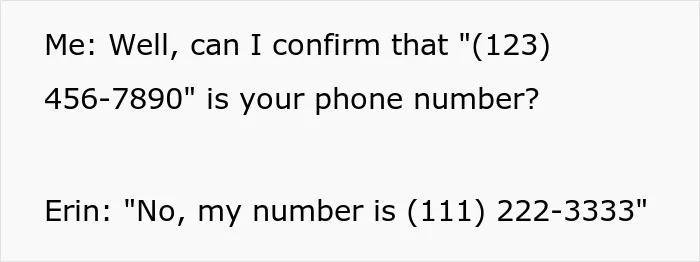
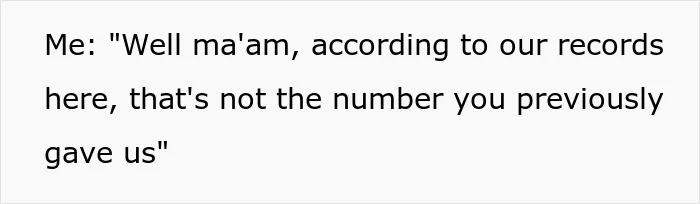

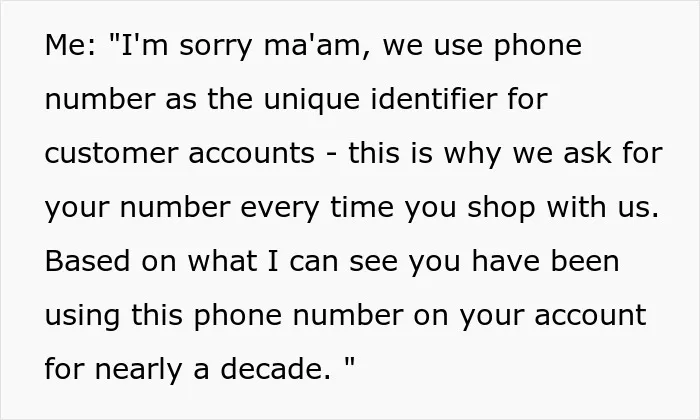
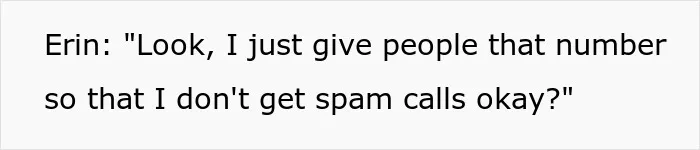



Retailers collect our phone numbers to make shopping easier, but it has a dark side, too
Nowadays, it’s typical for a cashier or other service provider to ask for your phone number at checkout. We’re also asked to provide our email almost every time we order something online. Sometimes, you might not even think twice and give it out whenever you’re asked. However, this story is a cautionary tale about taking our data privacy more seriously.
Do you always give your real phone number to cashiers, Pandas? If you sometimes refuse or give a fake one, you’re not alone. Many people are bothered by this practice: 33% of Americans refuse to enter their number when shopping online, and 26% don’t give it for loyalty or rewards programs.
Why do stores even ask for your number? Many reasons are harmless and even useful for customers.
- Companies can email you digital receipts.
- Your phone number can be linked to a warranty for an electronic device or appliance, making it easier to contact you if there’s a defect.
- Stores can text you when pick-up orders are ready.
- When fraud occurs, or you make a big purchase, companies use phone numbers to confirm your identity.
But a phone number can be used for more than just sending you promotional texts or calling you with special offers. With your number, companies can build a profile about you based on your purchases and use it for marketing later. This is called identity matching, where companies build your profile across different systems by using email addresses, loyalty accounts, and even third-party marketing lists.
Some retailers and companies may collect so much data on us that it feels like surveillance
Identity matching is essentially how we get curated shopping experiences. While “For you” suggestions can be helpful and make shopping smoother, they often come with a hidden privacy cost most of us don't notice. Luckily, more people are paying attention to their data.
According to a recent study by ThoughtSpot, 74% of consumers in the U.S. and the UK think that retailers collect too much information about them. Retailers ranked third among the most distrusted bodies, with 30.8% saying they distrust them with their personal data; tech companies ranked first at 56.4%, and government bodies second at 41.8%.
Miya Knights, retail technology analyst at ThoughtSpot, explains that this distrust is logical. When people give their number to a retailer to collect rewards or receive promotions, they don’t expect the retailer to use it to curate a personal shopping experience.
“Personalization built on explicit information customers have knowingly provided feels like service; personalization inferred from implicit data, such as tracked behavior, location, or prediction, feels like surveillance,” she writes in the foreword to the ThoughtSpot study.
According to experts at the data-removal service Privacy Bee, customers are not required to give their phone number at checkout for a receipt, to sign up for a rewards or loyalty program, or even for a warranty registration (which can be filled in online later). You can also decline the “Can I get a number for you?” question at the register.
When we need something shipped to our home, buy something in installments, return something without a receipt, or pick up an order at the store, it's generally okay to give out our phone number. Look at it this way: if you can’t complete the purchase without giving your number, then it’s necessary.
It’s tiring, but even something as simple as giving your phone number at the register can cost you your privacy. And not only in terms of crazy ladies causing you to deal with years of unwanted spam texts.
“A number you hand over at one register does not necessarily stay with that one store,” Privacy Bee warns. “Depending on the retailer's practices, a number can be retained, matched against other records, or shared with third parties, and in some cases that data eventually flows into Data Brokers or People Search Sites.”
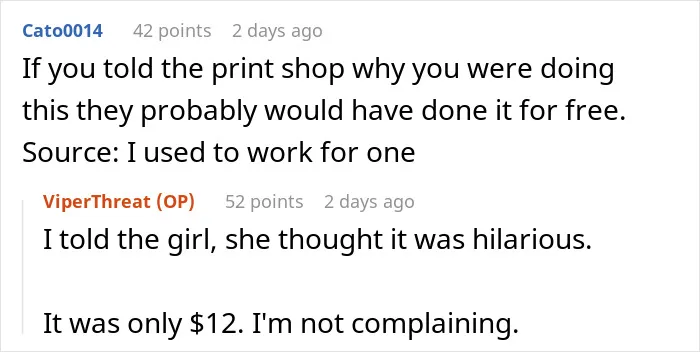
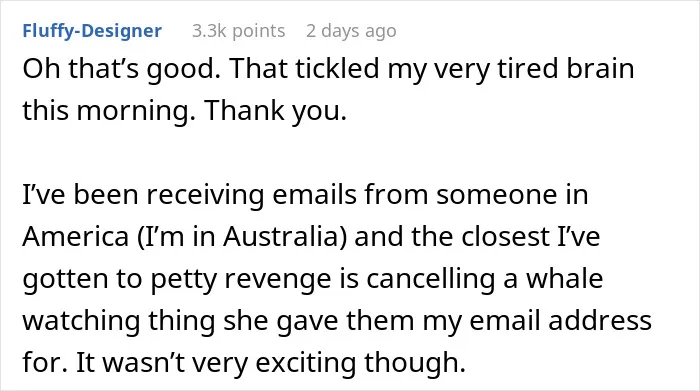
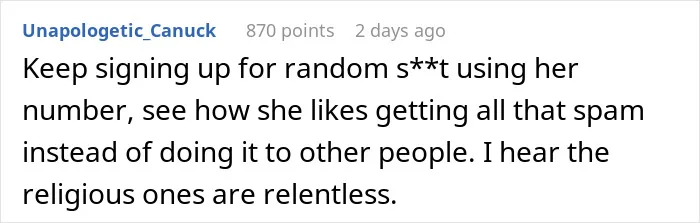
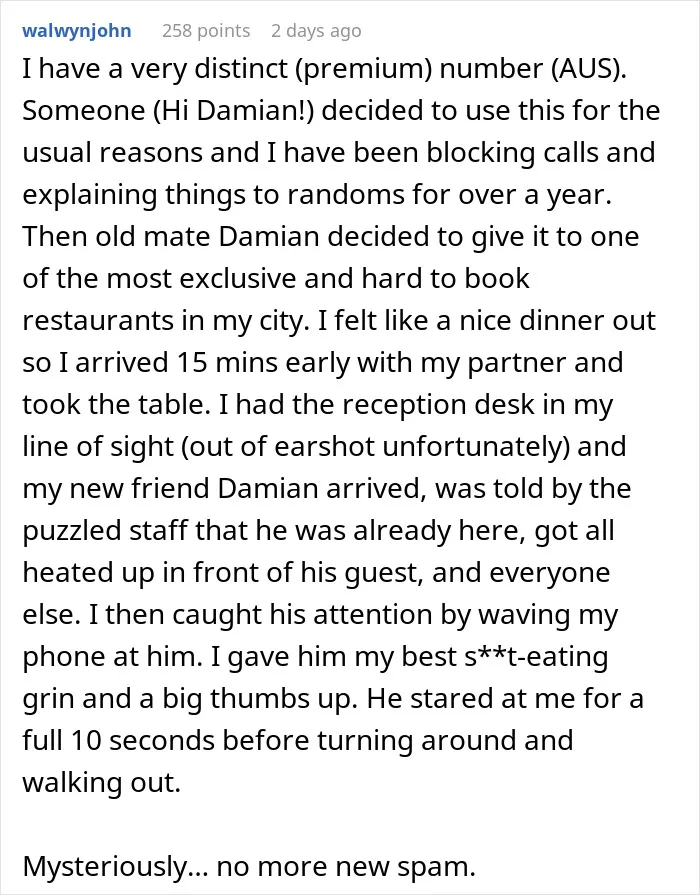
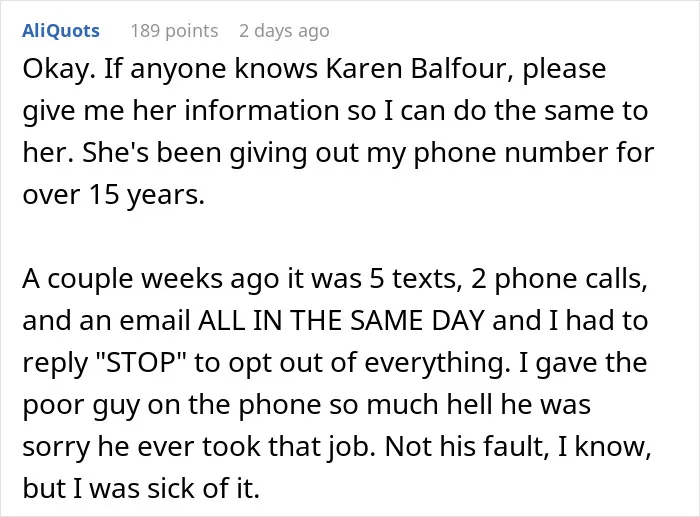
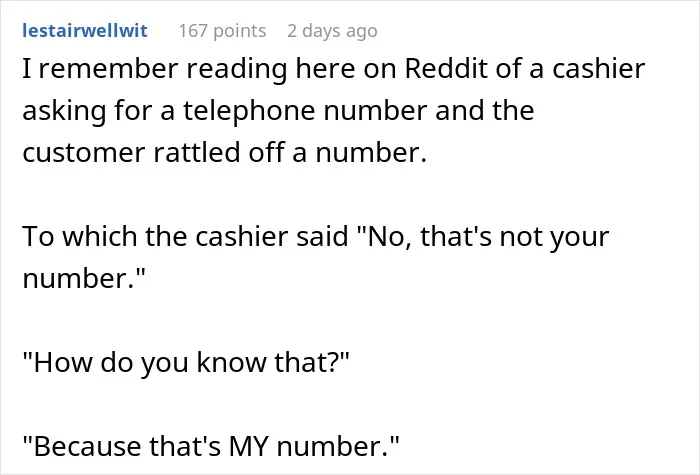
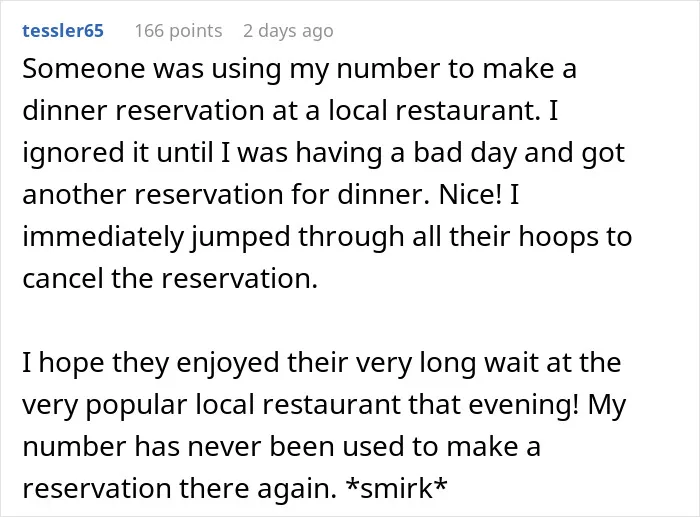
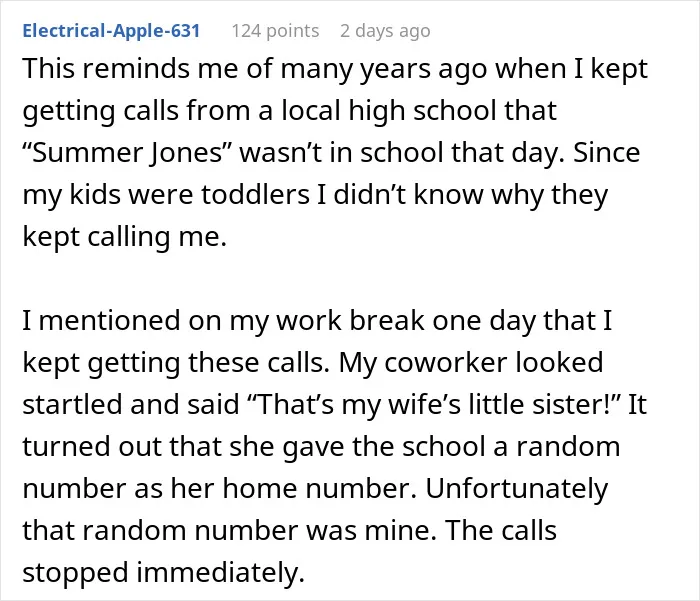
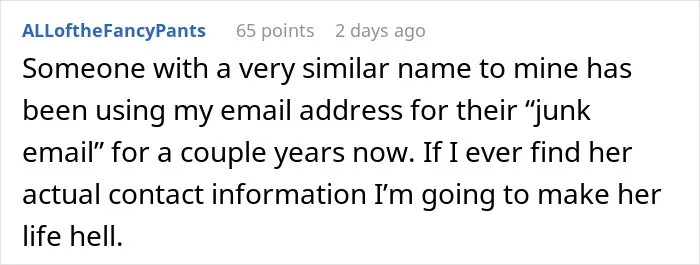
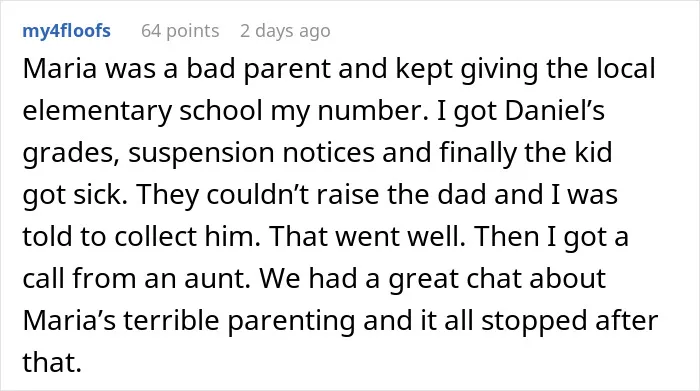
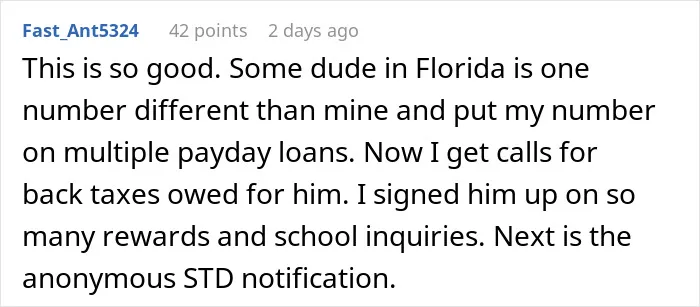
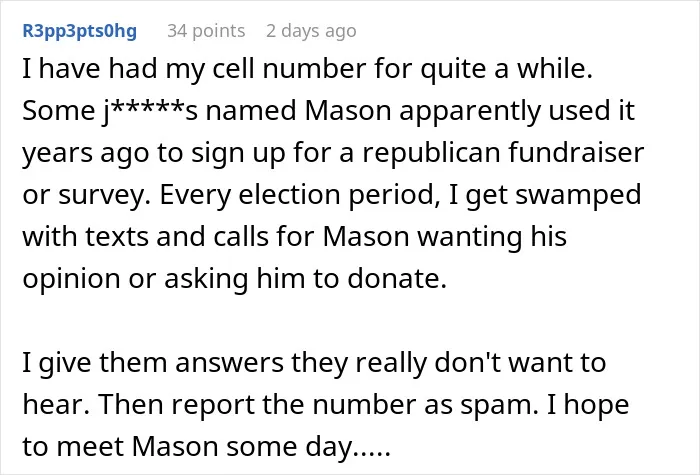
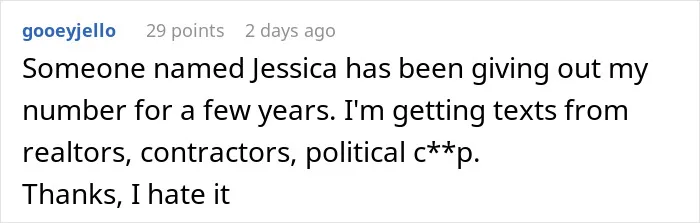
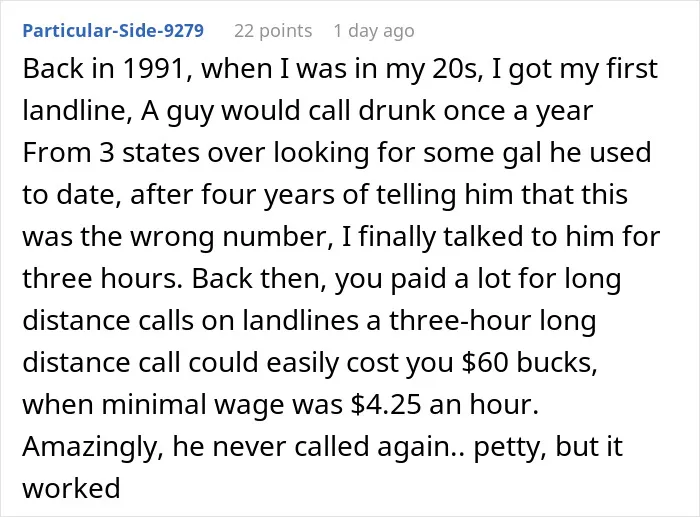
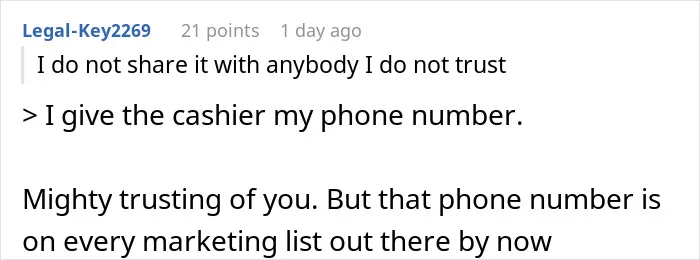
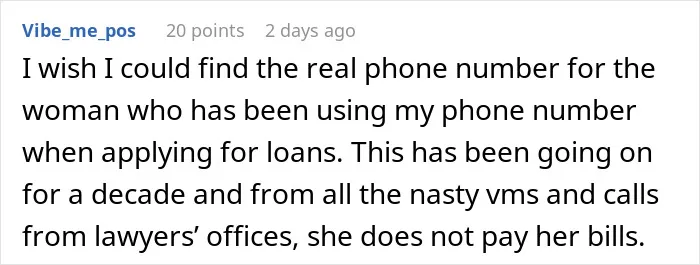
Commenters urged the guy not to stop here and sign “Erin” up for more things so that the spam calls never stop