





You know the moment. Someone starts chewing a little too loudly. A phone rings at the worst possible time. A person in front of you does one tiny thing that should not matter, yet suddenly you are clenching your jaw and counting to ten.
That is the weird power of pet peeves. They feel personal and obvious when you are the one experiencing them. The problem is, they are not universal.
Some of these will probably make you nod in agreement, others migh*//*t make you roll your eyes. Either way, not everyone reacts the same, and that’s where the real divide starts.
#21 Sleeping With “Regular” Clothes

Few habits divide people faster than what they wear to bed. Some happily fall asleep in whatever they had on all day, while others cannot get comfortable unless they strip down to underwear or pajamas.
For clothes-on sleepers, the appeal is convenience. There is no extra routine, no changing outfits, just getting into bed and calling it a night. To them, daytime clothes feel no different from sleepwear.
That idea horrifies underwear sleepers. Jeans, jackets, and worn shirts feel restrictive, unclean, and impossible to relax in. And then there is a third group entirely, people who sleep naked and leave everyone else wondering how they manage to feel comfortable at all.
When it is time to sleep, are you climbing into bed exactly as you are, changing into something specific, or ditching clothes altogether?
2points
#22 People Who Dress Up Animals

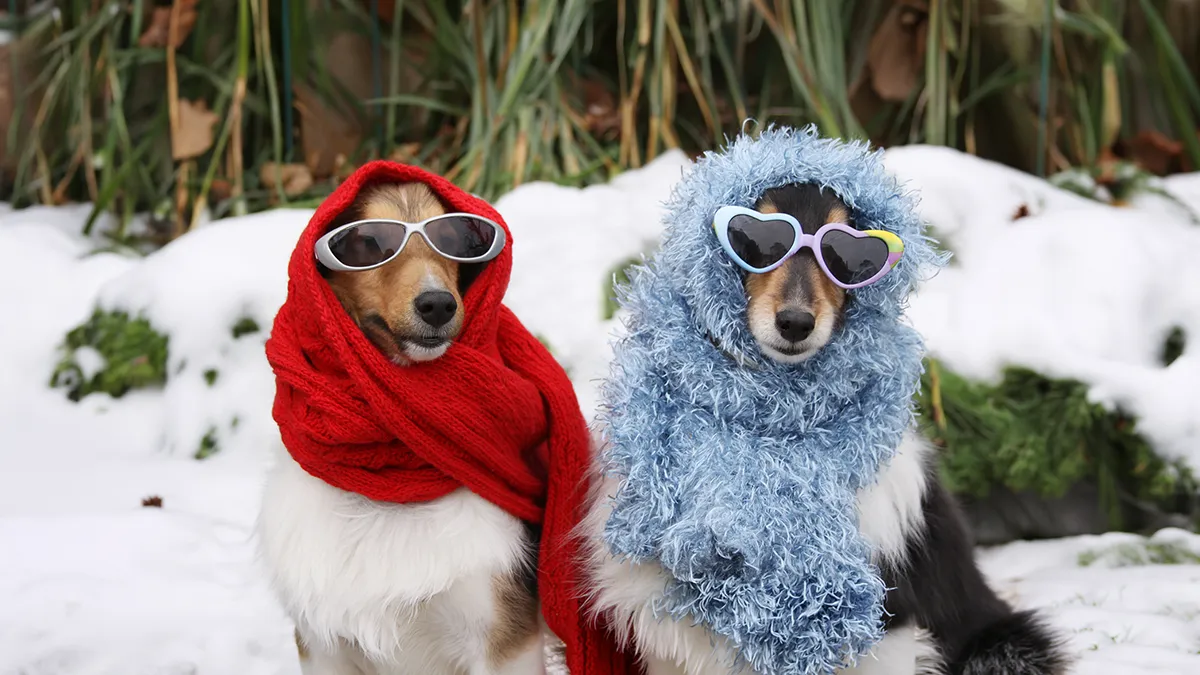
That little pink dress might look cute on your pet, but your pet probably hates it, and so do many other people. Clothes could restrict your pet’s natural movement or even get them tangled up or caught on something. Some even consider dressing up your animal a form of “animal abuse.”
Is it that bad, though? The RSPCA told BBC that, “There can be clear benefits from animals wearing some forms of clothing such as for warmth and waterproofing. However, functionality must always come before fashion and the clothing must have a clear welfare benefit when dressing animals.”
And the trend is only getting bigger. The global pet clothing market is anticipated to reach a $7bn worth by 2032. Chris Corbin, commercial director at Pets at Home, told The Guardian, “This is driven by an increasing number of pet owners, and pets becoming an integral part of the family in a growing humanisation trend.”
So when you see a dog in a costume, are you thinking “aw,” or “leave the poor thing alone,” and if it is your pet, where do you draw the line between practical and just for fun?
Report
0points
#23 Finger Cracking

You either crack your fingers or feel your patience evaporate when someone else does it, there rarely seems to be any middle ground.
Studies estimate that somewhere between 20% and 50% of Americans crack their knuckles, and Harvard Medical School has said the habit itself is harmless, as reported by The Washington Post.
That reassurance does little for people who have to sit through it, especially when each finger is popped slowly, one by one.
The tension usually comes down to etiquette, not health. If the sound makes you cringe, do you grit your teeth and let it go, or speak up and risk being the annoying one in the room?
-1point
#24 Wearing a Backpack on the Front

Wearing a backpack on the front seems like a non-issue until you are the one squeezing past it on a packed train. Still, plenty of people find it instantly irritating. Hugh Grant even admitted he walks around “pet peeving,” and said backpacks bother him most when they are worn on the front.
At the same time, The Japan Times notes that wearing a backpack on your chest is common in Japan, partly for security in crowds and partly to make more space for others.
And then there is the practical argument. As one traveler put it on social media, “It is done all over the world by wary travellers on crowded trains, buses, and in busy public places. One reason is so that you don’t smack someone in the head with it, because you didn’t see them, but the main reason is to prevent theft.”
So if you see someone wearing their backpack on the front, are you thinking “thank you for being considerate,” or “turn it around already?”
-3points
#25 Driving Without Music

Some people get in the car, turn nothing on, and feel instantly calmer. Other people hear that silence and think, why are we doing this to ourselves?
If you are team music, the drive feels incomplete without it. If you are on a team that is silent, music can feel like another distraction you did not ask for.
The research does not settle the argument either. A 2023 study published on NCBI linked music while driving with higher odds of aggressive driving, miscalculations, and road violations. But Ben-Gurion University of the Negev researchers told News Medical that for many people, driving without music feels “absolutely impossible.”
And Prof. Warren Brodsky, who leads the BGU Music Science Lab, put it bluntly: “To young drivers 18-29, music in the car isn't just entertainment, it's part of their autosphere whether they're alone or not.”
So when you get in the car, and the driver stays in silence, do you respect the focus, or are you itching to reach for the radio?
Report
-3points
#26 Crushing The Toast With Cold Butter

Few breakfast habits spark as much low-level outrage as crushing toast with rock-hard butter. For some people, watching toast get flattened under cold butter feels like witnessing a small but unforgivable food crime.
The frustration usually comes down to texture. Cold butter tears the toast, leaves uneven patches, and ruins that perfect crunch. Others, however, are willing to accept a mangled slice if it means eating right away instead of waiting around hungry for butter to soften.
Food creator Jessica Gavin offered a workaround in a Facebook video, suggesting people shave thin slices of cold butter with a peeler or knife and lay them gently on the toast so they melt evenly without destruction.
When your toast pops up, and the butter is still fridge-cold, do you wait it out, shave it carefully, or go full smash and accept the consequences?
Report
-3points
#27 Pineapple on Pizza

Does pineapple belong on pizza or not?
In the 1960s, a chef in Canada created what would later become the world's most divisive pizza topping. The mix of salty tomato sauce, ham, cheese, and the sweet pineapple has even sparked heated global disputes between world leaders and diplomatic interventions (per BBC).
While many Americans swear by this “heavenly” combo, pineapple on pizza still gives traditional-minded foodies the ick. In a viral TikTok video,
Gordon Ramsay vehemently rejected the polarizing topping. “Pineapple does not belong on a pizza!” the award-winning British chef angrily screamed, only to be met with a chorus of boos in the comment section.
-4points
#28 Quite Speakers

Quiet speakers can seem calm and thoughtful, until you are leaning across a table for the fifth time trying to catch what they just said.
In louder settings, their low volume can quietly take over the entire interaction. You nod along, miss half the sentence, then wonder whether it is worth asking them to repeat themselves again or just letting it go.
Of course, quiet talkers usually have a reason. Some are shy, some second-guess their words, and some simply do not want their personal conversations broadcast to everyone around them.
That explanation does not always make it less frustrating. People who speak loudly often describe mumbling as inconsiderate, while quieter speakers push back just as hard, calling loud talkers “trashy,” “immature,” and “insecure.”
Be honest, do you think quiet speakers are being considerate, or making everyone else work for it?
Report
-5points
#29 Putting Ketchup Directly on the Fries

This debate starts the second fries hit the table. Do you drizzle ketchup straight over them, or do you keep it safely on the side?
For some people, ketchup directly on fries feels like sabotage. Once they are drenched, the crisp is gone, the texture changes, and every fry tastes exactly the same. Keeping ketchup on the side means control, cleaner hands, and fries that stay crunchy for as long as possible.
Others see no point in the extra steps. If you are going to eat ketchup with fries anyway, you might as well commit. Drenching them saves time, ensures even coverage, and skips the repetitive dipping altogether, including soggy fries.
Report
-7points
#30 Texting Without Emojis

For emoji users, text-only replies can feel flat or even cold. Without visual cues, messages are easier to misread, especially in casual or friendly conversations.
That instinct is backed by research from Christopher Newport University, where psychologists Nicole Guajardo and Brooke Nixon found that people who mirror emojis and texting style are rated as more likable than those who do not. As Nixon put it, matching linguistic style helps build a sense of connection, even without face-to-face interaction.
Still, not everyone wants to decorate every message. Some see emojis as unnecessary effort, or worry they come off as forced or childish in certain contexts.
Do emojis make conversations warmer, or do they just clutter a perfectly clear message?
-9points