


#1

#2

#3

Visiting the vet might feel like something you only do when your little animal companion is feeling ill, but research suggests owners should take their pet at least once a year. Do this even if the creature is well, as it gives doctors a chance to assess overall health and administer vaccinations if needed.
These routine visits can help keep animals happy and energetic, as vets can also advise on any needed changes to diet, exercise, or daily schedule. This preventative care can significantly increase an animal’s lifespan, and although it may be pricey, most insurance companies cover the price of the visit.
#4
#5
#6
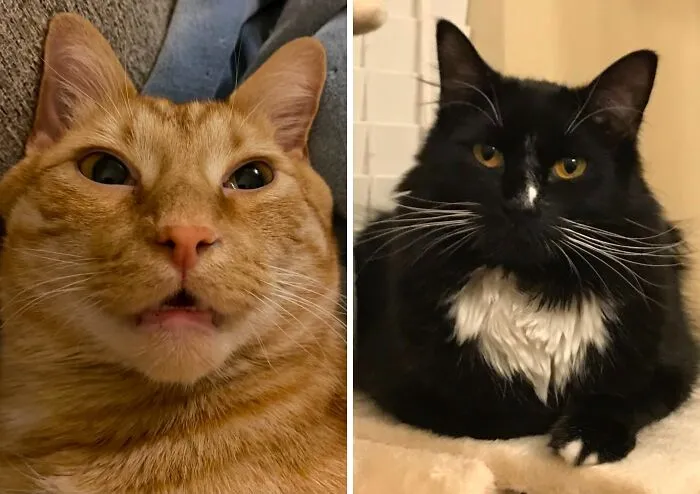
My orange cat ran headfirst into a glass door because he saw something on the other side that he wanted. My tuxedo cat slapped him across the face for being stupid and tore the orange cat’s inner eyelid. $2000 eye surgery. 
The orange cat who got slapped and the tuxedo cat who did the slapping.
Just as some humans get checked yearly, Holdenwald Animal Hospital says dogs, cats, and other pets should also see the vet even if they aren’t showing symptoms of illness. An animal’s lifestyle, overall health, and age also affect how often they should see a doctor, as senior pets may need more care.
Diagnostic tests can help determine whether something is wrong, and vets can then prescribe exercise and medicine to help improve the condition. Unfortunately, some animals might be in pain as they get older, so pet parents should take appropriate steps to make sure their four-legged friend is checked up in a way that is comfortable to them.
#7
#8

#9
As you’ve probably noticed from this list, vet bills can be expensive for pet parents, and PawlicyAdvisor explains that, on average, folks might have to pay $50-150 for a pet visit. Add vaccines, tests, and medications, and costs can rise to $250.
Emergency situations can also require rushing your pet to the hospital, and in those cases, you might have to shell out up to $1,000. On average, studies have found that pet owners spend around $214 on their dogs and $138 on their cats because of their different needs. In most cases, insurance can reimburse up to 90% of a person’s cost.
#10

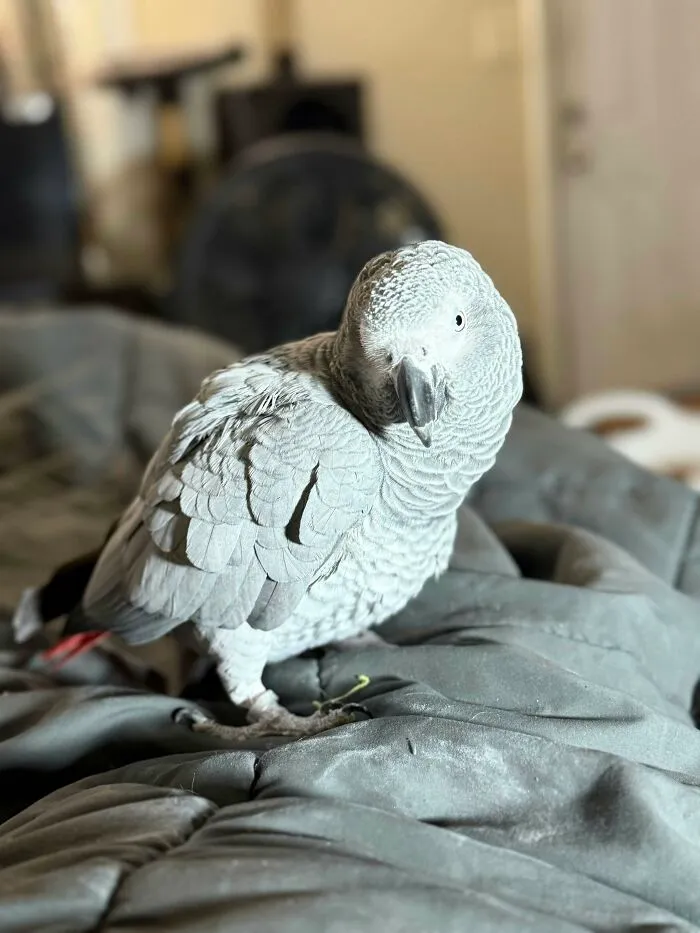
She doesn’t learn. I caught her trying to lick a frog recently.
#11
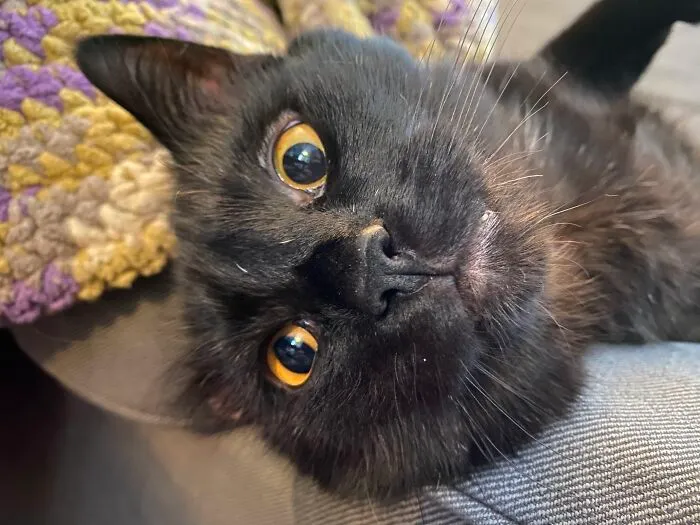
Corduroy went to the vet because he was eating everything in sight and always ravenous - I thought he might have a thyroid issue. $400 later and he received a diagnosis of “greedy”.
#12

when my cat was a kitten I noticed one day she had bald knees so l panicked and took her in. the $200 diagnosis? bald knees.
Vet bills might be so high because of the specialized research they conduct on the animal. Texas A&M University notes that these places often serve as a one-stop shop for everything pets need, including medication, surgical procedures, vaccinations, dental cleanings, and more.
The doctors and other staff are also highly trained in areas like cardiology, dermatology, surgery, or internal medicine for animals. They may use advanced imaging tools like CT scanners and 3D printers to better understand your pet’s condition and provide care and a diagnosis.
#13
#14
#15

Pet parents are always trying to do their best for their furry friend, so when it comes to vet bills, they should not have to compromise on their animal’s safety. That’s why experts say insurance can cover accidents, illnesses, behavior issues, and more. Having the right documentation helps support any claims.
Some policies also offer illness coverage, which can help protect you if your pet develops cancer, arthritis, ear infections, digestive issues, or urinary tract infections. This kind of financial support can help people ensure their animal lives a long, healthy life.
#16

#17

#18

Some pets don’t do well at all when they visit the vet’s clinic, and professionals explain that this may be because of the unfamiliar sights and sounds the animal might experience there. This can be overwhelming and cause them to act out or panic, creating chaos for the pet parent.
Another reason for their erratic behavior at the doctor’s could be because of bad past experiences with painful procedures or loud noises. They might then associate how they felt with the place every time and begin resisting being taken to the clinic again.
#19
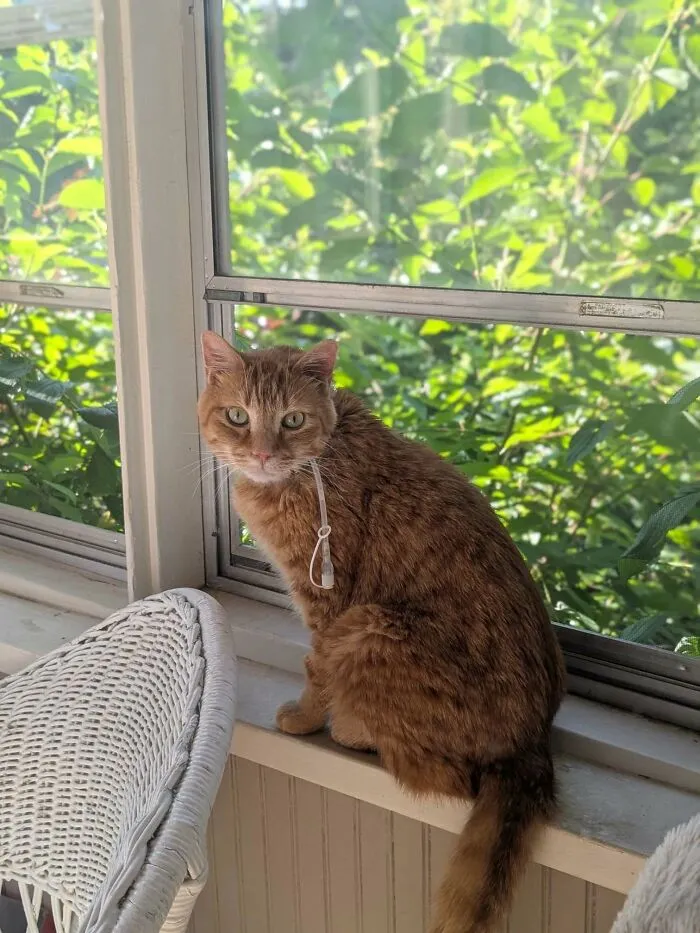
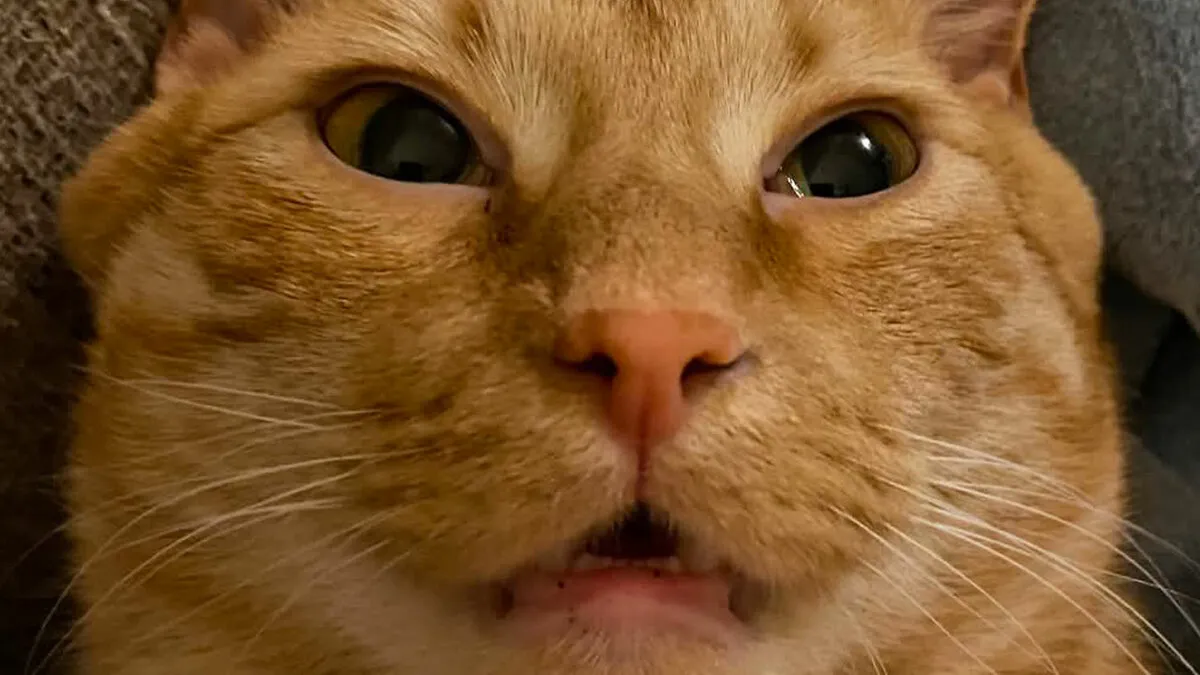
Roughly $6k because this orange man ate too much catnip, gave himself a gnarly tummyache that caused functional ileus (basically his intestines stopped working?), the stress of which triggered a nasty upper respiratory infection, which then caused him to stop eating. He ultimately needed a feeding tube, fluids and hospitalization for two days. Then was discharged with 8 meds that gave him SO MUCH diarrhea.
No, I don't have pet insurance.
The patient and his lil E-tube:.
#20