





#1
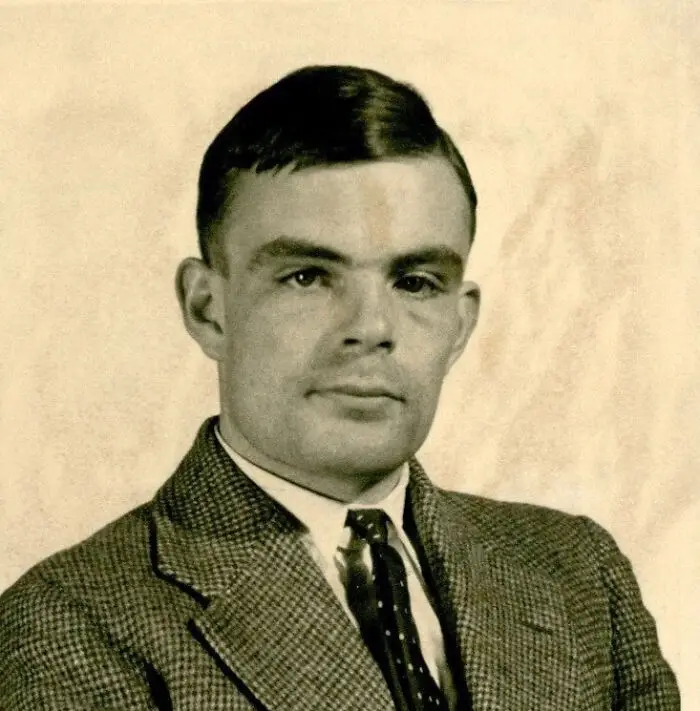
Massive contributions to code breaking and computing that saved tens of thousands of lives, probably more.
Then persecuted after the war for being gay.
#2
#3

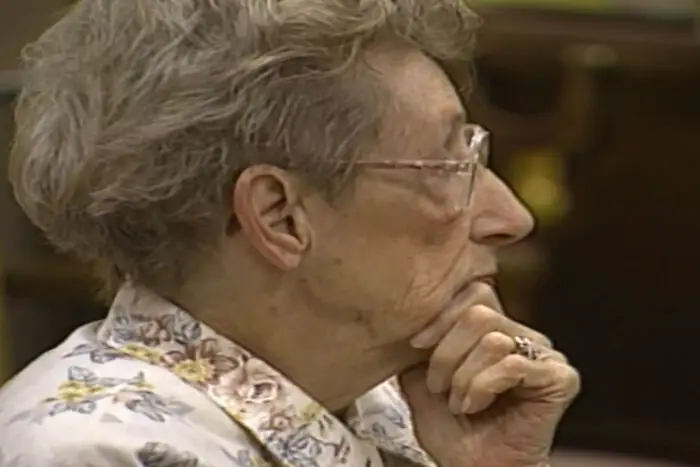
Career civil servant for over 30 years. Does his best to protect the public during his time (successfully so I might add). Then gets a brown bag of feces lit on fire with COVID, the Tostito in Chief, and a poorly educated populace all at once.
Now after trying his best with COVID after being hamstrung from doing more. He is the target of lethal threats and terror.
The American people should apologize.
We're all quick to judge when we think someone else got it wrong. But as many of the names on this list prove, sometimes the people getting it wrong are actually us. And it rarely happens alone. All it takes is a few loud voices, and suddenly everyone's on the bandwagon. Once we're on it, it can be pretty hard to jump off.
#4
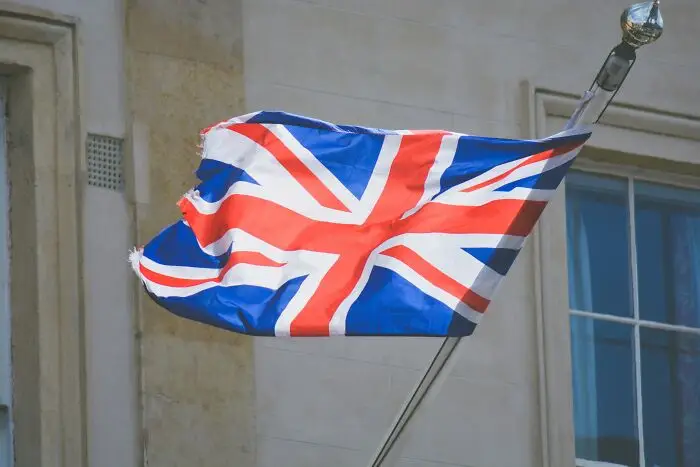
Everyone who was lied to and misled to believing Brexit would be economically beneficial to the UK.
#5
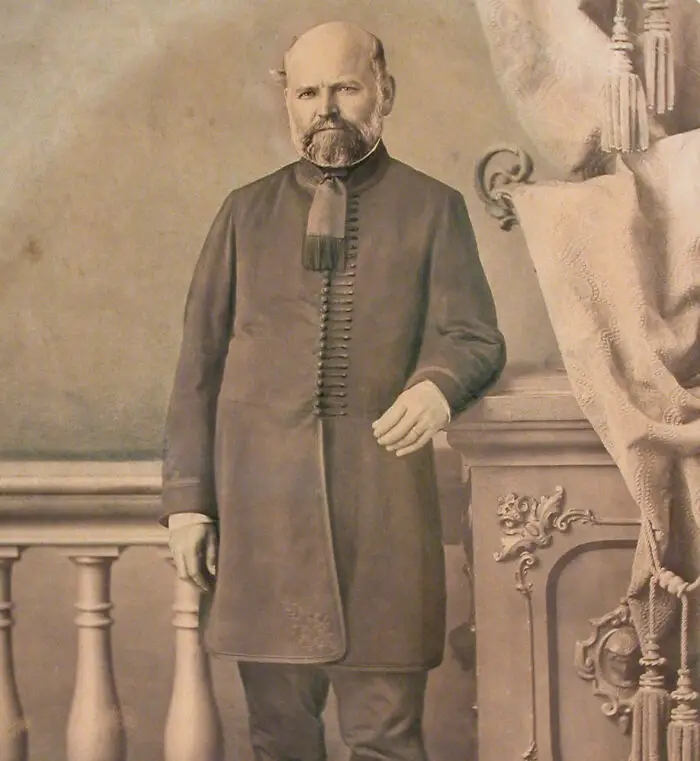
His colleagues defiantly resisted his attempts to win them over. He was eventually committed to a mental institution where he passed away.
#6
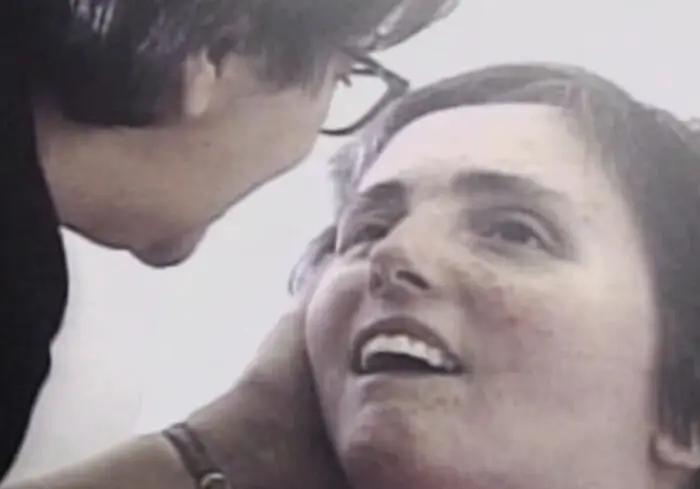
Terri was kept alive for far too long in the state she was in, and people were terrible to him.
Part of the reason is that standing our ground (however shaky) can actually feel pretty good. In a study published in the European Journal of Social Psychology, researchers found that people who refused to apologize felt more powerful and in control, and even had a boost in self-esteem. "In a way, apologies give power to their recipients," study author Tyler Okimoto told The New York Times. Once you've said sorry, it's up to them whether to forgive you or hold it over you.
#7

#8

He was a townsmayor in a town in norhtern japan and he spent millions of yen to build a barrier against tsunamis, his people thought it was a stupid idea, after he passed in 2011 the great tohoku quake and tsunami hit, his town with the barrier was one of the few that jad little tsunami damages, pretty sure his grave is one of the most respected now.
#9
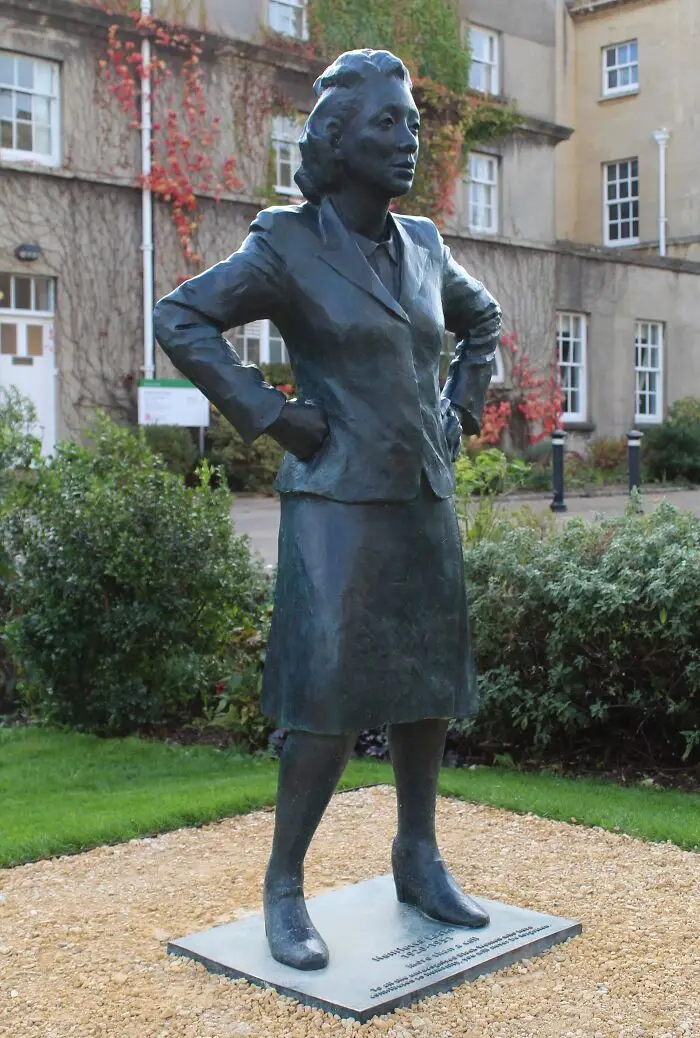
In other words, admitting we're wrong can feel a lot like losing. According to psychologist Mike Brooks, being right makes us feel superior, while being wrong makes us feel inferior. "Right or wrong, win or lose, it becomes a zero-sum game," he writes for Psychology Today. And when our sense of self feels threatened, our instinct to fight, flee, or freeze kicks in. So we "argue, deny, and distort reality to protect our status and sense of self."
#10
#11

#12

And sometimes, we'll go to remarkable lengths to avoid admitting we got it wrong. As Kristin Wong points out in The New York Times, psychologist Leon Festinger saw this firsthand in the 1950s, when he studied a group convinced that a flying saucer would rescue them from the end of the world. When the big day came and went, they didn't admit their mistake. Instead, they doubled down, deciding God had simply chosen to spare them. Festinger had a name for what was going on: cognitive dissonance.
#13
#14
#15

Cognitive dissonance is the stress we feel when the evidence clashes with how we see ourselves. Carol Tavris, co-author of Mistakes Were Made (But Not by Me), told the Times that when that happens, we can either accept the evidence and adjust how we see ourselves, or protect our self-image by brushing the evidence aside. "Guess which route people prefer?" she asked.
#16
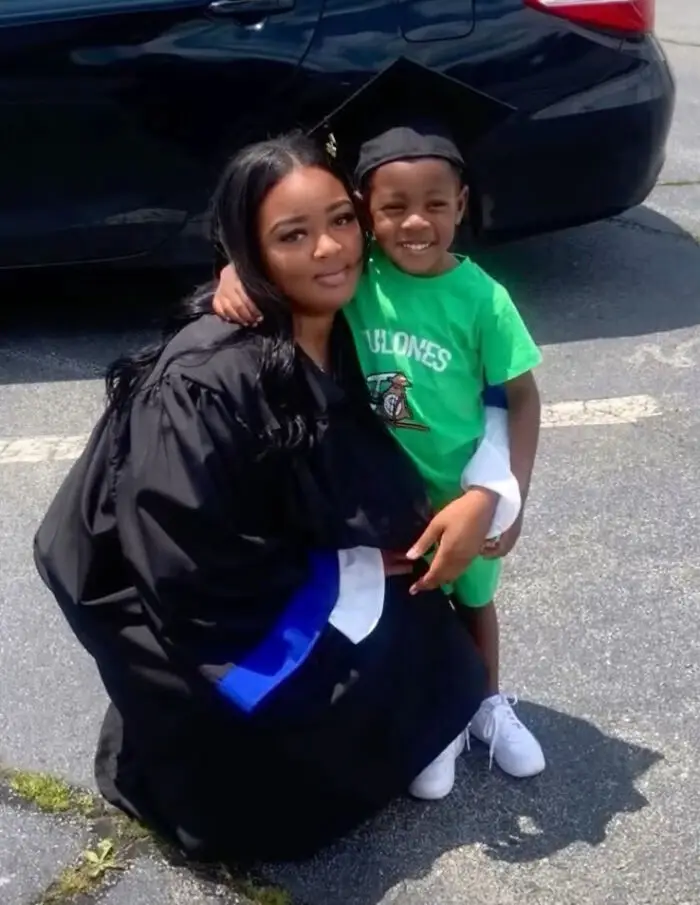
An African American woman that was pronounced vegetative at 8 weeks and was kept on life support until they could harvest the infant from her body MONTHS later. Georgia has anti-abortion laws so the state forced her family to sustain life support while the fetus was still viable.
Her baby was cut out of her at 25 weeks, June 13th 2025 and was not expected to survive
Edit:
She had a boy, his name is Chance, and he is apparently doing well in NICU!!
#17
#18
It gets even harder when everyone around us seems to agree. In Solomon Asch's famous conformity experiments in the 1950s, about 75% of participants conformed at least once to an answer they could clearly see was wrong, just because the rest of the group gave it. Asch himself found it worrying that "intelligent, well-meaning young people are willing to call white black."
#19
#20
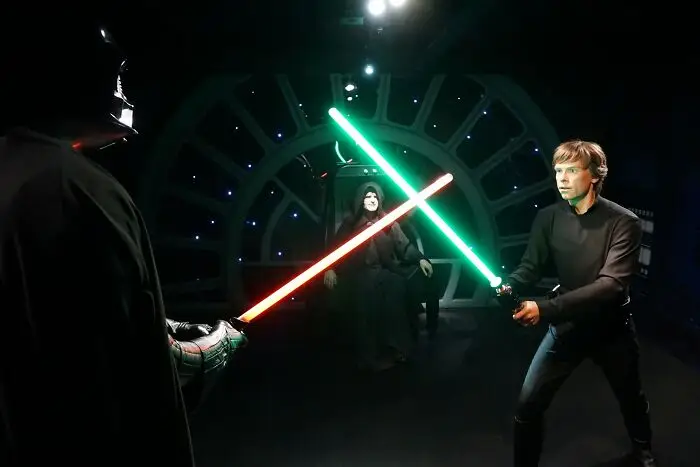
Imagine being the victim of hate campaigns simply because you became the avatar to represent the perceived failure of a freaking entertainment series, simply because a sub-group of adults could not reconcile their head cannons about Star Wars with what was actually published.