


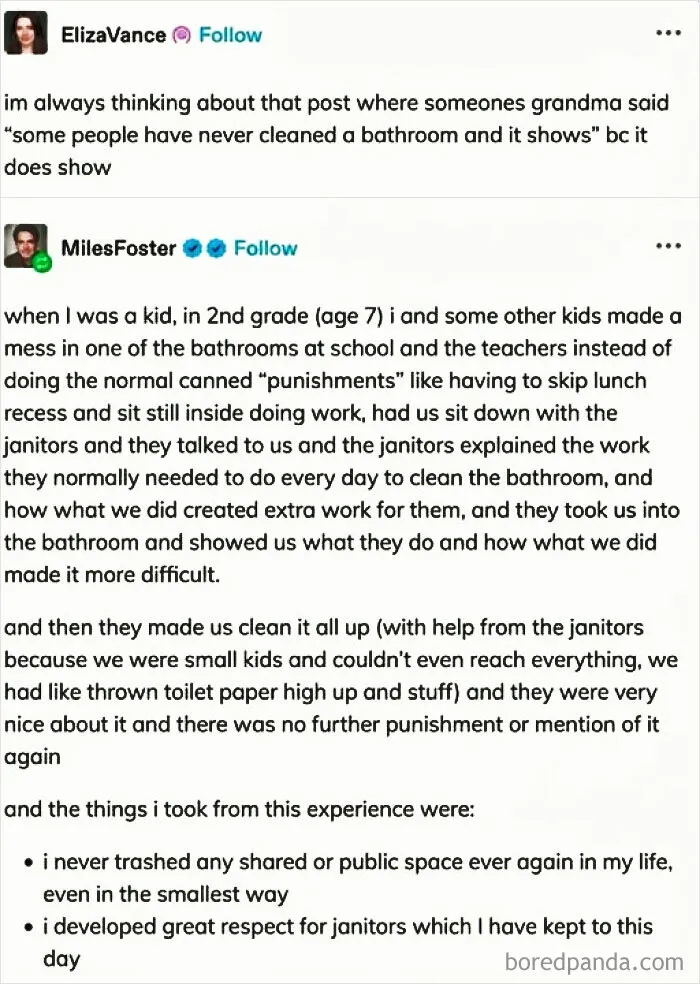
#3 This Is Why Kids Should Do Chores Around The House. They See How Their Actions Affect Others In The House, Both Positively And Negatively
If you think PTSD is reserved for army veterans, and those who have experienced violent trauma first-hand, think again. Research has shown that simply viewing graphic, violent, or disturbing content online can cause indirect or secondary trauma, as well as depression.
Some call it “vicarious PTSD.” And the more you doom-scroll, or view negative content, the higher your chances of developing symptoms. These include intrusive thoughts, flashbacks, hyperarousal, and sleep disturbances.
“Repeatedly watching or ‘doomscrolling’ through unedited media and tragic events online overloads the brain's stress response,” explains the American Psychiatric Association’s site.

#5 Starting A Marriage With Love Instead Of Debt? Absolute Insanity


Even mental health experts aren’t immune. Jeffrey Pickens, a Professor of Psychology at St. Thomas University, recalls how he clicked a harmless-looking link while surfing a conventional news thread.
“Suddenly, my screen was filled with full-on war footage. Violent images from a soldier's body cam, trench warfare, drones, explosions, and close combat are presented with a heavy metal soundtrack,” says the expert, adding that at first, he was transfixed. But that soon turned to shock, and he switched off the video.
Pickens says those few seconds exposed him to real scenes of violence that he did not wish to see but couldn't "un-see."



The expert says the best solution is to avoid viewing traumatic content. But as we have come to learn, that's not always possible. Pickens advises that you teach yourself to tune out toxic imagery and tune in to your reactions to potential stress triggers.
“If you must view traumatic media, learn to take breaks, turn off the sound, and talk or journal about your feelings about what you witnessed,” he explains.
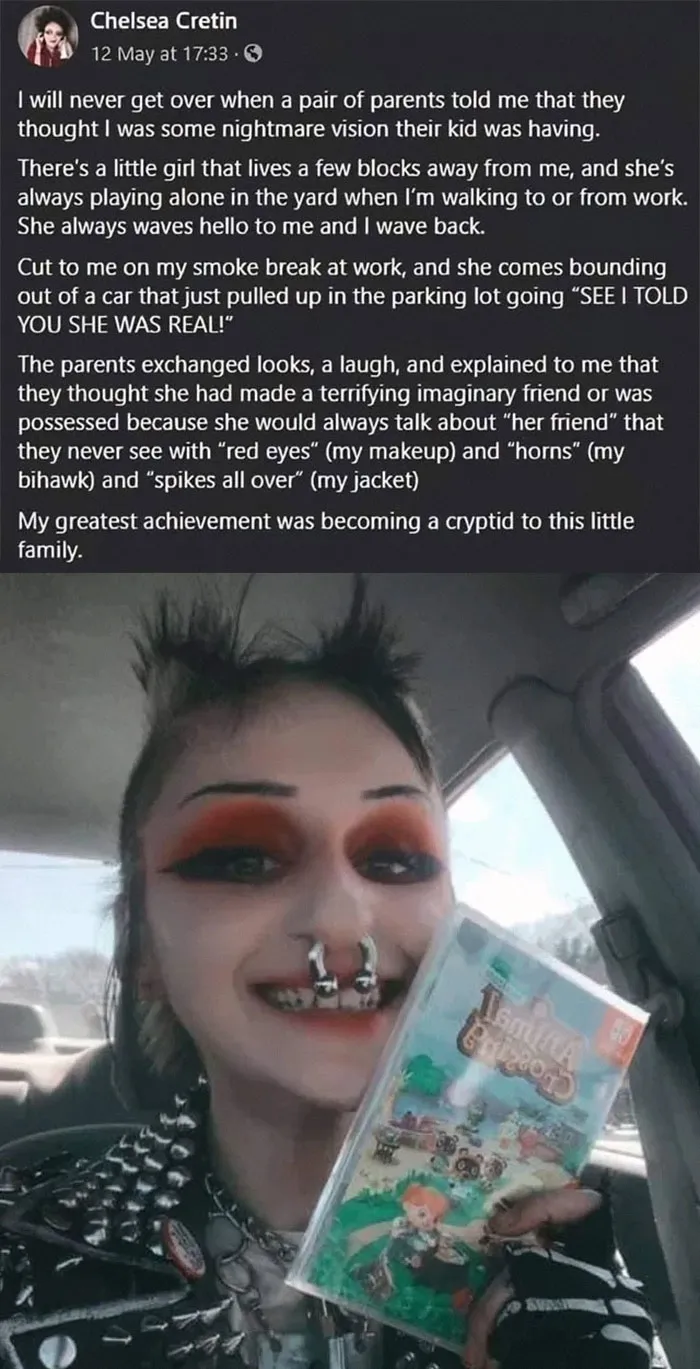
#11 I Love Kind People And For This To Come From A Man Hits So Different. And Truly How Lucky His Girlfriend Must Be To Have Him

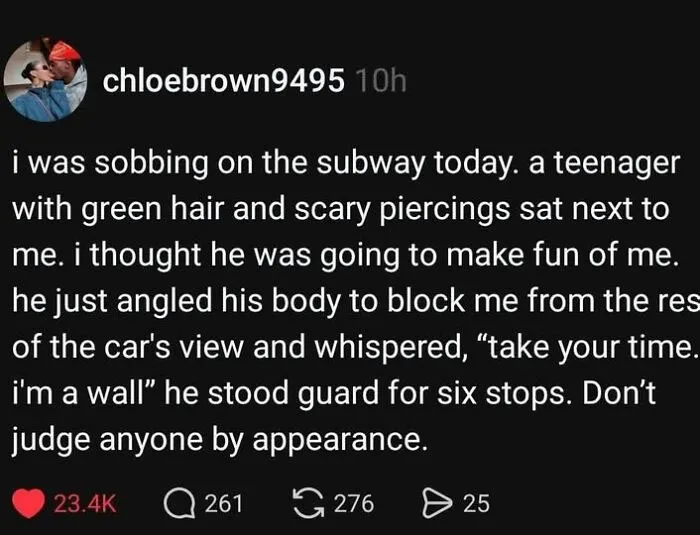
Those over at The Summit Counseling Center agree. They add that it also helps to practice self-care, and engage in positive activities for your mental health. For example, mindfulness, exercise, breathing, etc. when feeling stressed.
“Balance source material,” they advise. This doesn’t mean going to another source for a different version of the negative content. But rather, searching for something more positive to watch or read (like this wholesome listicle you're currently scrolling through).



Sheryl Ankrom, a licensed clinical professional counselor who serves as the director of clinical services for Lifeline Behavioral Healthcare, says it’s important that immediately after experiencing something disturbing, you remove yourself from that trigger.
“Get away from the computer, don’t view that image again, and go for a walk,” she advises. Ankrom told Vice that some counterprogramming can also help. This might mean listening to music you love, watching your favorite TV show, or even calling a friend who can ground you in physical reality again.
Basically, “anything that helps overwrite the immediate horror and revulsion can help make it easier to deal with those feelings down the line,” she says.



While there’s no doubt that consuming negative media can be harmful to our mental health, the opposite is also true. A Harvard study found that routine social media use can be beneficial - as long as you are mindful of how it is affecting you.
“Our findings suggest that the ways that people are using social media may have more of an impact on their mental health and well-being than just the frequency and duration of their use,” said the study’s co-author Mesfin Bakalu, adding that the findings go against what some might expect.