






#1
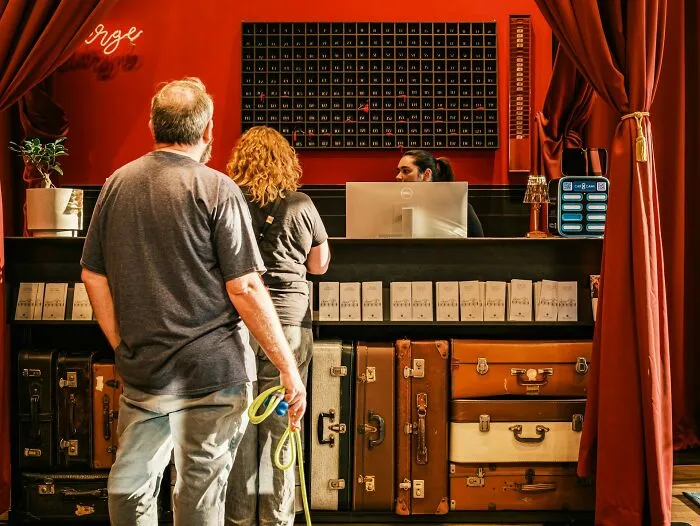
I saw her cars plate when she drove off, she was from Arizona. She called the manager to complain the next day, I had written what happened to her just in case that happened. My manager told her "Lady I dont have time to waste with your nonsense" and hung up on her.
#2
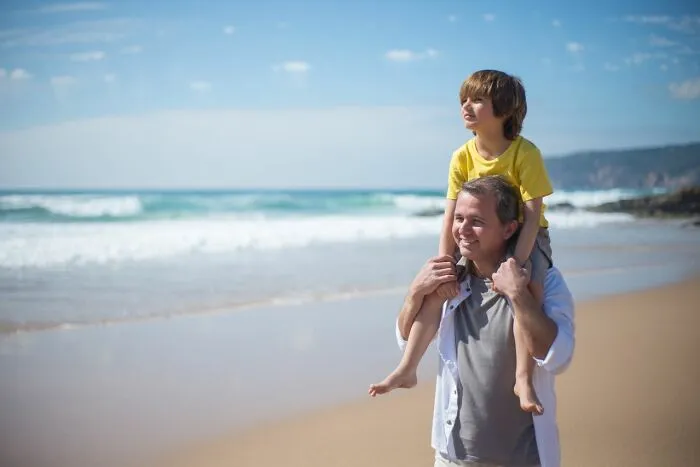
My dad was standing behind an American man who was with his son, and saw the look of wonder in the kids face as he looked at everything around him gradually go darker. Right as the beach reached its darkest point the dad looked down at his son and said "incredible, isn't it? It really makes you proud to be an American." On a beach in England. In response to an astronomical event.
#3

With tens of millions of Americans hopping on planes every year for international travel, there’s a pretty high chance that you might bump into one in your own country. And despite their reputation, they actually care deeply about what others think of them.
A 2025 survey by Upgraded Points has revealed that many Americans are low-key stressed about their nationality when they go abroad.
Over half admitted they worry about getting hit with the dreaded “ugly American” stigma. Nearly three-quarters think US travelers have a bad rep, and 80% blame recent political drama and tariffs for souring Europeans' view of them.
#4
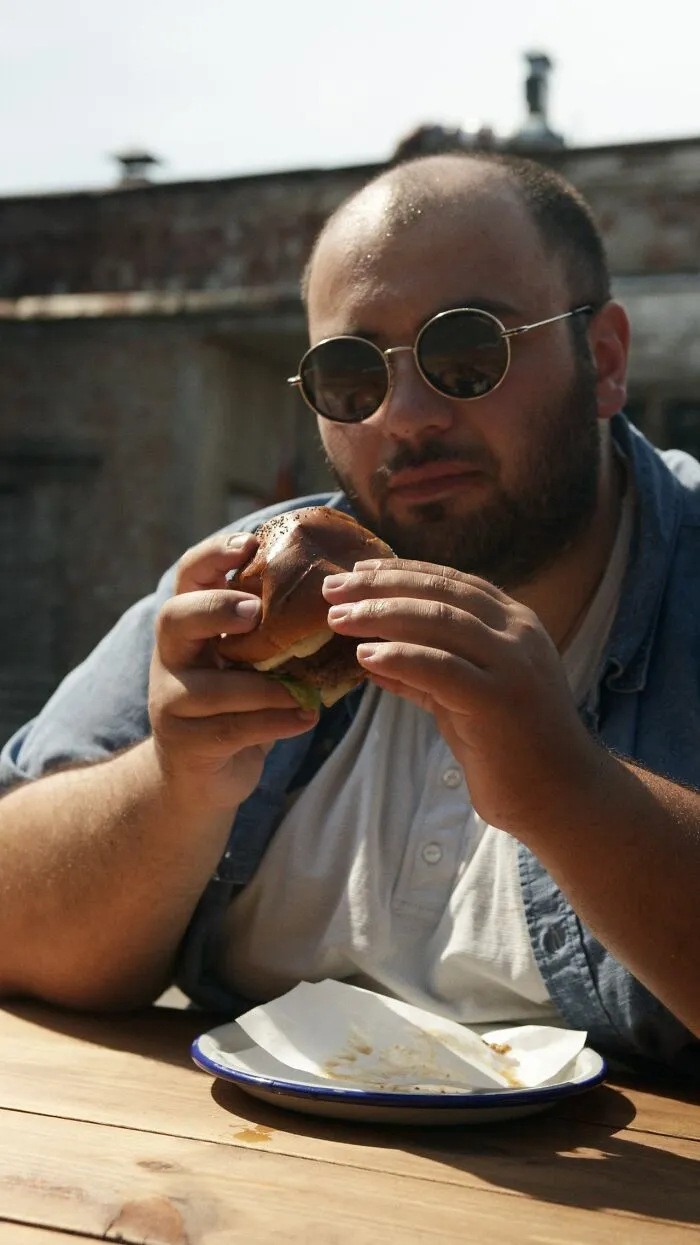
I was in a lovely cafe at the side of a bridge in Stockholm when a guy in line ahead of me says, "English!" In a dismissive and patronizing manner, he continued his order like he was upset that they didn't have "familiar food." The girl at the counter, who I had witnessed spoke at least 4 languages, took the order with grace and politeness, but seemed a bit flustered she was being yelled at like she was a toddler. For instance:
"IS. THAT. SAMMICH. MADE OF CROY-SANTS? OR A NORMAL BUN??"
"Erm, it is a normal wheat, erm, flour bread."
"IT GOT TOMATOES??"
"Erm... yes."
"NO TOMATOES! COMPRENDE??"
"Oh, sure. Okay."
He was an overweight sunburned redneck right out of Nebraska with a Harley Davison tee shirt and long hair. After he went to the other side of the counter, waiting for his order, I leaned to the girl and said, "as an American, I am so sorry about that guy. We're not all like that."
She blushed and said it was okay, it was not a problem. But when I got my order, I got an extra sweet bun added onto it for free.
#5
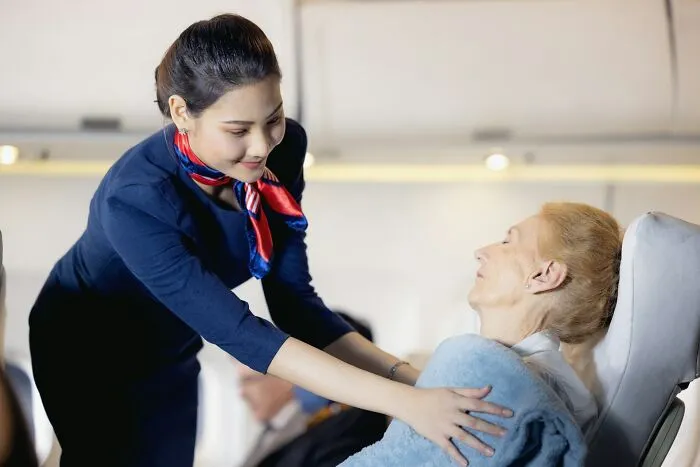
After a 7hr flight form Paris to New-York, and having talked and chatted with passengers for the whole flight, as I was saying goodbye to a family I had a nice time with, the mother looked at me with pity and said 'Dear, how brave you must be... It must be sooo hard for you in New-York!'
I asked her why in particular.
She said 'Well, everything is in English! I had such a hard time in Paris, I can't imagine you doing that all the time!'
I looked at her.
I looked at her husband.
I looked at her.
I said 'But Ma'am... I speak English.... We've been speaking English for about 7 hours now.'
She smiled, and went 'Well of couuuurse we speak English *now*, you're working! I mean no, when you get to New-York!'
... Apparently when you land in America, you forget that you speak English, since you're a tourist and all. Her husband nodded sympathetically and agreed.
#6
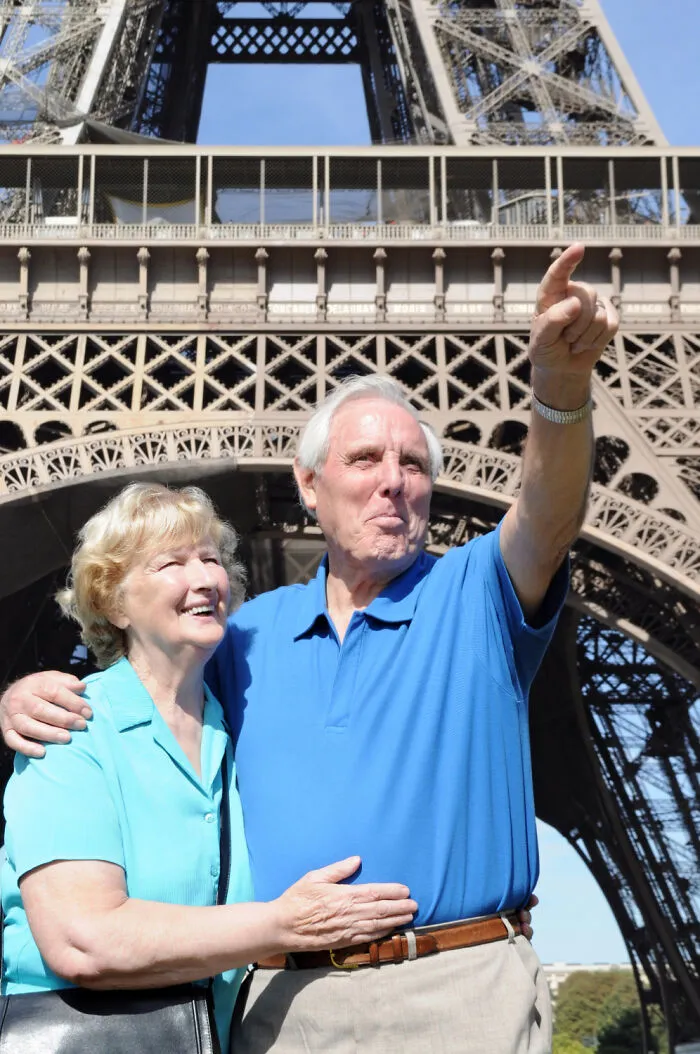
Honestly, these self-aware Americans aren't totally off the mark about how the world perceives them.
In a survey, around one in four Europeans admitted they aren’t big fans of American tourists. About 36% said that Americans behave way worse than any other visitors.
Europeans also think Americans are ridiculously loud — 70% called out the noise level, and, surprisingly, almost as many Americans agreed.
However, they did give credit where it’s due, calling US travelers super friendly and curious.
Interestingly, Americans are way harder on themselves than anyone else is. Over half think foreigners view them as arrogant, but only 27% of Europeans actually felt that way.
#7
So what, like being american is a big deal outside of america.
I/we dont care if you are american, you are in our country now so behave by our laws and ways.
It is hilarious and frustrating in the same time when Americans think that just being from there gives them some special status or immunity.
Second thing:
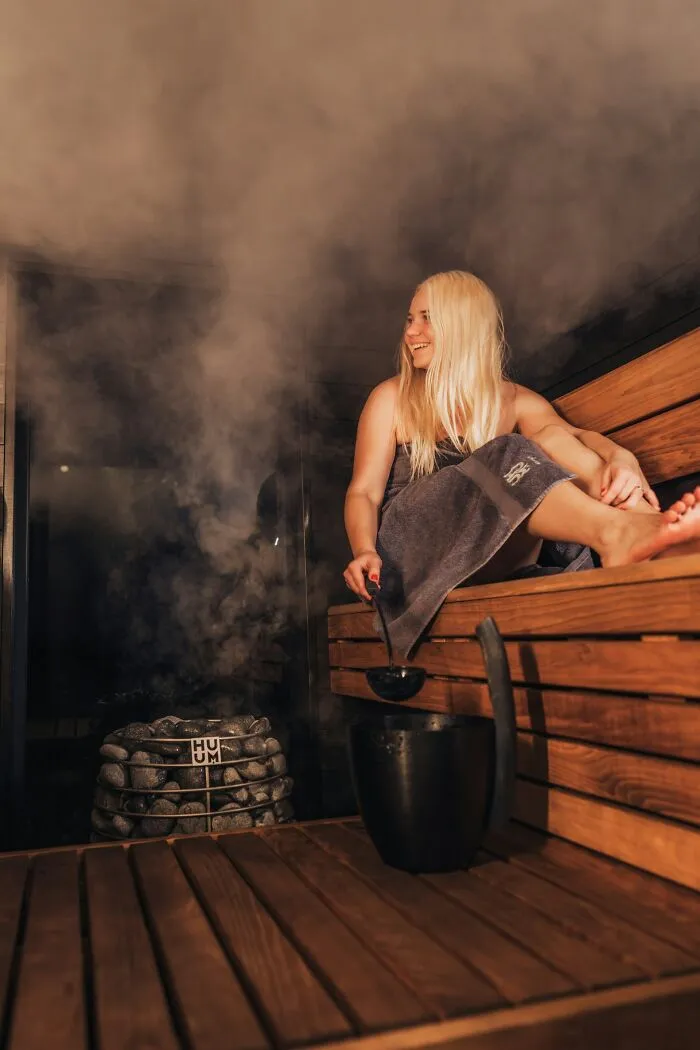
In local huge smoke sauna an american woman were amazed that we have same trees as well.
And she were amazed that "this smoke feels so soft", it is water steam you moron, not smoke!
Name "smoke sauna" comes from a way how it is warmed, no shimney, room is full of smoke with open windows while it is warmed and then fire ends and all smoke is let out before humans get in.
How the hell she thinks we could breath smoke?
As compliment i threw loads of water to make it super hot.
-Finland man.
#8
No. You'd think with all the "America is such a big place" stuff you see on Reddit, they'd have understood just how far away Alice Springs is from everywhere, but no. They would have passed away in the desert, hours from anything, had someone not corrected them.
#9
Others have insisted on speaking to me in broken French, even after I informed them that English is my first language.
So why is there such a massive gap in perception? Are Americans genuinely clueless tourists, or are foreign hosts just misreading the room?
The truth sits somewhere in the middle.
Because the country is so massive, millions of citizens grow up with a baseline assumption of what normal looks like — huge portions, endless personal space, ice-cold water, and blasting air conditioning everywhere.
At the same time, they’ve often been accused of living in a bubble.
A 2019 survey by the Council on Foreign Relations and National Geographic found that Americans answered only about half the questions correctly on geography and world affairs. Only 6% scored 80% or higher, even though most say global issues matter to them.
#10

#11
#12

Back in 2011, when Newsweek gave 1,000 Americans the official US citizenship test, 29% couldn’t name the vice president and nearly three-quarters couldn’t explain why the US fought the Cold War. They aptly titled their result as “How ignorant are Americans?”
Another survey found that more people could name characters from The Simpsons than the rights guaranteed by the First Amendment.
“The US is isolated from the rest of the world, with direct contacts with only Canada and Mexico. This makes travel to other countries difficult. Only 20-some percent have passports to visit other countries, and those with passports tend to be those who go on cruises or to all-inclusive resorts,” says George A Barnett, PhD, a professor of communication at the University of California.
#13
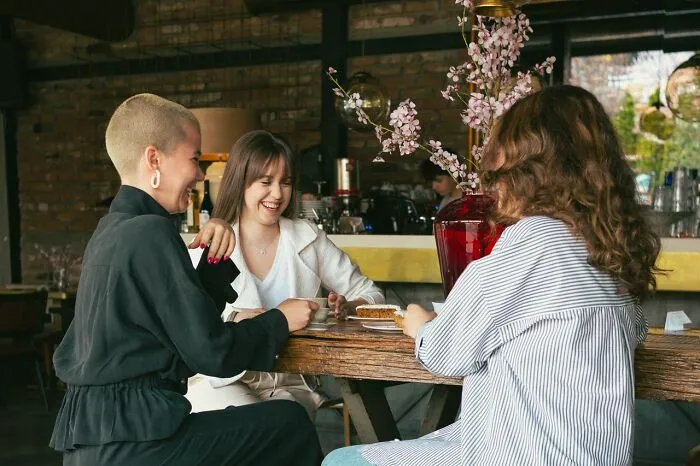
You are not in America right now and the waiter spoke perfectly good English.
Irritates me.
#14
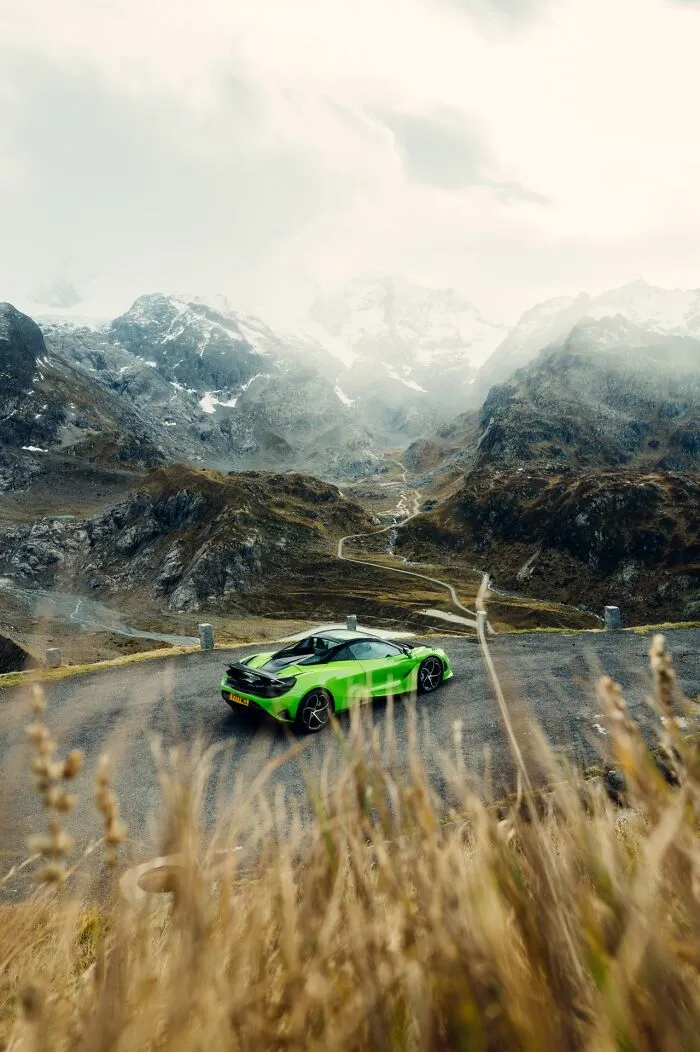
Was wondering why his car wouldn't drive up the mountain. .. ..
A sports car is not going to get you up an actual mountain covered in actual snow.....
#15
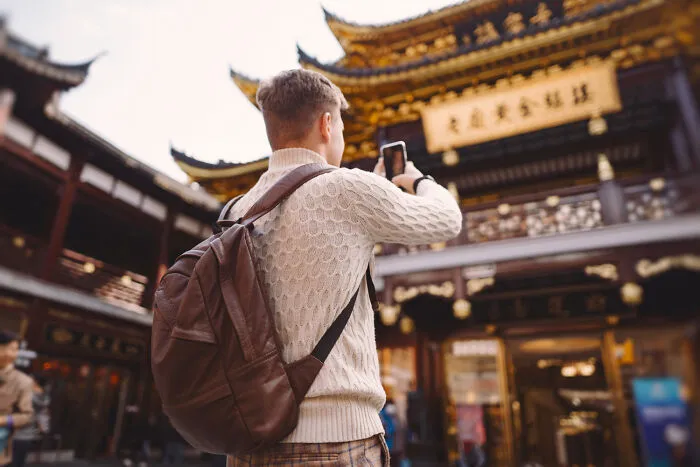
At one of the local banks there was an American couple yelling at the local staff demanding that they speak to someone in "American".
Non-Americans can also sometimes misunderstand the US culture and attitudes.
For example, American friendliness — like chatting up a stranger in an elevator or smiling at passersby — is meant to be polite. But in places like Germany or Nordic countries, it might get misread as fake or invasive.
Even American humor gets lost in translation. In online travel forums, non-Americans often complain about travelers making boastful claims, like “Everything is bigger in Texas!”
But as locals point out, regional American humor — especially in places like Texas — is built heavily on exaggeration and self-deprecation. Texans are usually poking fun at their own outsized reputation, but literal-minded listeners might hear it as pure conceit.
#16
#17
#18

Another major flashpoint that fuels the “obnoxious” American stereotype is how they behave in restaurants and cafes. The US tipping system creates a unique power dynamic between customers and servers that doesn’t exist in countries with living-wage service models.
Back home, American hospitality relies heavily on tipped labor.
Waitstaff are paid sub-minimum wages and depend almost entirely on tips to survive. Because of this, American customers are trained to expect constant, hyper-attentive service — waiters checking on the table every five minutes, refilling drinks automatically, and acting overly friendly to secure a decent payout.
When Americans travel, they might carry these habits with them. They tend to drop ridiculously high tips out of habit, or attempt to tip in countries like Japan, where handing over extra cash is considered rude or confusing.
They might also get frustrated when European servers leave them alone for hours, mistaking relaxed hospitality for neglect.
#19
#20
Experts recommend that people educate themselves by traveling abroad, studying a second language, and talking to people from other cultures and countries more often.
Try getting your news from sources other than your local TV channel or a US newspaper.
There are plenty of ways to learn beyond your own backyard, and honestly, with all the information available online, there’s really no excuse to stay ignorant anymore.