


#1

#2

little acts of kindness can make a big difference in your life and life of others.
#3

Adulting is a never-ending game of discovering things five minutes after you need to know them. Nobody hands you a proper manual when you turn 18. You gradually pick things up, usually after paying too much for something, making a completely avoidable mistake, or watching a 12-minute YouTube tutorial at 1 a.m. The good news is that plenty of useful information is already out there. You just have to know where to look.
That’s what makes this particular list such a little gem. These netizens have already done some of the digging for us, sharing the shortcuts they’ve picked up through experience, trial and error, or knowing a clever trick most people overlook.
#4

Obviously doesn't apply to electrical installations.
#5

#6
Take money, for example. A surprisingly effective “cheat code” is knowing where your money is going before it disappears into the financial abyss. The U.S. Federal Trade Commission recommends starting with the basics like writing down your income, tracking your expenses, and seeing what’s actually left at the end of the month.
It sounds painfully obvious, which is probably why so many of us ignore it. Yet even a basic budget can reveal those tiny recurring expenses that quietly nibble away at your paycheck until payday starts feeling like an emergency rescue mission.
#7

When somebody upsets you take a breath, keep your mind working. Keep the anger shut down.
#8

If any company sends you a product that you did not order, that is considered a GIFT 🎁 to you that you are legally entitled to and you can do whatever your heart desires with it. Use it, sell it, give it away, return it (but never pay to return it), eat it, lock it up - do whatever you please.
Why? Because the FTC says that by law, it is illegal for any company to send you something you did not order and demand payment for it! 🏆
Don’t let any company tell you otherwise. I’ve known a few people who were told a product they were sent without them ordering it needed to be returned. One person paid to return it (wished they had told me beforehand) and one knew they didn’t have to return it.
I have personally benefitted from this law.
Scroll to the section “**Your Rights When You Get Unordered Merchandise”** and read.
https://consumer.ftc.gov/articles/what-do-if-youre-billed-things-you-never-got-or-you-get-unordered-products.
#9

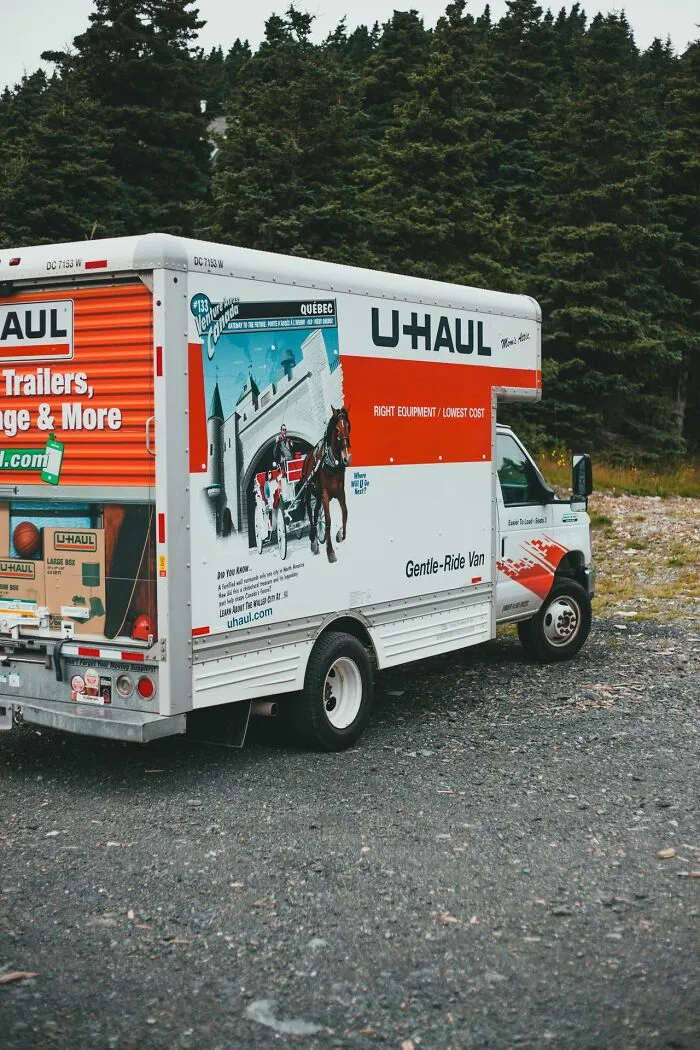
A full service interstate relocation can cost four to five figures. If it’s not paid for by your company, saving money starts to look more appealing.
Instead of paying a moving company $25 for a wardrobe box, gather bunches of clothes in bundles (still on their hangers) and wrap them in 13 gallon kitchen trash bags with the hanger hooks sticking out. This protects the clothes from bugs / dust and saves space.
Get to know cashiers at large liquor stores. They can tell you if they break down the emptied liquor boxes after stocking shelves or keep them intact, and direct you to nice piles of strong, divided boxes made to carry heavy bottles. Korbel cartons are perfect for moving tumblers and wine glasses.
Rather than labeling boxes by room, another way to categorize them is to carry a clipboard when packing. Start by writing “1.” Document the contents of your first box as you pack, then also write “1” on the box. Do the same with the second box, etc. At the end, you’ll have a portable index of everything and be able to find specific items in a stack of 500 boxes.
If you use Pods or similar to relocate, put an Airtag inside a box on each unit. Watching your earthly possessions travel to your new home in real time provides reassurance that they have gotten there safely. If for some reason a Pod gets misrouted, you’d be able to track it down. Mine never got lost, but took a detour to a truck stop in South Carolina before getting back on track, which was interesting.
Then there are the things that feel like they should have been covered in school. Knowing how to sew on a button, unclog a drain, change a filter, reset a router, or handle a minor repair can save you from calling someone every time your house makes a strange noise.
This Old House notes that learning basic DIY skills can save money on labor and make everyday home maintenance a lot less intimidating. Honestly, YouTube has turned an enormous amount of previously mysterious household knowledge into something you can learn while standing in front of the broken thing.
#11

It will win you every battle or conflict in life. It will earn you friends and respect. If you are truly patient and don't just say you are, it wins life.
Don't mistake patience for hesitation.

Of course, there’s a difference between learning how to fix something and deciding you’re suddenly a licensed electrician because you watched three videos. Some jobs really do belong to professionals. The useful skill is knowing which is which.
That’s one reason we suggest that you should learn from people who already have experience. If you’re getting into a hobby that requires expensive equipment, joining a club or community first can save you from buying the shiny, overpriced thing that everyone with experience immediately tells you to avoid. Sometimes the smartest purchase is the one you don’t make.
#13

#14

#15

Another life hack is remembering that your time has a price tag too. We’re usually focused on how much something costs in dollars, but the cheaper option isn’t always the better deal if it eats up half your Saturday or leaves you ready to throw the thing out the window.
The Consumer Financial Protection Bureau defines this idea as “opportunity cost,” meaning the value of the next-best use of your money or time when you choose one option over another. So before spending three hours trying to save $10, it’s worth asking whether those three hours could have been put to better use.
#16

#17

#18

Sleep belongs in this conversation too, even though it hardly feels like a cheat code. It’s more like the boring piece of advice that keeps turning out to be annoyingly correct. The CDC recommends that adults ages 18 to 60 get at least seven hours of sleep a night, and its latest data show that 30.5% of U.S. adults reported getting less than seven hours in 2024.
Staying up late might be less of a productivity strategy and more of a very questionable business plan.
#19

Banks know this and try to get you in debt because then they reap the benefits of that compound interest.
Also finance isn't hard. Look at the interest rates. If you have an interest rate on a debt that's higher than the interest/income rate of your investments, pay the debt. If your debt is less than what you are making in investments, let it ride.
#20