





Having a place to call your own is a dream come true for many—if not most—people around the globe. Renting is fine, of course, but when you truly own the property, there’s a lot of freedom and security that comes with this. Not only can you unleash your genius interior decorator, but you also don’t have to answer to a landlord.
However, purchasing your first property can be absolutely daunting. You’re putting down a huge amount of money, and you want the house or apartment to be great (or, well, at least good). We’ve collected some of the most hard-earned lessons from first-time homebuyers from an interesting discussion on r/FirstTimeHomeBuyer, including the things they regret the most. Scroll down for their nuggets of wisdom.
Bored Panda wanted to find out what people buying their first homes should be aware of to minimize future regrets, so we reached out to G. Brian Davis, a real estate investor and the co-founder of SparkRental.com. He was kind enough to share his insights and advice, which you'll find as you read on.
#21

If the furniture seems to be in an odd layout on a room, make sure you check or get your inspector to check for any damage or structural issues. I have some very uneven floors that I didn’t notice because furniture was covering those areas during my walk throughs, and thinking back I remember thinking why do they have the furniture laid out like that.
Report
20points
How did your first time buying a home go, dear Pandas? What mistakes did you make that you’d warn others not to repeat? On the flip side, what went right? How did you decide that that particular property was right for you?
We’d love to hear all about your experiences, so if you have a moment, share yours in the comments.
#22
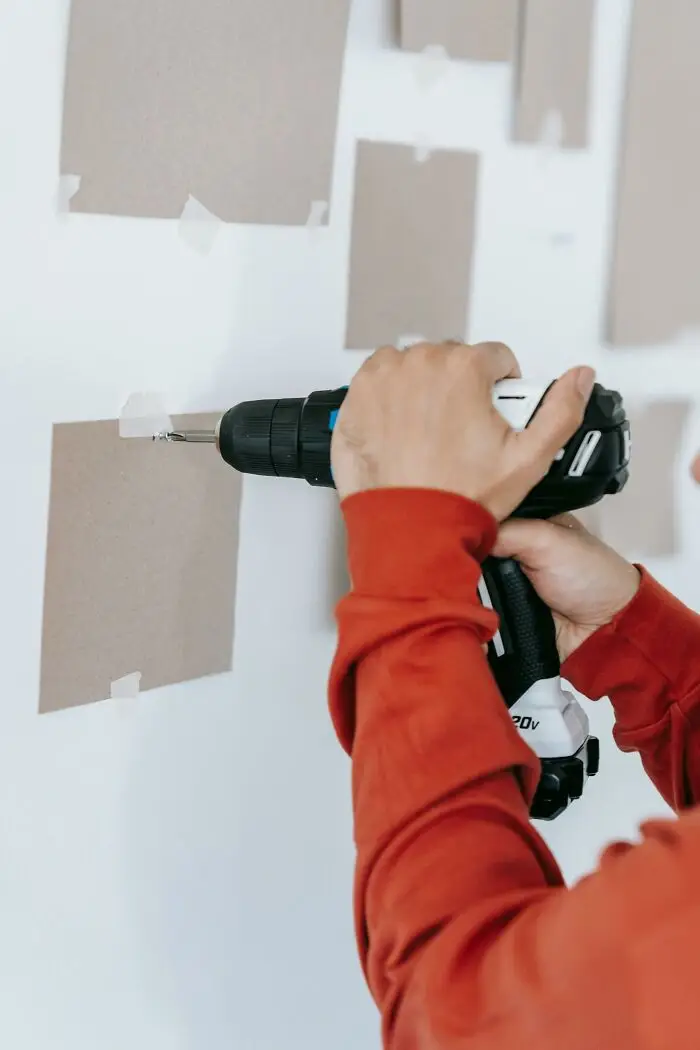
You don't have to do or fix every little thing right away. Sit back and evaluate the must-do from the nice-to-have projects. Your life will be so much less stressful.
Report
19points
#23
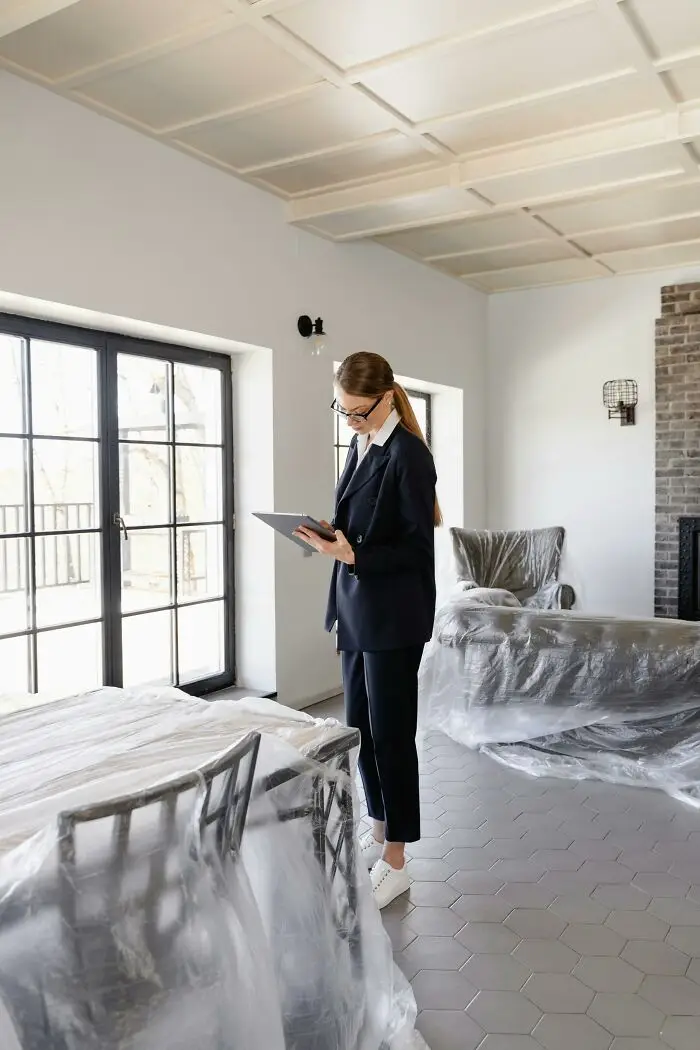
Make sure the previous owner pulled all the proper permits.
Report
17points
#24

Try to visit a house on a rainy day or after a heavy rain. As other people have said, water is a fickle beast and it's good to get a sense of what is going on with the house.
Look VERY carefully at the walls, windows, cabinets, and other places you might gloss over on a first or second walkthrough. I totally missed mid-sized projects I would need to tackle once moving in....
Ask the inspector a LOT of questions. Get a sewer scope done and a radon test....it will all be great negotiating tools later AND it will help you plan out future fixes.
Make sure you know exactly what your comfort limit is on budgeting. Run some calculations on a high appraisal, lower appraisal, etc. Knowing exactly what you can afford and what you are willing to pay are very different things.
Try to find out how much $$ the previous owner (or folks in the neighborhood) pay for utilities. I have been a bit blindsided by those hidden costs!
Report
17points
#25

Anybody that has an interest in you making the purchase is to be trusted with a grain of salt.
Report
16points
#26
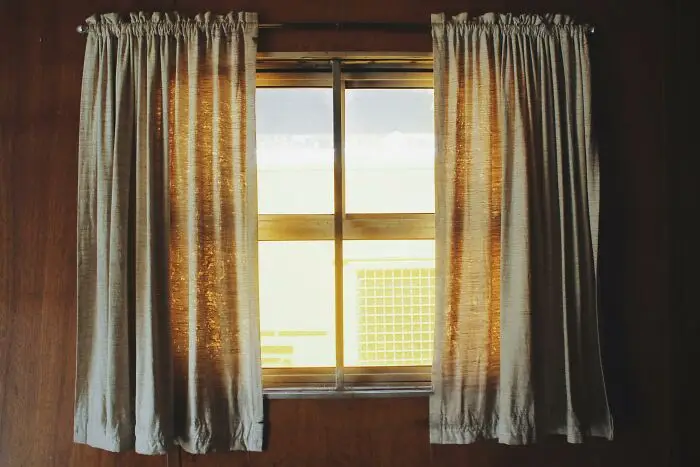
One of my key things is what you are seeing outside your windows. And do you have an opportunity to create a nice view. You may not have that chance out all windows but it you can have a nice shot of nature in one or two directions, even if you have to create a garden, it's a luxury. I feel like you can always fix up the inside however you like which is why I'm always so focused on what surrounds and/ or if there is a nice patio or balcony or yard space.
14points
#27

Closed on 9/30 with my boyfriend. Here’s my comments/advice:
-it takes more money than you think. More than just home maintenance. There were fees for EVERYTHING. My inspection was $600 alone. Be prepared to have that up front.
-Don’t be afraid to ask stupid questions. It’s better to know and look silly for asking than to look silly later for not knowing.
-if possible, try to set yourself up to have plenty of move in time. We have a month for our rental lease to be up & are very thankful because there are so many tasks (cleaning walls/baseboards, redoing flooring) that would have been annoying to do with all our stuff inside.
-If you‘be set aside time to see a few houses in one day, rank them in comparison with one another. Point out things you loved and hated (not liked and disliked). That’ll help better understand what you really want/need. It’s very easy to get woo-ed by the showing setup/Zillow pictures.
And last of all, don’t stress about it all too much! It’ll all work out!
Report
13points
#28

It’s remarkable how many wet basements would be dry if people would simply take care of their gutters and make sure the leaders carry the water far enough away.
My first house took in quite a bit of water the first time it rained. I remember thinking how was it so dry when I placed the offer. Turns out the homeowners removed the leaders and stashed them under the porch. I guess they thought it made the house look better. That was the easiest fix I ever had.
Be aware of situations like that where potential problems were covered up.
That house also had a door next to the kitchen that went out to a closed porch. What I didn’t notice was the storm door that wasn’t there. As soon as winter came the condensation on the inside of that door was unbelievable. That’s when I realized there had been a storm door there that they removed. It was relatively easy to install and it would have been taken care of sooner if I had been aware.
Every time I’ve looked at a house since then I look for things that are missing. It’s easier and cheaper to throw something away than to replace/repair it.
Since then I’ve looked at other homes that happen to have missing leaders, storm windows, storm doors etc. light switches that don’t seem to be connected we’re once upon a time connected to something that eventually broke and was removed. Waste disposals are popular item to remove instead of replace too.
Report
13points
#29

My wife and I are closing on Wednesday evening and getting the keys Thursday. For reference, we were at the beginning stages the last week of June.
**The biggest thing I learned**: The option period took us off guard, but it didn't have to be that stressful. You get the inspection done during this period and then complete negotiations. Our option period was 7 days, which felt like enough time, but we ended up extending it an extra two days to bring in a specialist. I mistakenly thought that negotiations were completed AFTER the option period and not during.
I suggest having a plan related to specialists you already want to see the home. For us, that was a foundation company, but we also contacted a mold remediation specialist, a chimney sweep, a plumber, and an electrician, all for estimates. It's hard to know before the inspection, so it may be useful to pre-emptively look up contractors using the BBB zip code search and jotting down a few numbers per contractor type.
Here are some other tidbits we learned along the way that I found to be very helpful:
* Decide on which cost metric you prefer. We used the conservative version of the "30 %" rule, which is that all housing costs will not exceed 30 % of take-home salary (the standard version uses gross salary). A lot of people also use the 28 % rule. It's up to you.
* Put together a realistic cost estimate. Include the monthly mortgage payment with the range of approved interest rates (use loan amortization calculator for the specific value). Look up annual property tax and put it in for the sale value. Include estimates for homeowner's insurance, PMI, electric, water, sewer, garbage disposal, HOA, internet, etc. USE THIS AS THE "MONTHLY HOUSING COST."
* Once you know your monthly housing cost, figure out your price ceiling as dictated by your "XX % rule". This allows your budget to decide what you can afford and not the other way around.
* Use realtor.com. The listings on zillow do not update very quickly. We would ask our realtor to see 5 houses the next day based on zillow and 4 would already be on contingency. He suggested realtor, and we never had any issues.
* Your interest rate will be whatever the interest rate is when the underwriters approve your loan, not the preapproved value. Given how fast rates have been increasing, it would certainly be worthwhile to take advantage of rate locks. We were pre-approved at 5.375 % with a lock at 5.500 %. When our loan was approved, our credit union's mortgage rates were 6.500 %.
* Think very hard about engaging in a bidding war. Your best tool is time. There will always be other houses.
* Your second-best tool is walking away. Remember this while negotiating. Think through what would cause you to walk away from your offer during the option period. Don't be afraid of walking away after (e.g.) a $500 inspection. Consider it as paying $500 to learn that a (e.g.) $250,000 purchase it not worthwhile (read: don't fall for the sunk cost fallacy).
* When negotiating, it is tempting to ask for money off the cost of the house or for the owners to fix an issue. Keep in mind that the owner is trying to maximize profit, so they will fix things in a way that costs them the least. For house cost, you are unlikely to break even unless you are living in that house longer than 5-10 years (assuming it's not a huge drop that's also reflected in the appraisal); this is functionally a larger down payment or hoping you can do the needed repair for far less than estimated. Instead...
* ...consider asking for closing cost money. You'll be paying this at closing anyway, plus it gives you the benefit of choosing specific contractors and ensuring the work is done to your satisfaction. You can then decide if you want to save money by hiring cheaper contractors or doing some/all yourself.
Report
11points
#30
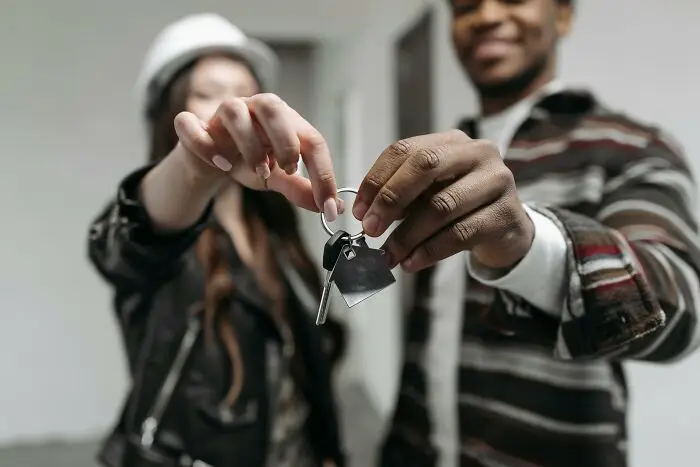
A lot of negative comments on this post. You don’t have to be married to buy a home together, and being married does not mean your relationship is more secure than someone that is married. My biggest advice is to work with a reputable lender and realtor, which it sounds like you are. And keep in mind, the mortgage you get now is not your forever mortgage. You always have the ability to refinance into a lower interest rate when they drop. Don’t let these bitter people drag you down. Go buy that home!
Report
10points


