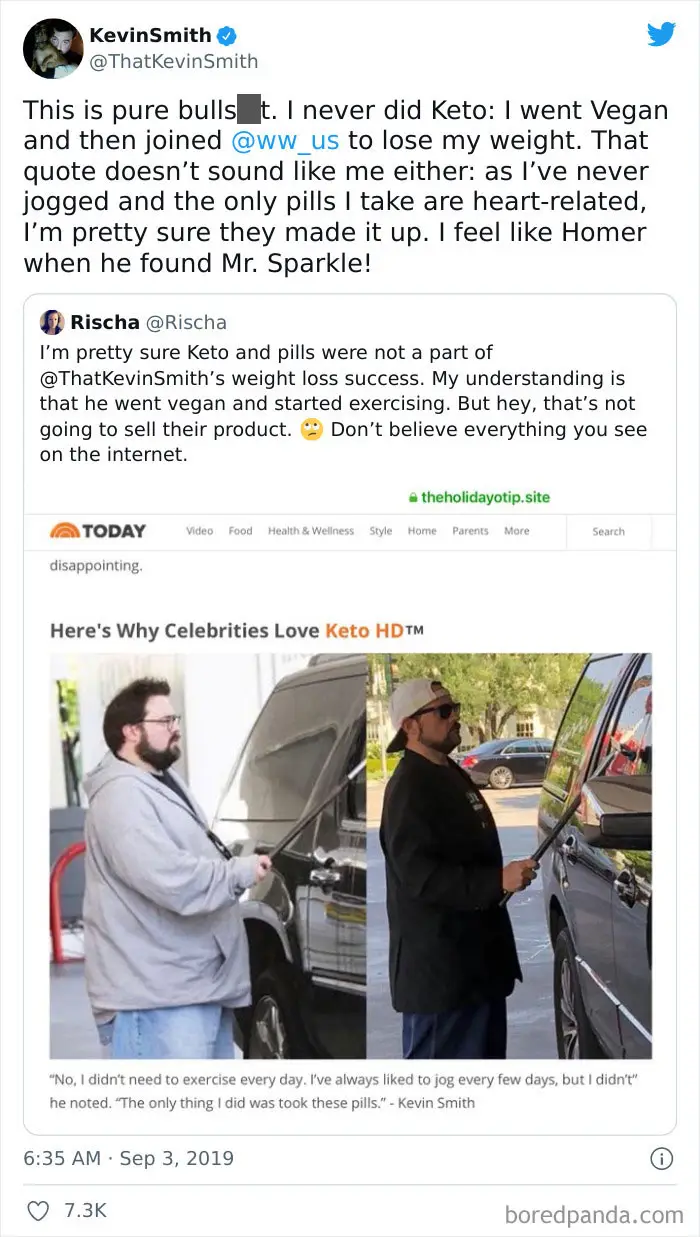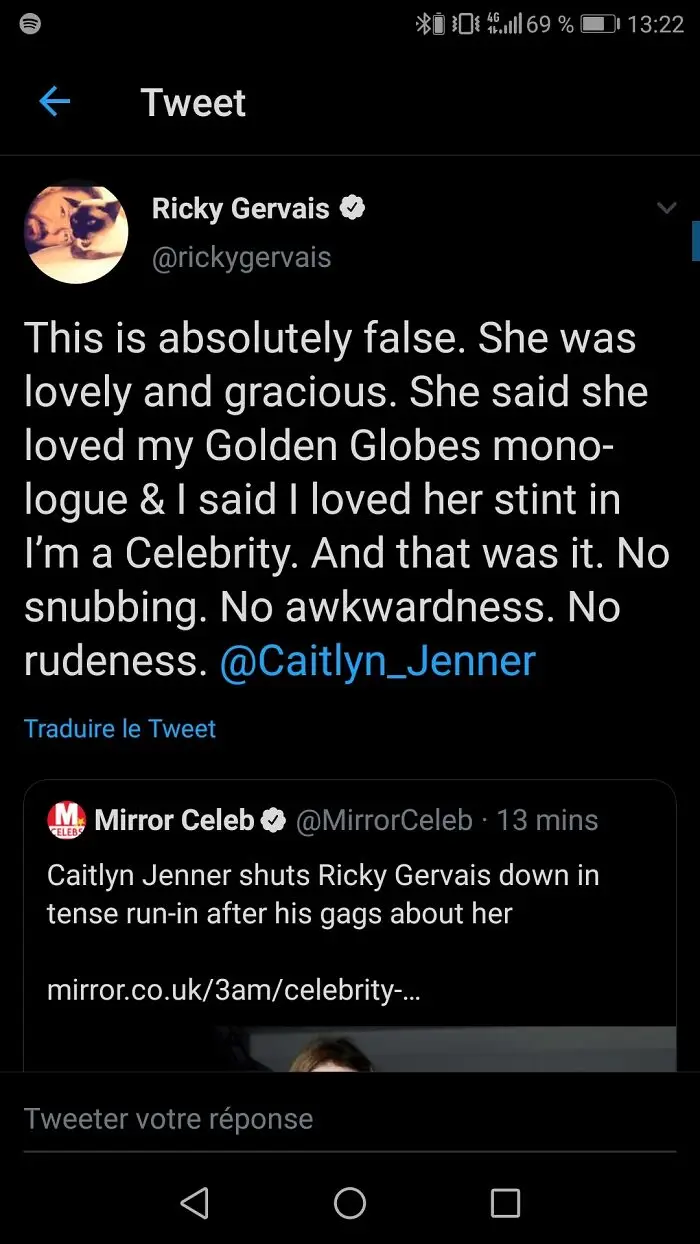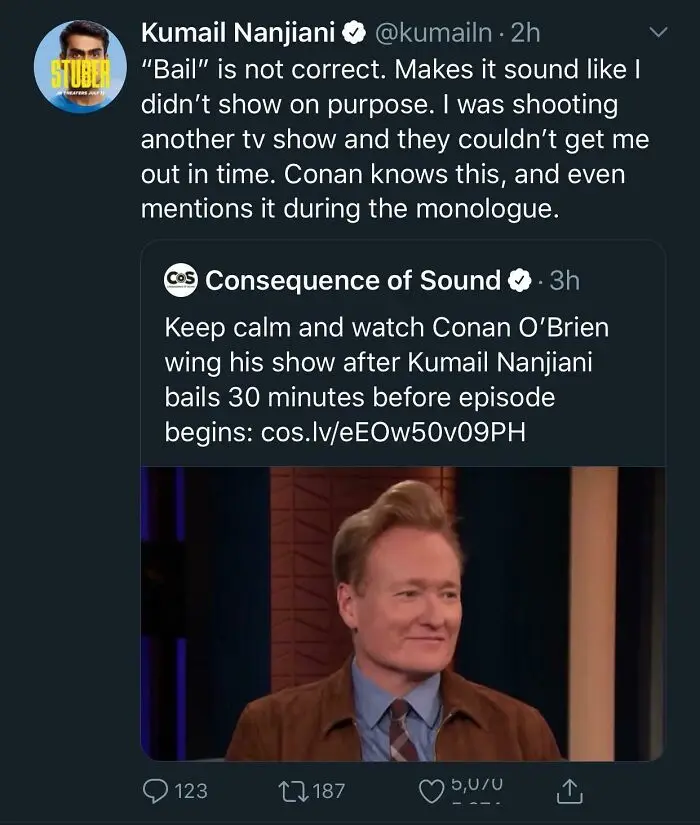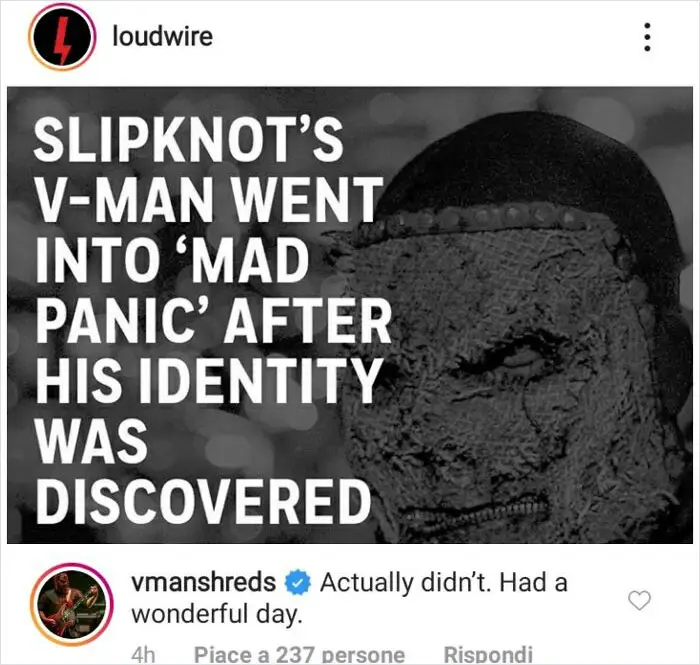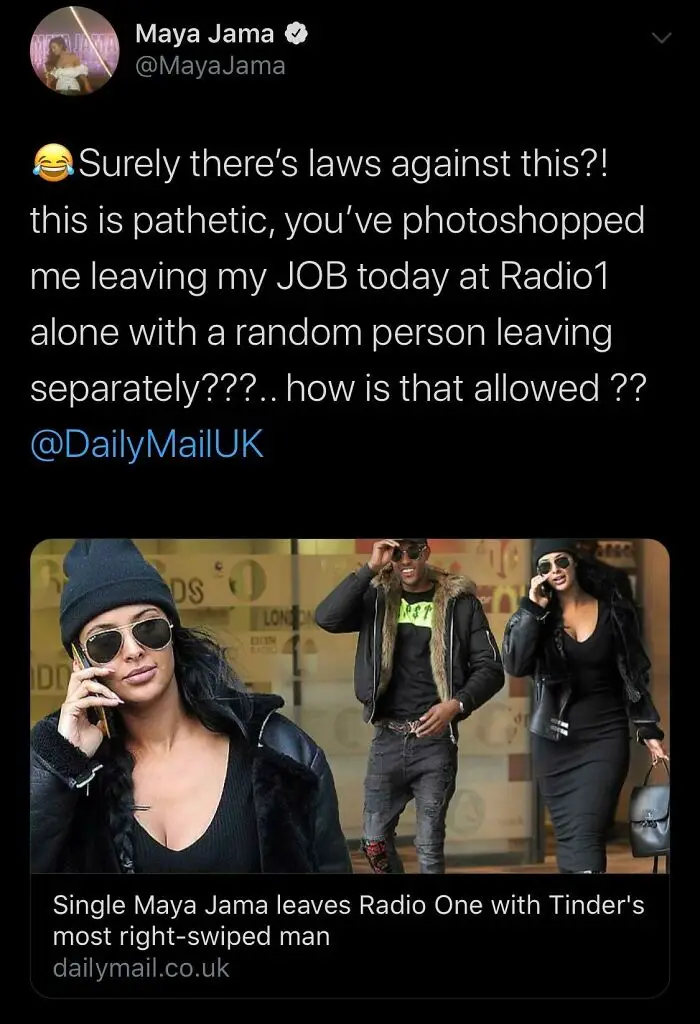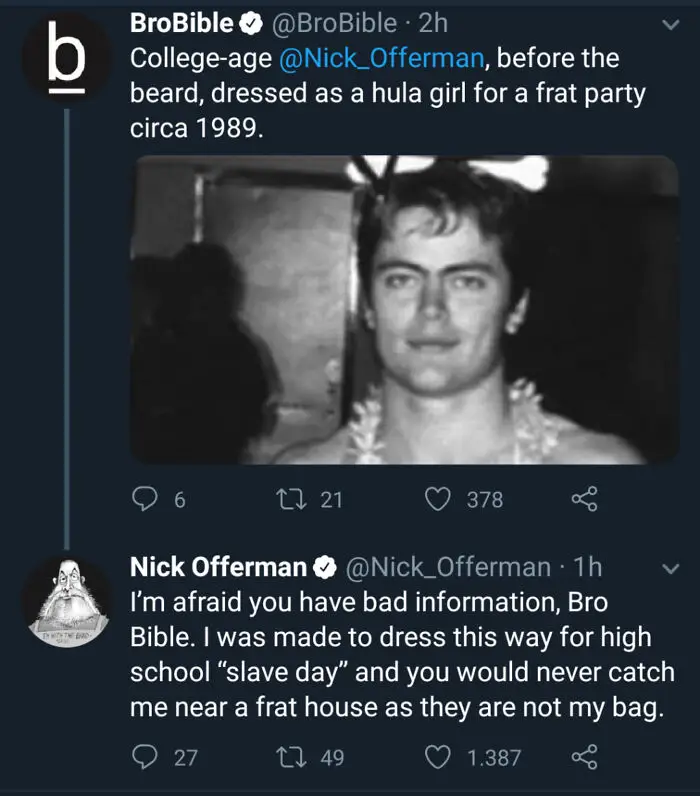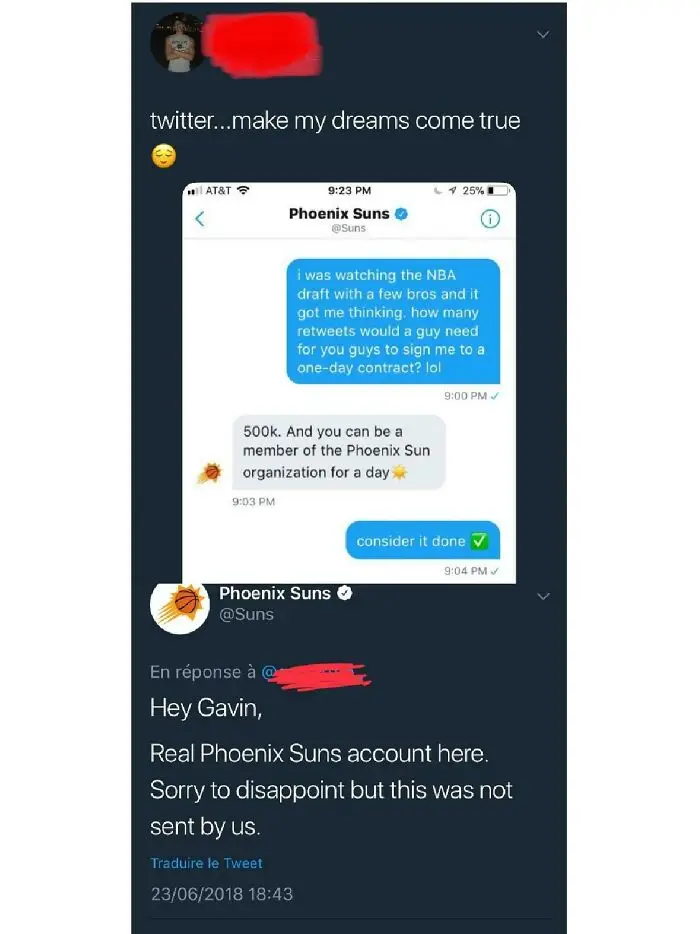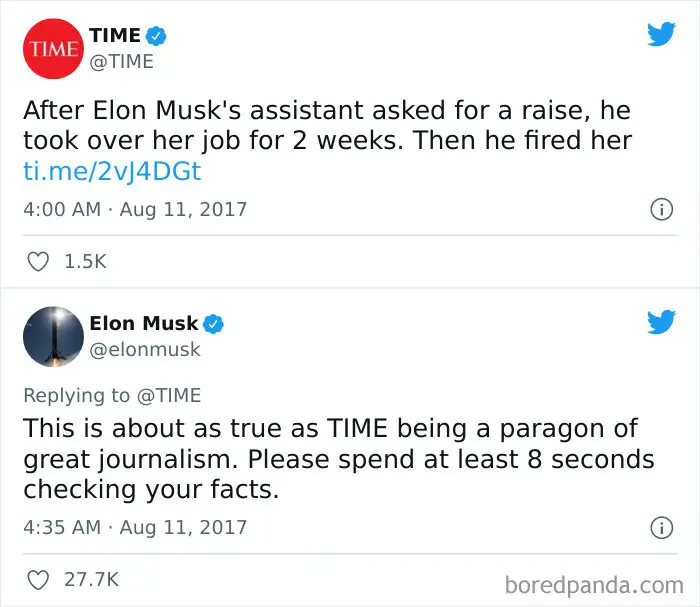
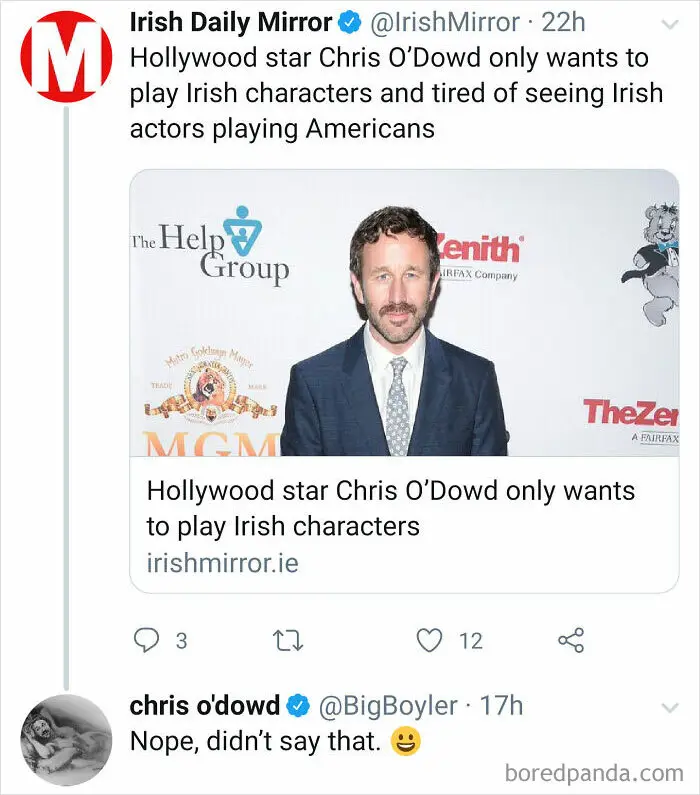
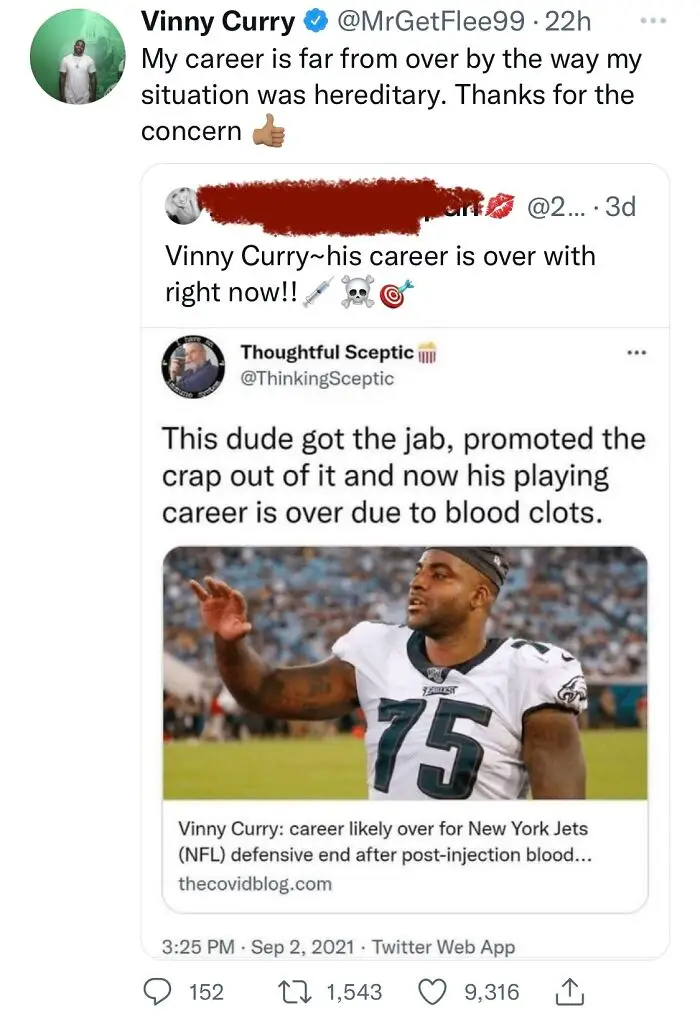
“This is how fake news spreads,” Selepak explained. “But it can be difficult to combat fake news because as individuals we often don’t have reach as influencers. We can debunk and dispute lies, but not as many people will see it, and some might be more willing to believe the lie than the truth.”
We are all impacted by dishonesty on social media. Selepak provided COVID-19 as an example: "those who were telling lies that Covid was spread through 5G towers led some to take down the towers for fear over the disease." He added that people also get hurt by encountering exaggerations online. "We know that celebrities have personal trainers, personal chefs, ... and Photoshopped images they post to social media that then receive thousands if not millions of likes on their post. Social media has a way of setting cultural norms on behavior, beauty, relevancy."
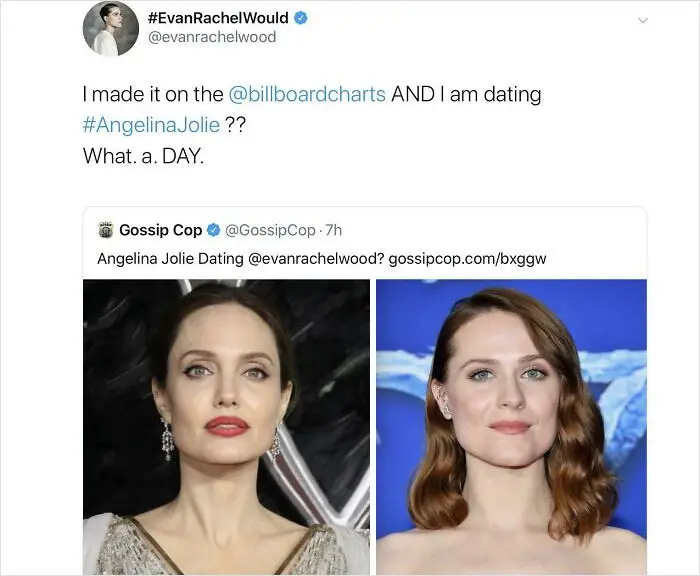

“When people, and especially young girls, see the fake body images presented on social media as the norm and forget that what they see on social media is not real, it impacts how they see their body, the bodies of others, and what they idealize as the beauty standard,” the lecturer said. “This is unhealthy and can lead to anxiety, depression, and eating disorders.”
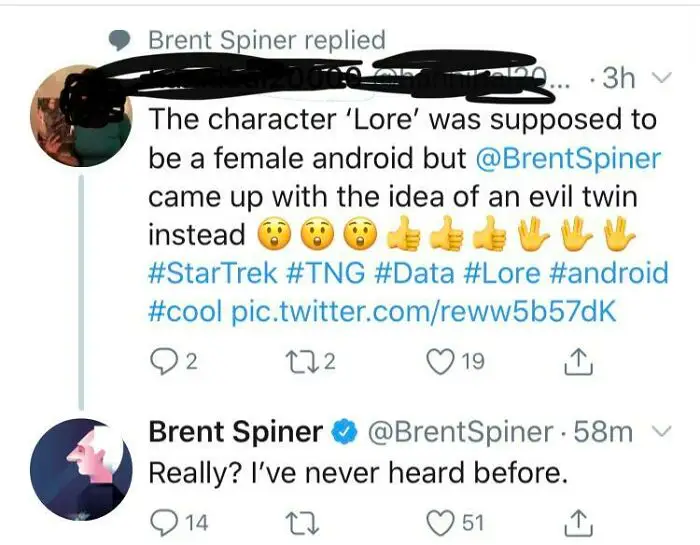
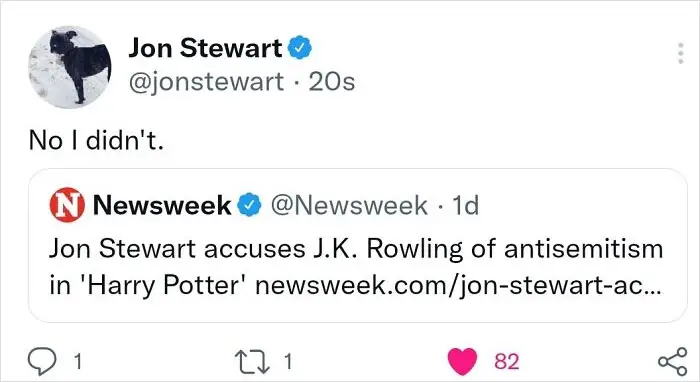
#29 Imagine Being So Consumed By Calling Everything Fake News, That You Become One With The Fake News
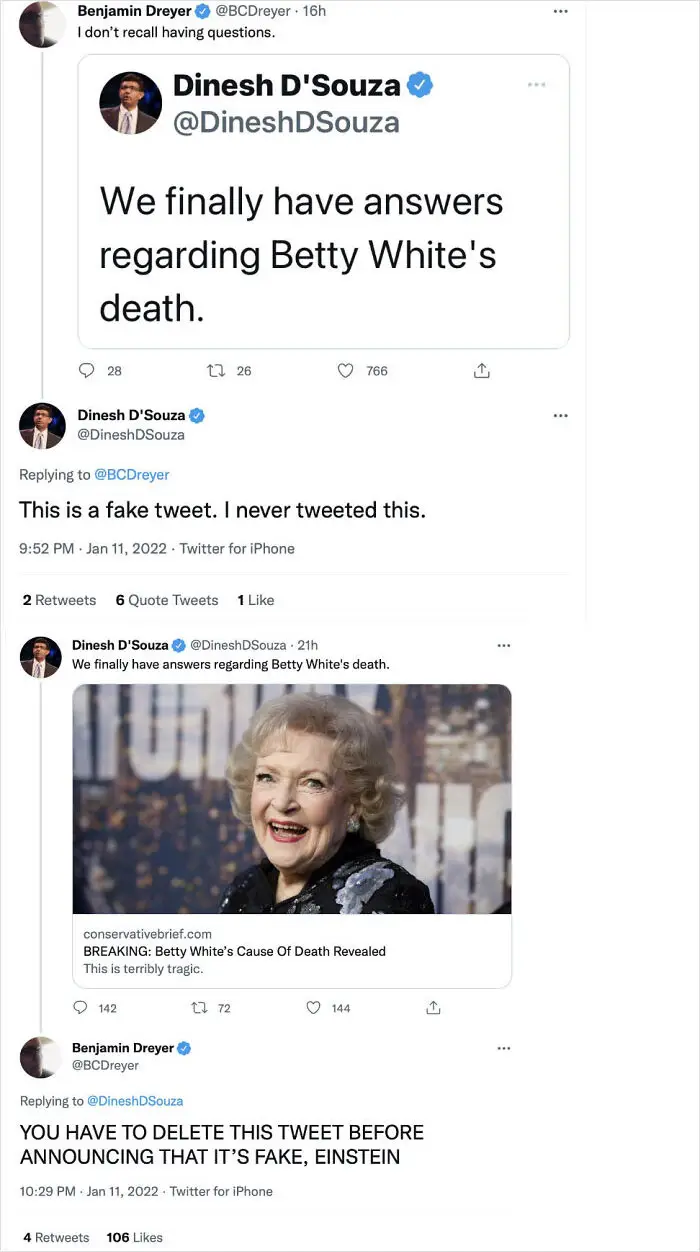
While social media is full of dishonesty, “we cannot expect the platforms to remove all of this content, nor should we want them to. Social media should be a free speech space where ideas are debated and lies are publicly disputed,” Andrew Selepak concluded.