




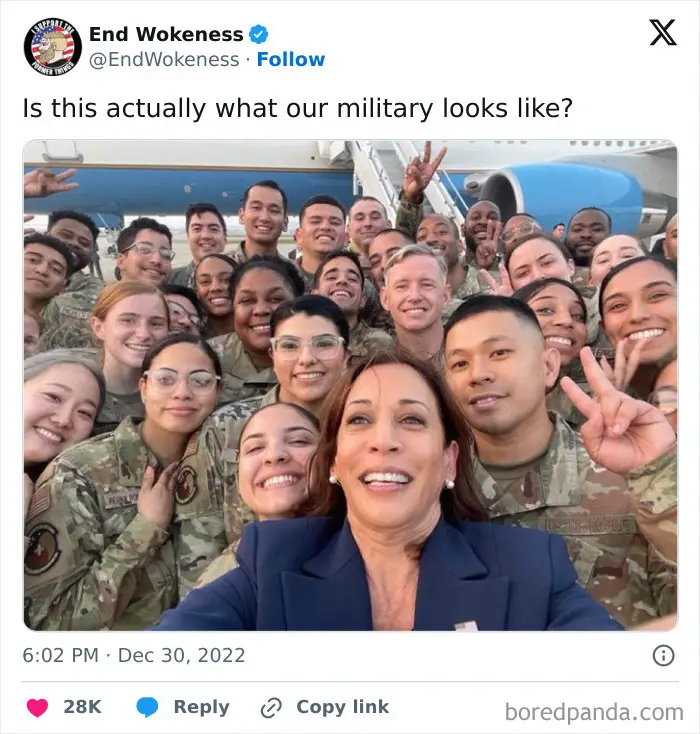
#2 Neckbeard Gets [angry] Because Unlike His Expectations, The Us Army Is Not All 80s Sylvester Stallon Clones
Dr. Lauren Rosewarne, author of 'Cyberbullies, Cyberactivists, Cyberpredators: Film, TV, and Internet Stereotypes' and Associate Professor in the School of Social and Political Sciences at the University of Melbourne, Australia, said a good example of a neckbeard in popular culture is Jeff Albertson from The Simpsons.
"The fat, pony-tailed and bearded sarcastic misanthrope [is] more commonly known as the Comic Book Guy," she said. "In the Bart the Fink episode, Albertson wheels a barrow full of tacos through town commenting 'Yes, this should provide adequate sustenance for the Doctor Who marathon.'
Then there's Plague from The Girl with the Dragon Tattoo (2011). "Surrounded by j*** food packaging, this greasy hacker has the gracelessness to use the toilet – door agape – with [the] company still in his apartment."
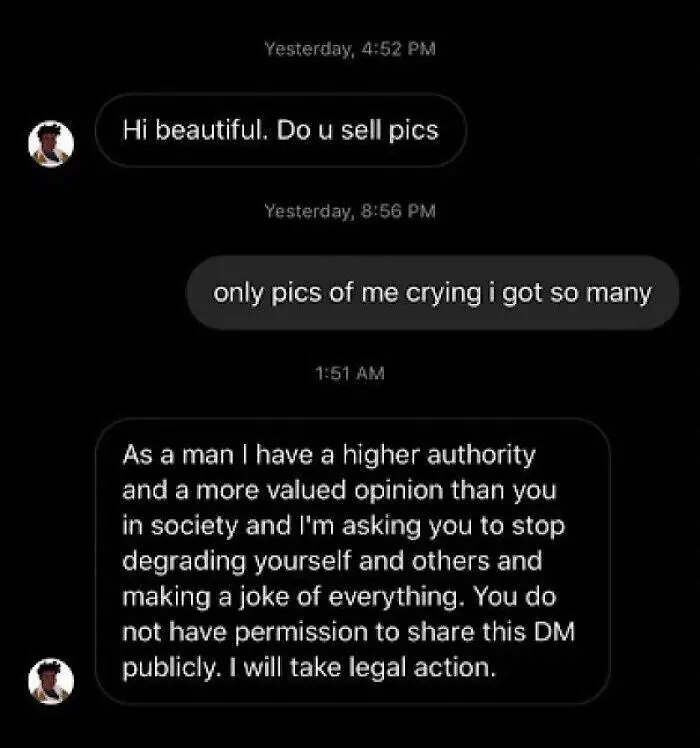


"At a cursory glance, the neckbeard is an easy figure to both loathe and laugh at: he’s the fat guy whose whole pathetic life plays out exclusively in cyberspace," Dr. Rosewarne said.
"This screen stereotype, however, has other interesting elements to it."


At its inception, virtually every new technology had been associated with fears of addiction and the internet certainly hadn't avoided this, either.
As Dr. Rosewarne pointed out, by the mid-1990s, the online world was said to be ruining relationships and socially isolating teenagers.
"The screen’s neckbeard is a product of this: he's not just a user of the technology, the technology is his life."
You might also like: 43 absurdly funny memes shared online that make little sense