



This post may include affiliate links.


According to Dr. Don A. Moore, a professor and the Lorraine Tyson Mitchell Chair in Leadership and Communication at the Haas School of Business, UC Berkeley, overconfidence is "the mother of all psychological biases."
"First, overconfidence is one of the largest and most ubiquitous of the many biases to which human judgment is vulnerable," Moore said. "For example, 93 percent of American drivers claim to be better than the median, which is statistically impossible."
"Another way in which people can indicate their confidence about something is by providing a 90 percent confidence interval around some estimate; when they do so, the truth often falls inside their confidence intervals less than 50 percent of the time, suggesting they did not deserve to be 90 percent confident of their accuracy," the professor added.

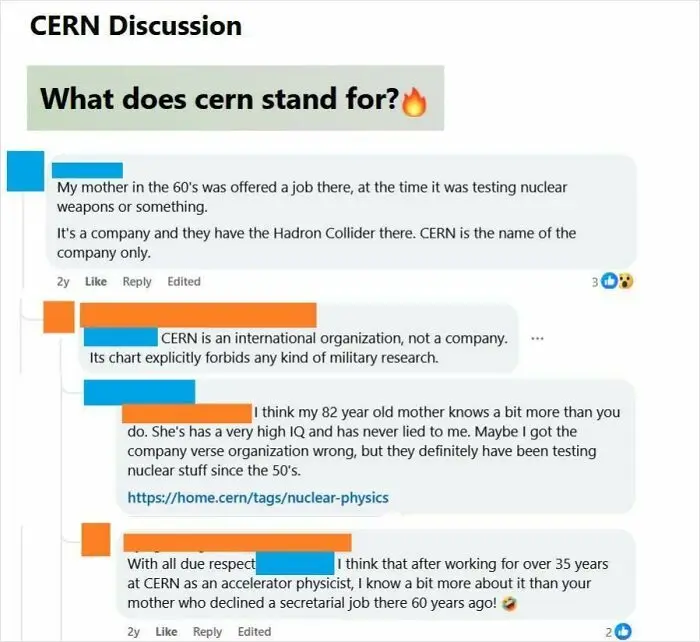

"Among many other things, overconfidence has been blamed for the sinking of the Titanic, the nuclear accident at Chernobyl, the loss of Space Shuttles Challenger and Columbia, the subprime mortgage crisis of 2008 and the Great Recession that followed it, and the Deepwater Horizon oil spill in the Gulf of Mexico," Moore continued.
"Overconfidence may contribute to excessive rates of trading in the stock market, high rates of entrepreneurial failure, legal disputes, political partisanship, and even war."




The second reason why Moore calls overconfidence the mother of all biases is because it "gives the other decision-making biases teeth."
"If we were appropriately humble about psychological vulnerabilities, we would be better able to protect ourselves from the errors to which human nature makes us prone," he highlighted. "Instead, an excessive faith in ourselves and our judgment means that we too often ignore our vulnerability to bias and error. Decades of research on judgment and decision-making have documented these heuristics and the biases they create. They include, but are not limited to, availability, representativeness, anchoring, framing, reference dependence, and egocentrism."




So what should we do if we don't want to end up thinking we're better than everyone else? Should we try to reduce our confidence (and risk falling into self-doubt), or should we convince ourselves that what others think of us doesn't matter and attempt to fail our way to success? Moore believes the answer lies in the middle.
"This Goldilocks zone of confidence is where rational beliefs meet reality," he said. "It is fundamentally based on truth and good sense. It is built on beliefs that can be justified by evidence and honest self-examination. It steers between the perilous cliff of overconfidence and the quicksand of underconfidence. It is not always easy to find this narrow path; it takes honest self-reflection, level-headed analysis, and the courage to resist wishful thinking."

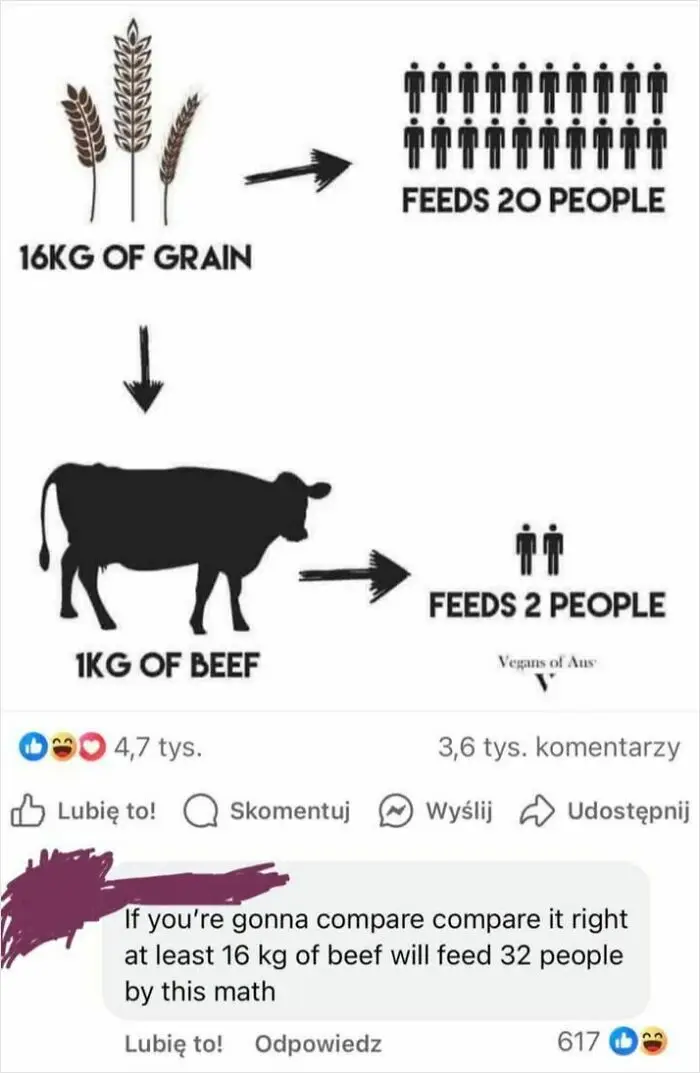
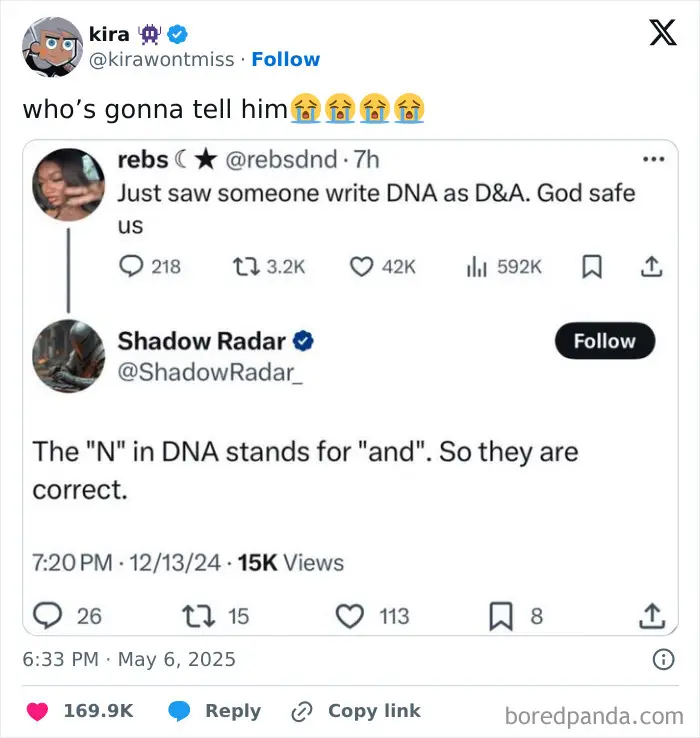

Some might say that the middle way is the path to mediocrity. But it has long been valued.
In Nicomachean Ethics, for example, Aristotle argues that all virtues lie between extremes of deficiency and excess. He compares virtues to health, suggesting that just as both too little and too much physical exercise can destroy one's strength, both deficiency and excess can destroy virtue.
Courage, for instance, is a virtue that lies between a deficient condition—cowardice—and an excessive one—rashness. A coward has too much fear and flees from all danger, while a rash person has too little fear and confronts all danger. A courageous person, by contrast, judges which dangers should be confronted and which should not, and feels the appropriate amount of fear.