


After that, participants were led to believe that they would engage in a discussion with a person who had the opposing view and were given the opportunity to select messages that would be sent to the other person before the discussion.
Some of these sentences suggested competition (“I plan on winning this debate”); some suggested cooperation (“I hope that you will also want to find some common ground on this issue”); and others reflected a desire to learn about the conversation partner’s beliefs (“I’m curious to learn about your position in this debate”).

In the end, it turned out that the more strongly people believed that their attitude was correct, the more likely they were to select competitive sentences to introduce themselves to their partner. Being clear about the attitude, however, did not have a strong influence on people’s sentence selections.



"Being certain of your attitude can affect whether you try to convince other people that you are right," Markman said. "In particular, the more strongly you believe that your attitude is the right one, the more you will focus on convincing others."
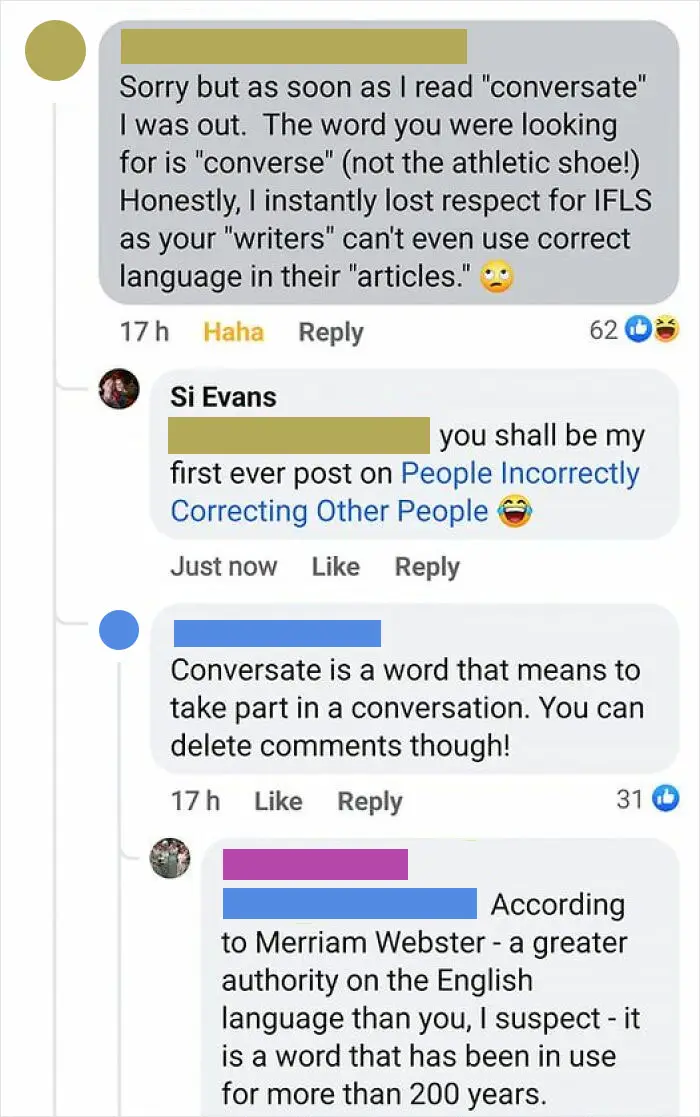
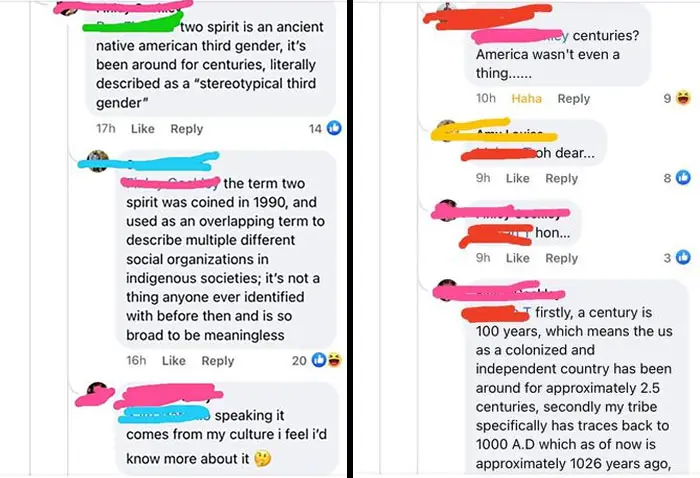
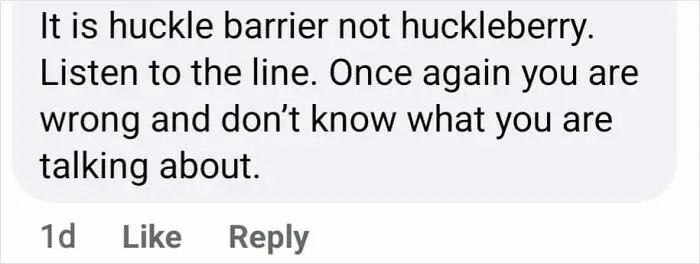
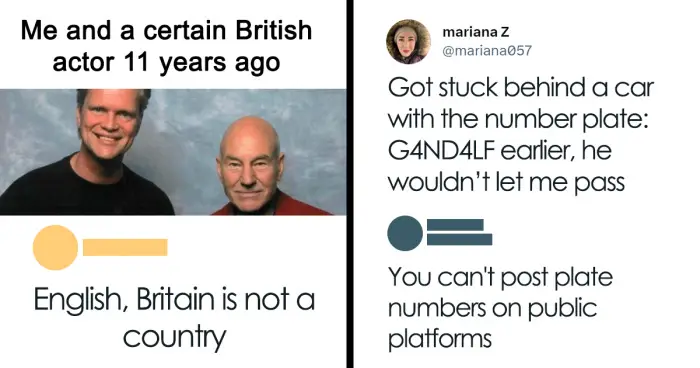
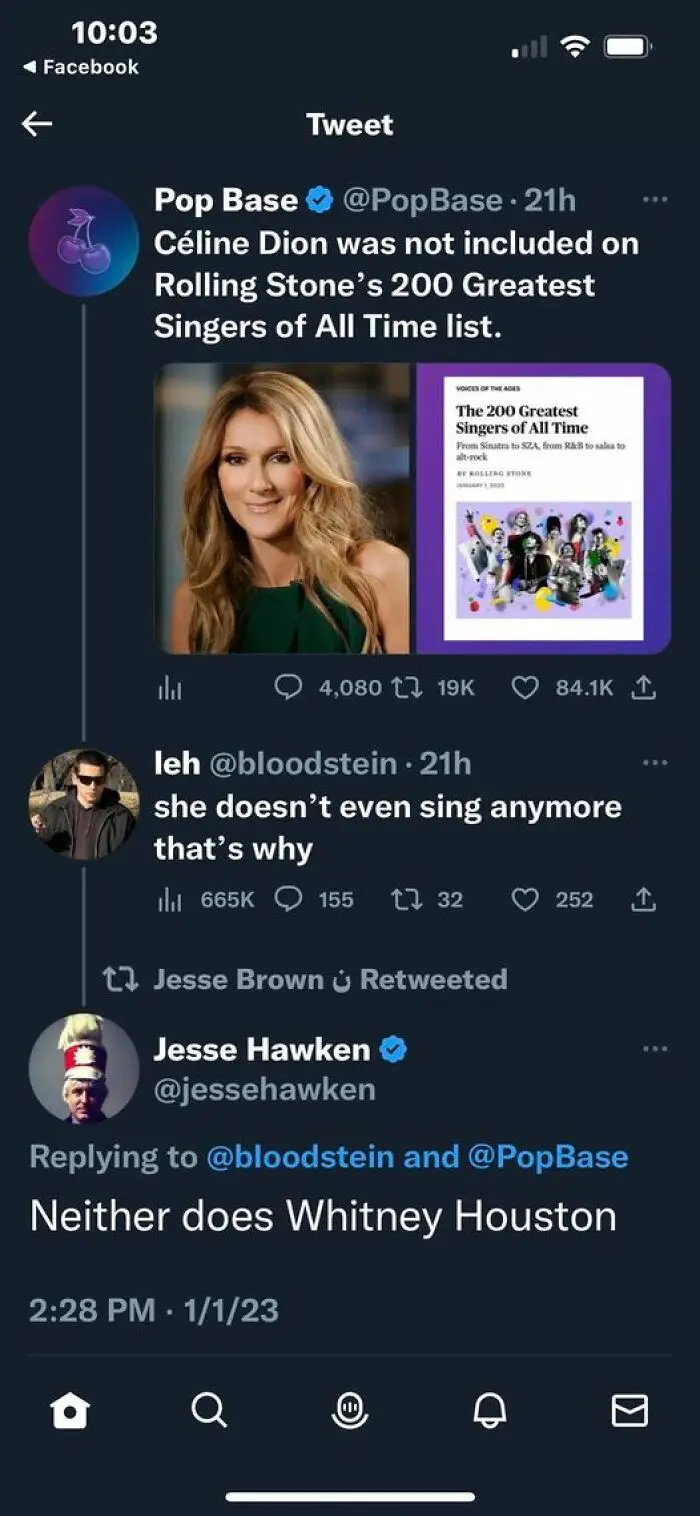
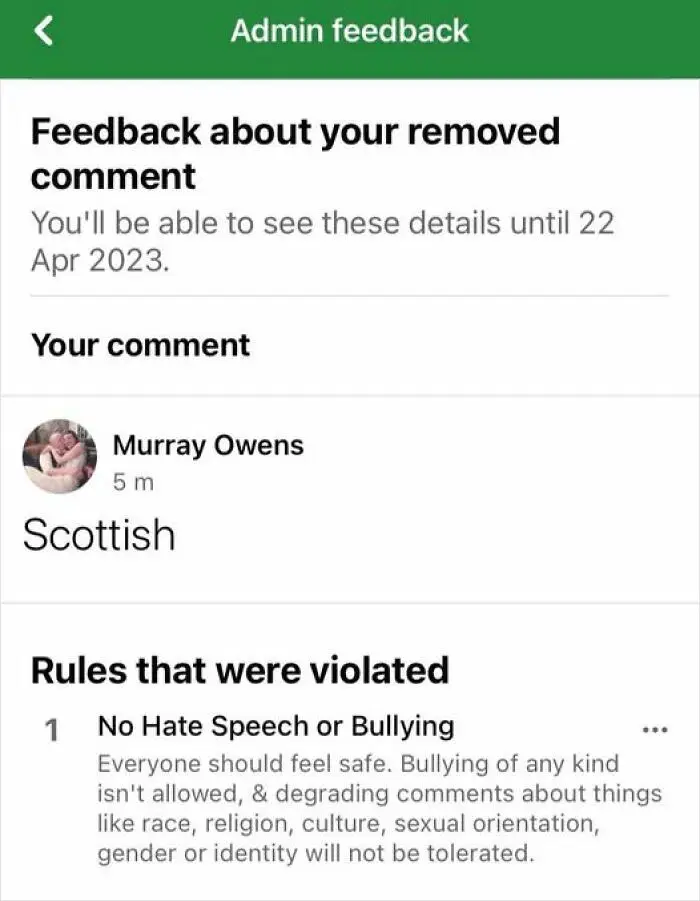
But that also means that if you find yourself in conflict with others on a regular basis, you might want to evaluate whether you generally assume that your attitudes are the correct ones. If so, you might consider discovering other people’s perspectives in order to see whether there is validity to opposing points of view. Something that folks we see in these pictures would benefit from.
For more similar examples, fire up Bored Panda's first article on ‘People Incorrectly Correcting Other People.’