



#3 I Hate The Lack Of Interest In The Fact That We Have Photos Of The Surface Of Mars

We tend to think of “hating” as a mostly negative thing, but a 2006 study showed that it actually helps us build social bonds. If you’ve ever gossiped about a mutual acquaintance with somebody, you might’ve noticed that it immediately made you feel closer to that person.
In their study, the researchers found that people were more likely to share negative than positive attitudes toward other people. When the participants talked to strangers about a person they both disliked, they reported liking that stranger more. Apparently, it’s because hating the same thing makes us feel like part of the group and boosts our self-esteem.
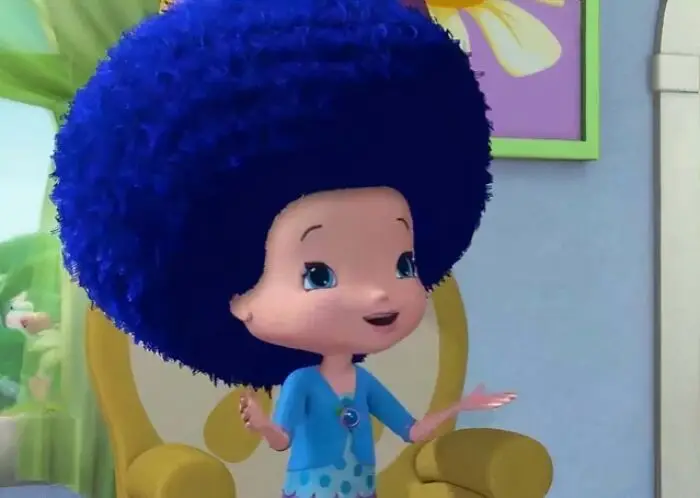
#5 I Hate When A Character "Has A Bad Hair Day" Or Their Hair Becomes "Bad" And Its Just A Afro

Are communities like r/HateThisSmug actually helpful, or do they only give space for people to be toxic and hate on things unnecessarily? Some would argue that people naturally need to vent and express their dissatisfaction and that holding in that hatred or annoyance is unhealthy.
However, research suggests something different. When it comes to anger, expressing it doesn’t make it go away. In fact, it can actually lead us to do it more often, become more violent, and condition us to think that venting in such ways is okay.
Brad Bushman, a professor of communication at The Ohio State University, says that when we’re angry, venting is the worst thing we can do. According to him, we’re only “adding more fuel to the fire.”
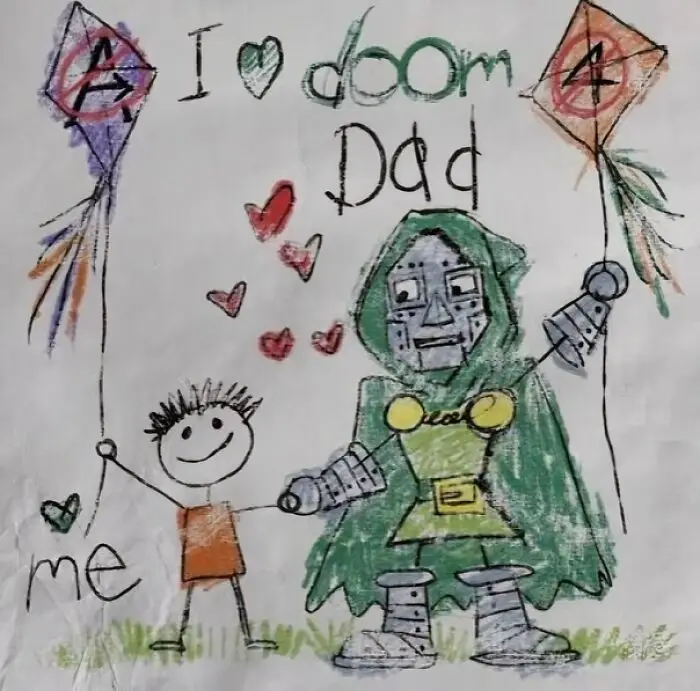
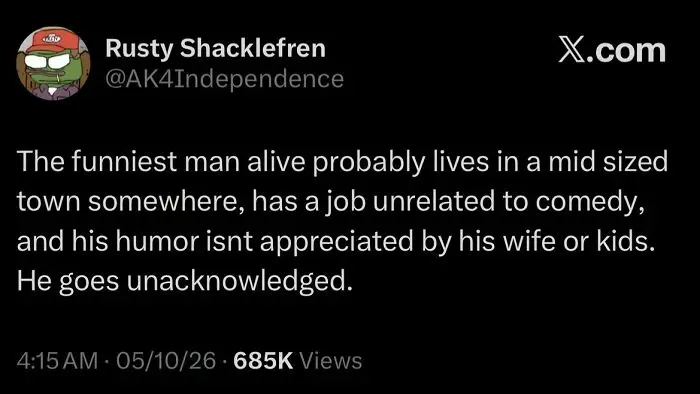
Hatred doesn’t come from nowhere; it usually stems from feelings of unfairness, powerlessness, and mistreatment. According to psychotherapist Stephanie Carnes, PhD, LCSW, true hatred is more visceral and destructive than simply saying something like “I hate broccoli.” “Hate is a profoundly intense and enduring dislike for someone or something,” she explained to Everyday Health.

#12 I Hate The Guy Who Sues Mr. Incredible For Saving His Life. And His Lawyer. They’re Both Just Awful

Anger and hatred are not the same. According to the authors of a 2018 study, anger and revenge stem from wanting to change something about a situation or a person's behavior. Hate, on the other hand, doesn’t have that corrective desire. “Hate has the goal to eliminate its target,” the researchers write.
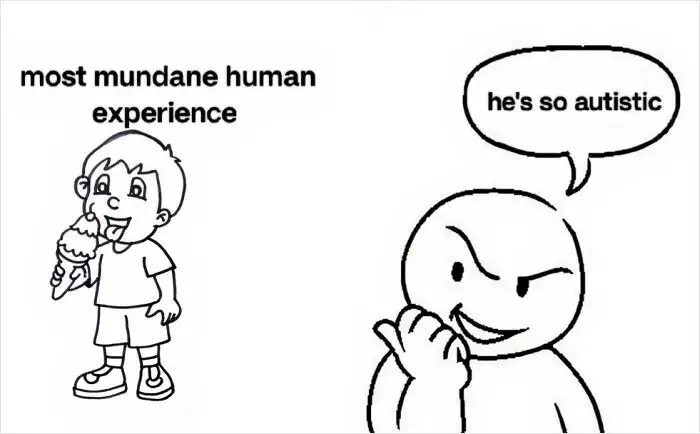
#13 I Hate The Way People Normalize Diagnosing Fictional Characters Or Irl Folks With Disorders For The Most Mundane Actions

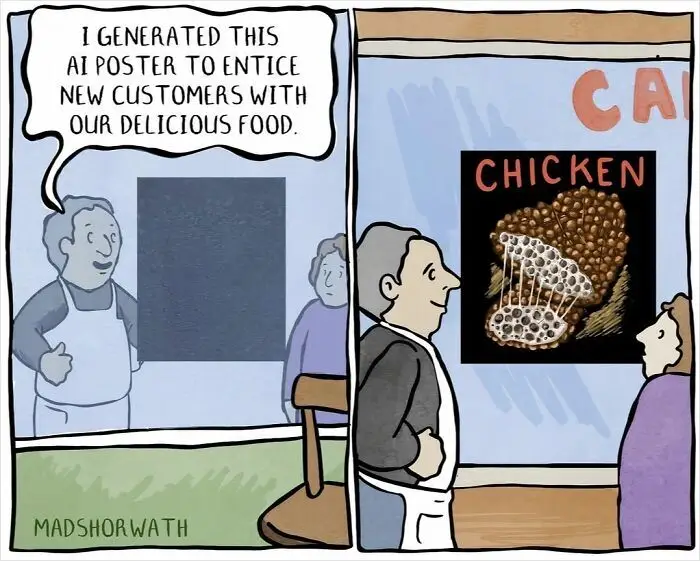
#15 I Hate That People Are Glazing A Billionaire For The Work Of Engineers

Hate is a natural human emotion, and experts say that we should allow ourselves to feel our feelings. However, just like with anger, too much hate can become unhealthy, especially if it’s self-hate, systemic hate, bullying, etc. “Unlike some emotions that can become catalysts for motivation or empowerment, hate is a heavy, burdensome emotion that can become toxic,” Carnes added for Everyday Health.
#17 I Hate That All Of The Major Carrie Adaptations Have Ignored That She Is Canonically Overweight

When we talk about “being a hater,” we usually mean more casual, less destructive forms of hate. Examples usually include hate-watching TV shows, participating in snark subreddits, and roasting people in comment sections. We would usually refer to such behavior as petty, but many of us still do it. Why? Because ultimately, whether we want to admit it or not, it makes us feel good.