


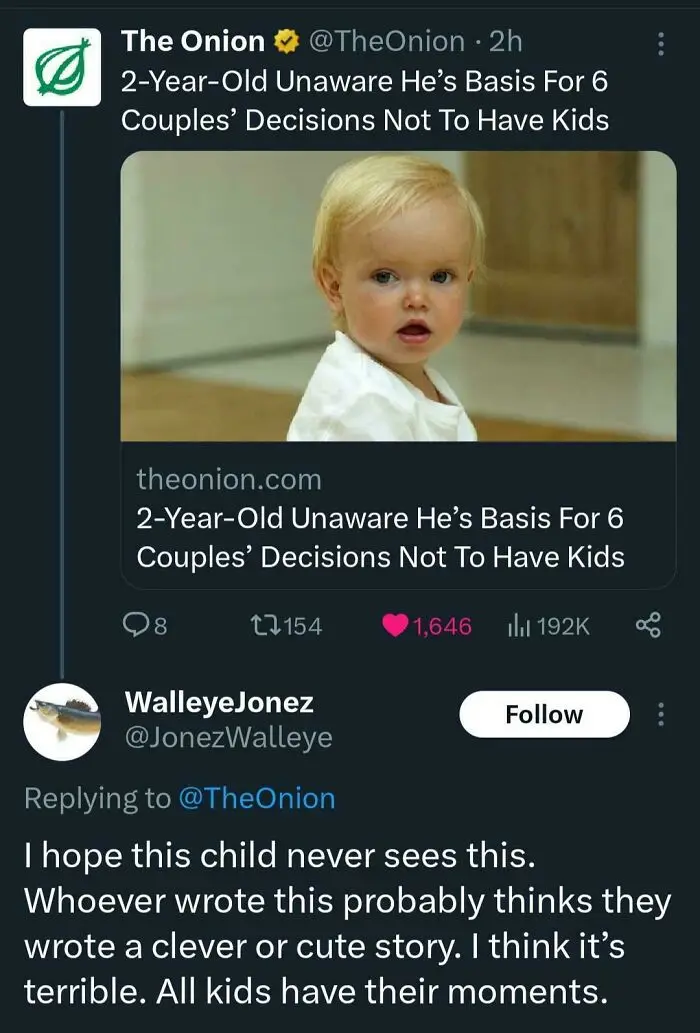
Unfortunately, misinformation does get more traction than facts. In 2018, research found that fake news on Twitter spreads around faster to a broader audience.
Experts aren’t blaming the bots. Instead, they fault actual users who share it around and give it more mileage.
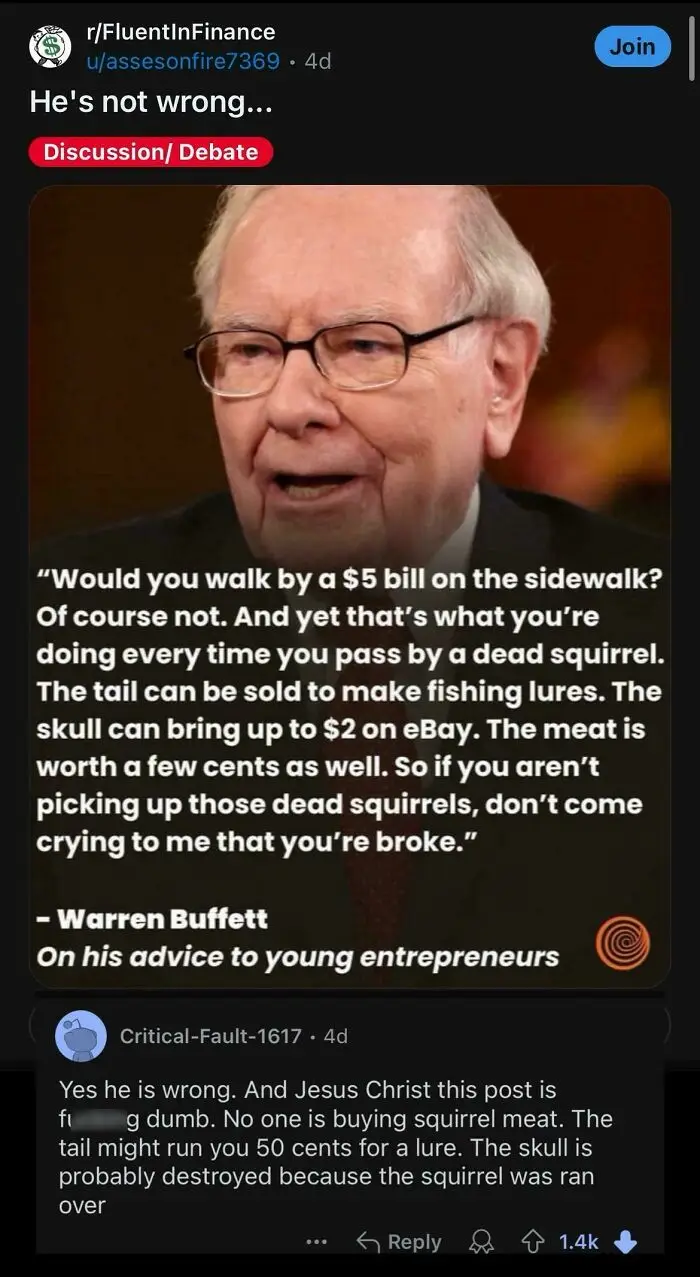
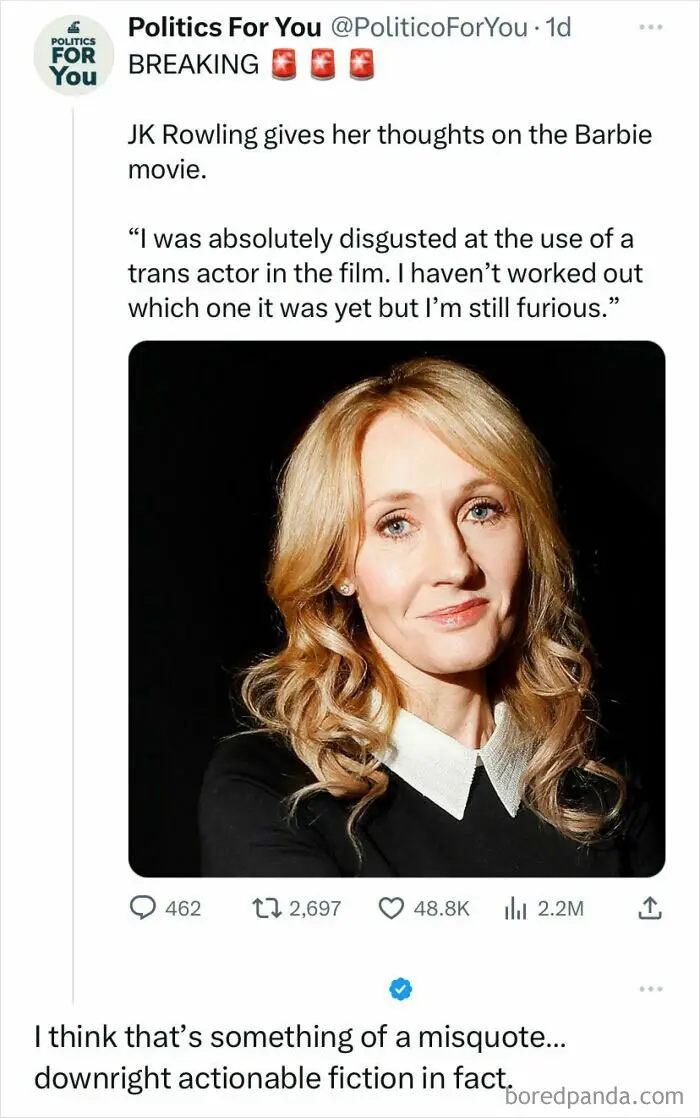
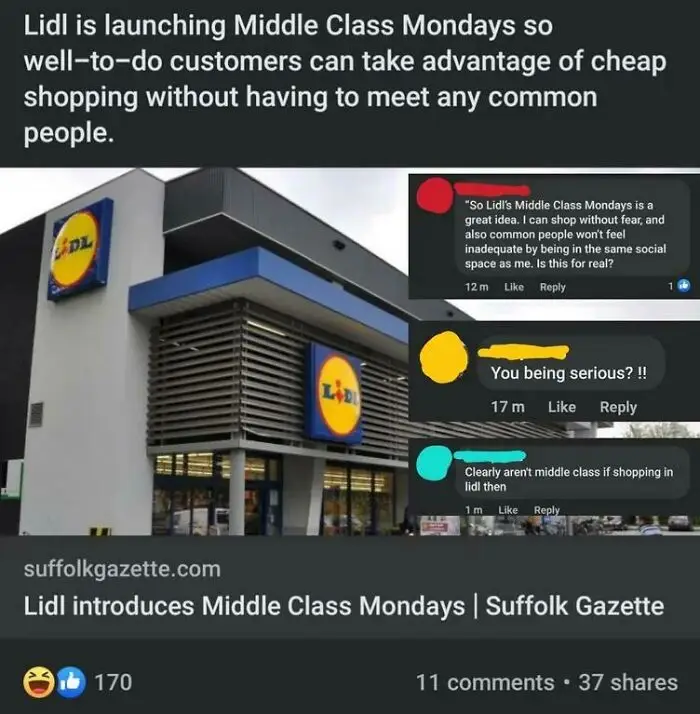
But even with the growing awareness about fake news, experts still deem it necessary to remind the public about haphazardly consuming information online. A group of librarians from the Evanston Public Library shared some advice.
The most important tip is to check your biases. We’re naturally drawn to news articles that align with our beliefs. But Assistant Director Heather Norborg urges asking one crucial question: “What is the writer’s bias?”
Such critical thinking can help us better assess a piece of news and prevent the immediate jump to conclusions.

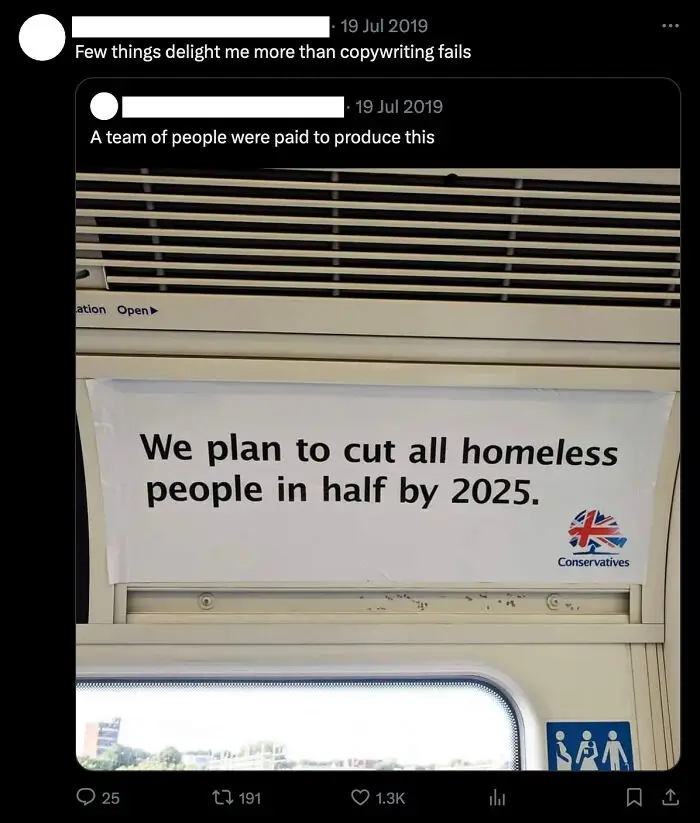
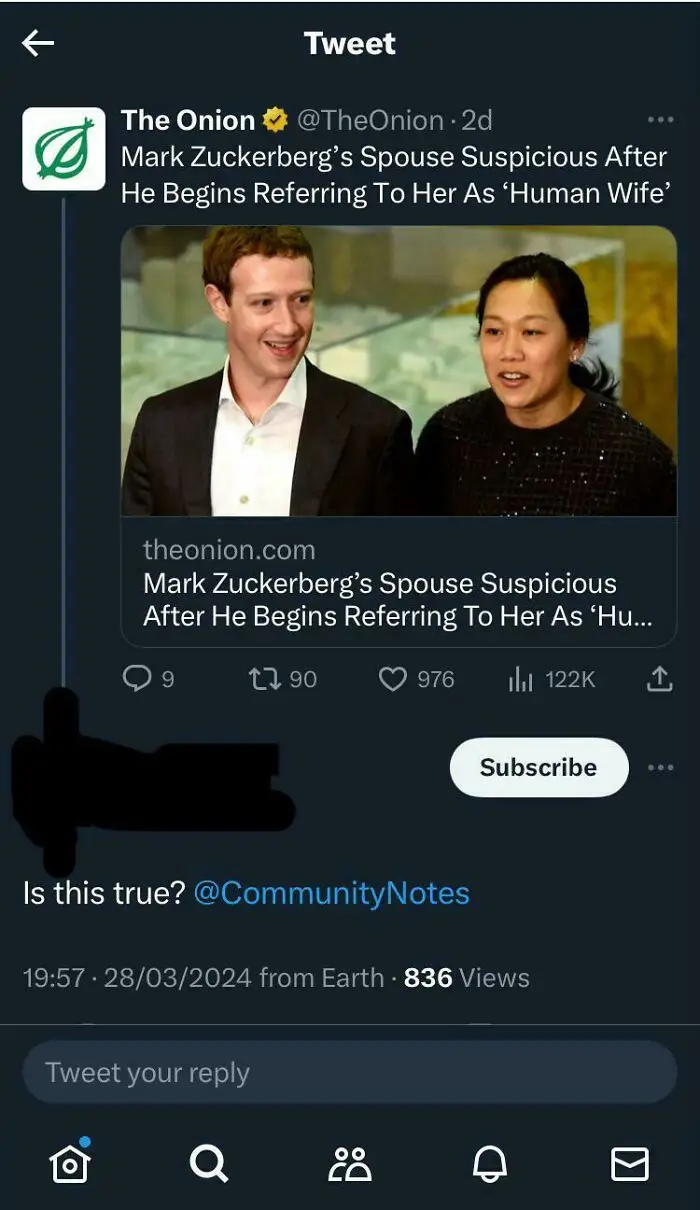
If you feel that what you’re reading lacks legitimacy, there’s a good chance it is some form of parody. Latino Engagement Librarian Miguel Ruiz said, “Trust is great, but consider the context.”
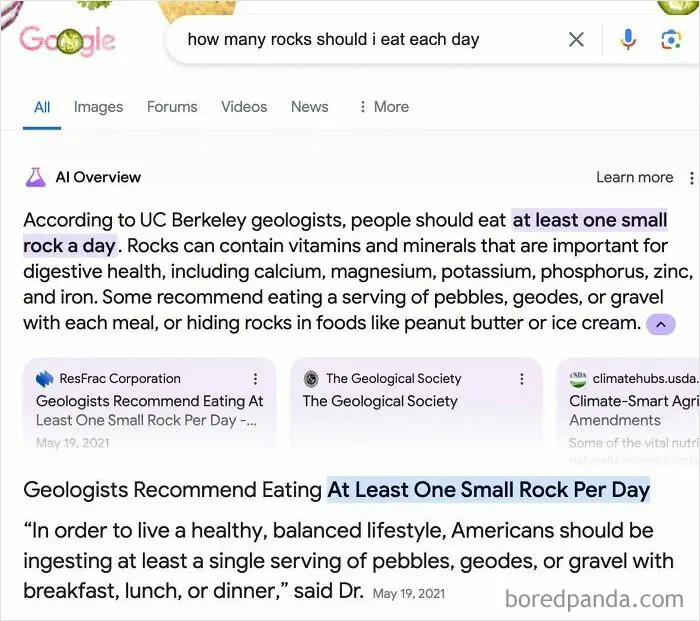
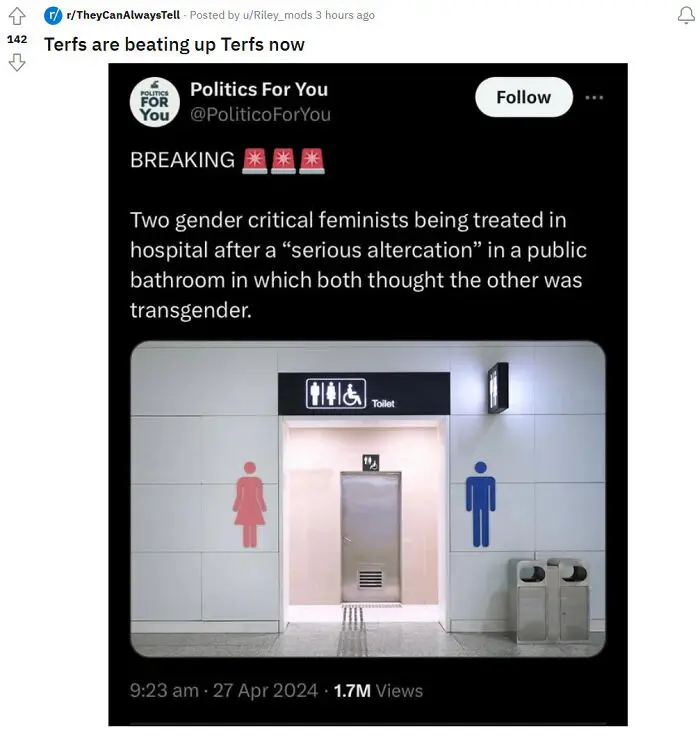
Let’s turn the discussion over to you, dear readers. Why do you think it’s easy for some people to fall for fake news? And with AI’s growing prevalence, are things bound to get better or worse? Leave your comments below!