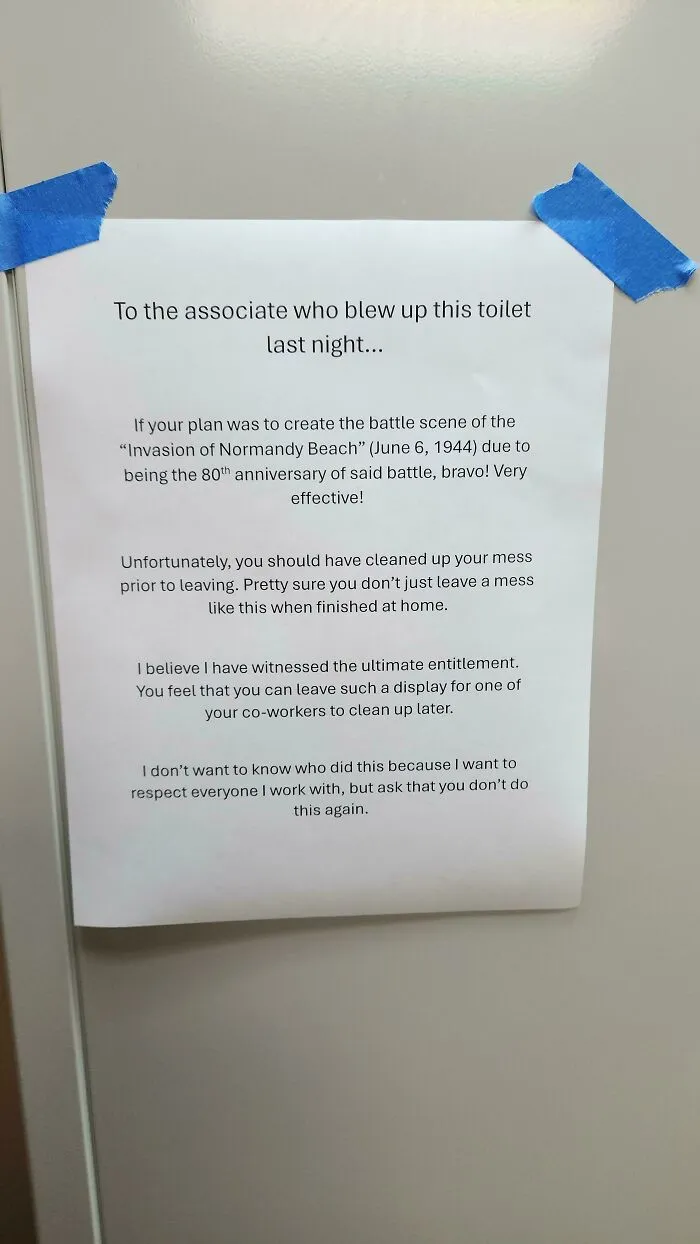


#1 My Cab Driver Tonight Was So Excited To Share With Me That He’d Made The Cover Of The Calendar. I Told Him I’d Help Let The World See


#3 Had The Best Combo In Cards Against Humanity, And No One Laughed…

Social norms. Something you don't usually see on motivational posters. The unwritten rules governing everything from how you dress to how loudly you laugh in public to whether you're allowed to eat a full meal on public transport are entirely made up. They don't exist in nature.
No mountain has ever refused entry to someone wearing outdated footwear. The universe has no strong feelings about whether you make eye contact in a lift. These rules were invented by groups of people, agreed upon without a formal vote, and then passed down with authority. It was not always true, and we must remember someone made it all up. Probably at a dinner party.

#5 This Shoe Store Employee Was So Bored That They Used Rubber Boots To Create This Masterpiece

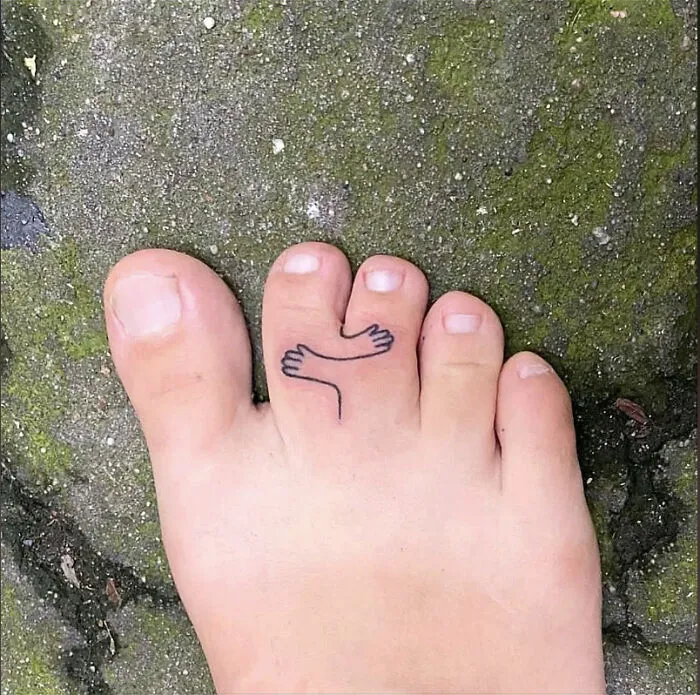
Todd Rose, co-founder of the think tank Populace, calls these made-up rules 'collective illusions.' Situations where most people go along with a view they don't personally hold because they incorrectly assume everyone else holds it. In other words, a significant portion of the social rules you've been following your entire life are rules that most people around you don't actually believe in either.
Everyone is performing for an audience that is also performing. The whole thing is a very elaborate, very exhausting improv show that nobody signed up for. "Norms lurk in the background," Rose says. So, maybe these unhinged folks are your signs to start questioning them and maybe unlocking a side of life you never knew existed.


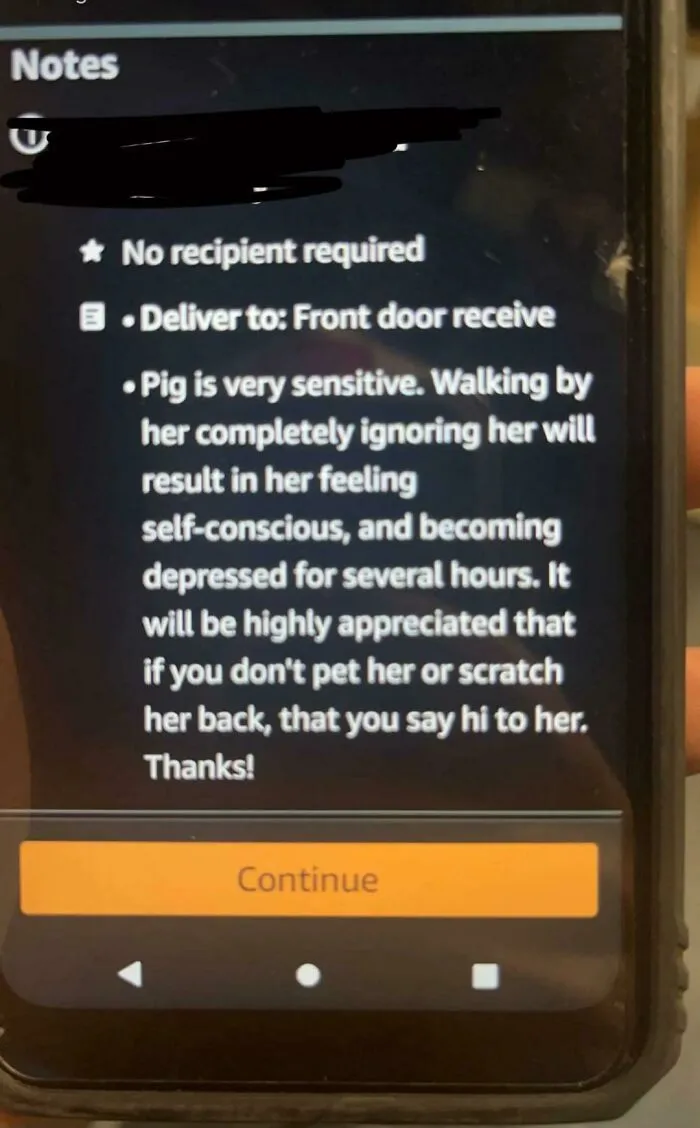
So how arbitrary are social norms actually? Consider that in the early 1900s, not so long ago, things looked very different. Formal calling cards were presented before visiting anyone; there were strict dress codes for simply leaving the house; you tipped your hat at strangers, public spittoons were respectable, and chaperoned dating with zero unsupervised contact was the norm.
Nobody mourns the spittoons, and nobody is lobbying for the return of the chaperone. Today we have athleisure, the Gen Z stare, and live locations when on a Tinder date. The rules changed because enough people simply stopped following them, and the world did not end. It never does.


Questioning social norms is not, by itself, evidence of superior intelligence. Analytical thinkers do tend to evaluate rules deeply rather than accepting them at face value, which is very valuable in itself, though.
But non-conformity can also stem from low agreeableness, a desire for attention, or just plain stubbornness dressed up as free thinking. Not every person doing something unconventional is a visionary. Some of them are just difficult. But we choose to believe that the people in this thread are the good kind. Keep being weird!
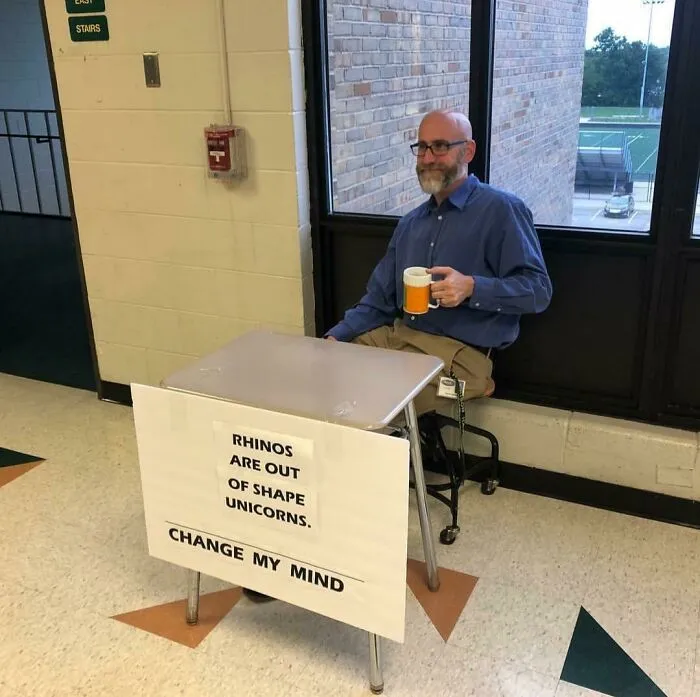
#13 Today Was "Meme Day" At My Old High School For Homecoming Week. I Appreciate This Science Teacher Even More Now
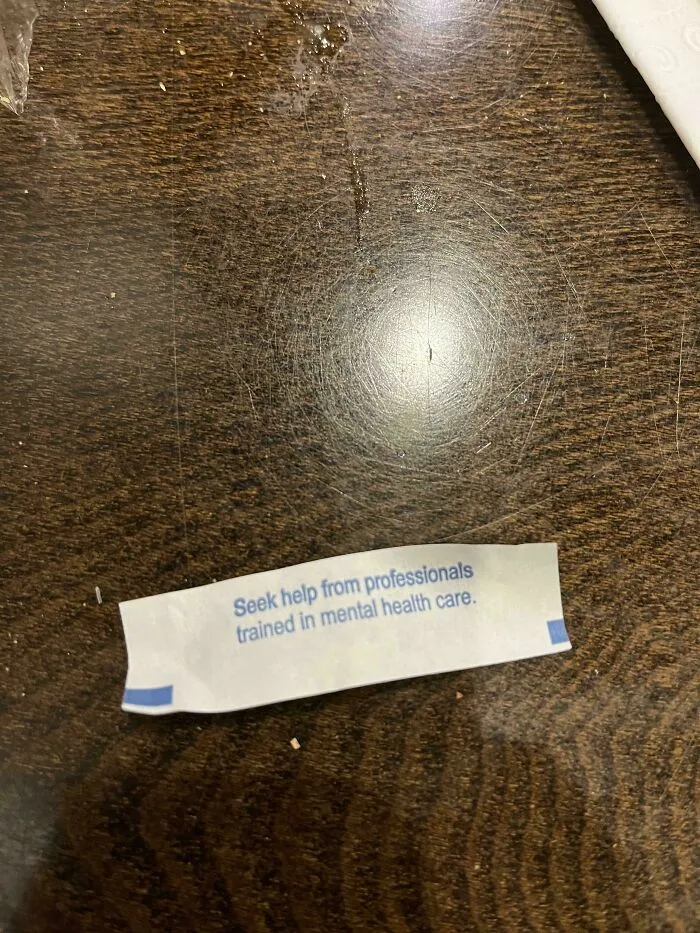
#15 This College Student Tried To Stave Off Boredom In Class With Some Doodling

In 1847, a doctor named Ignaz Semmelweis was considered too weird for his colleagues. He introduced the wild concept of mandatory handwashing with a chlorinated lime solution. His colleagues thought he was unhinged. He was dismissed, ridiculed, and eventually committed to a mental institution where he met his maker, ironically, from an infection.
Decades later, germ theory caught up with what he already knew, and handwashing became the cornerstone of modern medicine. The lesson: sometimes the person who looks the most unhinged is just significantly ahead of schedule.
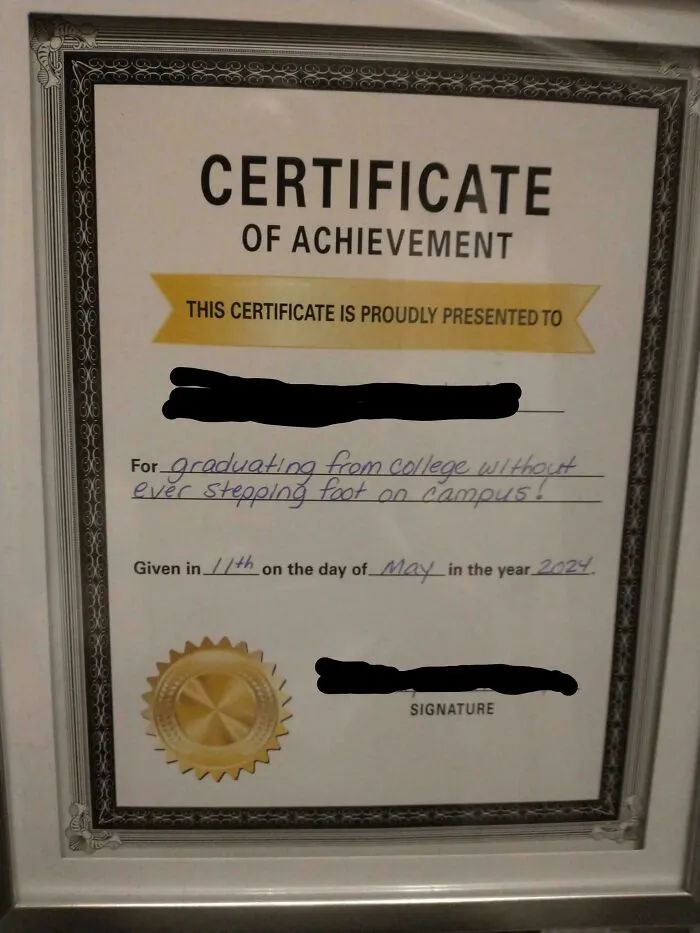
#16 I'm A Disabled College Student Who Just Graduated....i Can't Decide If My Parents Are Hilarious Or Horrible Human Beings. 🤣

Chronic seriousness is not a personality trait to be proud of. It is, according to researchers, actively bad for your health. It produces high anxiety, mental burnout, rigid thinking, and social isolation in people who have decided that every minor inconvenience deserves the full weight of their concern.
The Healthy Compulsive Project notes that an overly serious life systematically excludes laughter, which is a biological necessity for wellbeing. Treating everything like a crisis is not diligence. It is, neurologically speaking, a form of self-harm with very good posture. The people in this thread have figured something out that chronic seriousness never will.