
According to Reeves, there are two explanations for what happened to tear the connective tissue between growth and wages: the Productivity Story and the Power Story.
"The productivity story goes as follows: wages reflect the productivity of the worker; the modern economy rewards skills more than in the past; and lots of people have not upskilled quickly enough," he explained. "Under the wonky label 'skills-biased technological change', this view prevailed across most of the political spectrum well into this century. Free markets could deliver fair-enough outcomes, so long as everyone got the education and training they needed. 'Lifelong learning' became the mantra of all, and the cliched answer from politicians and scholars to the deepening problem of inequality."


There are two problems with the productivity story. First, the necessary investments in education and training were never actually made—community colleges, the most common post-secondary destination for students from families in the bottom 80% of the income distribution, are underfunded, overstretched, and largely ignored by the policy elite. Lifelong learning never made it from the think tank policy briefs and Davos panels to the real lives of real people.
"The second problem is that productivity turns out to be only part of the story – and perhaps not even the most important part," Reeves said. "It is certainly wrong to claim that there is no relationship at all between productivity growth and wage growth. But the connection has certainly become less clear over time, and harder to square with the trends in wage inequality."
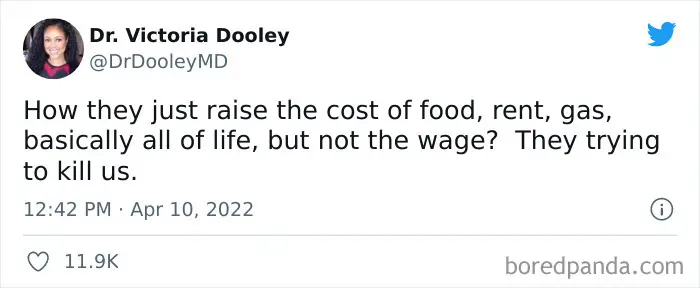



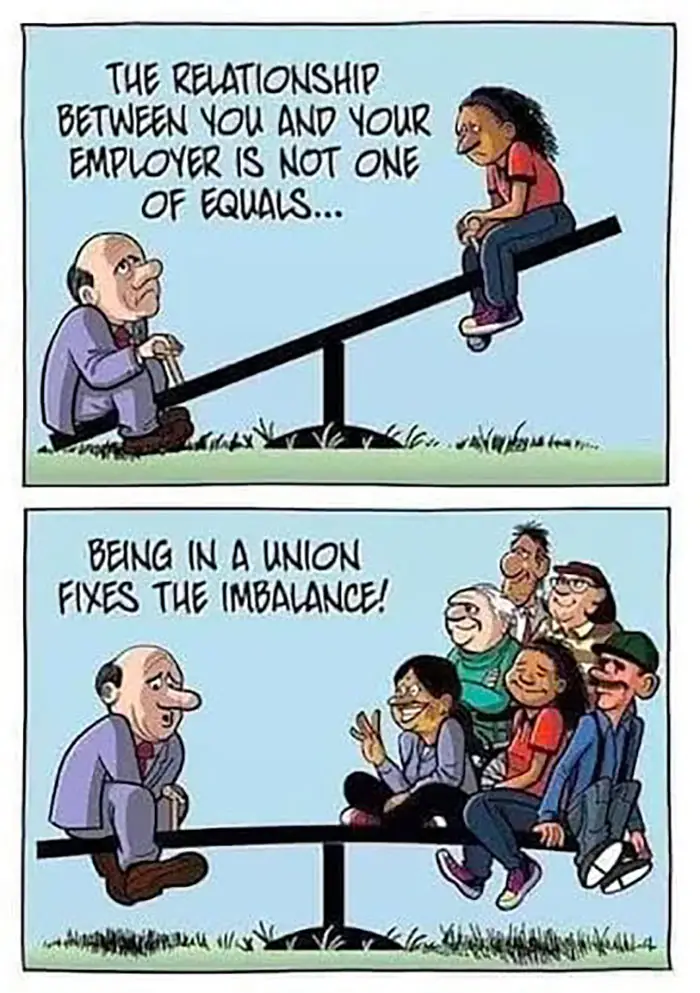
The power story, on the other hand, states that wages do not reflect the productivity of the worker, but their power. Lower wages are a reflection of growing powerlessness, the result of four intersecting trends. "First, unions have become almost mythical creatures, unicorns of the labor market," Reeves said. "Just one in 20 workers in the US private sector are members of a trade union, down from more than one in four in the 1950s. Sometime around 1980, US businesses declared war on unions, and won."
Second, the wage gap between similarly qualified workers in different companies has increased. "One widely cited study finds that one-third of the increase in the earnings gap from 1978 to 2013 occurred within firms, while two-thirds of the rise occurred between firms. It is the market power of one firm versus another that determines wages, rather than the power of a particular employer versus its workers. Even if workers can get organized, they cannot force a completely different employer to share more of their surplus with them. (Now that would be socialism.)"
So the question is can we rewrite these stories?