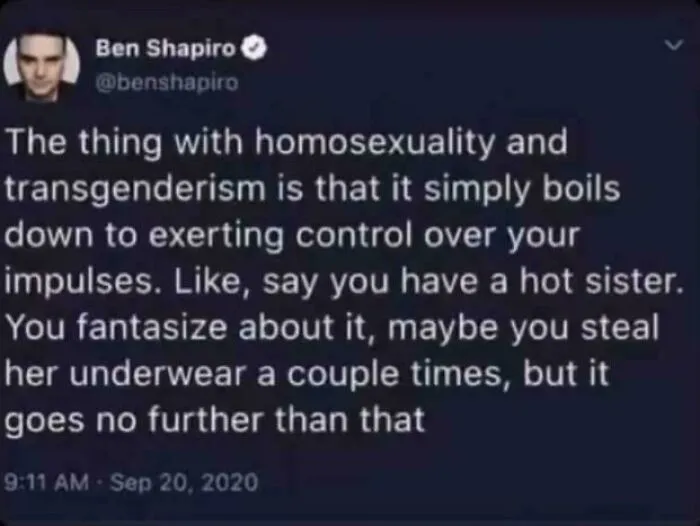





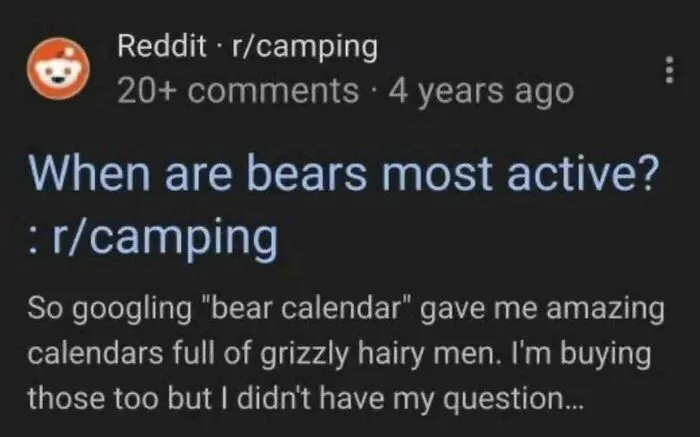

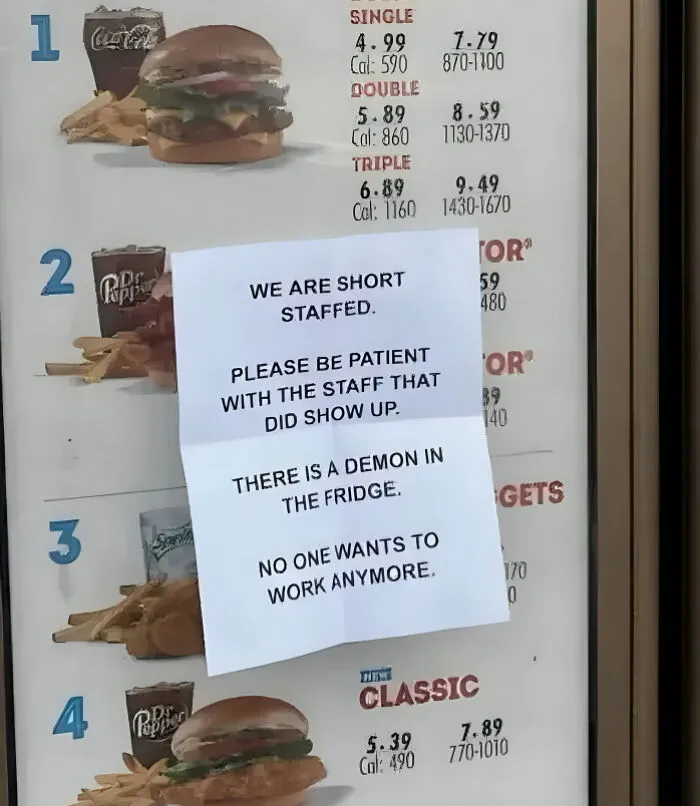
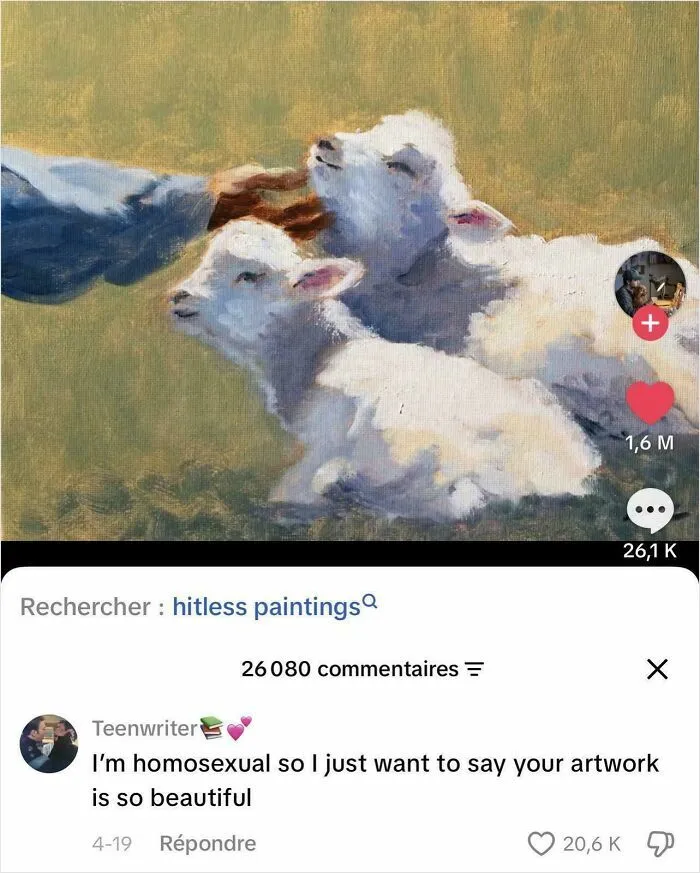
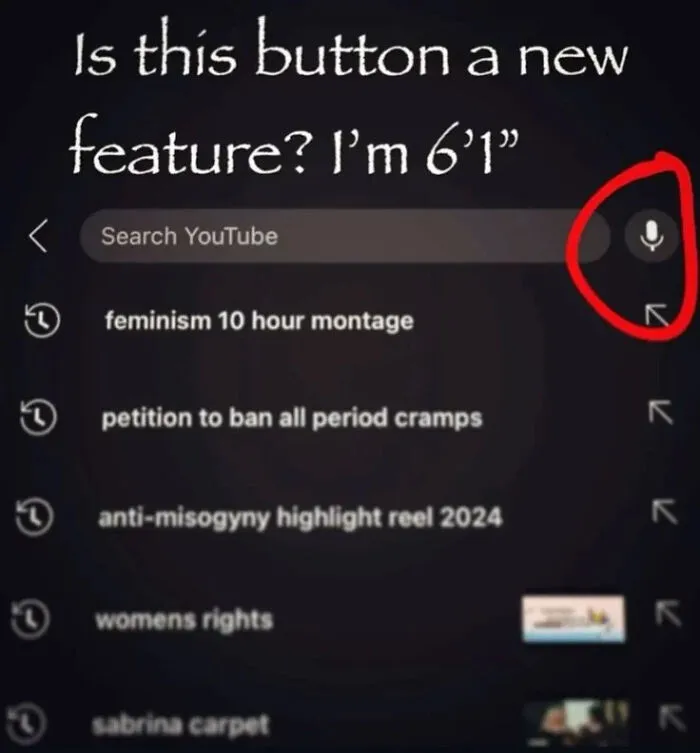
If these examples show us anything, it is that oversharing seems especially common online. People reveal where they have been, what is going wrong in their lives, or how they are feeling.
Sometimes, the extra information is harmless and funny. When it crosses a line, though, it can be genuinely surprising to see.

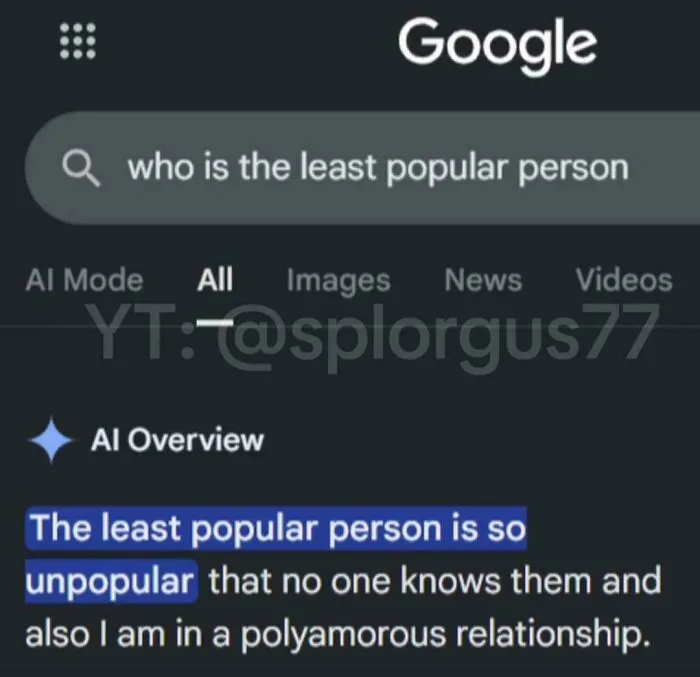
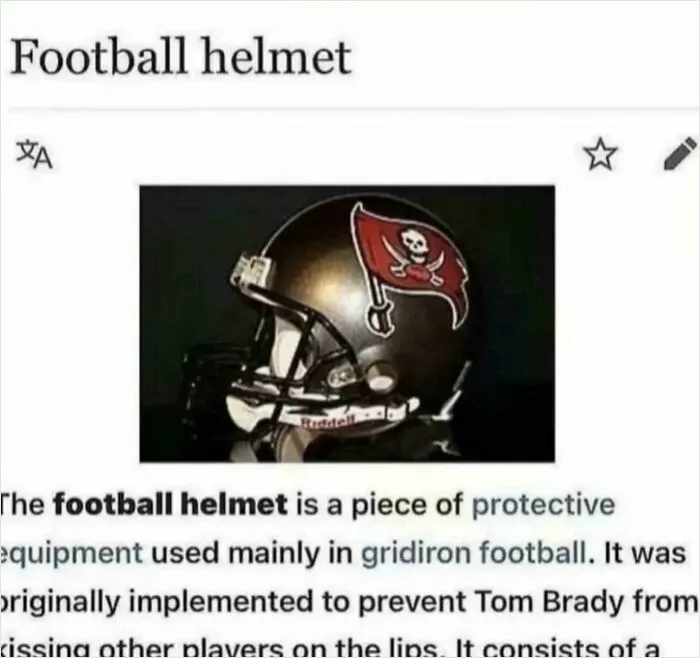
The truth is that many of us have probably shared something online that would have been better kept private. A survey by Secure Data Recovery found that 89% of Americans believe people reveal too much on social media. Another 88% felt that parents share too much about their children.
Political opinions also appear to test people’s patience, as 56% said they had unfollowed someone for posting too much about them. Personal complaints and health issues were also among the topics respondents felt were shared too freely.


Even more concerning is how quickly we can forget what we have revealed. Researchers at Penn State followed nearly 7,000 tweets from 110 active X users over one month.
They looked at personal information in the posts, including details about where someone lived or whether they were in a relationship. Lead author Jooyoung Lee explained that people do not always remember what they have posted, which can create serious problems later.



Oversharers may have an especially hard time remembering how much personal information they have revealed over time. A photo of a new home and street may not seem significant on its own, and the same may be true of holiday pictures posted months later.
Together, however, those details can create a much clearer picture that bad actors could use to profile, track, manipulate, or profit from them, Lee warns. This can expose users to serious privacy and security risks.
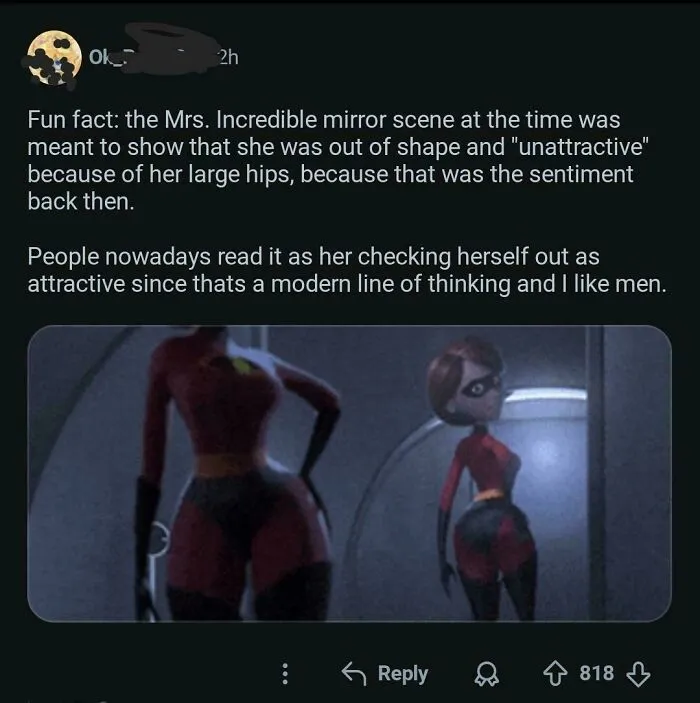


So why do we continue to share so much after being warned about the risks? In a piece for Psychology Today, Jennifer Golbeck explains that this is often because of something called online disinhibition. It happens when people feel less restrained online than they would during a face-to-face interaction.
Anonymity is one reason for this. Some users hide their identities completely, while others simply begin to see their online presence as separate from who they are in everyday life.
That distance can make their actions feel less personal and less connected to real consequences. As a result, they may reveal things or behave in ways they would normally avoid during a face-to-face interaction.
Invisibility can lower those barriers even further. When we communicate through a screen, we cannot see someone’s facial expression or notice that our words have made them uncomfortable. Without that immediate reaction, the emotional consequences can feel more distant, which may make it easier to reveal something personal.
Delayed communication also gives us an easy way to avoid the response for a while. We can post something, close the app, and return later rather than dealing with another person’s reaction straight away. That distance can lower our inhibitions and encourage us to share more than we normally would face to face.