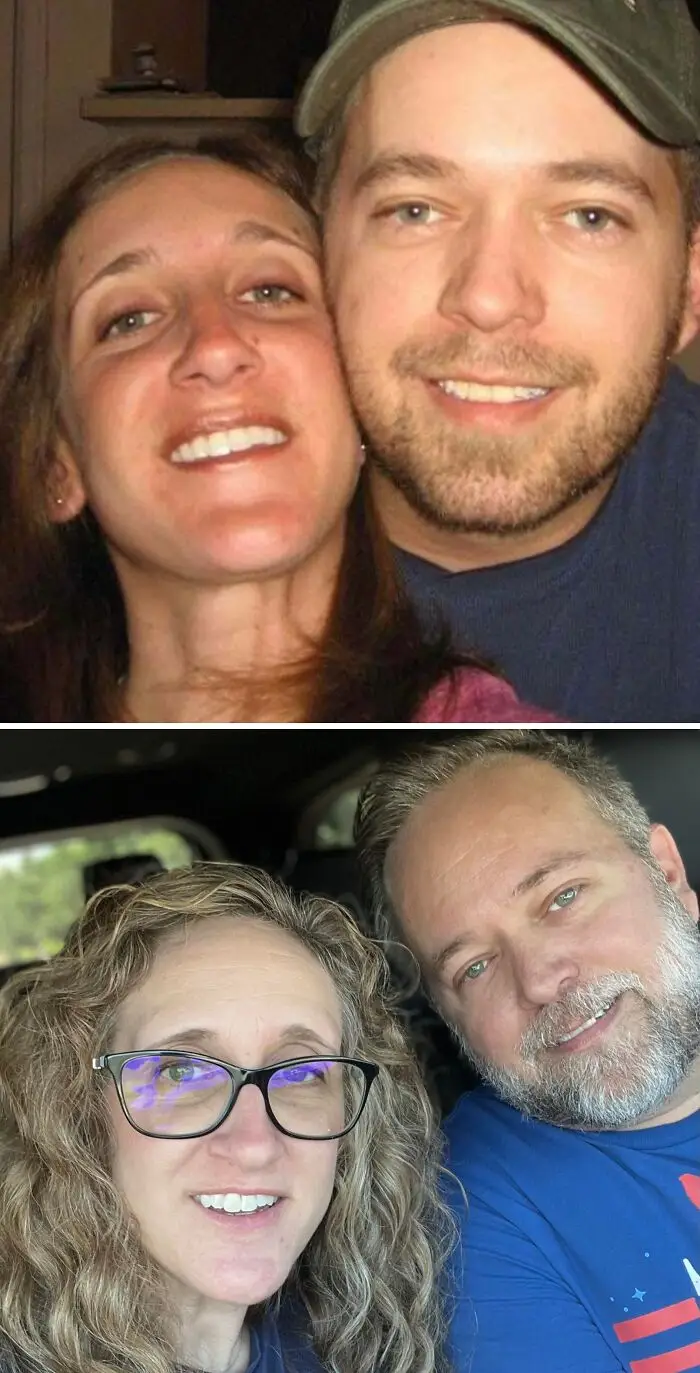



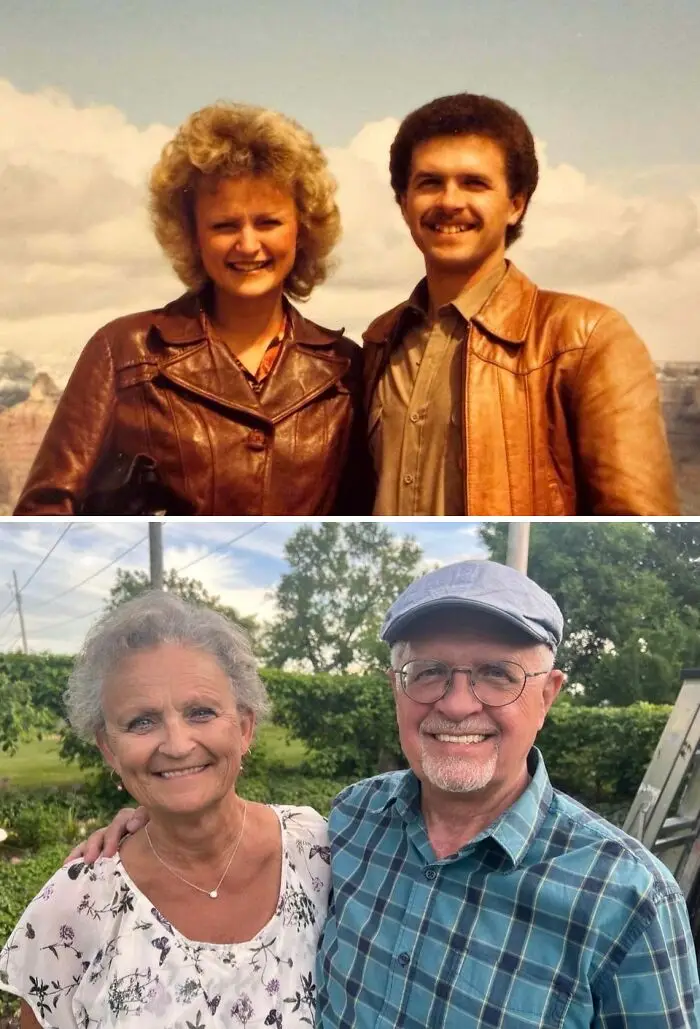
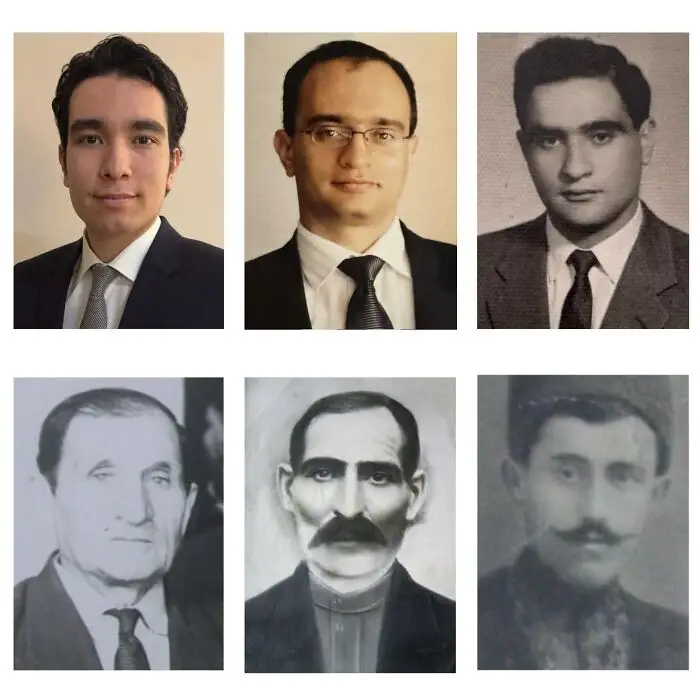
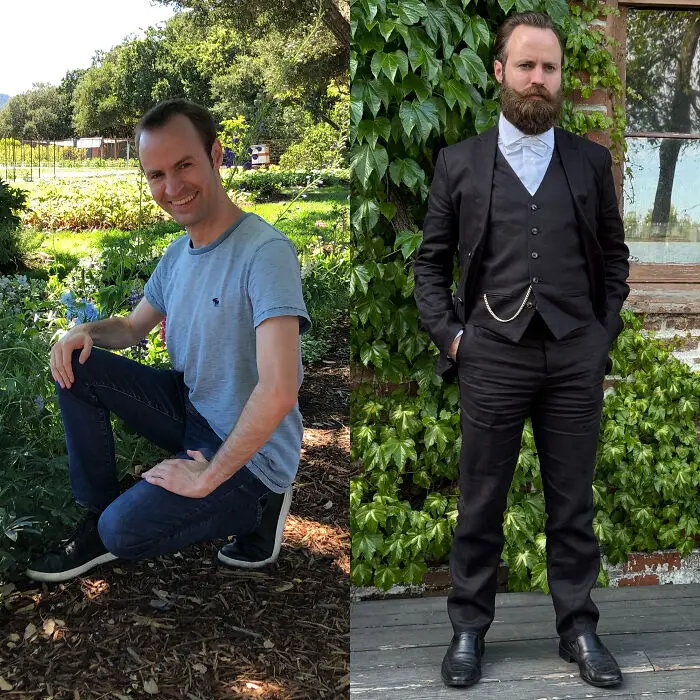
#1 Over 35 Years Of Friendship: My Best Friend And Me 1991 —> 2026. In Our Late Teens, 30s, And 50s

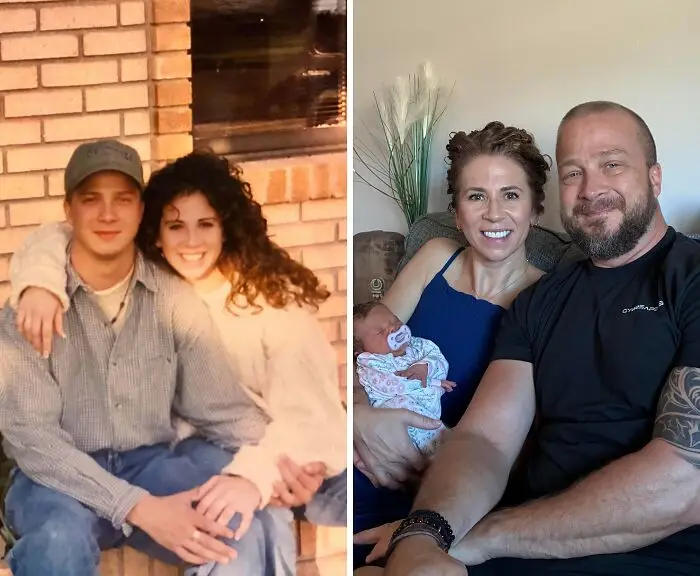
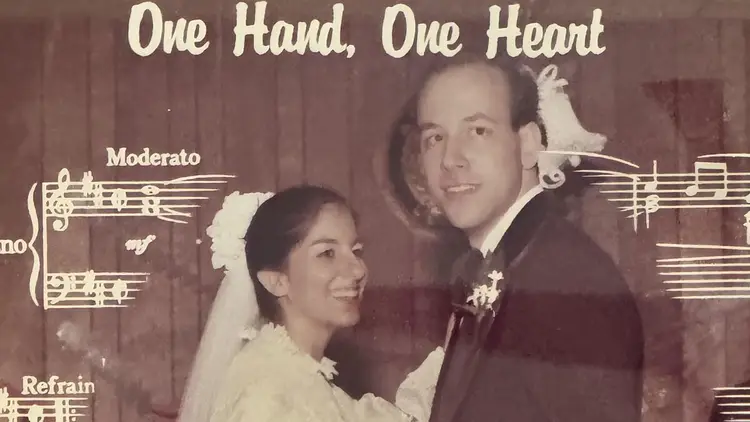
Time is a very curious thing. We all have the same 24 hours in a day, yet they can feel completely different depending on what we’re doing. Sometimes, an afternoon seems to last forever, while an entire weekend slips by without us even noticing.
And just like that, a whole decade has passed, and we’re looking through old photo albums, talking about the good old days. That’s because our experience of time is subjective, and our brains do a lot of work behind the scenes to help us make sense of it.


You see, our brains have their own way of keeping track of time. And surprisingly, there’s no single part responsible for doing this.
Instead, research has found that several regions work together, including the prefrontal cortex, which helps with attention and memory, and the basal ganglia, which play an important role in estimating how long something lasts.

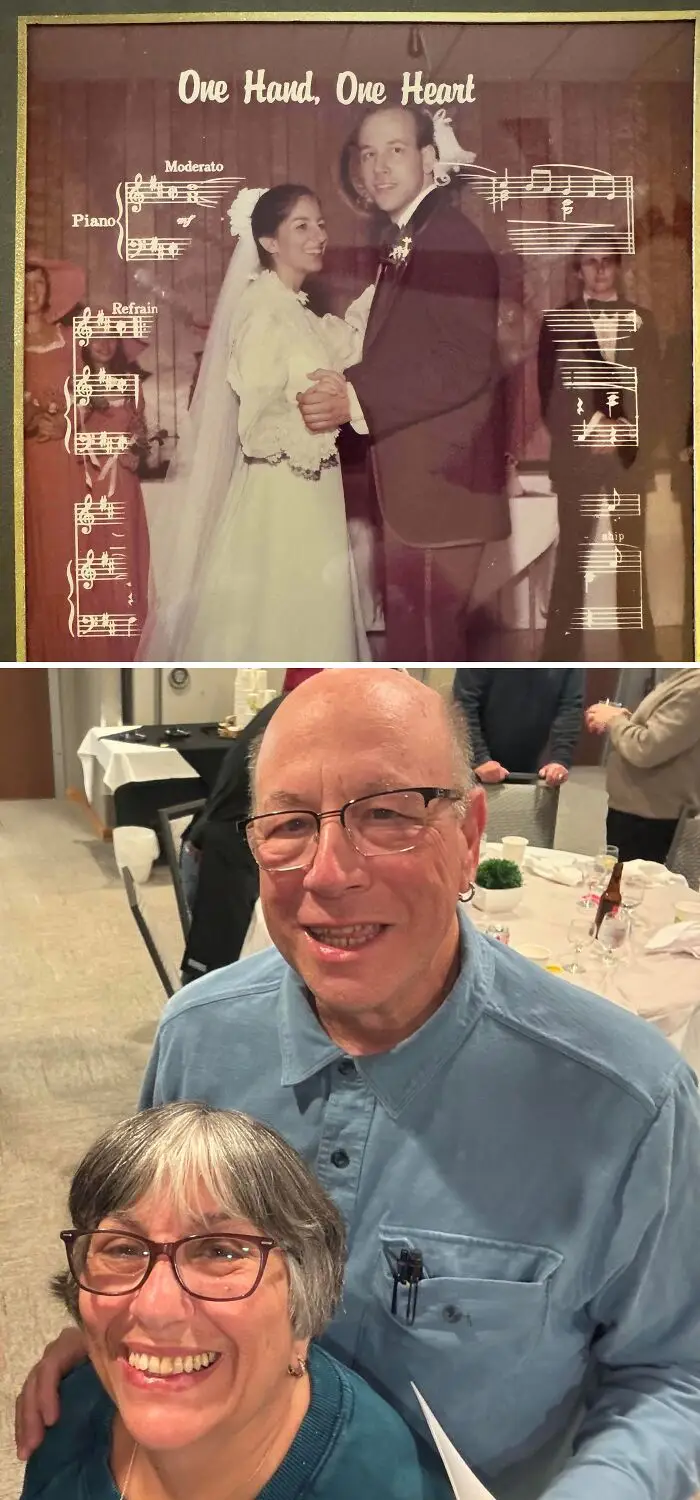
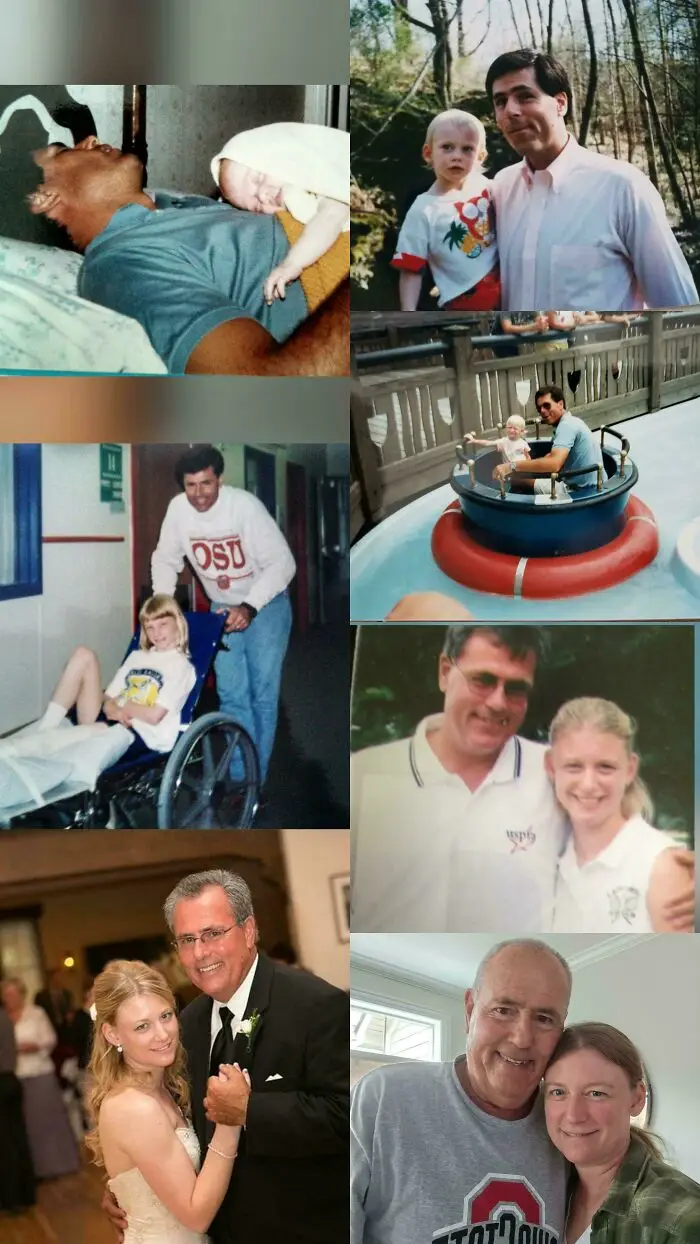
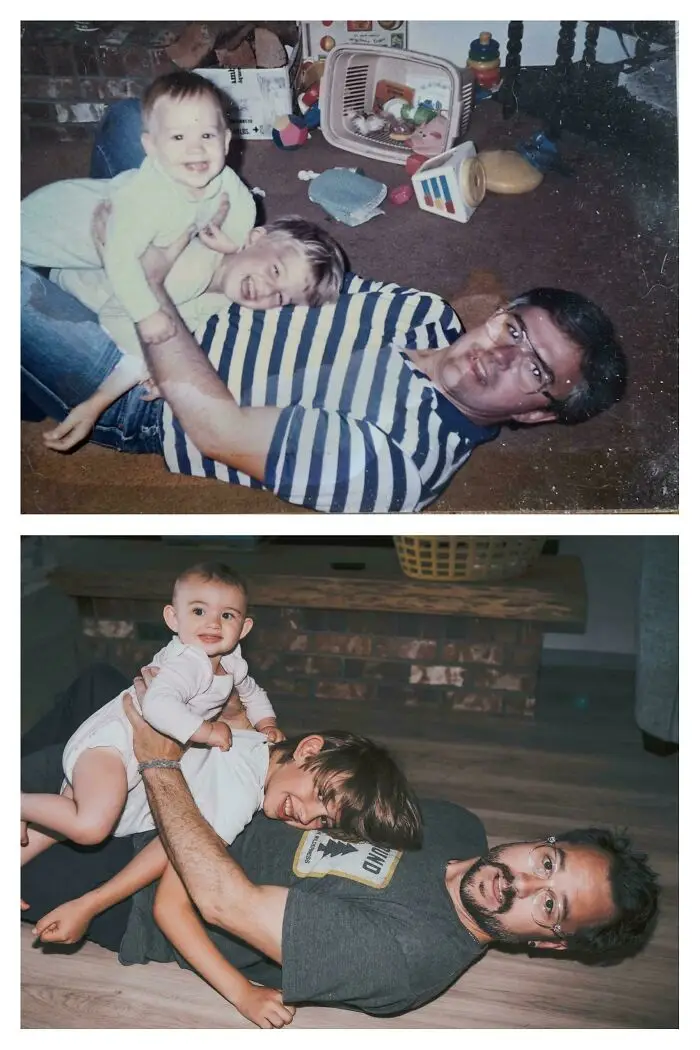
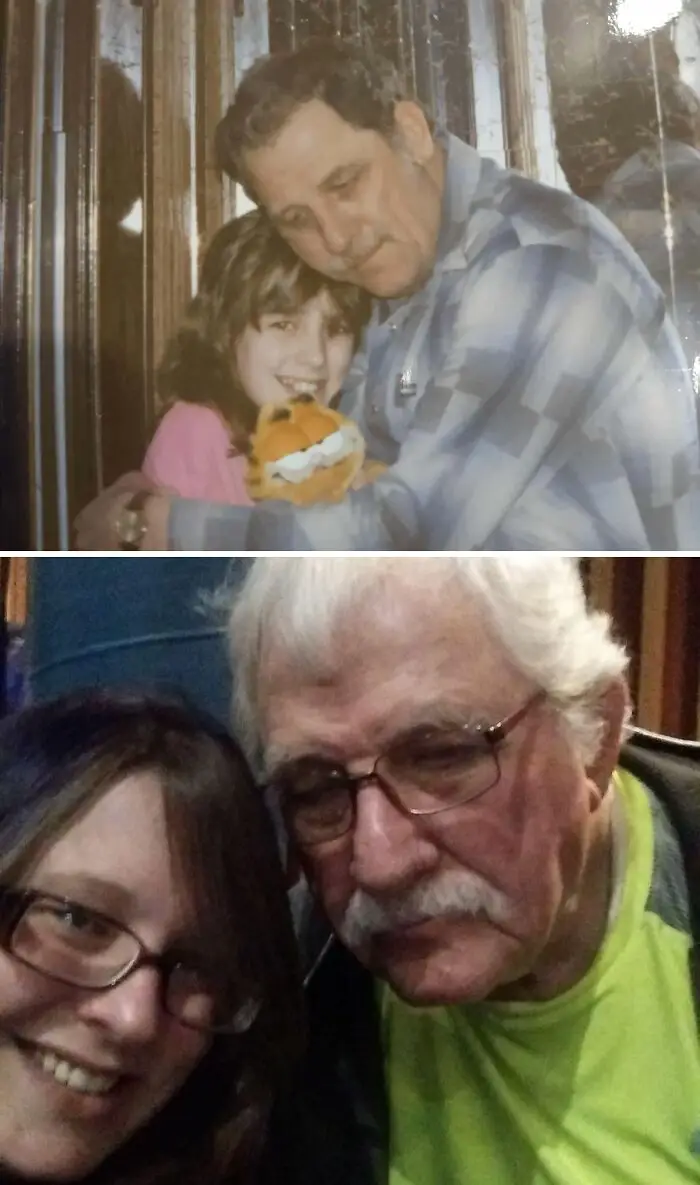
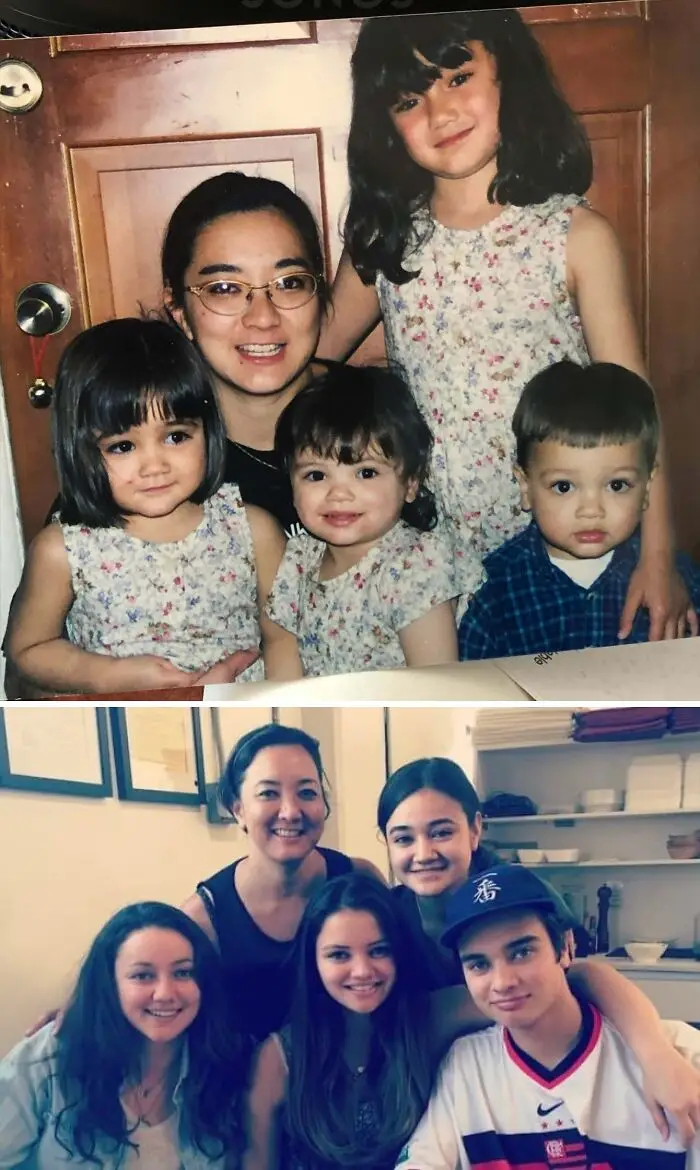
#9 My Dad, My Brother, And Myself Then (1988). Me, My Son, And My Daughter Now
The cerebellum also plays a role, particularly when it comes to precise timing, like keeping a steady rhythm while playing a musical instrument.
When we’re thinking about much longer periods, such as something that happened ten years ago, memory becomes especially important. Our brains use different processes depending on the kind of time we’re trying to judge.
Our internal clocks are also influenced by what’s happening inside our bodies. When we’re excited or highly alert, our nervous system becomes more active, releasing chemicals such as norepinephrine, which helps us react more quickly to what’s happening around us.
Research suggests that this heightened state of arousal can also speed up our internal clock, making short periods seem longer than they actually are.


Even our body temperature and sleep can make a difference. In one study, researchers found that raising people’s body temperature made them feel that more time had passed than actually had.
Meanwhile, another experiment found that after a sleepless night, participants thought very short sounds lasted longer than they really did. They also tended to think certain periods of time were over sooner than they actually were.
Fear can have an especially interesting effect on our perception of time. You may have heard people describe frightening experiences as happening in slow motion.
In one experiment, researchers had volunteers experience a frightening 31-meter free fall before landing safely in a net. Participants remembered the fall as lasting longer than it actually did, although tests showed they couldn’t process visual information any faster.