



This post may include affiliate links.

"Selling coffee from a tiny beach shack." "Book cheap flights and disappear for a week." "Start learning Spanish." "Text that friend you've been meaning to reply to." Our minds are constantly jumping from one thought to the next. Some ideas are practical, others are completely random, and many disappear almost as quickly as they arrive. In fact, a 2020 study estimated that people experience more than 6,000 thoughts every single day. That's a lot of ideas passing through our heads.

The funny thing is that most of those thoughts vanish before we ever act on them. Sound familiar, Pandas? A great idea pops into your head while you're showering or walking to work, and by lunchtime you've completely forgotten it. That's why so many people jot things down, whether it's on a sticky note, the Notes app on their phone, or the back of a receipt. We've been doing it since school (scribbling reminders, ideas, and to-do lists) because sometimes the simple act of writing something down is enough to stop it from slipping away.
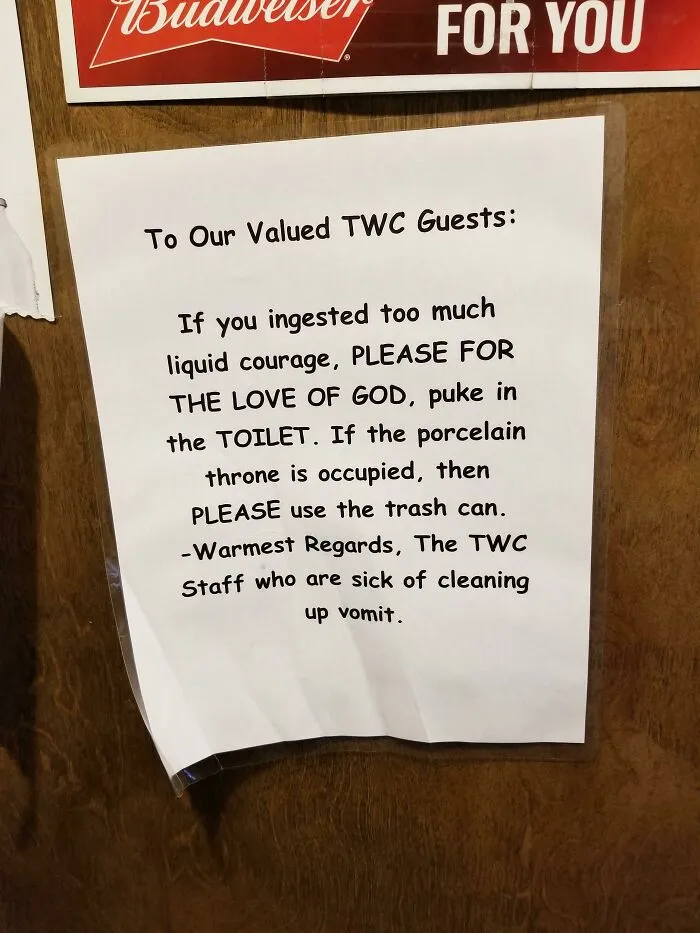
#7 They Offer To Fix The Headphones My Cat Chewed On, But Not Without Insinuating That It’s Unfed Or Unhappy

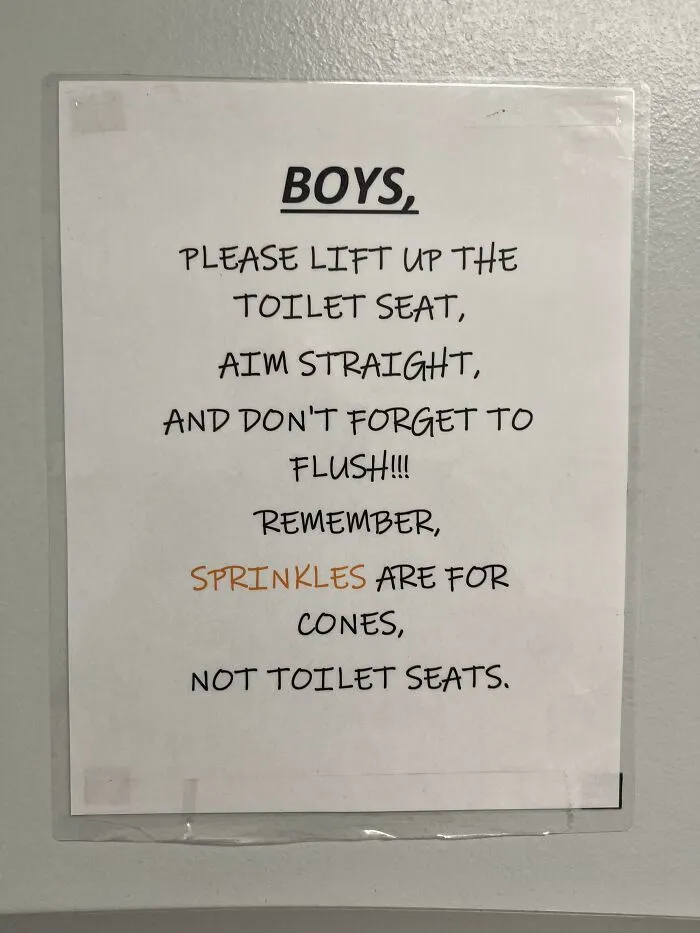
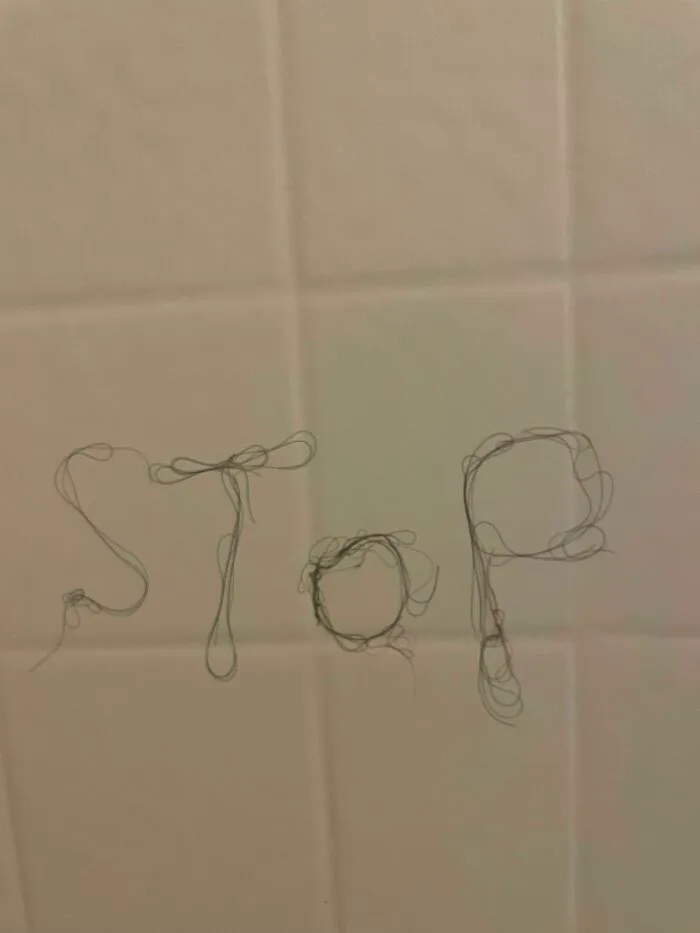
#9 My Wife Began Using The Shower I Usually Use. I Got Tired Of Cleaning Her Hair Of The Walls
Today, note-taking has evolved into something much bigger than a pile of notebooks gathering dust. To explore that idea, we looked at Building a Second Brain: A Proven Method to Organize Your Digital Life and Unlock Your Creative Potential by productivity expert Tiago Forte. Rather than treating notes as a place to simply store information, Forte encourages people to think of them as a living system that helps them generate ideas, solve problems, and create new work. Instead of asking, "How can I remember everything?" his approach asks, "How can I build a system that remembers it for me?"
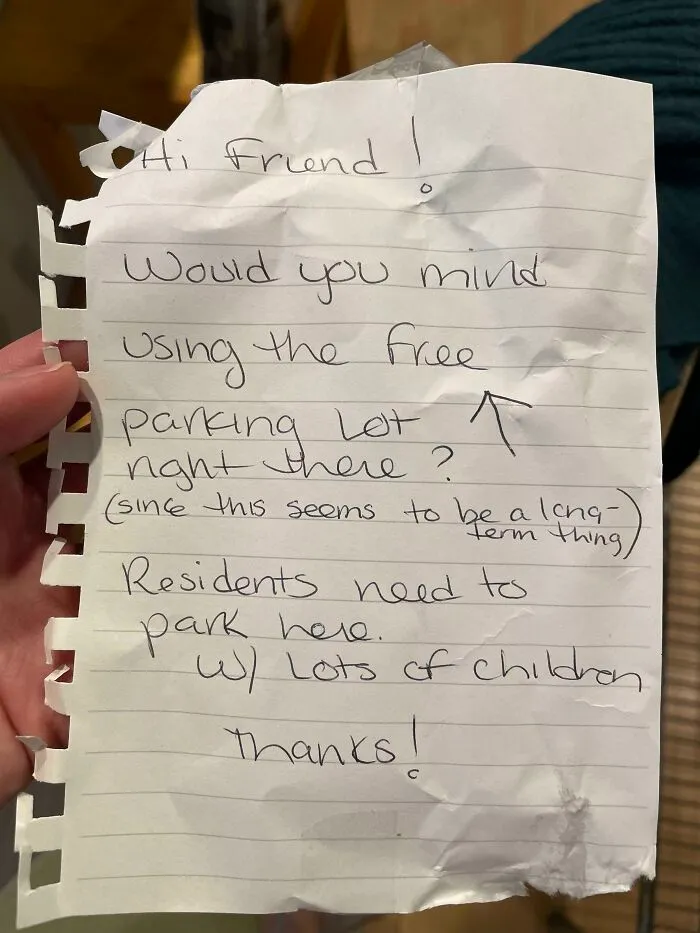
#10 Taped To My Car. “The Free Parking Lot” Has A Two Hour Limit. I Park On A Public Street Where You Don’t Need A Resident Sticker
At the heart of the book is Forte's CODE framework: Capture, Organize, Distill, and Express. The idea is simple but surprisingly powerful. Rather than letting useful information pile up until it becomes overwhelming, the framework helps people collect meaningful ideas, organize them logically, simplify them into their most useful form, and eventually turn them into something valuable. In a world where we're constantly bombarded with information, having a system like this can make life feel a little less chaotic.
The four steps each serve a different purpose:
- Capture: Instead of saving everything you come across, Forte recommends keeping only the ideas that genuinely resonate with you. That could be an insightful quote, an interesting statistic, a clever solution to a problem, or a thought you don't want to lose. The goal isn't to collect more information; it's to collect better information.
- Organize: Next comes the PARA system, which sorts notes based on how you'll actually use them rather than broad topics. Projects cover active goals you're working on, Areas include ongoing responsibilities, Resources store topics you're interested in, and Archives hold information you don't currently need. This makes finding relevant information much easier when you need it.
- Distill: Saving information is only half the battle—you also need to make it easy to understand later. Forte suggests a technique called Progressive Summarization, where you gradually highlight the most important parts of a note over time. Eventually, you can glance at a page and immediately spot the key takeaway without rereading everything.
- Express: Finally comes the reason you collected those notes in the first place: using them. Forte encourages people to build projects from smaller reusable pieces (templates, outlines, research snippets, or draft ideas) so creating something new becomes much faster. Instead of endlessly consuming information, your notes begin working for you.