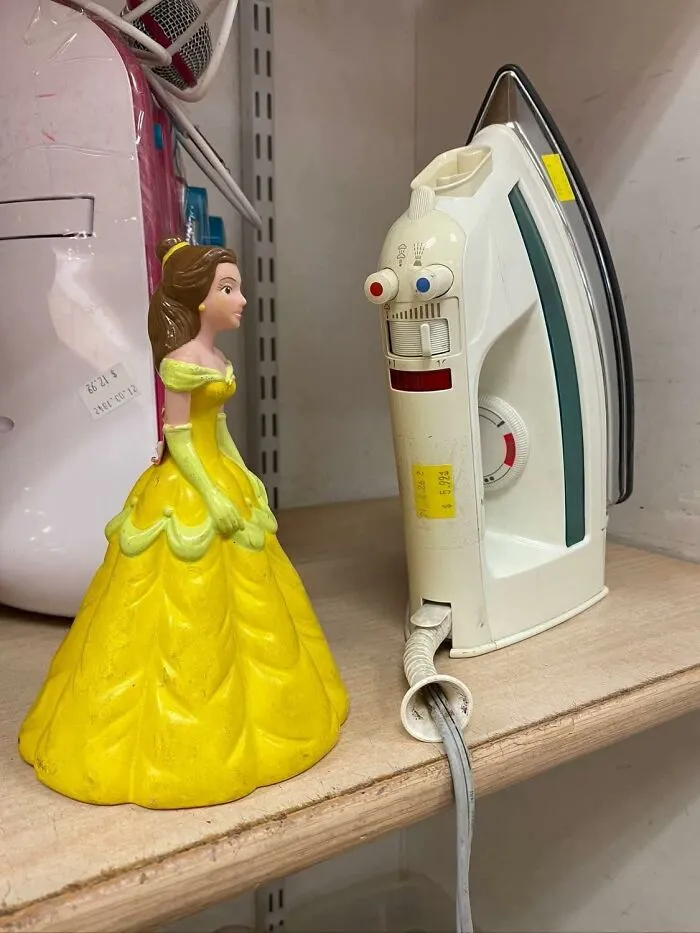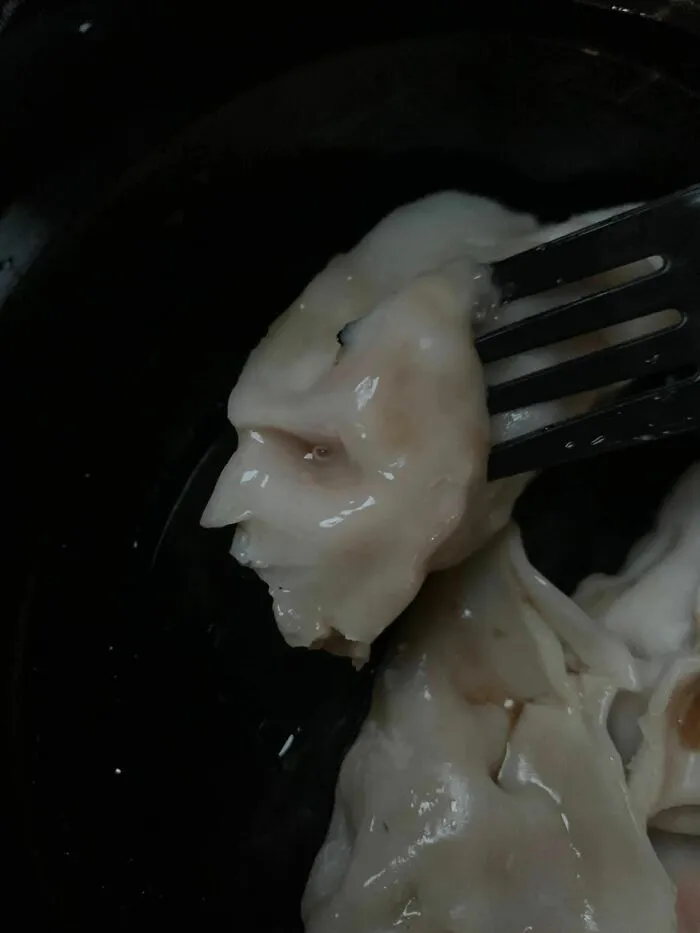




“One of the most highly adapted things we do with our visual system is detect the presence of faces,” Alais said. “You want to detect faces as quickly as possible, in case they’re friends or foes ... but you get a bit of a by-catch, you sometimes catch false faces.”
“The contemporary view of the brain, and how it works to generate our perceptions of the world, is that it imposes patterns and predictions on incoming input. It does that for reasons of efficiency and speed.”
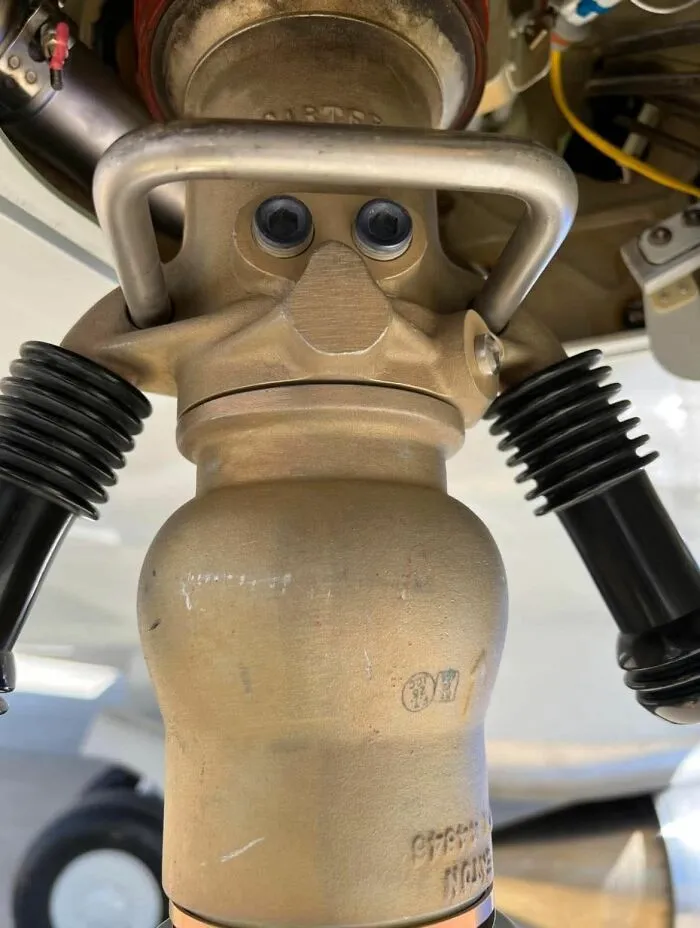
#22 I Was Fueling Our Aircraft Yesterday And Caught The Fuel Coupling Staring Me Down. He’s Cool, Though

#24 Tomato From Grandparents Garden. He's Very Happy To Have Grown I Think They Still Have It In The Fridge. Should We Eat It?

Professor Alais said a system within the brain, known as the face-selective network, was geared to detect the eyes, nose, and mouth.
“We’re predisposed to use that sort of a template, and there’s maybe a bias to see faces in noise compared to other objects.”
For more, check out these 30 Times People Experienced Pareidolia In The Most Unexpected Places.
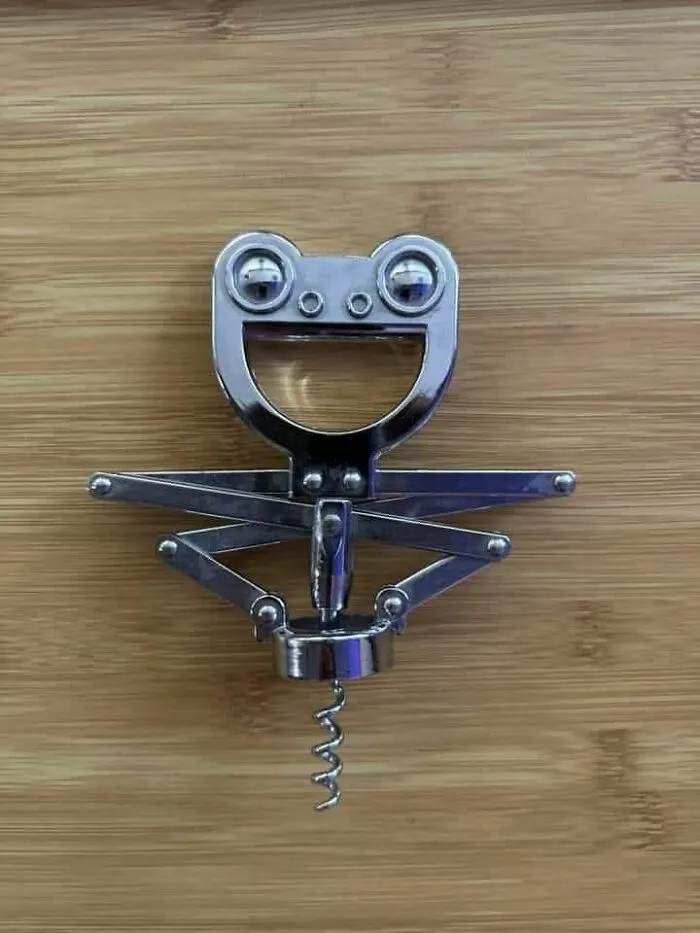

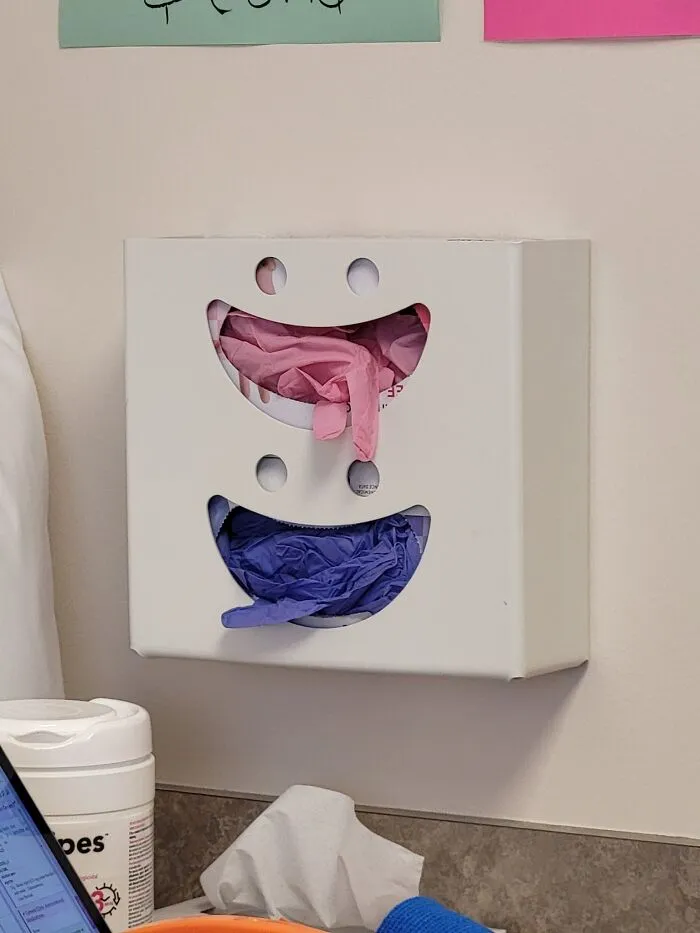
#27 These Glove Dispensers At My Doctor's Office Are Having Entirely Too Much Fun
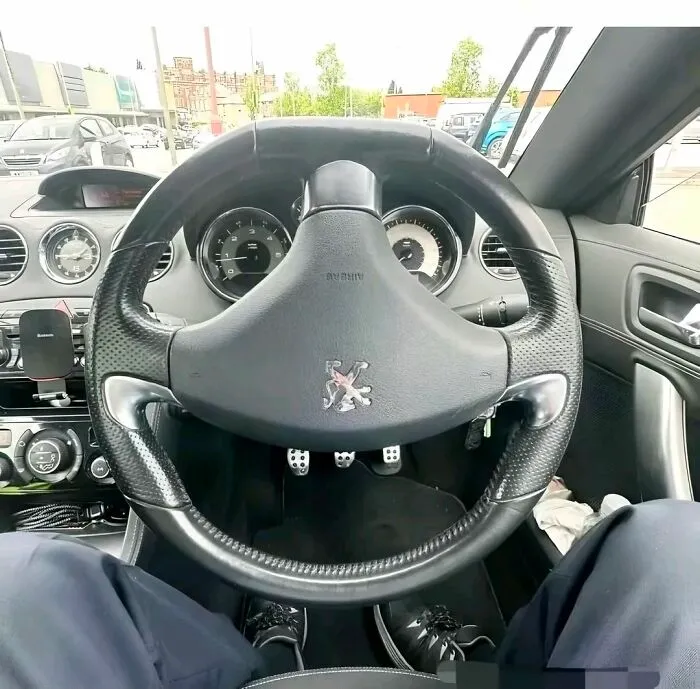






#35 My Husband Said It Looks Like A Bear... Tell Me People Can Clearly See A Panda