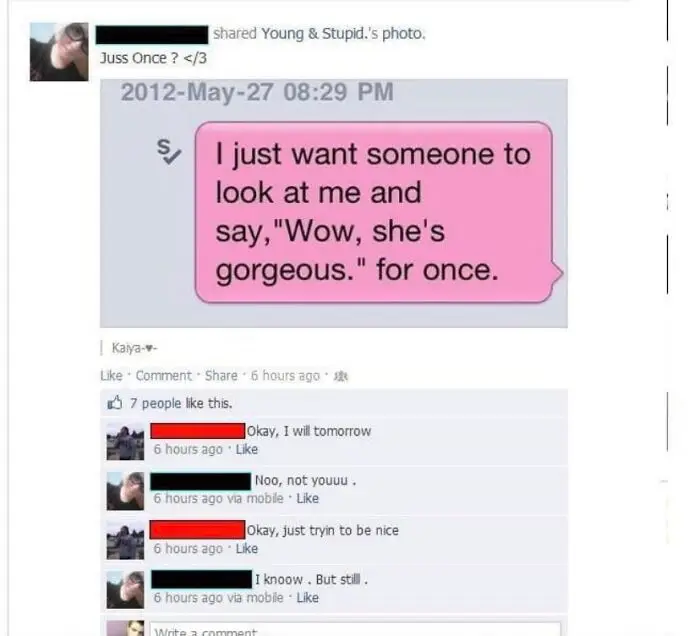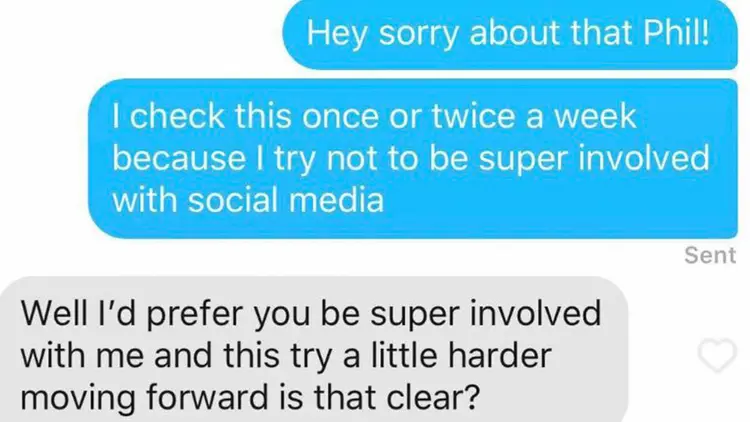




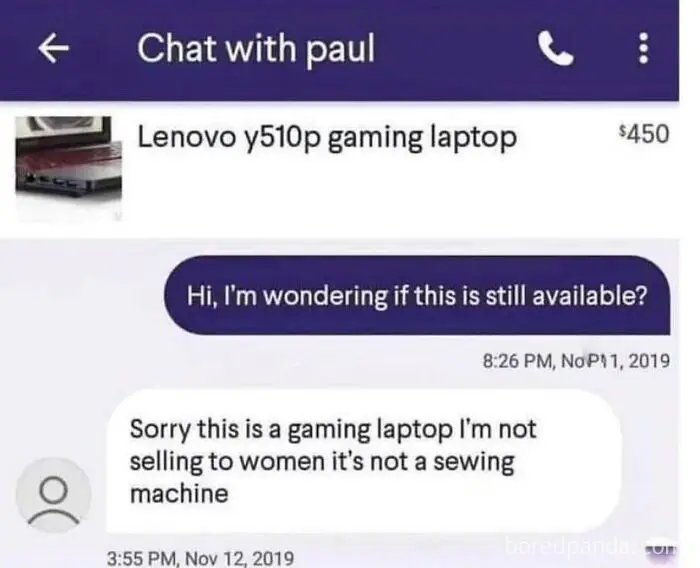
We all know the sting of making a fool of ourselves. But a very specific kind of discomfort hits when we watch someone else drop the ball. We often lump all secondhand embarrassment together, but experts have discovered that cringe is its own unique monster.
In a 2024 study, researchers mapped out the difference between feeling bad for someone and cringing at them. With empathetic embarrassment, you put yourself in the other person’s shoes and share their pain. Because you care, you keep it to yourself to avoid piling on.
Cringe works the exact opposite way. When you cringe, empathy vanishes. You don’t imagine yourself in their position because you genuinely can’t believe anyone would act like that. Instead of keeping quiet, you feel a sudden, irresistible urge to screenshot the text, forward the video, or tell everyone what you know.
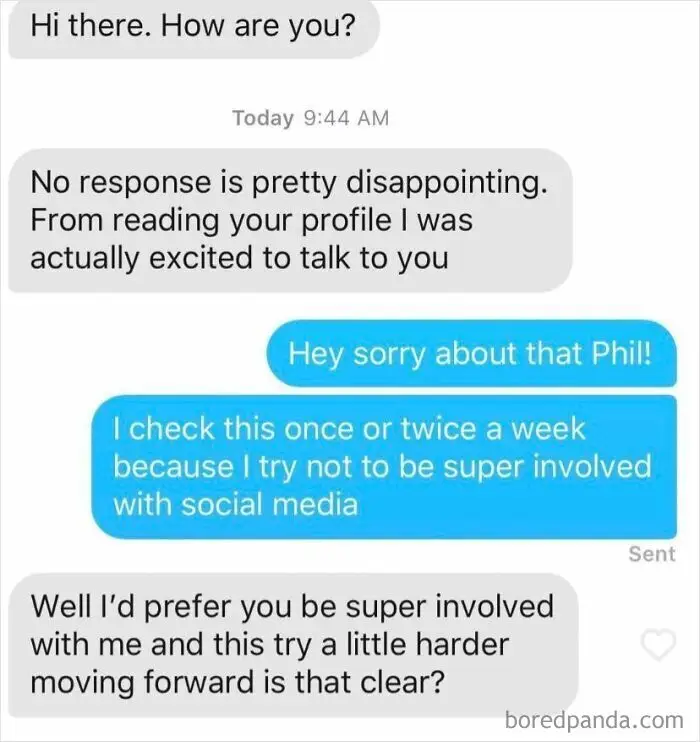
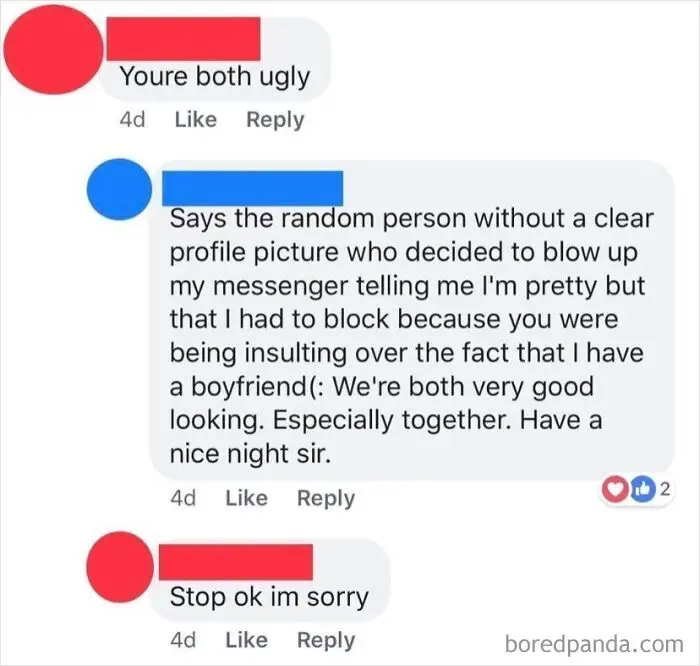
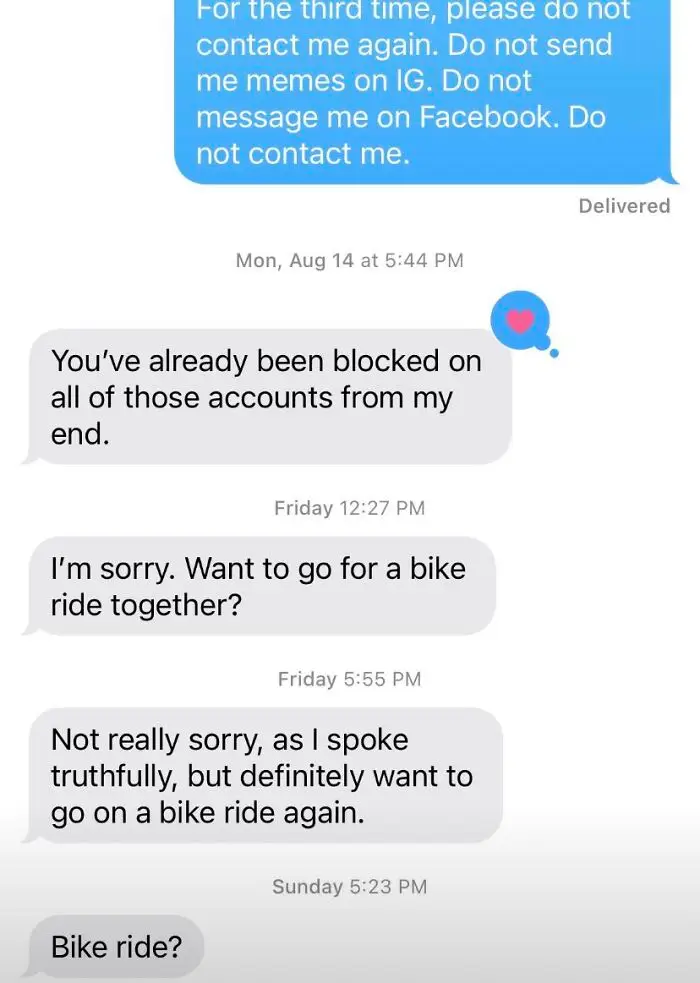
Across several studies involving over 1,500 participants, researchers found that watching someone stumble socially actually boosts our confidence in our own social skills. In one experiment, participants were shown either a cringeworthy Instagram post or a positive one.
People who saw the painful post were much more eager to talk about it — even preferring to gossip about the blunder over a fun conversation about their favorite foods.



Sharing cringeworthy moments is also secretly a way to show off. Research shows that by pointing out someone else’s awkward mistake, you subtly signal to the group that you know how to behave better.
This psychological dynamic also explains why we get hooked on listicles of awkward texts, and why TV shows like The Office and Mr. Bean are so massively popular.
When we laugh at a horribly awkward joke or a ridiculous brag, we are secretly reassuring ourselves that we are on the right side of social rules. At the same time, we release our own hidden anxieties about fitting in.
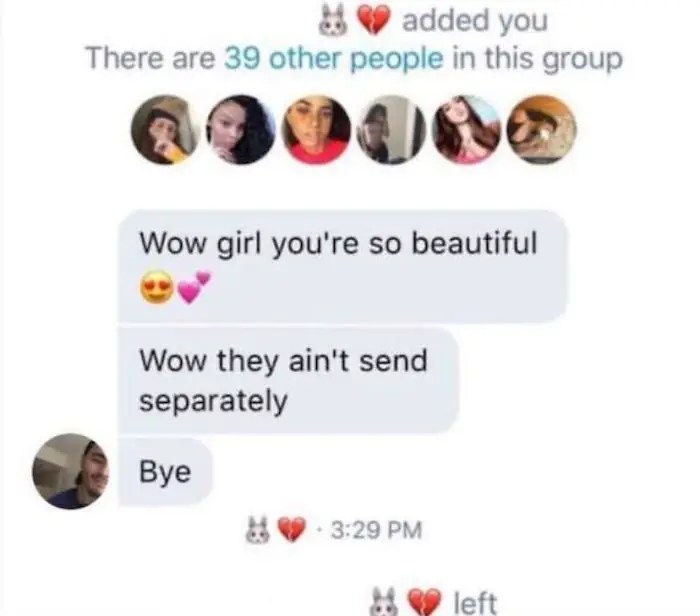


Passing around a painfully awkward screenshot is also a subtle form of social bonding.
“When sharing something cringe, we get to roll our eyes together with others and feel like we’re all in the know and wouldn’t commit a social faux pas like the one we’re sharing,” says Janina Steinmetz, Ph.D., a professor of Marketing at Bayes Business School in London, UK.
“In other words, sharing cringe makes us feel like we know the social rules that the cringy person seems oblivious to, and we’re not falling for their clumsy attempts to make a good impression. By sharing the cringe, we form a team with others who are savvier than the cringy actor who’s trying hard and failing to impress.”
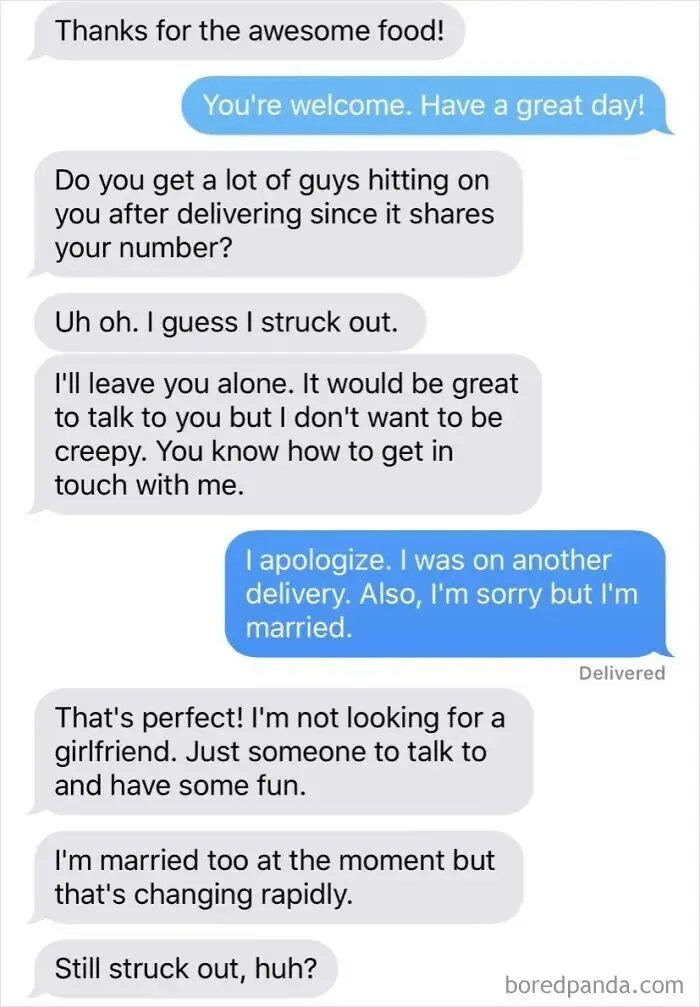
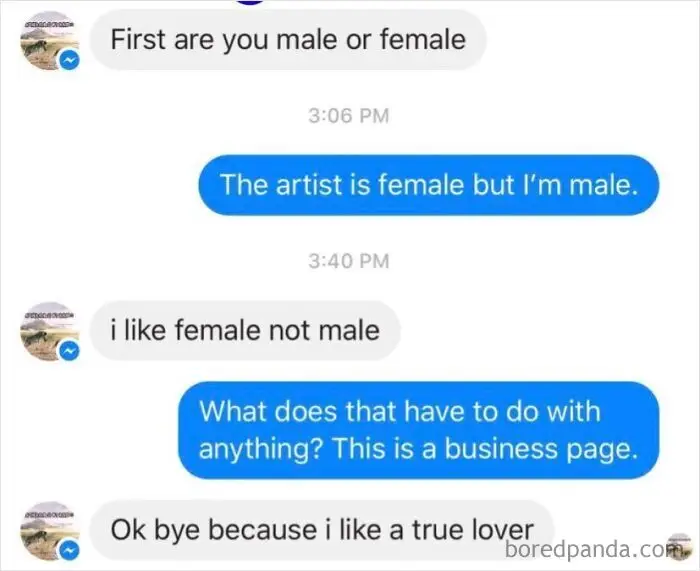

Psychologists believe this cringe entertainment acts as a mental rehearsal. By watching people blow up their social lives from the safety of our screens, we learn how to navigate worst-case scenarios without suffering the actual consequences.
“By immersively simulating social worst-case scenarios, they prepare us for the cringe of our own lives, better equip us to avoid it, and even provide us with strategies to pursue once it occurs,” media researcher Marc Hye-Knudsen wrote in a 2018 paper.


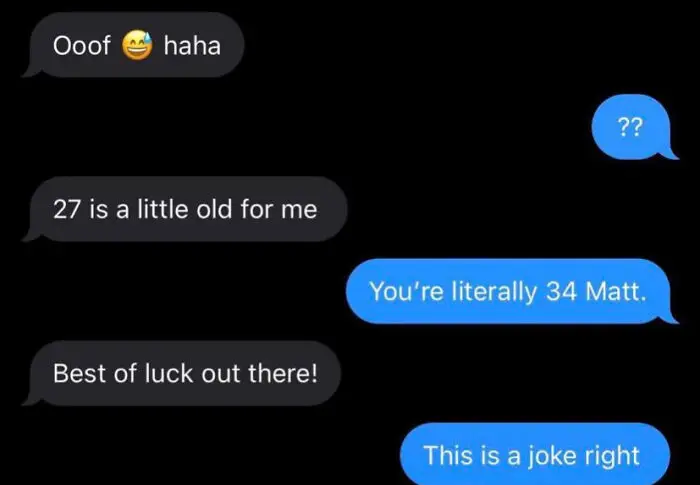
Now that we understand why we love watching people stumble, an obvious question remains: why do people act like this in the first place?
The roots of awkward behavior usually come down to a mix of psychology and environment. For some, it is simply a matter of missed signals. Without enough practice, social skills can weaken. Struggling with social anxiety or navigating an unfamiliar culture can easily cause someone to misread social cues and stick out for all the wrong reasons.
For others, the cringe is entirely intentional. On platforms flooded with noise, outrageous behavior is the fastest way to get noticed. From bizarre pickup lines on dating apps to obvious rage-bait posts on social media, people often trade social grace for pure attention.