




Human history is long and complicated enough that things which end up affecting us every single day are sometimes wholly unknown to the vast majority of people. After all, so much of the world is made up of the results of choices and sometimes random chance, so it can be interesting to actually piece together some key episodes.
We’ve gathered some fascinating examples of sometimes overlooked events in history that ended up having a pretty sizable impact. So get comfortable as you scroll through, upvote your favorites and be sure to share your own thoughts and examples in the comments section below.
Click here & follow us for more lists, facts, and stories.
Mary Anning Discovered Full Fossilized Remains When We Barely Knew What They Were
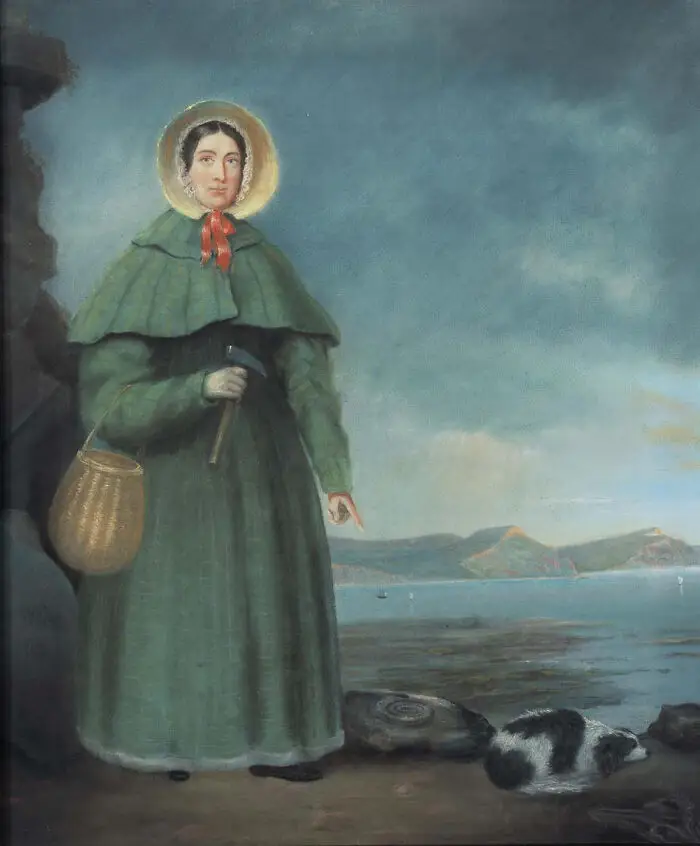
When Anning was 12 years old, her older brother Joseph found a peculiar fossilized skull. After that, Anning searched long and hard and eventually found the entire outline of an Ichthyosaur. The theory of extinction was still fairly recent, so many people were skeptical of Anning's discovery, thinking it was just a large crocodile.
But in 1823, Anning was the first person to discover a Plesiosaurus skeleton, which means "near to reptile." Because people were unfamiliar with discoveries like this, they quickly spread rumors saying the fossils were fake. And even those who did believe in her did not give her the recognition she deserved. Some scientists would buy fossils from her, but not credit her for her work. The Geological Society of London wouldn't even admit her until 1904 because women could not be admitted before then. She discovered many new creatures during her time on Earth.
Credits: Molly Weinfurter, B. J. Donne (not an actual photo)
Cecilia Payne-Gaposchkin Discovered What Stars Are Made Of
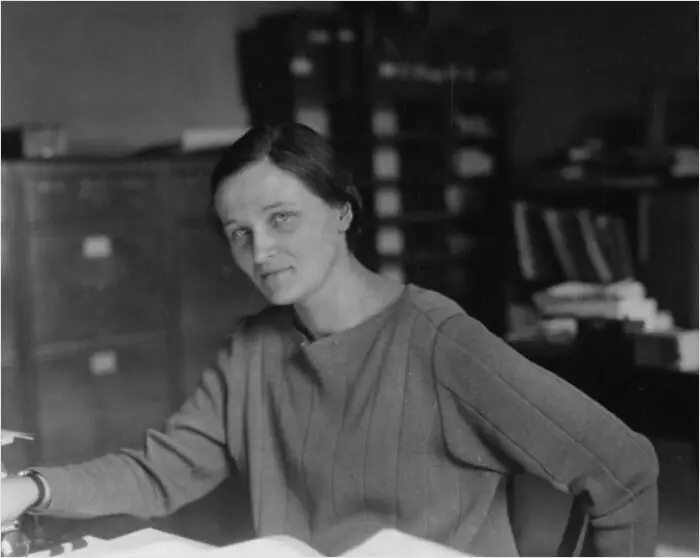
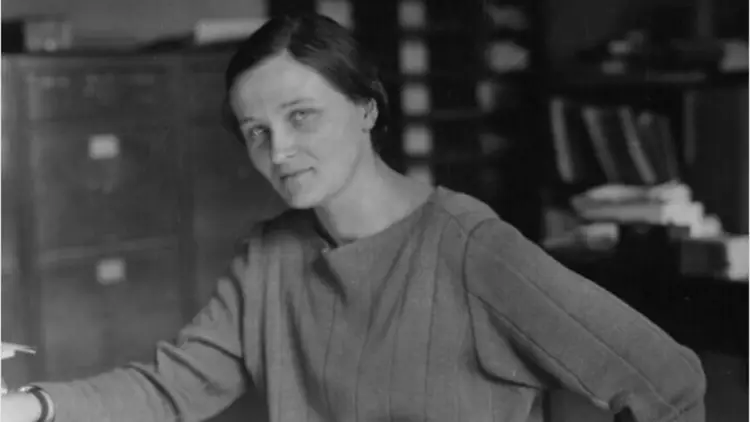
Cecilia Payne-Gaposchkin broke gender barriers in 1925 when she discovered what stars are really made of. While pursuing her Ph.D., she published a thesis titled Stella Atmospheres. Her thesis concluded that stars are made of hydrogen and helium. She also discovered that stars can be classified using their temperatures.
Despite her brilliant discovery, other astronomers were skeptical. Astronomer Henry Norris Russell was convinced that stars were built similarly to Earth, and he tried to correct Payne's discovery. But Payne stood her ground, and eventually Russell admitted that she was correct in 1929. Payne's thesis earned her the first Ph.D. in astronomy at Radcliffe College. This was an incredible achievement since universities like Harvard would not give doctorate degrees to women at the time.
Payne went on to further prove that women can be brilliant astronomers, too. She published a second book in 1930 titled Stars of High Luminosity and she eventually became a full professor at Harvard and chairman of their astronomy department.
Credits: Molly Weinfurter, Smithsonian Institution (not an actual photo)
Hedy Lamarr
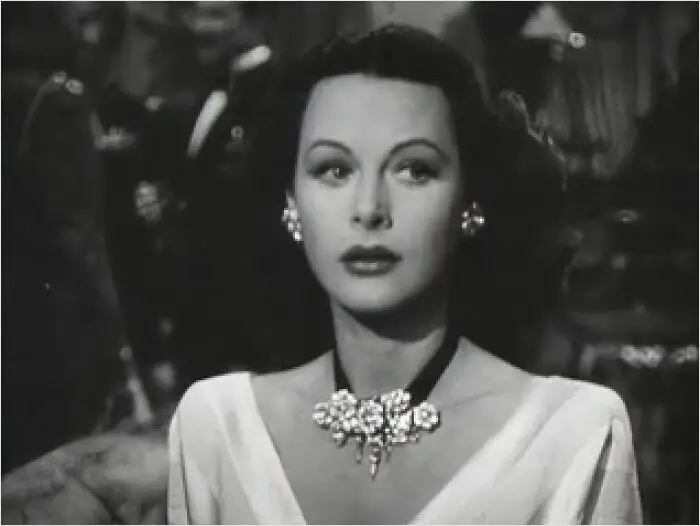
Hedy Lamarr, born in Vienna in 1914, was an actress and inventor. In 1937, Lamarr escaped her controlling husband and Austria and moved around Europe before crossing over to the United States. While flourishing as a Hollywood starlet, Lamarr also exercised her passion for innovation. Working alongside George Antheil, Lamarr created the “Secret Communications System”, which was intended to switch radio frequencies amidst the chaos of World War II so that enemies could not decode messages. This technology was later adopted by the United States Navy, and serves as a building block behind the wireless communication of today’s cell phones, GPS navigators, and Wi-Fi.
Credits: The Representation Project, Trailer screenshot (not an actual photo)
Henrietta Lacks
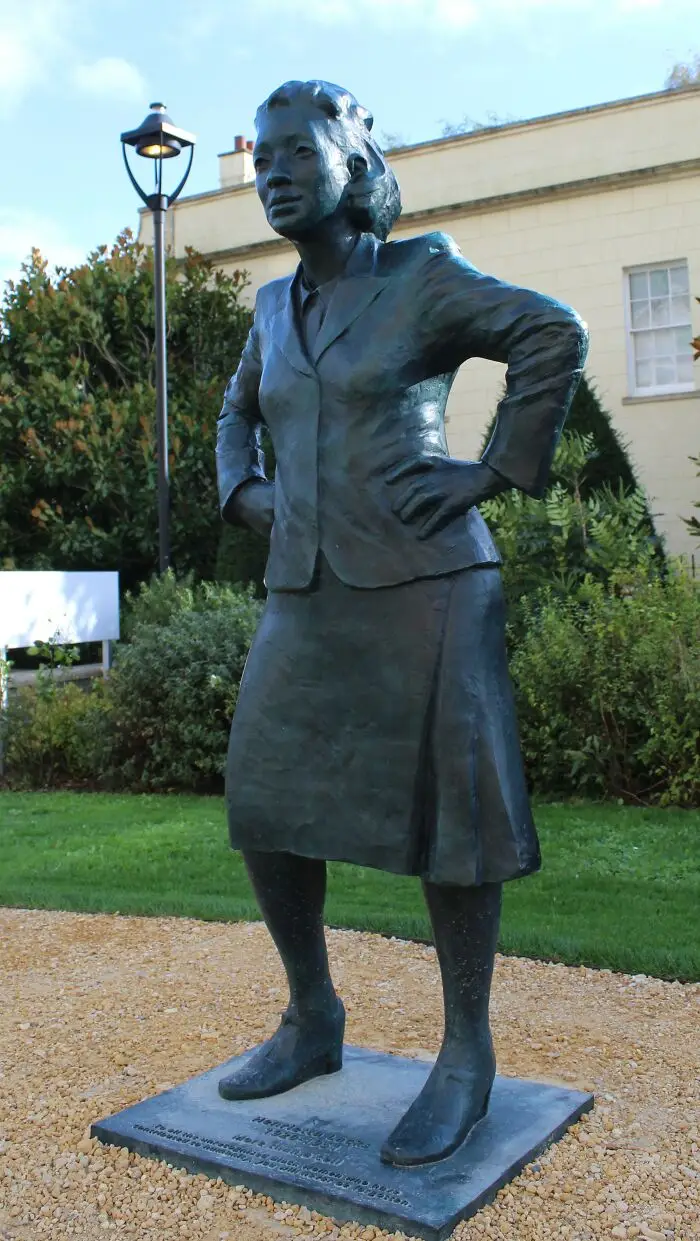
Henrietta Lacks’ legacy is eternal. Born in Virginia in 1920, Lacks worked as a tobacco farmer for most of her life until she was diagnosed with cervical cancer. Without her knowledge or consent, a sample of her cancer cells was taken by a doctor. Researchers who studied this sample found that her cells kept reproducing, ultimately making them immortal.
Lacks died in 1951, but to this day her cells – known as “HeLa” cells – continue to be studied around the world. Her cells have led to major scientific discoveries regarding the growth of cancer cells and the effects of [medication] on the human body. Her cells have also contributed to the development of the polio vaccine. Lacks’ story has brought into question the ethics of patient privacy and has exposed the mistreatment of people of color in healthcare.
Credits: The Representation Project, 14GTR (not an actual photo)
Invention Of The Printing Press
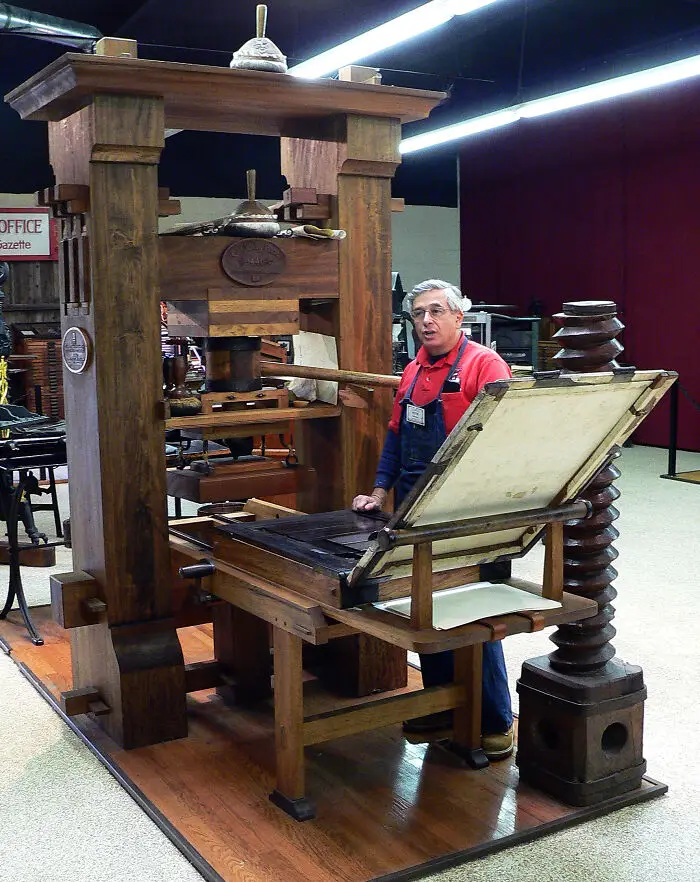
It allowed the proliferation and spread of ideas at an exponentially higher rate and it allowed books to become something the masses could afford. The Enlightenment and by extension the modern world never could have happened without it. It represented as big of an information revolution as the Internet does today.
Credits: SleepyConscience, vlasta2 (not an actual photo)
The Berlin Wall’s Unintended Fall

In 1989, a miscommunication during a press conference led East Germans to believe the Berlin Wall border was open. Crowds stormed the wall, forcing guards to let them through, ending decades of division.
Credits: Rose Smith, Vedha242424 (not an actual photo)
Garrett Morgan Invented What Would Become The Yellow Traffic Light
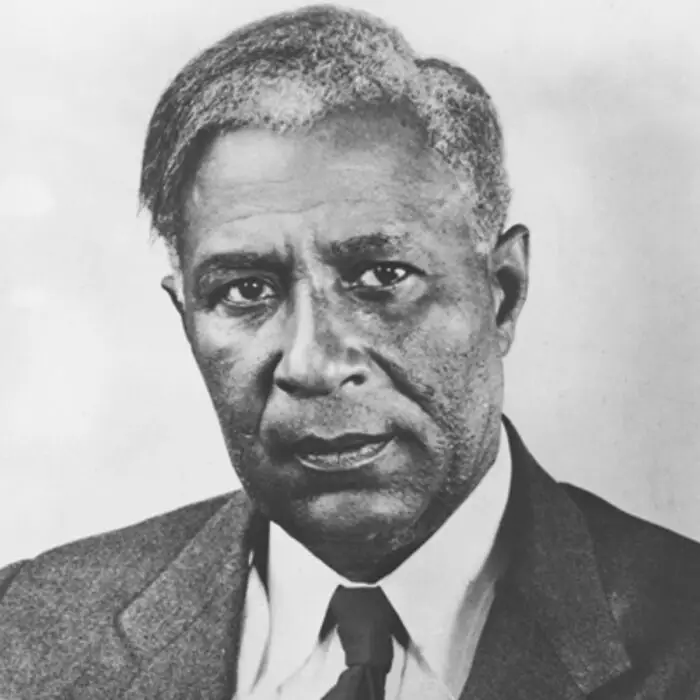
Before Morgan's invention, traffic lights only had "stop" and "go" without any indication to slow down. It's likely that this caused many unnecessary accidents and difficult traffic flow. So, Morgan invented a third signal on the traffic light, which we now know as the yellow light that tells us to slow down.
He patented a T-shaped pole that had three traffic settings. If there wasn't much traffic, the middle light could be set to half-mast, which is similar to the blinking yellow lights of today, which can warn drivers to proceed with caution. While traffic lights are something most humans use on a daily basis, we often don't think much about them.
Credits: Molly Weinfurter, Marine Corps Logistics Base Barstow
The Accidental Discovery Of Penicillin
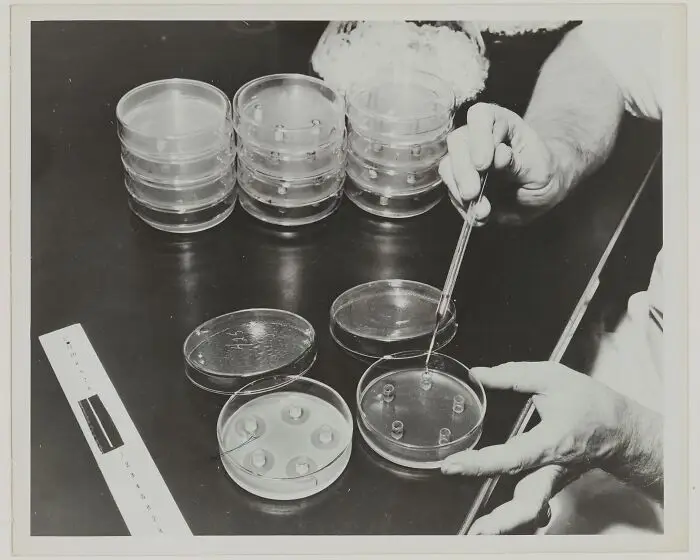
Alexander Fleming’s discovery of penicillin in 1928 happened by chance. He left petri dishes out while on vacation, and mold contamination revealed the world’s first antibiotic.
This mistake revolutionized medicine, saving millions of lives.
Credits: Rose Smith, Archives nationales (France)
The Discovery Of Electricity Literally Saved The Whales. Prior To This, They Were Hunted Relentlessly To Near Extinction For Their Oil, Which Was Used To Power Street Lamps And Such
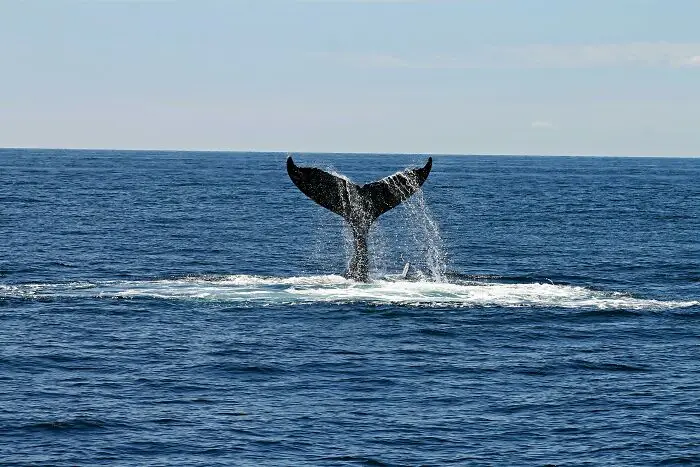
Credits: reddit.com, Andrea Holien/pexels (not an actual photo)
Fatima Al-Fihri Founded The First Place Of Higher Eduction

Today, we consider universities a regular life path to choose. But before Fatima al-Fihri, people didn't have the luxury of a more advanced education. She founded the university of al-Qarawiyyin in 859 AD, and it was considered the world's first university.
When al-Fihri's father passed, she inherited a large sum of money, so she chose to use it to build a mosque. She built it large enough to be able to include new believers, and it eventually became a religious institute that appealed to many students and scientists. While there were similar mosques during that time, it came before others like the Sankore Mosque in Timbuktu (989 AD) and the University of Bologna (1088 AD).
In fact, the al-Qarawiyyin University still runs to this day. While not many know that it started the concept of universities, the people who attend it are familiar with al-Fihri's great success. She is now considered a saint who is respected by many citizens of Fez, Morocco.
Credits: Molly Weinfurter, Mike Prince (not an actual photo)
Napoleon’s Obsession With Egypt
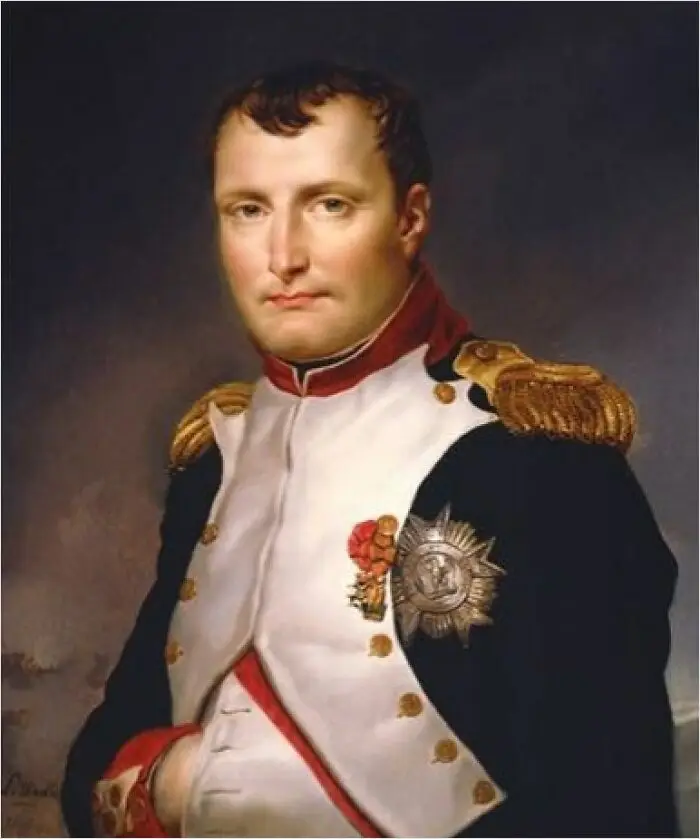
Napoleon’s campaign in Egypt failed militarily, but his fascination led to the discovery of the Rosetta Stone. This find unlocked the secrets of ancient Egyptian hieroglyphs, revolutionizing archaeology and our understanding of history.
Credits: Rose Smith, Jacques-Louis David (not an actual photo)
A Storm Saving Japan From Mongol Invasion

In 1274 and 1281, Kublai Khan’s fleets were destroyed by typhoons while attempting to invade Japan. The Japanese named these storms “kamikaze,” or divine winds.
The survival of Japan’s independence hinged on nature’s fury.
Credits: Rose Smith, Evgeny Tchebotarev/pexels (not an actual photo)
The Spanish Flu Pandemic (1918-1919)
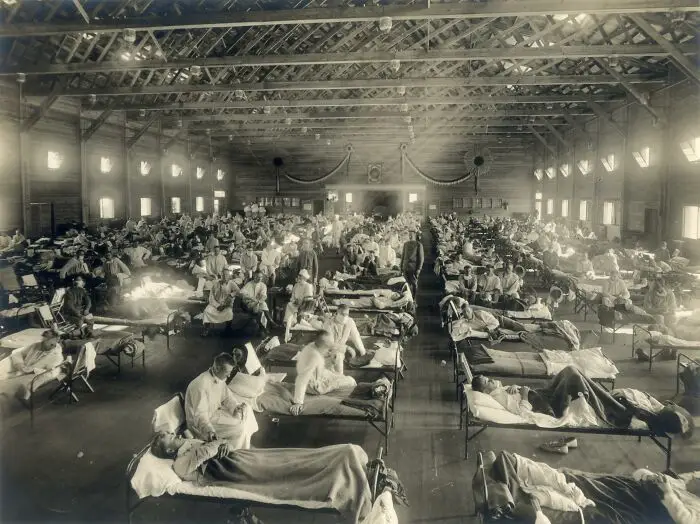
Though the Spanish Flu claimed millions of lives globally, its long-term societal and political impacts are often understated.
The pandemic weakened economies, disrupted trade, and left a generation grappling with loss in the aftermath of World War I. It also highlighted the vulnerabilities in global health systems, influencing later public health policies.
Additionally, the spread of the virus exposed the dangers of wartime propaganda, as governments often downplayed the severity of the outbreak.
The pandemic also set the stage for advancements in medical research. Its lessons on global health cooperation resonate to this day, especially in light of modern pandemics.
Credits: Alvin Goodley, National Museum of Health and Medicine
The Of Princess Charlotte Of Wales In 1818
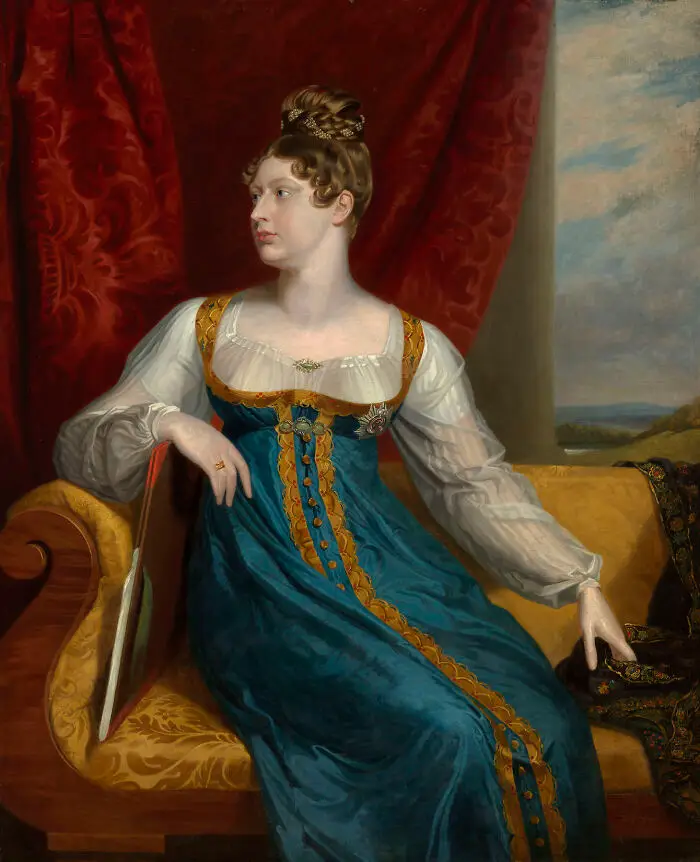
Charlotte was the daughter of George IV and was the last hope for the Hanoverian line and was very popular. After she died in childbirth in 1818, she and her stillborn son were greatly mourned. Her made George IV’s brothers dump their mistresses and many illegitimate children and marry princesses and father legitimate children, this lead to a baby being born who would become Queen Victoria, also known as the Grandmother of Europe.
Credits: QueenLiLi20, George Dawe
Alice Guy-Blaché Added Storytelling To Film
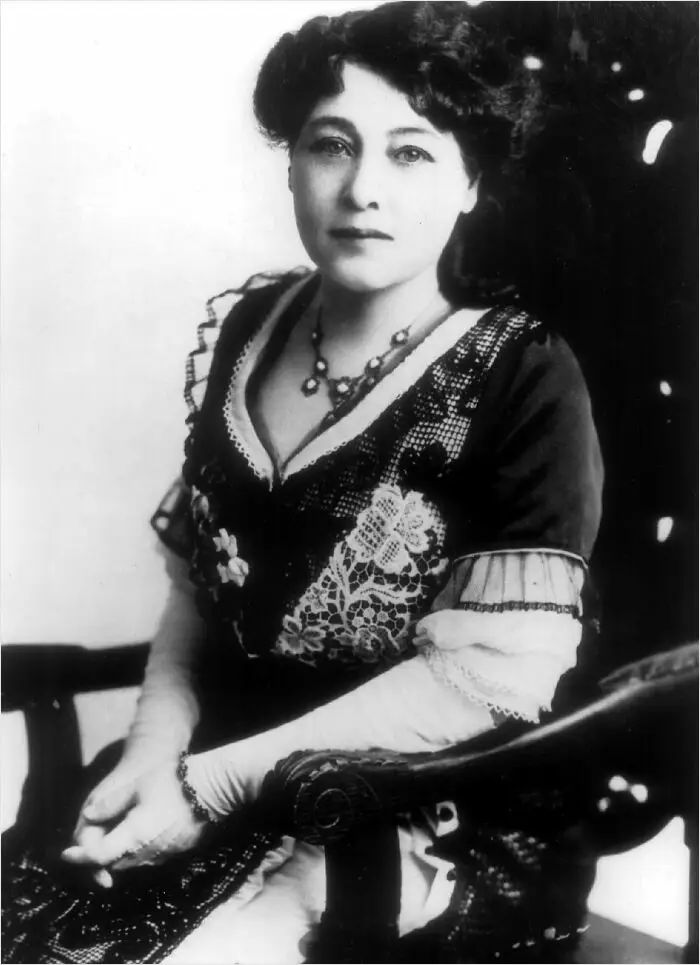
She directed her first film in 1896, titled La Fée aux choux (“The Cabbage Fairy”). Soon after, she became Gaumont film company's head of production, meaning she directed nearly all their films for the next few years. In total, she directed over 1,000 films. Many of them were shorter stories, which was the norm back then.
Guy's early films only ran for a minute or two, but as the film industry progressed, she worked on more notable projects. Her works included La vie du Christ in 1906. Despite her huge success, she was disappointed for not always getting the credit she deserved. “It is a failure; is it a success? I don’t know," wrote Guy.
Credits: Molly Weinfurter, Apeda Studio New York (not an actual photo)
The Library Of Alexandria’s Slow Decline

The Library of Alexandria wasn’t destroyed in one fiery event as often portrayed. Instead, it faced a gradual decline due to neglect and political instability. This loss of knowledge stunted intellectual progress for centuries, setting back science, philosophy, and cultural exchange.
Credits: Rose Smith, Diego Parra/pexels (not an actual photo)
John Landis Mason Invented Mason Jars

John Landis Mason's invention might not have saved lives, but it helped save a lot of food. As you may have guessed from his name, he created Mason jars. Before his invention, the popular way to can food was to use wax to make an airtight seal. Needless to say, it was far too messy and tedious. Canning was a vital part of home life in rural areas or when trips to a grocery store were few and far between. Canning and preserving food may extend its shelf life for several years.
In 1858, Mason created jars that were made of transparent glass with a screw-on top. Inside the flat metal lids, he placed a rubber ring, which was crucial to making the container airtight. Sadly, he forgot to patent that part of his invention until Mason jars had already become widely popular. He slowly lost control over his invention and perished without being rich from success. It's amazing how such a simple product for us today could've been so revolutionary in its day.
"Mason jars are still popular because they're both useful and beautiful," said Marisa McClellan, a food canning expert. "Whether you use them for canning, dry good storage, drinking glasses, or just to hold pens on your desk, they are functional and pleasing."
Credits: Molly Weinfurter, Ella Olsson/pexels (not an actual photo)
A Scientist’s Daydream Leads To The Big Bang Theory
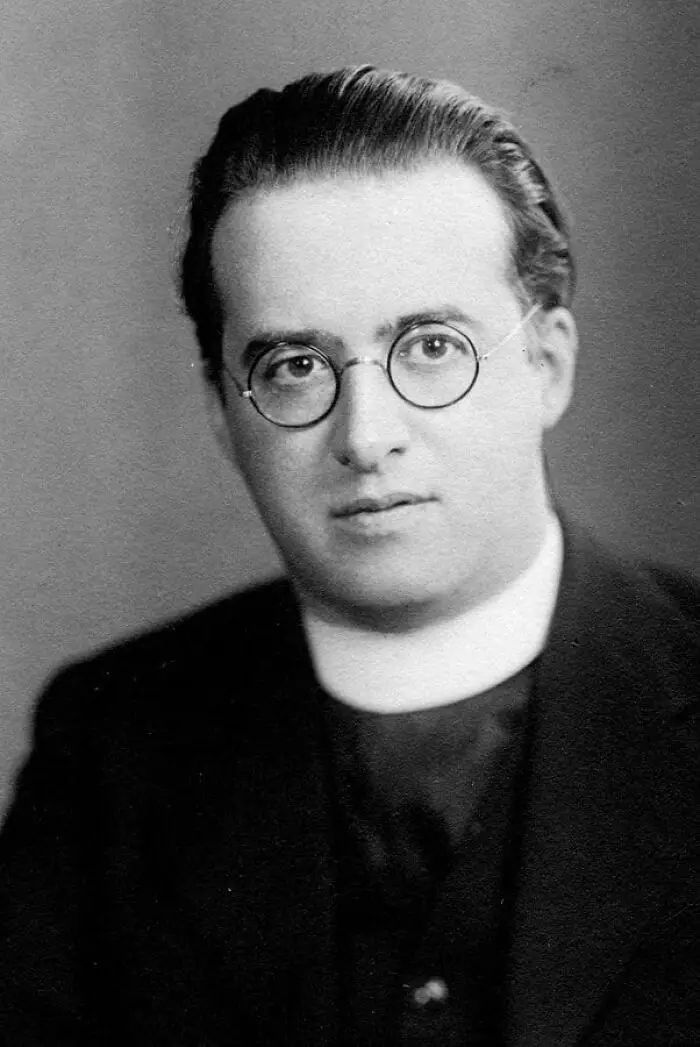
In 1927, Georges Lemaître, a Belgian priest-scientist, theorized the universe’s expansion after pondering Einstein’s equations during a train ride. His musings became the foundation for the Big Bang Theory, altering our understanding of the cosmos.
Credits: Rose Smith, Archives Louvain (not an actual photo)
A Missing Screw On Sputnik 1

When the Soviets launched Sputnik 1, a loose screw shortened its operational life. Despite its brief transmission, the satellite’s launch ignited the space race, propelling humanity toward the moon and beyond.
Credits: Rose Smith, U.S. Air Force photo (not an actual photo)
The Partition Of India (1947)
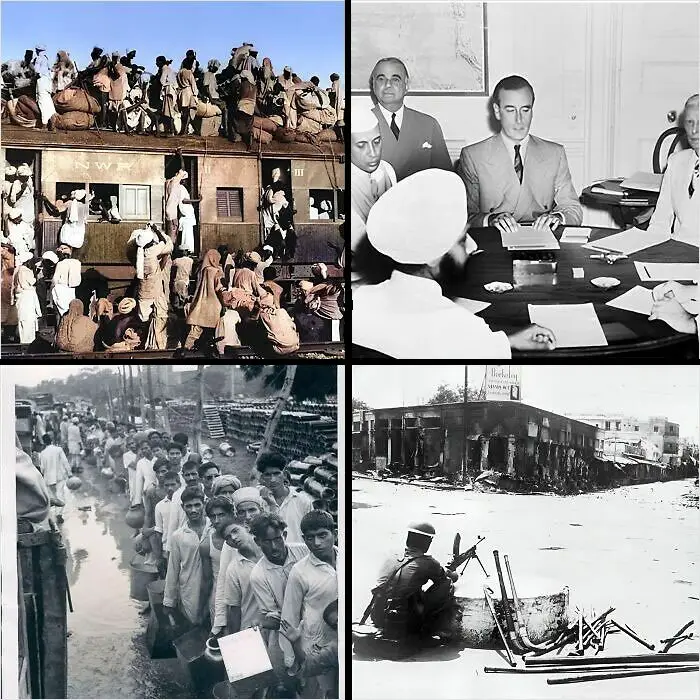
The partition of India in 1947 led to one of the largest mass migrations in history, yet its broader implications are often overlooked.
Britain’s hasty withdrawal left behind deep religious divisions, splitting India into two nations: Hindu-majority India and Muslim-majority Pakistan. This division ignited widespread violence, displacing millions and leaving deep scars on both nations.
The effects of partition continue to influence Indo-Pak relations, particularly over the Kashmir conflict. Additionally, it set a precedent for post-colonial struggles in other regions. The ripple effects of partition are still evident in South Asia’s geopolitical tensions today.
Credits: Alvin Goodley, Captain AmericanBurger1775 (not an actual photo)
The Dutch Revolt (1568-1648)
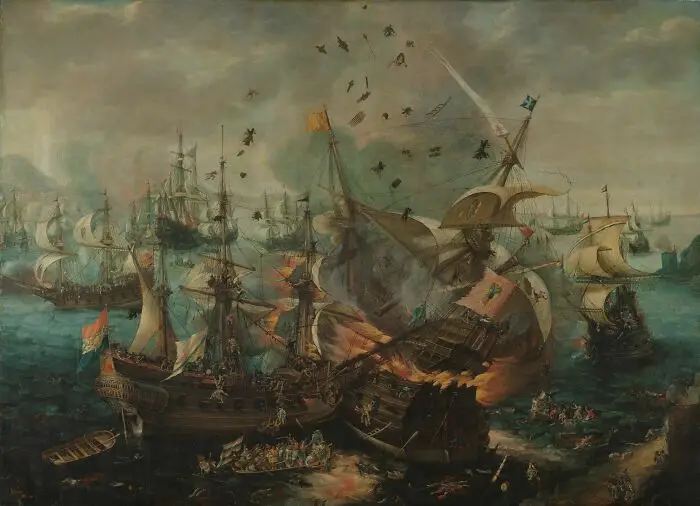
The Dutch Revolt is often overshadowed by larger European conflicts but had profound long-term consequences. It led to the independence of the Dutch Republic from Spanish rule and the establishment of a powerful maritime empire. This revolt also inspired other nations seeking independence from European monarchies. The Republic’s eventual dominance in global trade fostered a golden age of science, culture, and art. Moreover, it weakened Spain’s dominance and contributed to the shifting balance of power in Europe. The Dutch Revolt laid the foundation for the modern Netherlands and influenced global trade routes for centuries.
Credits: Alvin Goodley, Claes van Wieringen (not an actual photo)
A Clerk’s Typo During The Treaty Of Versailles

During negotiations after World War I, a clerk’s error placed the Saar Basin under League of Nations control for 15 years instead of the intended 5. This minor mistake escalated tensions in Germany, fueling discontent that was later exploited.
Credits: Rose Smith, Joan Costa/pexels (not an actual photo)
A Failed Invasion Shapes Britain
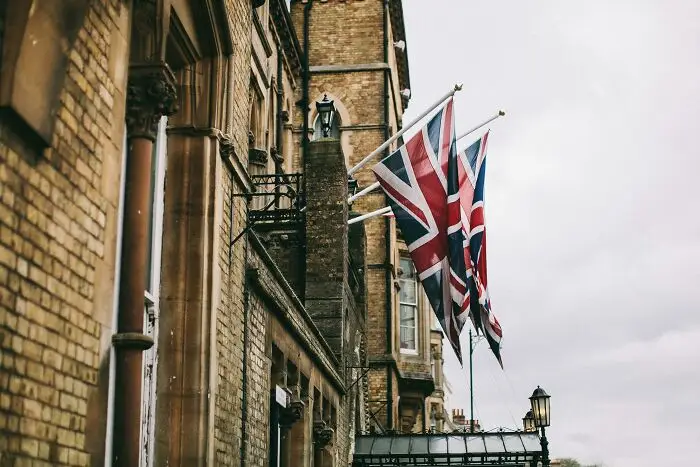
In 1588, the Spanish Armada’s defeat was due largely to poor planning and bad weather. The outcome preserved England’s independence and helped establish it as a future global power.
Credits: Rose Smith, Lina Kivaka/pexels (not an actual photo)
A Meteorite Sparks Christianity In Greenland
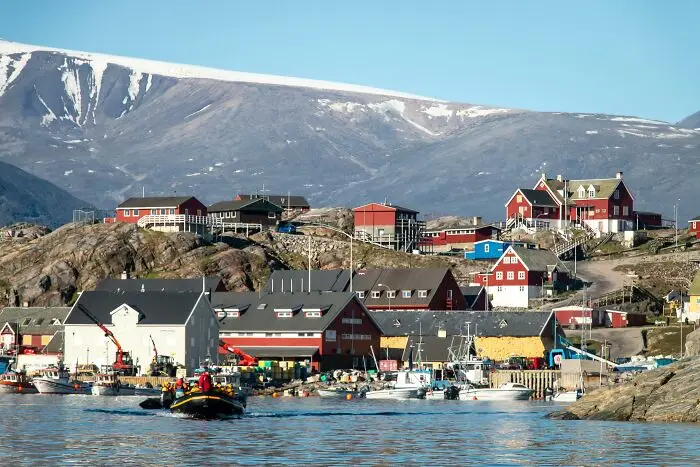
In 1000 CE, a meteorite struck Greenland, leaving locals awestruck. Norse missionaries interpreted it as a divine sign, facilitating the Christianization of Greenland and altering the region’s cultural trajectory.
Credits: Rose Smith, ArcticDesire.com Polarreisen/pexels (not an actual photo)
The Tanzimat Reforms (1839-1876)
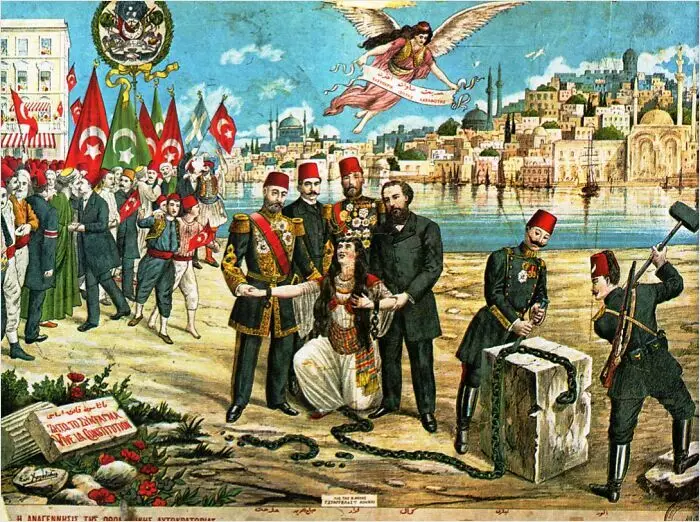
During the Ottoman Empire’s decline, the Tanzimat Reforms sought to modernize and centralize the empire. This ambitious set of laws included religious equality, improved education, and modernized military structures.
Despite initial optimism, many reforms were met with resistance, particularly from conservative factions. The long-term effects rippled through the Middle East, laying the groundwork for future nationalist movements. Additionally, the weakening of the Ottoman Empire increased European intervention in the region. These reforms, while partially successful, contributed to the eventual collapse of the empire after World War I.
Credits: Alvin Goodley, Sotiris Christidis
1453 - The Fall Of Constantinople
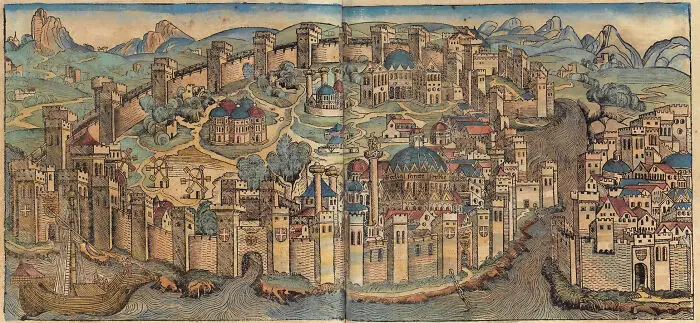
European powers lost their access to the Near & Far East trade routes, and importantly, their spices. So many powers, starting with the Portuguese decided to find another access route, spurring the start of European exploration in earnest and ultimately the Age of Exploration and later Colonialism.
Credits: Anonymous, Michel Wolgemut, Wilhelm Pleydenwurff
The Great Emu Battle (1932)
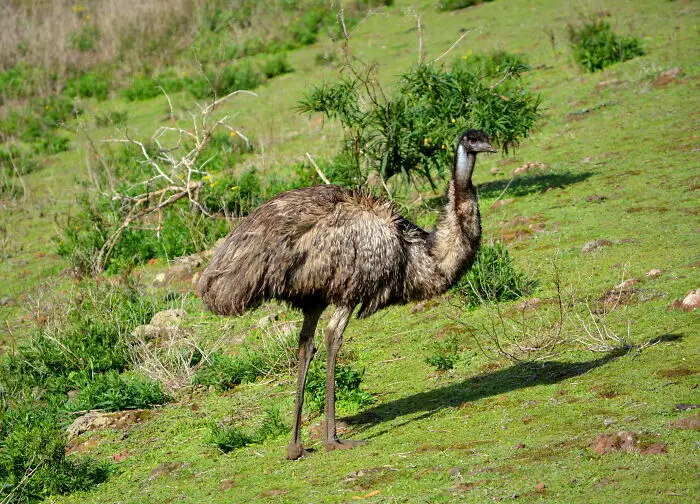
In a bizarre chapter of Australian history, farmers in Western Australia found themselves secured an useless resist an unexpected for: emus. Confronted with an increase of emus damaging their crops, the Australian military was deployed to fight the birds in what came to be called the Great Emu Battle. Despite their best efforts, the soldiers showed no suit for the nimble birds, causing a farcical defeat. While the event may seem funny in retrospection, it highlights the intricacies of human-wildlife disputes and the unexpected consequences of environmental disturbance.
Credits: elizabethella096, fry_theonly (not an actual photo)
You might also like: 83 awkward and bizarre things rich clients said in front of their drivers
Follow Bored Panda's daily dive into internet culture on MSN for more curious finds, quirky content, and offbeat observations.