







We humans have been around for hundreds of thousands of years, so naturally, certain things have slipped through the cracks of our collective memory, exposing us to a distorted understanding of our past. Hopefully, this list will remedy some of that damage. We at Bored Panda searched the internet and collected the interesting, strange, and downright frightening events that people believe are forgotten way too often. Continue scrolling to check them out and upvote the ones you also think need to be remembered. After all, those who don't know history are doomed to repeat it.
#21
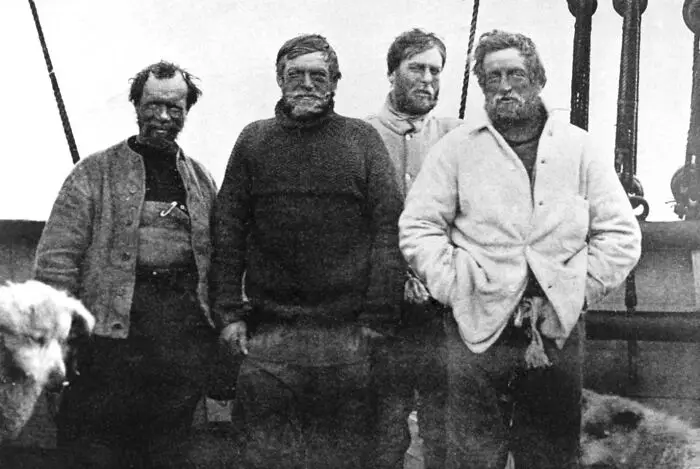
The escape from Antarctica by the members of the Antarctic expedition led by Ernest Shackleton. The stuff they went through was unbelievable. Their boat, the Endurance was crushed by ice floes. They were stranded on the floes for over a year in temperatures well below freezing. They then took to three boats around 22 feet in length across the antarctic ocean looking for land. There were about 10 men in each boat. They missed reaching land by just a few miles at times. Two thirds of them got stranded on Elephant Island surrounded by ice while one of the boats went out in search of rescue. That boat made it through the Drake Passage, one of the deadliest places in the ocean. All but three of them got stranded with little food and water while the three men who left became the first people the cross South Georgia on foot. They found civilization. Rescued the men who came through the Drake Passage. Waited months until they could rescue those on Elephant Island. Every single person who came on the initial voyage survived with the worst lasting consequence being a single foot amputation.
Report
77points
#22
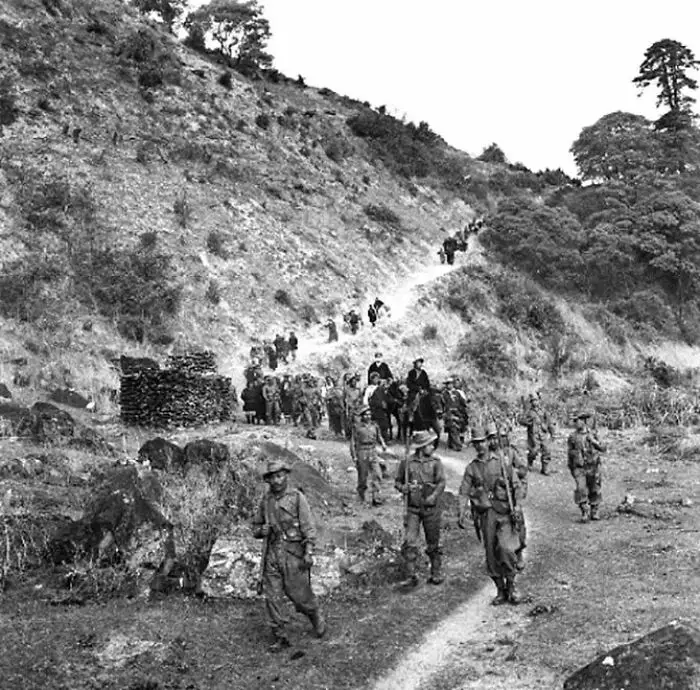
That Tibet under the Dalai Lamas was a pretty brutal theocracy with a medieval criminal code. They still punished theft by chopping off hands. Also in the 1930s, they made two attempts to expand south into Chinese territory, though granted Great Britain was financially involved. Note none of this excuses the Chinese invasion, but there is a tendency to see Tibet through rose coloured glasses these days.
Report
74points
#23
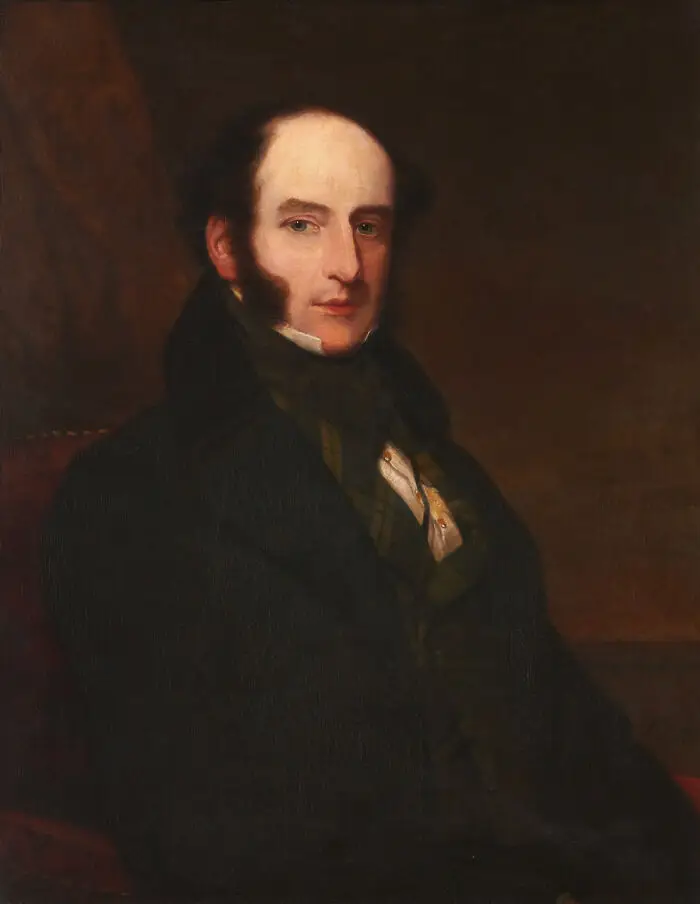
In 1847, Robert Liston performed an amputation in 25 seconds, operating so quickly that he accidentally amputated his assistant's fingers as well. Both patient and assistant later died of sepsis, and a spectator reportedly died of shock, resulting in the only known surgical procedure with a 300% mortality rate.
73points
#24
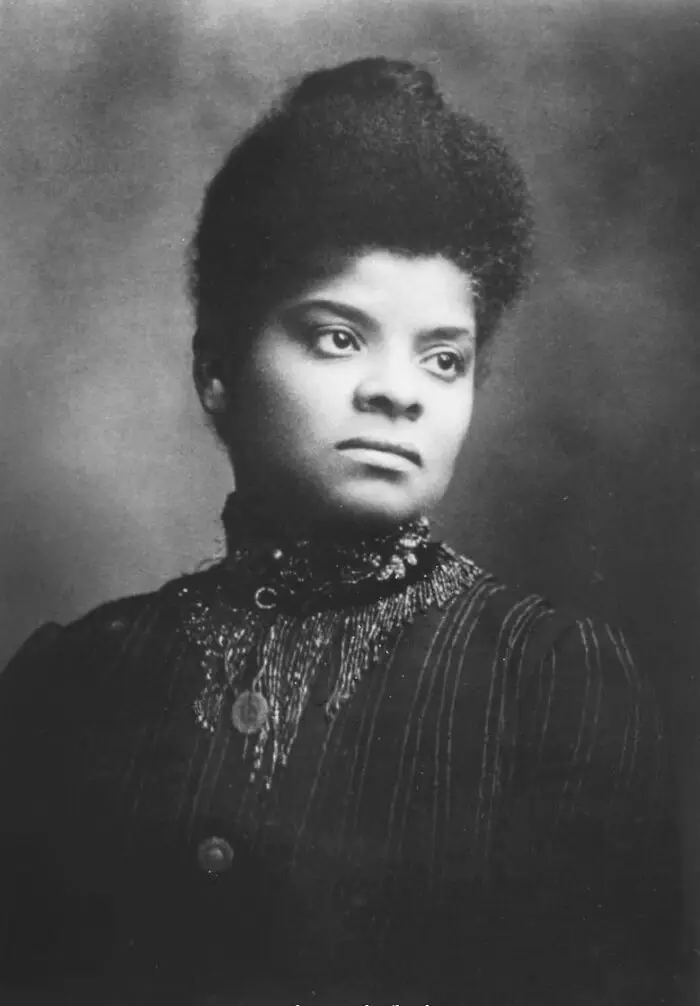
Rosa Parks wasn't the first: Ida B. Wells, a pioneering African American journalist and civil rights activist. In 1884, Wells was traveling by train when she was ordered to give up her seat in the first-class ladies' car and move to the smoking car, which was already crowded. When she refused, the conductor and two men forcibly removed her from the car. Wells took legal action against the railroad company and initially won her case in the local circuit court, receiving a $500 award. However, the railroad company appealed, and in 1887, the Tennessee Supreme Court reversed the lower court's ruling, concluding that her persistence was not in good faith to obtain a comfortable seat for the short ride. Wells was ordered to pay court costs. This incident was a catalyst for Wells' lifelong commitment to civil rights and social justice. She became a prominent journalist, co-owning and writing for the Memphis Free Speech and Headlight newspaper, where she reported on racial s*********n and inequality. Throughout her career, Wells documented and fought against the lynching of African Americans, becoming one of the most influential leaders in the early civil rights movement. Ida B. Wells' courageous stand against racial discrimination on public transportation predated Rosa Parks' more widely known protest by several decades, highlighting the long history of resistance to s*********n in the United States.
72points
#25
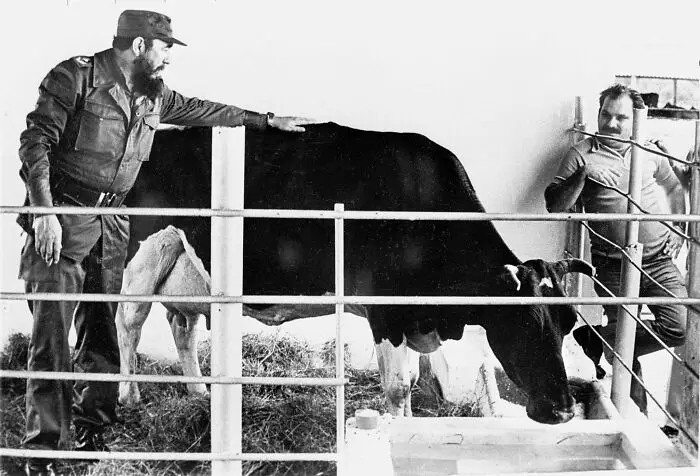
Fidel Castro loved dairy products so much that he built a massive ice cream parlor, Coppelia, which still operates in Havana. He also oversaw an ambitious breeding program to create a heat-resistant, high-yield dairy cow. One such cow, Ubre Blanca ("White Udder"), became famous for breaking global milk production records and was treated as a national symbol of Cuba's agricultural progress.
Report
70points
#26
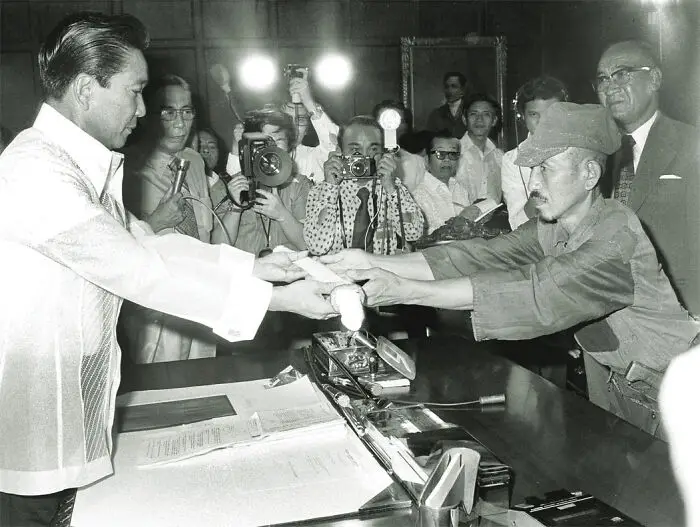
There was a Japanese soldier named Hiro Onoda who never realized ww2 was over until 1974. He was sent to a small island in the Philippines to spy on the American forces. He evaded capture and remained in the jungle to carry out his mission for the next 30 years. His former superior had to come out of retirement to convince him the war was over.
63points
#27
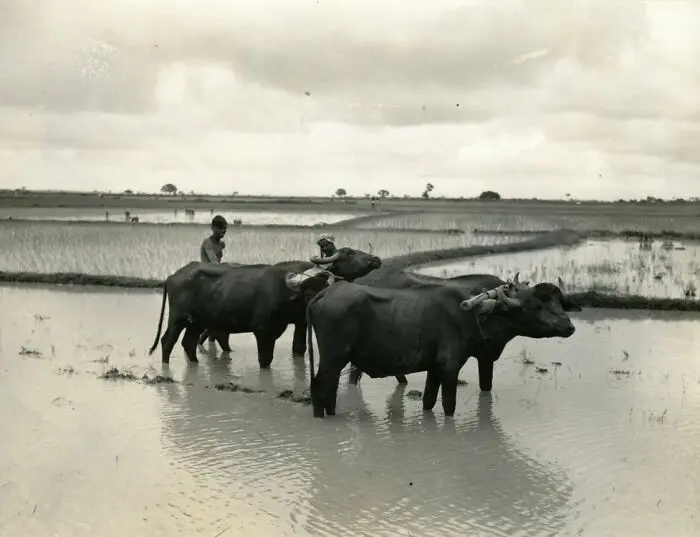
The Bengal Famine of 1943, which resulted in the deaths of around 2-3 million people, is often linked to Churchill’s government due to wartime policies that worsened the crisis. While there’s no definitive proof that Churchill intentionally caused the famine, his administration’s actions—such as diverting food supplies and failing to send adequate aid—are widely criticized for exacerbating the disaster. The tragedy was largely overshadowed by the global events of WWII, and its impact on India and Churchill’s role in it has been the subject of ongoing debate among historians.
Report
56points
#28
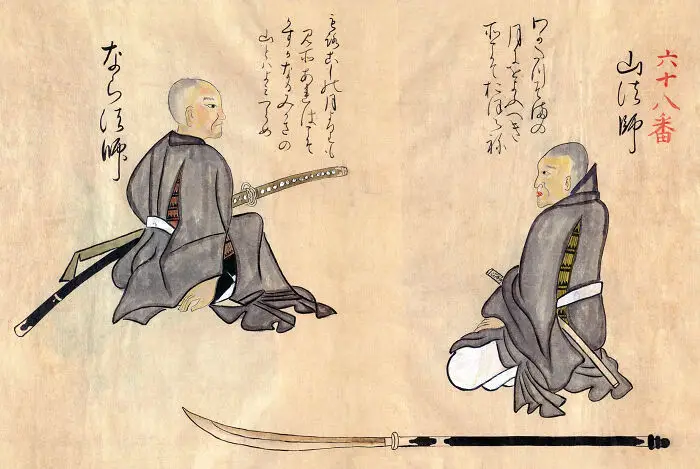
The katana, the famous sword of the Japanese Samurai, was never an important military weapon. Samurai went into battle armed with bows or polearms, swords were just backup weapons. The katana didn't become prominent until the Edo period, when the country was unified under one ruler and warfare between Samurai had ceased. The katana was primarily a status symbol, valued because only members of the Samurai class were allowed to carry them.
50points
#29
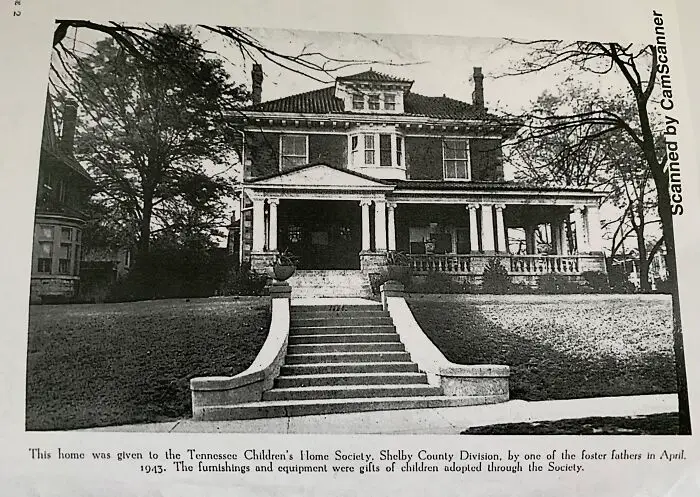
In the early 1900s, the Tennessee Children’s Home Society was an illegal orphanage that kidnapped babies from poor households and sold them.
48points
#30

On Christmas Day in 1914, during World War I, soldiers on both sides of the Western Front, particularly in Belgium and France, spontaneously declared a ceasefire. They celebrated Christmas together by singing carols, exchanging small gifts, and even playing football in no-man’s land. Many soldiers, writing in their diaries, were surprised at how friendly the enemy was and even expressed hopes to meet again after the war. However, once the military leaders found out about these informal celebrations, they banned any future interactions between the two sides. Though there were some attempts to reconnect in following years during holidays like Easter and Christmas, soldiers who tried were often punished or even killed.
36points