



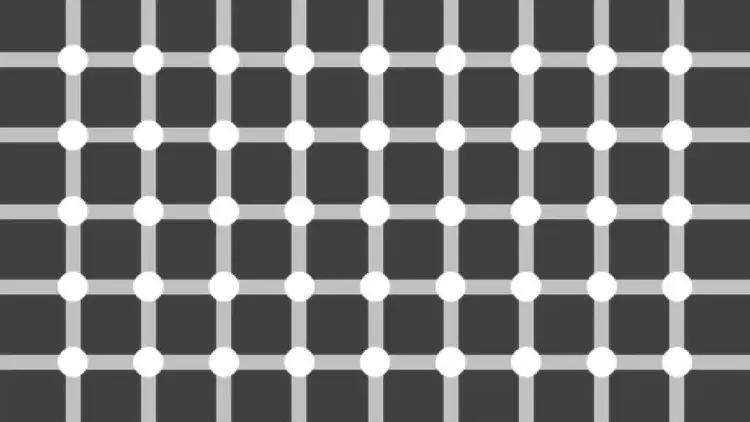


Think you can trust your eyes? Think again. What feels undeniable at first glance is sometimes a surprise, an illusion, or an invisible trick.
Ordinary images, patterns, and shapes are windows into the shortcuts, quirks, and occasional misfires of your brain’s visual system.
Every time a dot seems to vanish, a line seems to bend, or a shape refuses to behave logically, your neurons are hard at work, trying their best to make sense of the visual trickery in front of them. It’s as frustrating as it is addictive, yet we’re left none the wiser, even after staring at an illusion for hours.
This list combines classic optical illusions with newer visual tricks, each picked for the specific neural processes it engages.
Some reveal how the brain fills in the missing edges, others show how adaptation and contrast exaggeration bend perception, and a few reveal the ploys the mind uses to interpret three-dimensional images.
As you explore these physiological illusions, you’ll see that they aren’t just visual puzzles; they’re lessons in neuroscience.
Take a peek behind the curtain to see how your brain constructs the world around you, and try to beat these deliberate deceptions.
#21 Rubin’s Vase
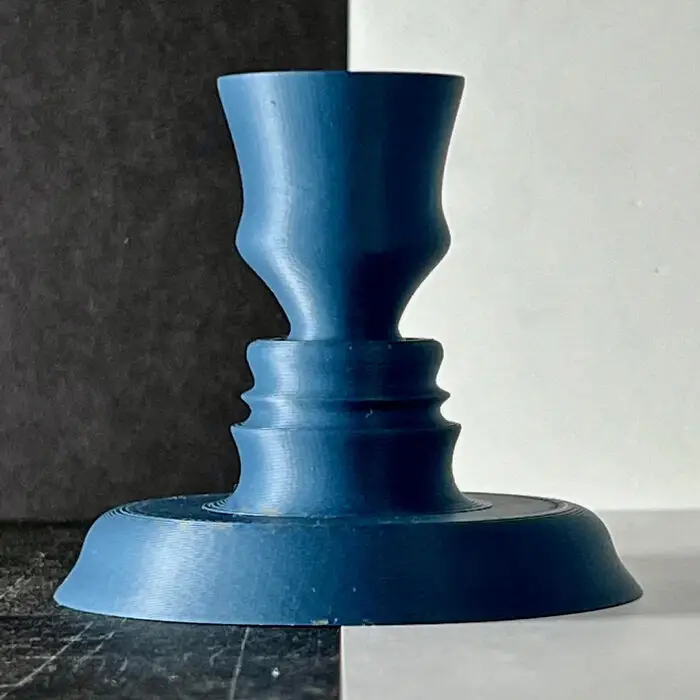
The famous Rubin's Vase flips between two interpretations: a vase in the center and two faces on either side.
This is a classic example of figure-ground ambiguity, where the brain can't simultaneously see both images, which the Illusions Index calls a “Gestalt switch". Competing neural populations take turns dominating perception, leading to bistable switching between the regions.
To observe the switching effect, relax your gaze and let perception alternate rather than forcing one interpretation.
This perceptual rivalry reflects how the brain manages competing sensory inputs in life, such as recognizing faces in shadows or objects cluttered together. The mind continuously tests competing hypotheses to decide which one is real.
Report
1point
#22 Mario Staircase
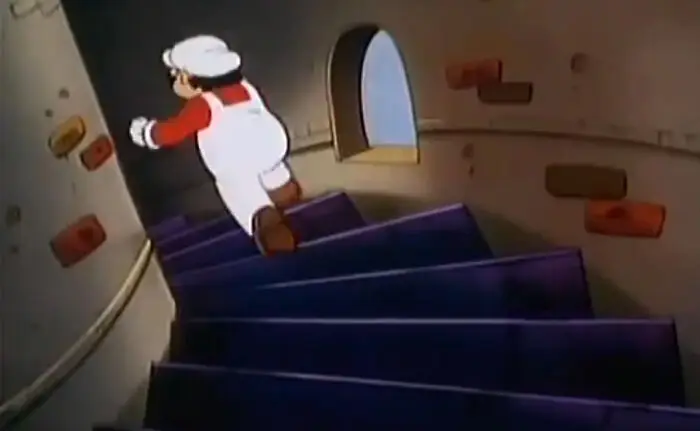
We've all seen the Mario Staircase optical illusion before, with its baffling visual trick that makes it hard to tell which direction he's running.
This ambiguity is caused by perspective inference and depth-from-shading, and The Mirror points out how our brains want to interpret the movement in a sensical way, but cannot with two plausible interpretations.
Let your perception flip back and forth on its own by mentally reinterpreting the stairs both ways. Similar ambiguities emerge in everyday life when lighting is poor, like when we misjudge steps in a dark stairwell.
It just proves how heavily our depth perception depends on assumptions, rather than raw data.
Report
1point
#23 Afterimages
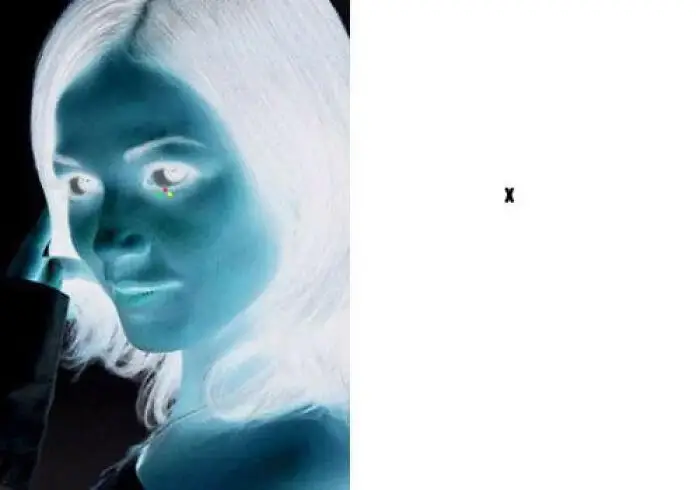
Afterimages appear when we stare at a bright object for several seconds, then look away, revealing complementary colors and shapes on a blank surface.
Exploratorium explains how a single flash of light can leave a lingering visual impression, so it's more a quirk of nature than a deliberate trickery, like many other optical illusions.
To see afterimages, focus on it with minimal blinking for 20-30 seconds, then immediately look at a white wall or piece of paper.
This is probably the most common illusion observed in everyday life because lingering illusions can persist in our eyes after looking at an object backlit by the sun or artificial light.
Report
1point

