


This post may include affiliate links.

Did you know that the first chatbot was created in the 1960s? Its name was Eliza, a very basic Rogerian psychotherapist. Chatbots use UCD principles to improve the quality and authenticity of every interaction. It personalizes conversations to the user’s liking, thus embodying the essence of user-centered design.



What about aesthetics, you say? After all, it’s common knowledge that people tend to like things that look pretty. Humans are wired to respond to visual stimulation, so an aesthetically pleasing design might distract from a faulty usability. According to the Interaction Design Foundation, studies have shown that users regard a more visually appealing design as more usable than it actually is.

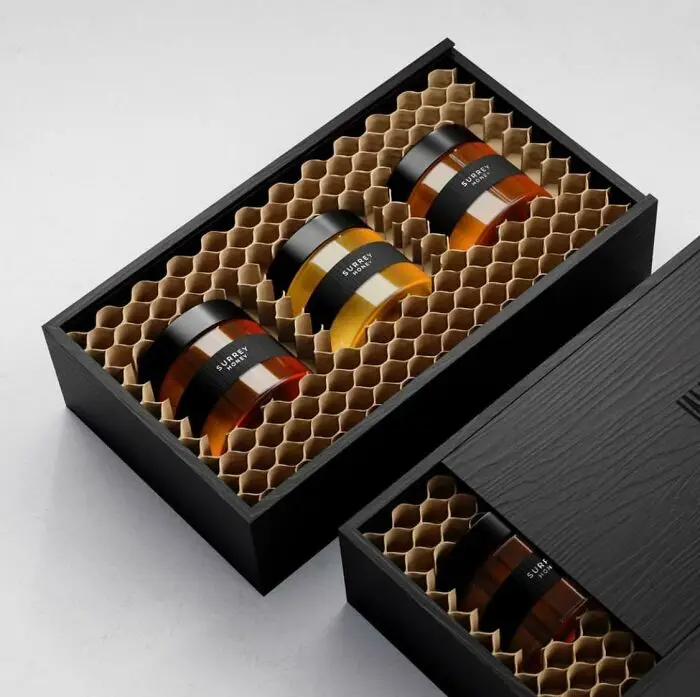

The golden rule, as Interaction Design Foundation states, is to use visuals to entice users: “Design’s critical functionality always comes first – an attractive product that draws users to use it for its main purpose.” Nice aesthetics are what draws people in, and what makes them stay long-term should be the functionality of the design.
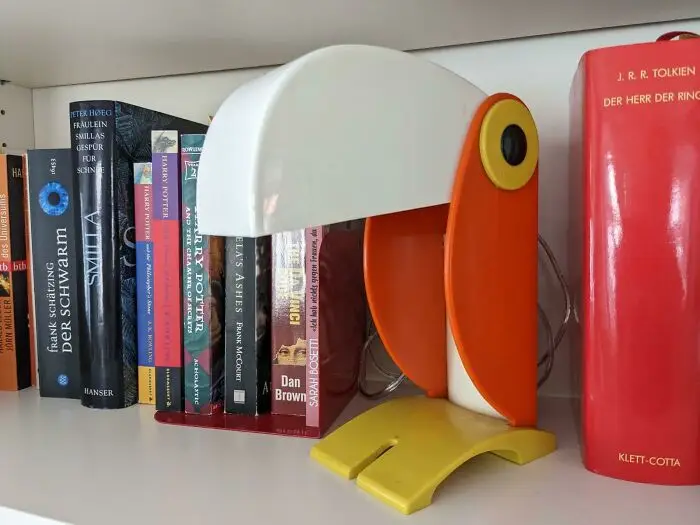
#28 Inherited This Lamp From My Sister. The Toucan Lamp From Enea Ferrari, The First Children's Lamp Made Of Plastic


Even Don Norman has changed his views on aesthetics over the years. In a revised 2013 version of The Design of Everyday Things, he admits that “aesthetics, pleasure and fun play critically important roles.” He therefore updated his previous definition to “human-centered design”. Human needs, behavior and capabilities are what good designers must have in mind.

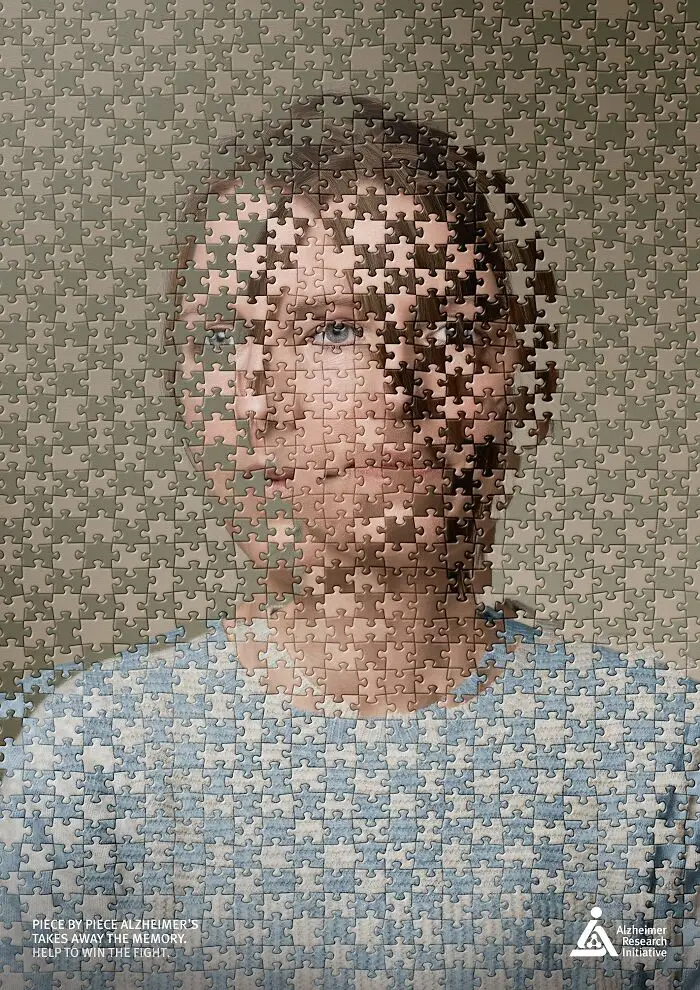
#34 The Picture Of The Japanese Movie Advertisement Is Printed On Two Sides Of The Newspaper, So The Full Picture Could Be Seen Under Light