



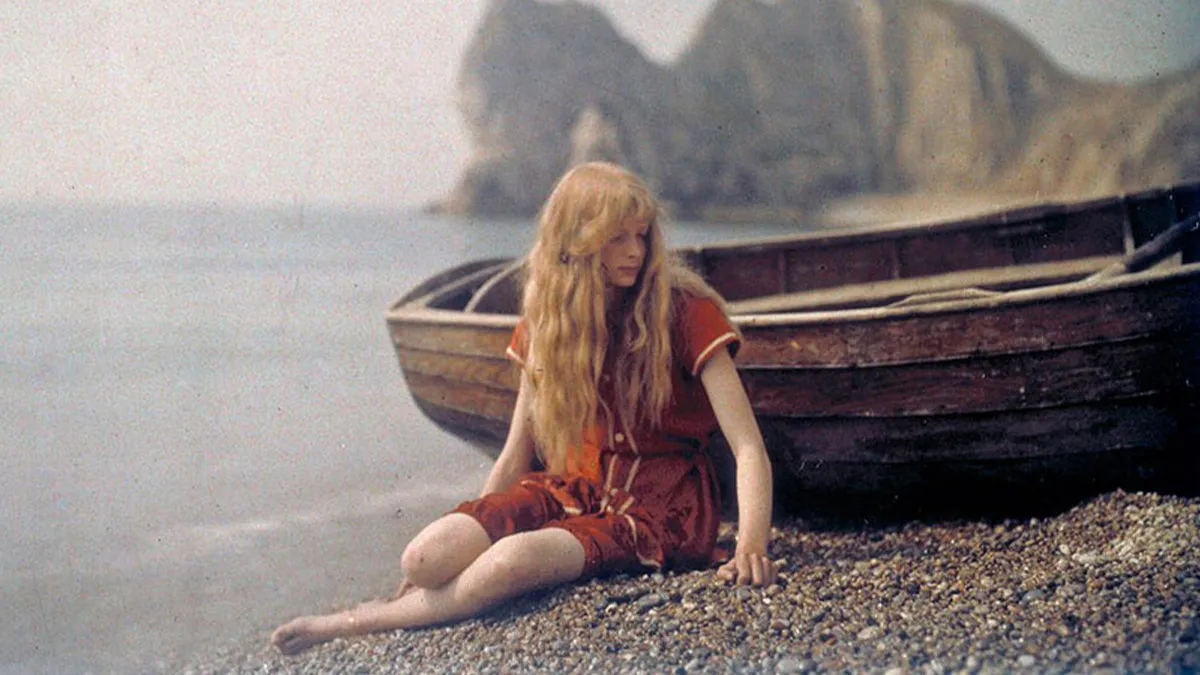



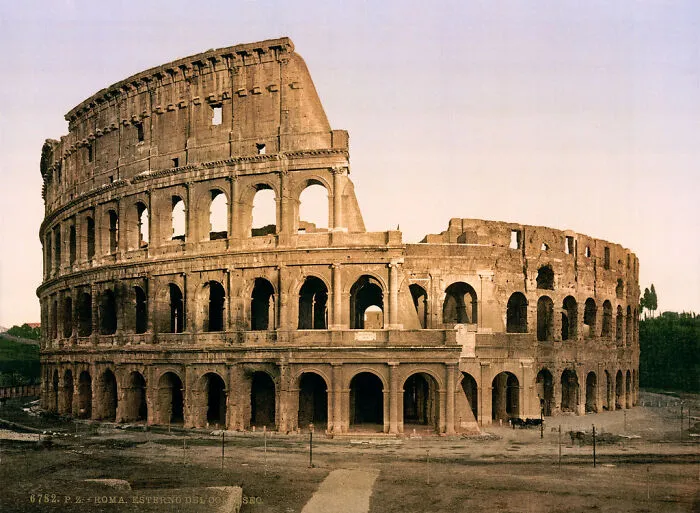
"The product name Kodachrome resurfaced in the 1930s with a three-color chromogenic process, a variant that we still use today," Osterman continues. While these 35 mm color slides (aka transparencies or diapositives) were known in the 1930s by both Kodak (US) and Agfa (Germany), only the amateurs were using them."
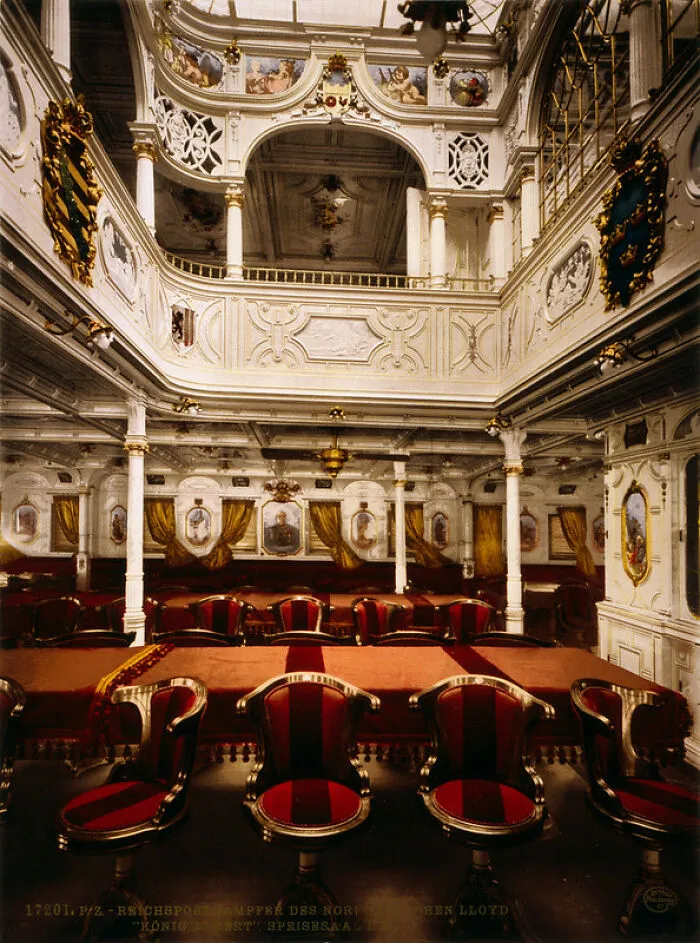
#23 North German Lloyd Mail Steamer König Albert, First Class Dining Room, Ca. 1910
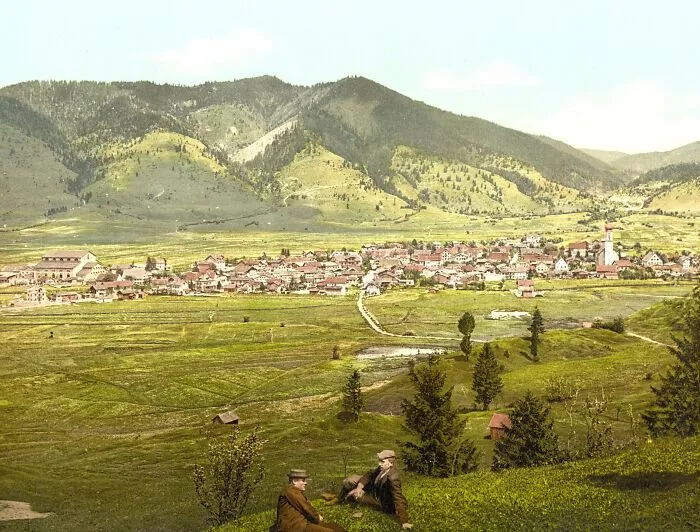
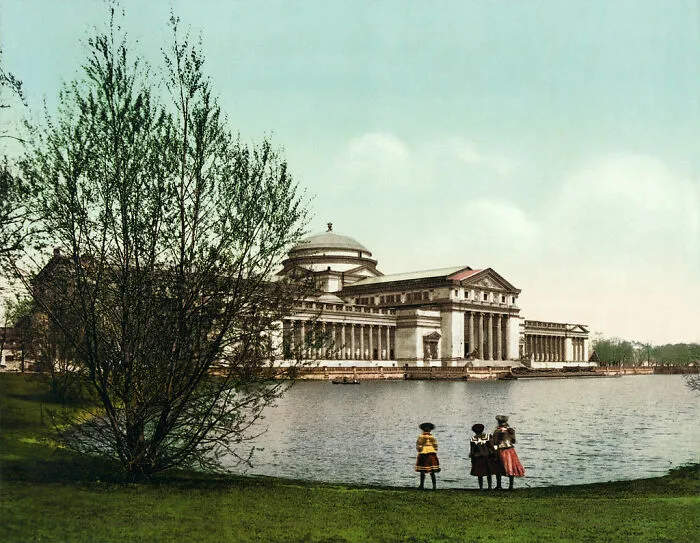
People had to wait for the war to end for color films to appear on the market. "It wasn't until after WWII that color films were widely available for everyone and professionals started using them in publications," Osterman says. "By the 1960s, portrait studios were routinely offering color photographic prints from color negatives."
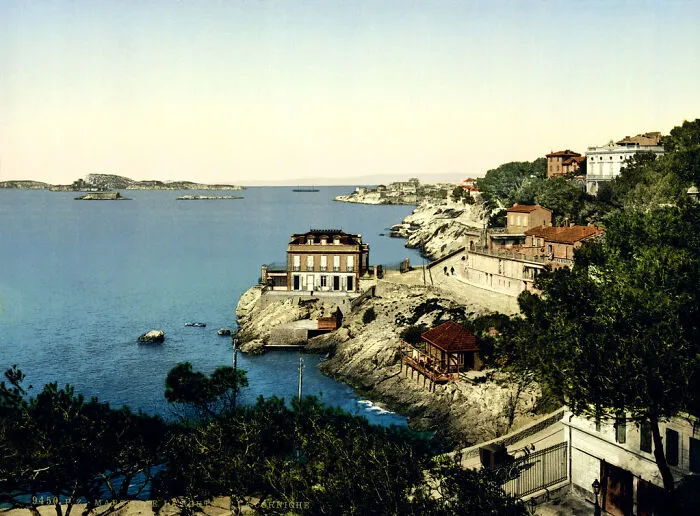
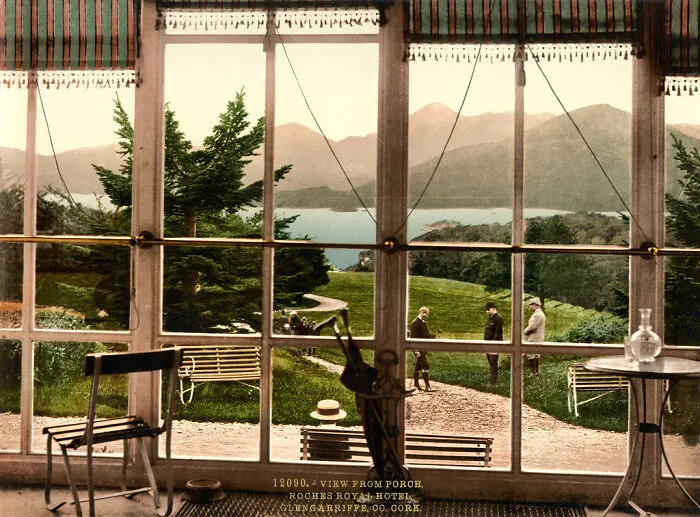
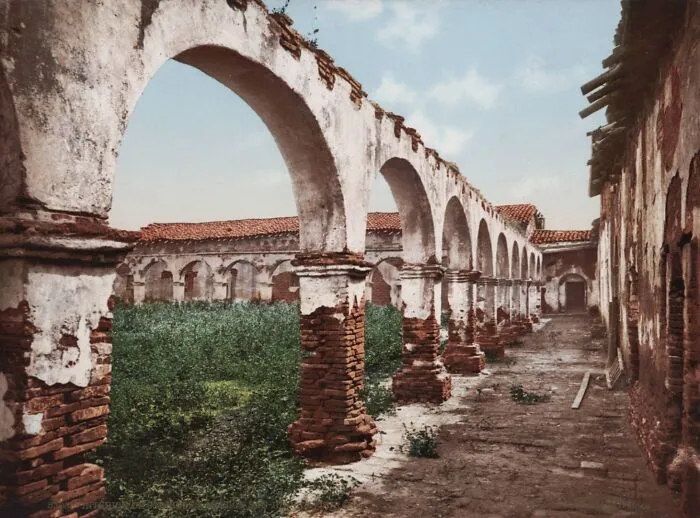
Most amateur photographers and perhaps even some professionals might not know that all color plates, films, and papers are actually coated with black and white gelatin emulsions. "The image is taken by that black and white sensitive emulsion and the color becomes visible during processing," Mark Osterman explains to Bored Panda. "After the color image is established, the black silver-based image is dissolved away, leaving the color behind."
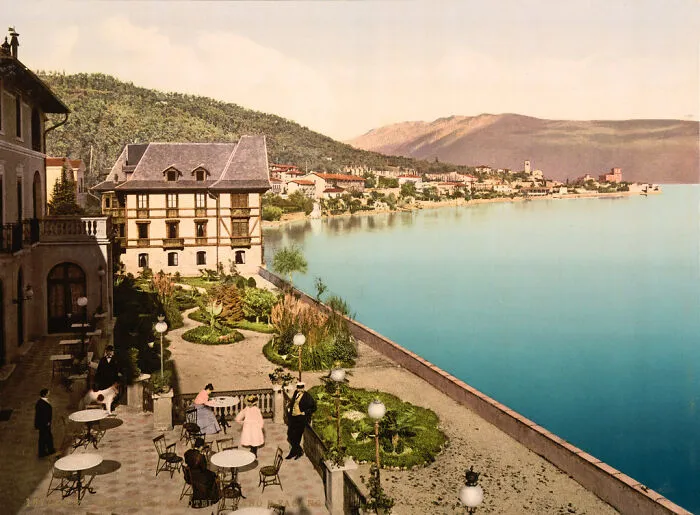
#30 View From The Hotel Fasano, Fasano, Lago Di Garda, Italy, Ca. 1895
Perhaps we have some photography enthusiasts among Pandas, too? If you're into the history of photography or the processes behind photo-making, let us know in the comments your favorite part of the process! And if you're looking for more old photographs that are in color, be sure to check out our previous article here!