

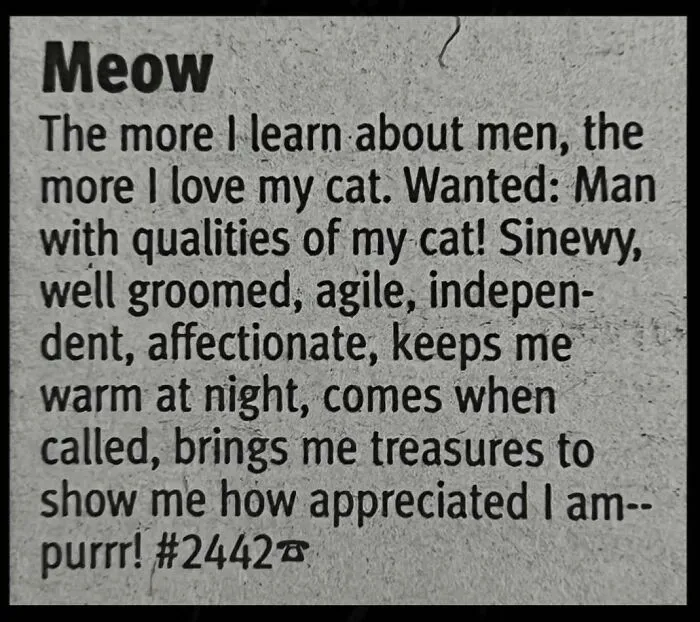
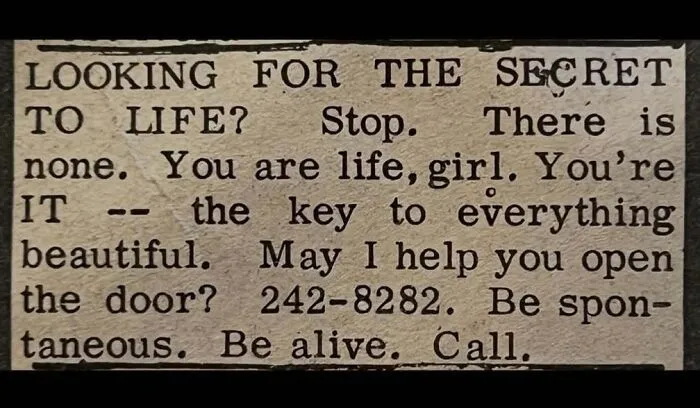
If you are single or you have any single friends, you’re probably familiar with the sentiment that dating nowadays is extremely difficult. A 2020 survey by Pew Research Center found that nearly half of all single Americans (and a majority of women) believe that dating today is more difficult than it was ten years prior. And three-quarters of daters admitted that it’s become harder to find people to date within the past year.
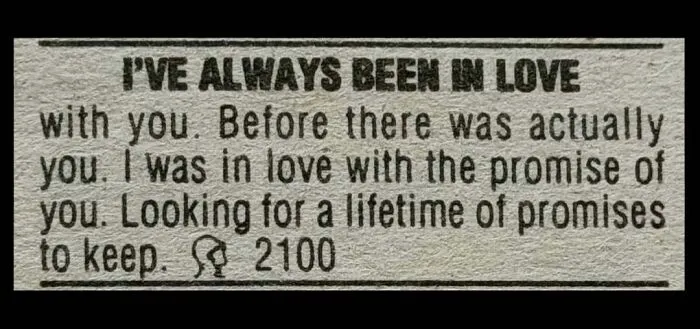
Thankfully, the majority of single people say that they don’t feel much pressure to find a partner, but many of them still want to. So they often turn to dating apps. Nearly two-thirds of adults between the ages of 18 and 29 say they’ve used dating apps or sites. But these have only been around for a few decades; before that, it was all about the newspaper.
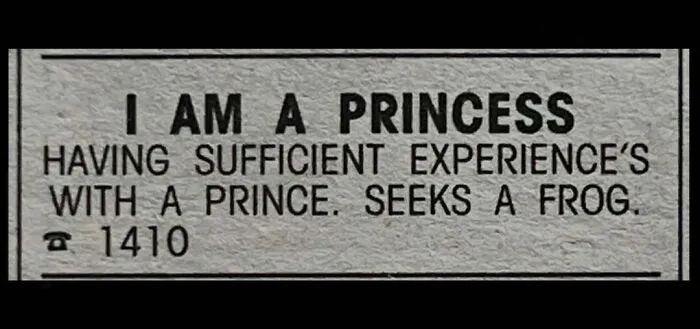
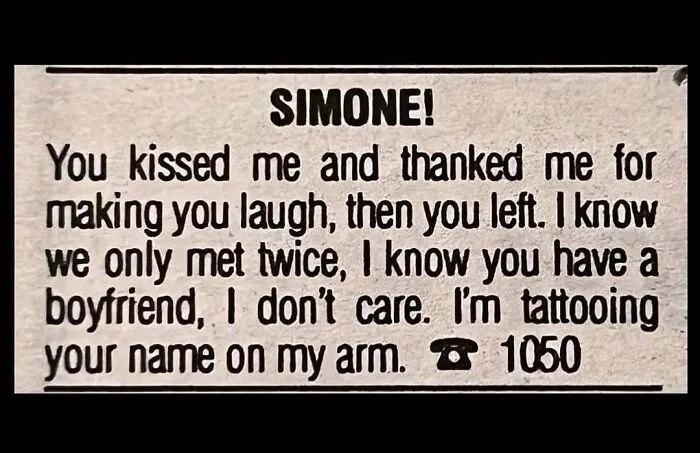
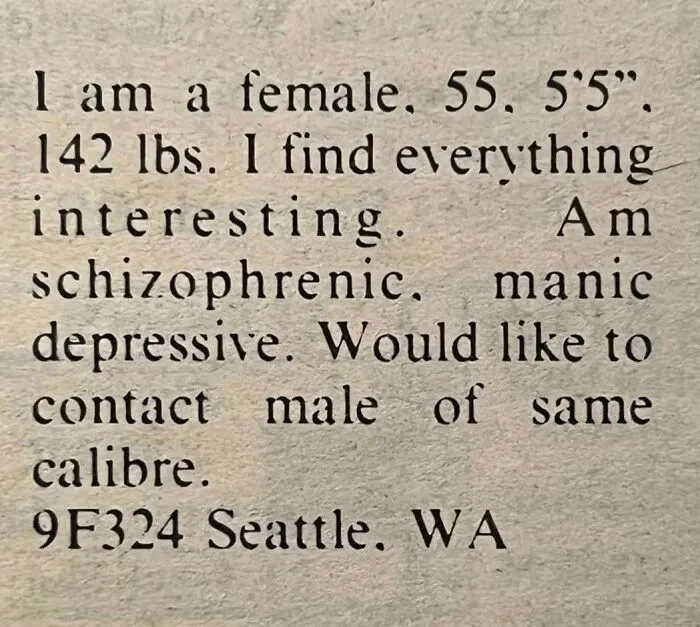
According to Smithsonian Magazine, the first known instance of a personal ad in a newspaper dates all the way back to 1692. And by 1710, apparently, all 53 major newspapers around London included personal ads purchased by singles ready to get married.
Though they may have seemed strange at first, these personal ads were win-wins for the publications. They were profitable when people paid for their own ads, as well as when readers bought papers to see other people’s ads. So it’s no surprise that they only grew in popularity over the next two centuries.
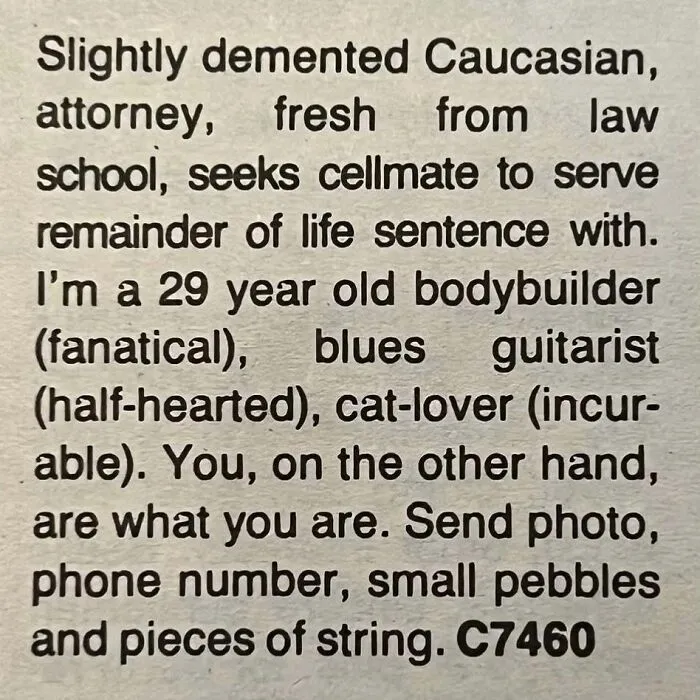
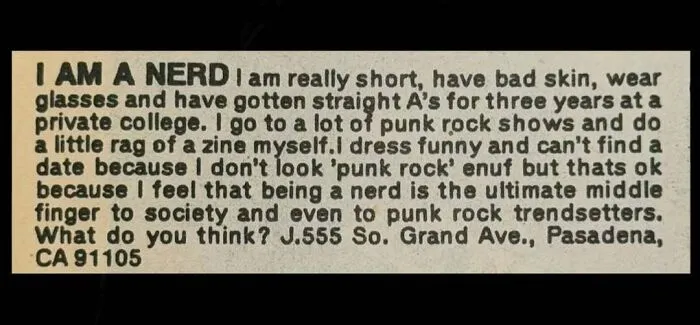
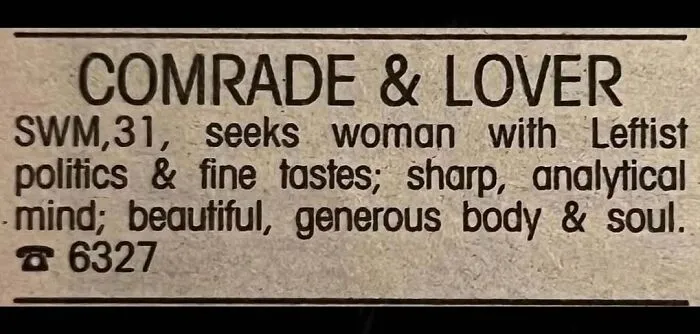
By the 1980s, Smithsonian notes that personal ads could be found in newspapers all across the United States. And by 1993, 70 million Americans said that they read at least one of these ads every single week.
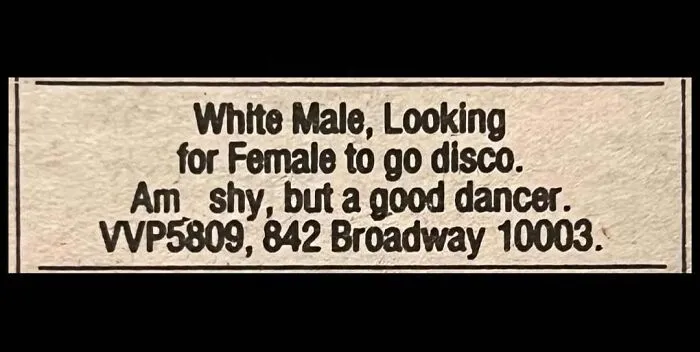
They weren’t exactly cheap to purchase, though. Apparently, newspapers typically charged a couple of dollars per word, making the average ad cost about $50. This is why so many of them are brief and straight to the point. No need for fluff; it’s too expensive.
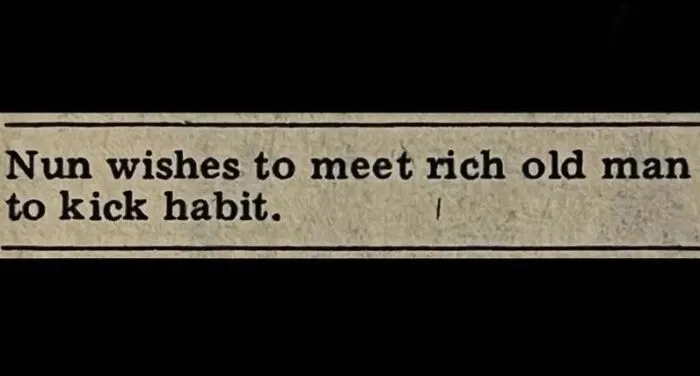
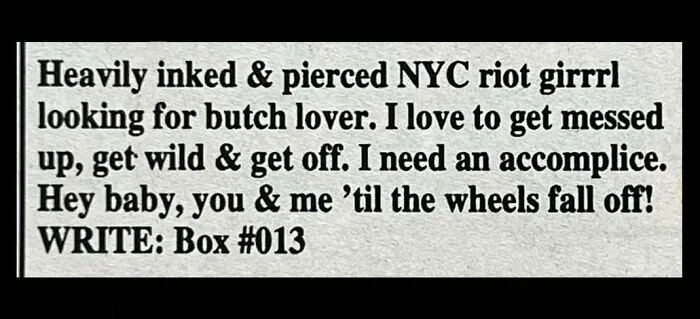
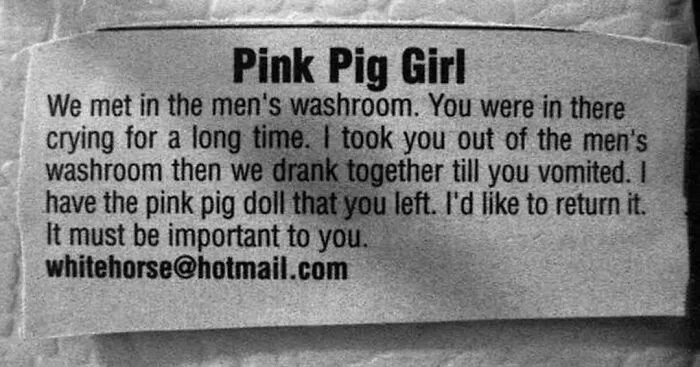
Another factor that singles had to keep in mind while placing personal ads in the newspaper was the fact that they needed to watch their language. Today, dating app users might worry about being catfished or misled by people who heavily edit their photos, but this practice is nothing new. Apparently, people would often use euphemisms to describe their financial situation or their physical appearance. Nobody wants to date someone who’s broke, but “not materialistic” might actually be seen as a positive.
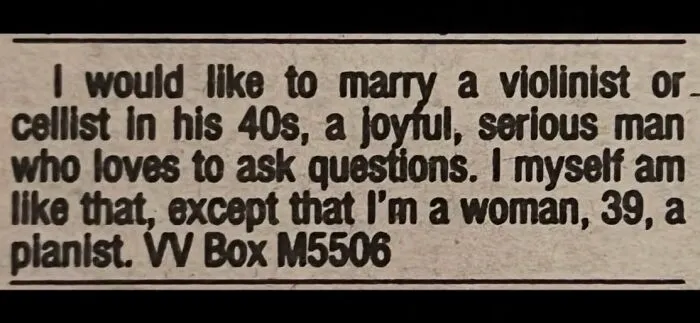
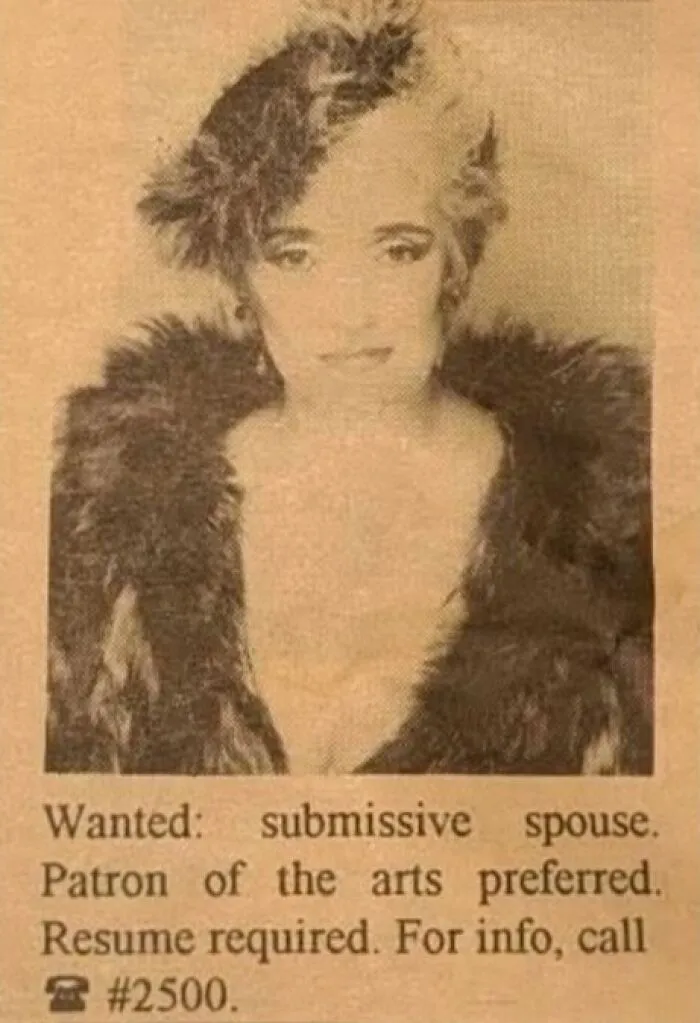
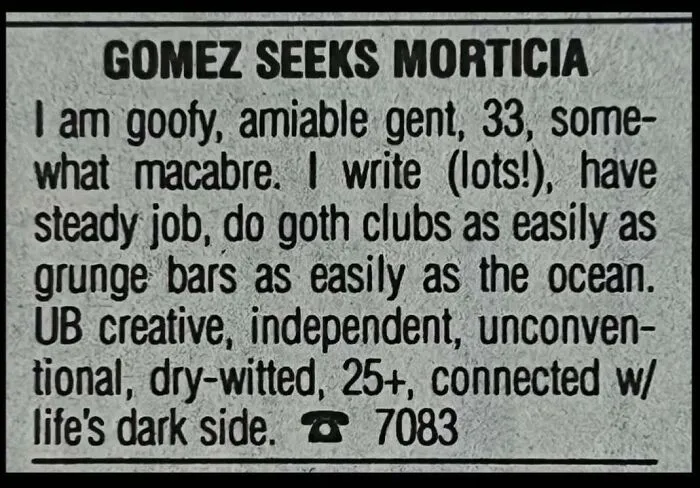
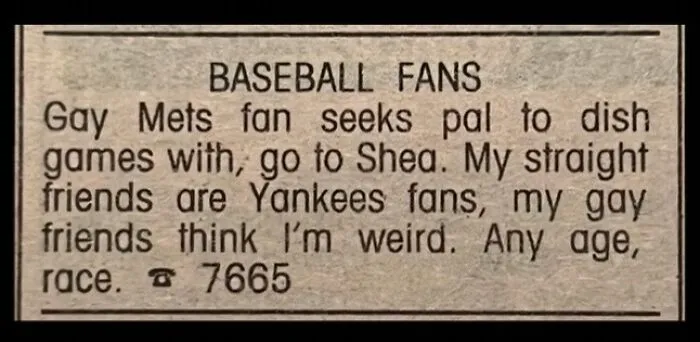
One of the downsides of posting these personal ads was that singles couldn’t always be explicit about what they were searching for. During the 1990s, in the San Diego Union-Tribune, for example, words like “gay” and “lesbian” were banned. So queer singles had to be more discreet about what they were searching for. A man might have to say that he’s “seeking a male friend,” without outright stating that he’s looking for a partner.
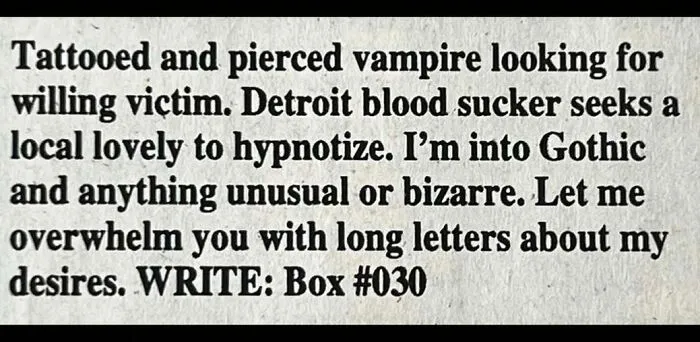
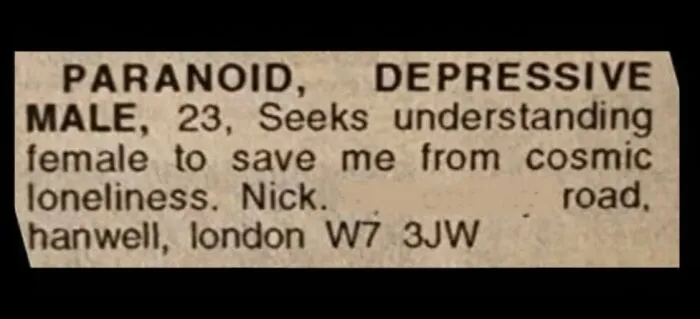
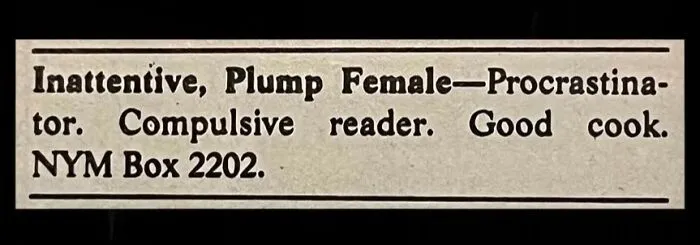
Personal ads weren’t only about finding blind dates, though. Some people would even post “missed connections,” which later became popular on the website Craigslist as well. This section was for people who spotted or had a brief encounter with a stranger that they’d like to see again. Perhaps someone would write, “We sat next to each other on the Subway and had a short chat about a film we had both just seen. I regret not asking for your phone number.” If the other person happened to see the ad, they might reach out.