

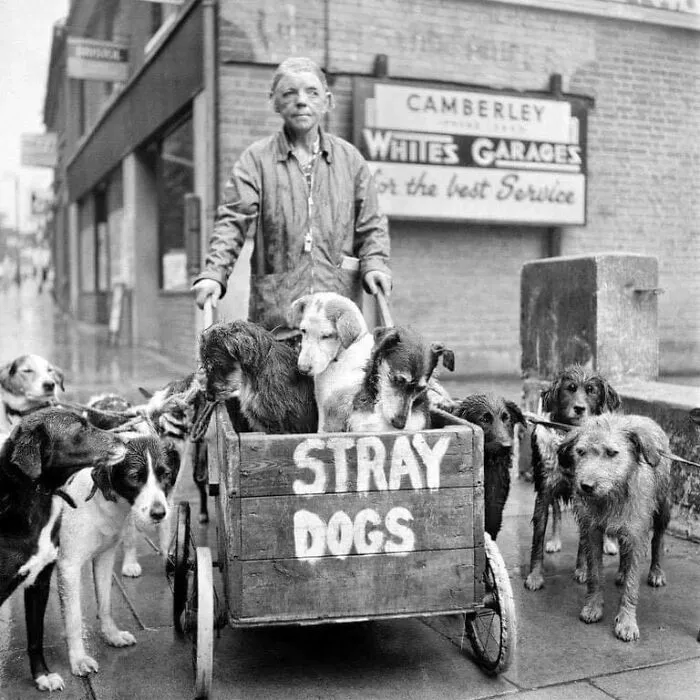
#1 Camberley Kate, And Her Stray Dogs In England. She Never Turned A Stray Dog Away, Taking Care Of More Than 600 Dogs In Her Lifetime (1962)
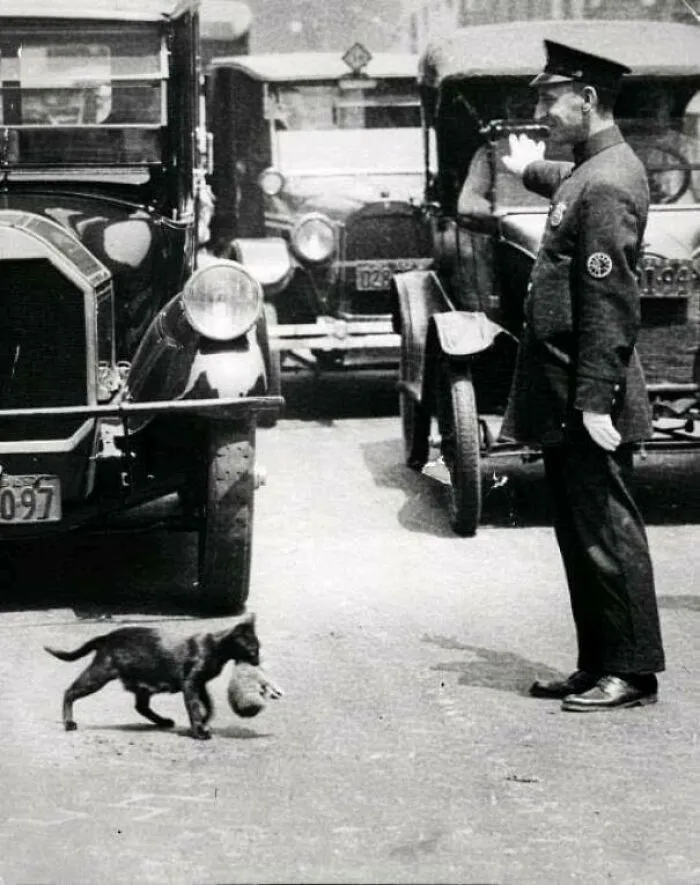
#2 An Officer Halts Traffic To Make Way For A Cat Carrying A Kitten Across The Street, 1925
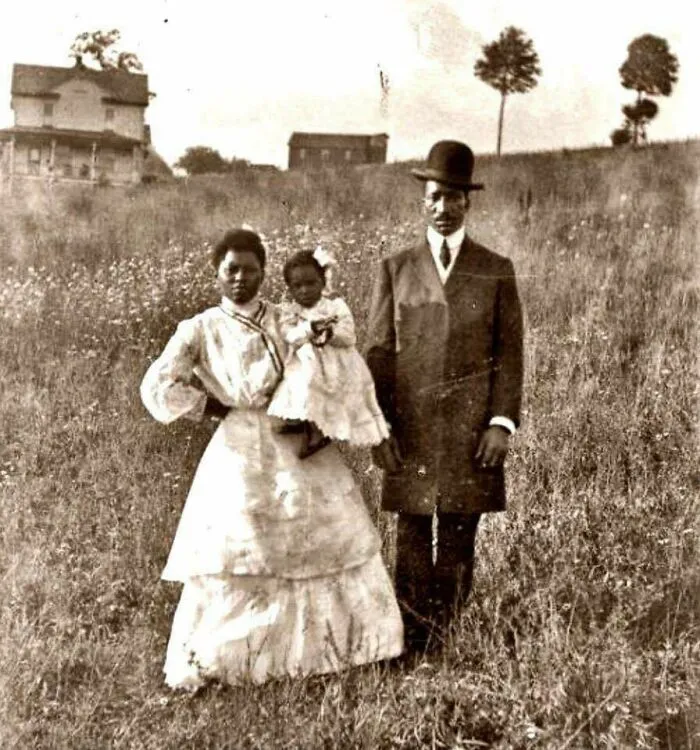
Photography has come a long way in its rather short history. When you think about it, cameras are everywhere today, helping us capture important occasions and put them into our visual collection of memories. But it was not always like that. A bigger part of history passed without people preserving memorable moments, and only when the French inventor Joseph Nicéphore Niépce created the first permanent photograph in 1826/27, a breakthrough in the history of photography began. People started capturing their everyday life often without realizing future generations would look at this concrete evidence of a world long gone with immense fascination.
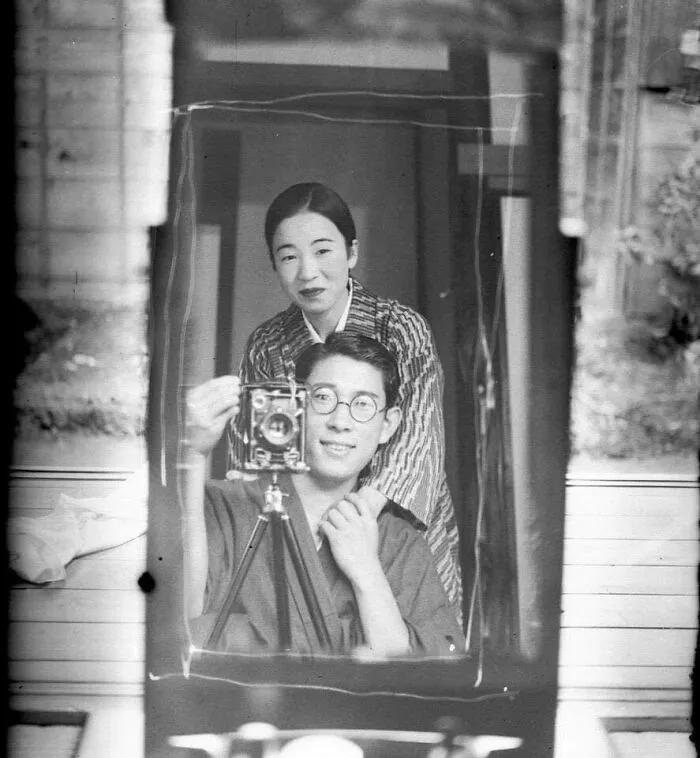
#5 Two Armenian Women Pose With Their Rifles Before Going To Battle Against The Ottomans, 1895


The 'Old Photos Of The World' Facebook page lets us in on this world. Ever since it was created, it has amassed history and photography lovers from far and wide to share opinions, have discussions and look for answers to the questions they have about that time. It is exactly the place for all history enthusiasts to get a peek into the early days.
"The purpose of this page is to remember history by sharing historic photos and videos from around the world," the creators wrote in the page description. "We post old photos from the 1800s and 1900s. We also love colorized photos and videos!" They invite more than 507K of their devoted fans to go on a trip with them to the past and offer a fair share of content to explore.


#9 David Isom, 19, Broke The Color Line In A Segregated Pool In Florida On June 8, 1958, Which Resulted In Officials Closing The Facility

According to Anna Pegler-Gordon, associate professor at the University of Michigan, even when history textbooks are full of images that illustrate our past, we rarely spend time exploring these pictures and focus on the written content instead. "We do so because of the way that images are presented in many historical texts and also because of the way that historians are trained to view images — as illustrations of written history rather than sources of history themselves," she explained.
However, there’s evidence of a "visual turn" in learning and teaching the subject because more academics are starting to pay attention to the paintings, illustrations, and photographs in history. Pegler-Gordon noticed that visual media often seems more accessible to her students than written records. They sometimes mention to her that images give a more concrete shape to a world that sometimes seems intangible. Moreover, historical pictures transmit information much quicker than words written in an old, unfamiliar, or even foreign language.


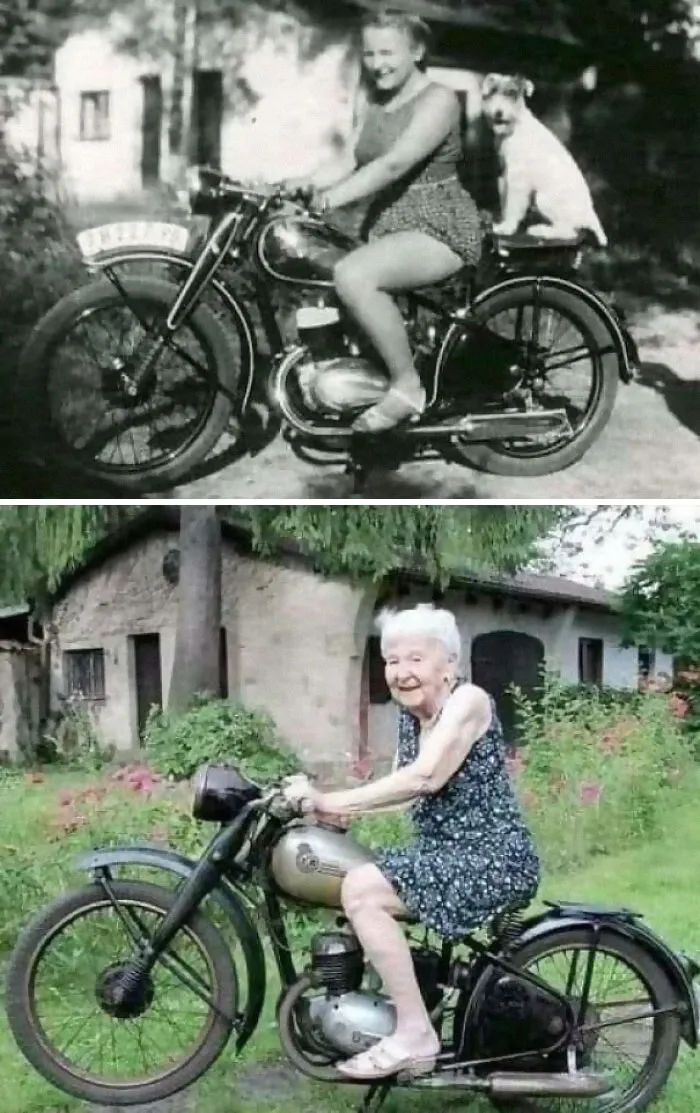
"Our students are often sophisticated readers of visual media and, with guidance and support, they enjoy the process of viewing and analyzing historical representations," the historian wrote. "However, visual images are also inaccessible for the same reasons that they are accessible. The apparent legibility of the image hides its historical construction, the ways in which the image was made, distributed, and read at the time it was produced and since," she added.
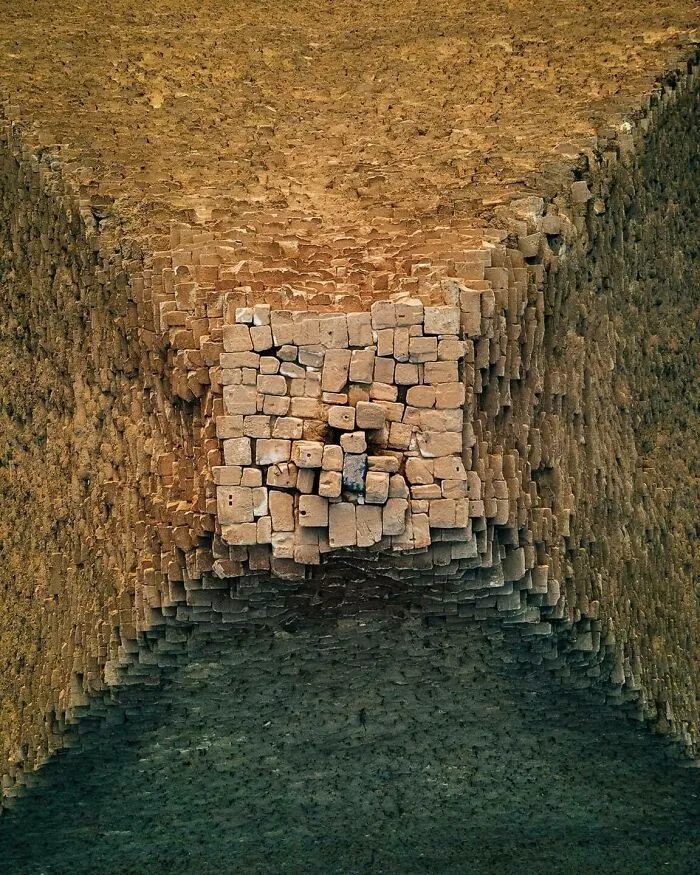
#14 These Progressive High School Girls Learn The Finer Points Of Auto Mechanics In 1927

To become better at reading images, we need to consider two things. The first would be to become more informed about our past and the context that surrounds it. Second, we should also learn how to distinguish when we're looking at an authentic photograph, and when we come across a manipulated one. Bored Panda previously reached out to the professor, writer, and amateur homesteader Joshua Wilkey who explained that while photography is a powerful tool for understanding history, it is also necessary to view all pictures with a critical eye.
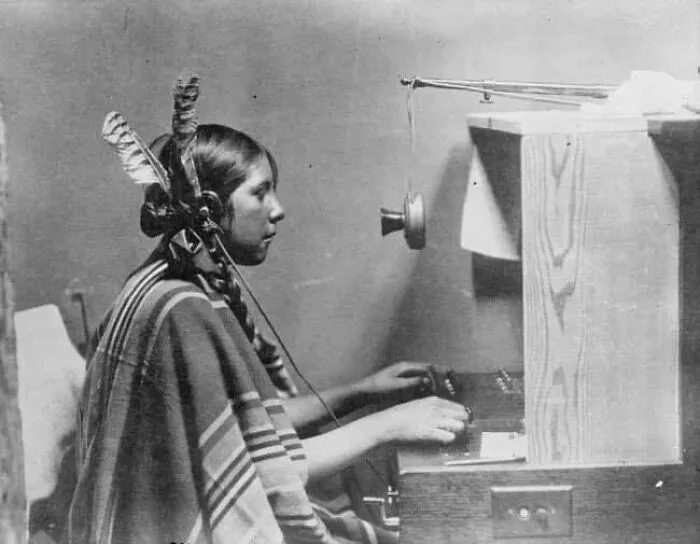
#16 Helen, An American Indian Telephone And Switchboard Operator, Montana, 1925
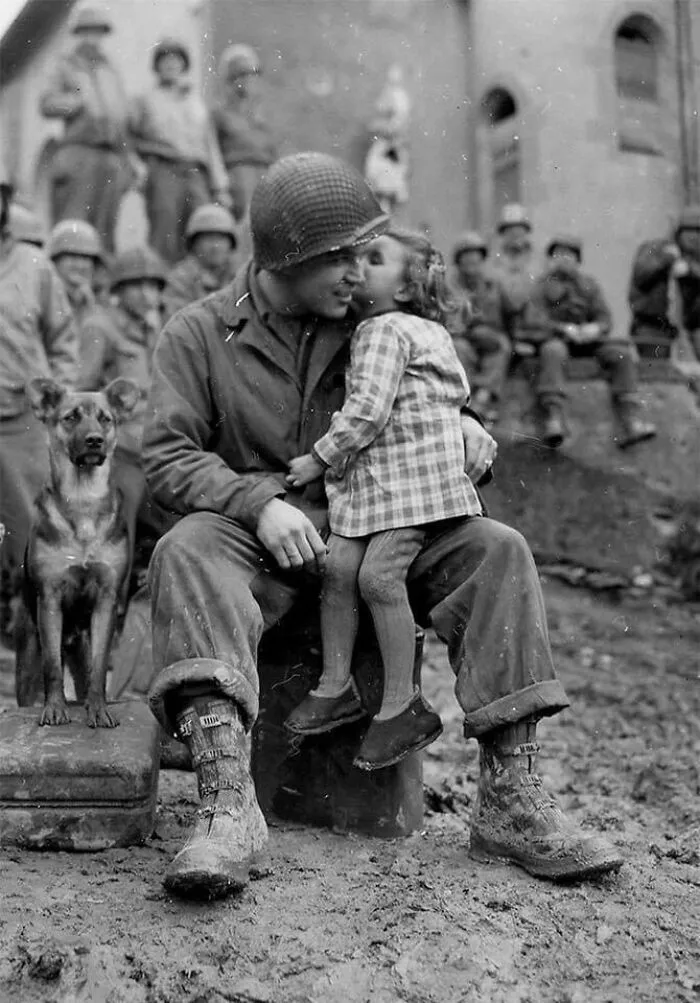
#17 A Little French Girl Gives An American Soldier A Kiss On Valentine’s Day, 1945

"While we might be accustomed to skepticism of photos in the age of Photoshop, photo editing isn't the only thing that should give us pause," Wilkey noted. He provided a few helpful questions people can ask themselves when analyzing old pictures. For example, is the photo lacking context? Or what is happening outside of the frame?
"There's always the chance that the viewer is seeing an intentionally skewed perspective," Wilkey told us. "A picture might be worth a thousand words, but sometimes it takes a thousand words to explain the context of a single photo. Some pictures are downright strange without context."