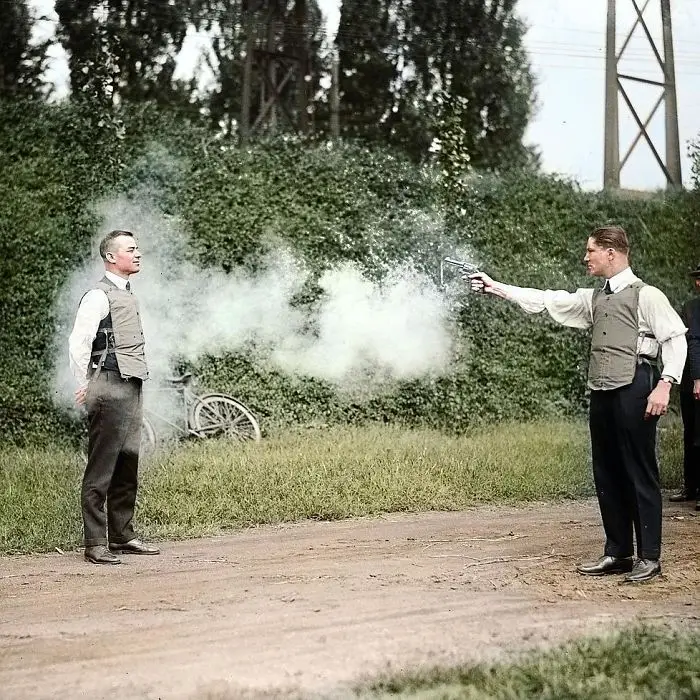


Mads Madsen is 25 years old and lives in Denmark where he's pursuing a Master's degree in the Classics (ancient Greece and Rome). However, his fascination with history doesn't end there.
Mads also colorizes old photos. Through the use of Photoshop, he meticulously injects life into black and white stills, allowing us to immerse ourselves into moments that have been fading away. There's just something raw about looking at a person and seeing the color of their eyes. You don't get that with a monochromic image.
More info: Facebook
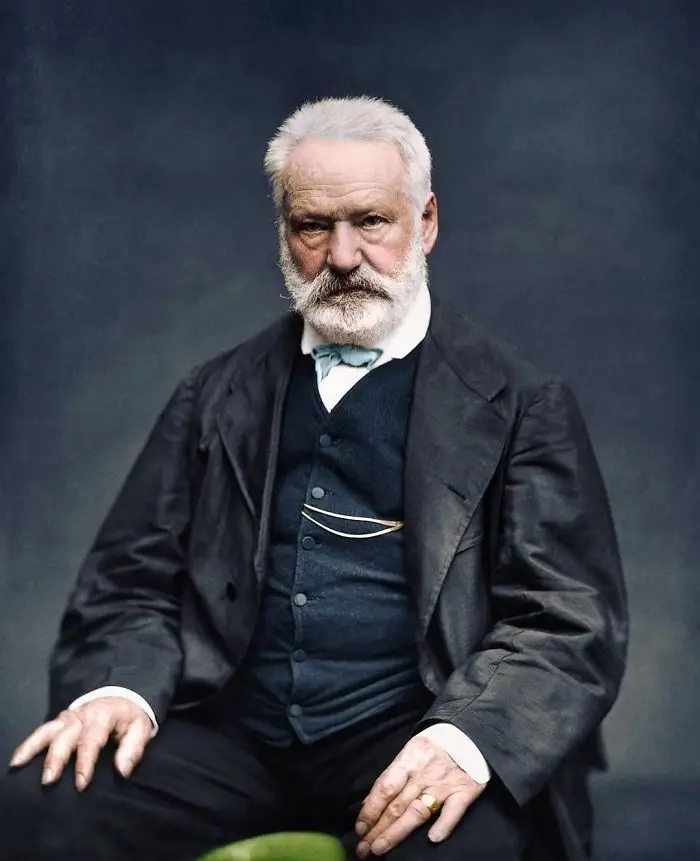
#21 Victor Hugo, Famous Author Of Les Miserables, And The Hunchback Of Notre-Dame - Ca. 1876
Report
211points
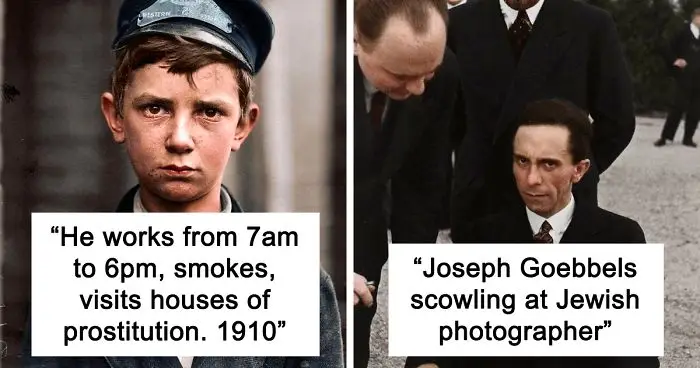
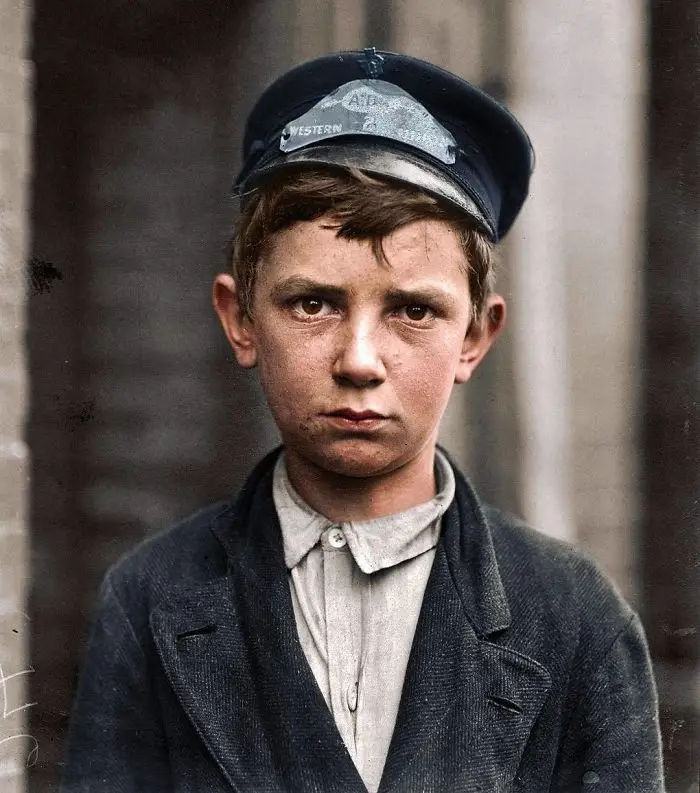
#22 Richard Pierce - 14 Years Of Age, Works As A Western Union Telegraph Messenger. With Nine Months Of Service. He Works From 7 A.m. To 6 P.m. Smokes. Visits Houses Of Prostitution. Wilmington, Delaware, Ca. May 1910
Report
205points
#23 Buzz Aldrin, The Second Man On The Moon, Seen Here As Commandant Of The Air Force Test Pilot School, Ca. 1963
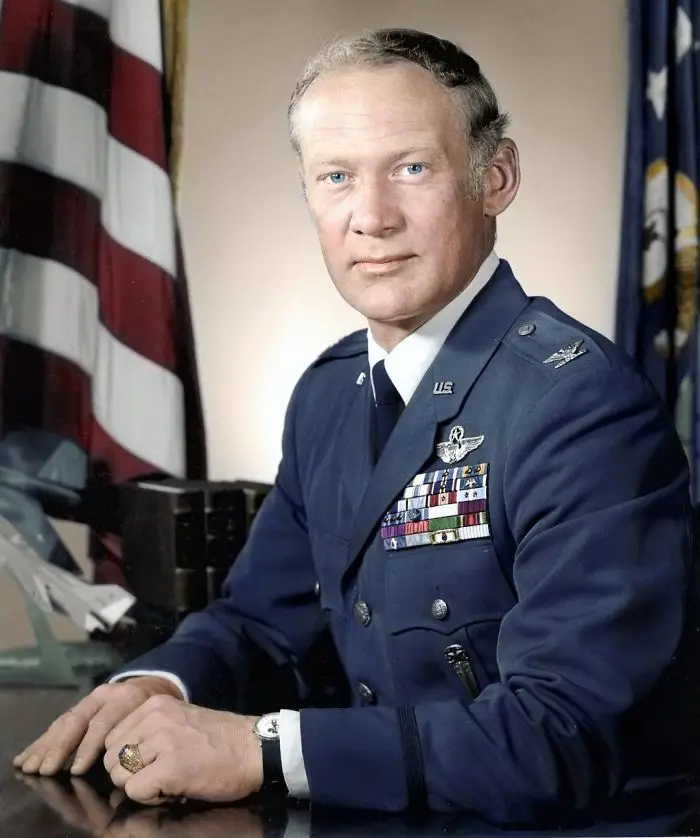
Note the Mickey Mouse watch he is wearing as well.
Report
202points
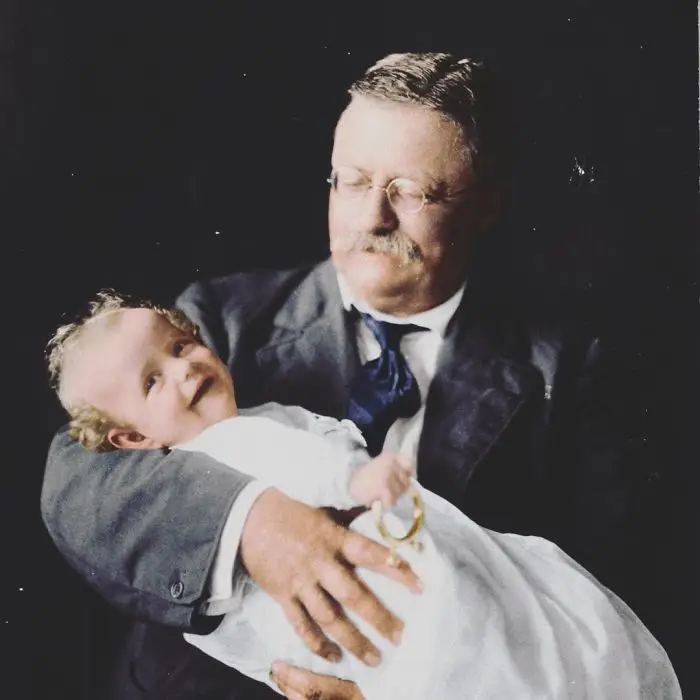
#24 Theodore Roosevelt Holding His Grandson, Kermit Roosevelt Jr. - Ca. 1916
Report
198points
#25 Eric Arthur Blair, Better Known By His Pen Name George Orwell, Was An English Novelist, Essayist, Journalist, And Critic
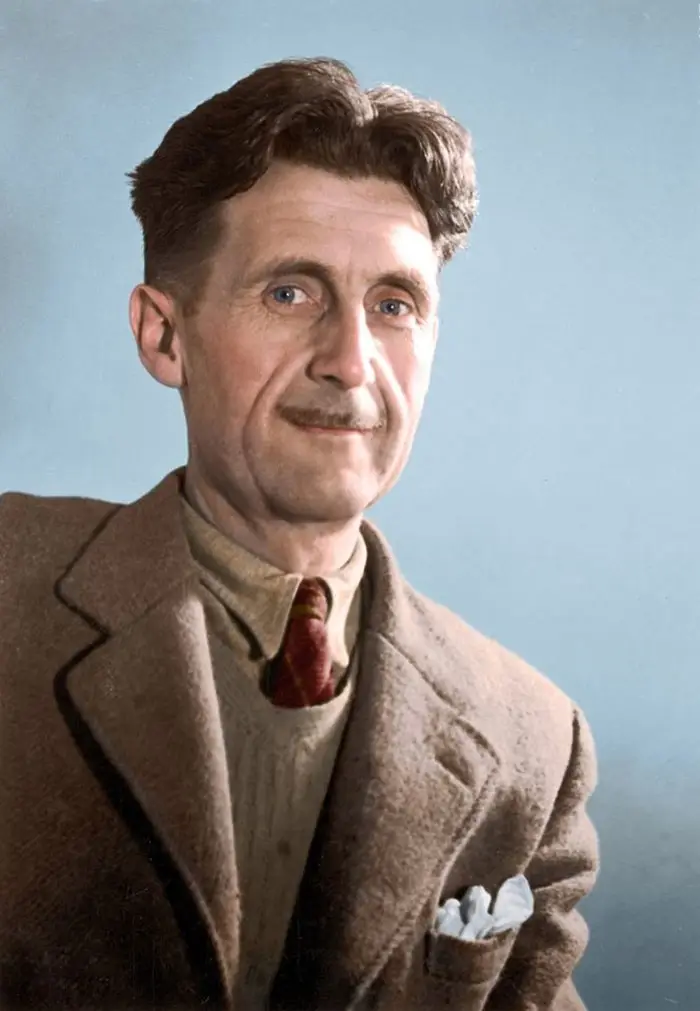
His work is marked by lucid prose, awareness of social injustice, opposition to totalitarianism, and outspoken support of democratic socialism.
Orwell wrote literary criticism, poetry, fiction, and polemical journalism. He is best known for the allegorical novella Animal Farm (1945) and the dystopian novel Nineteen Eighty-Four (1949). His non-fiction works, including The Road to Wigan Pier (1937), documenting his experience of working class life in the north of England, and Homage to Catalonia (1938), an account of his experiences in the Spanish Civil War, are widely acclaimed, as are his essays on politics, literature, language, and culture. In 2008, The Times ranked him second on a list of "The 50 greatest British writers since 1945".
Orwell's work continues to influence popular and political culture, and the term Orwellian – descriptive of totalitarian or authoritarian social practices – has entered the language together with many of his neologisms, including Big Brother, Thought Police, Room 101, memory hole, newspeak, doublethink, proles, unperson, and thoughtcrime.
Report
193points
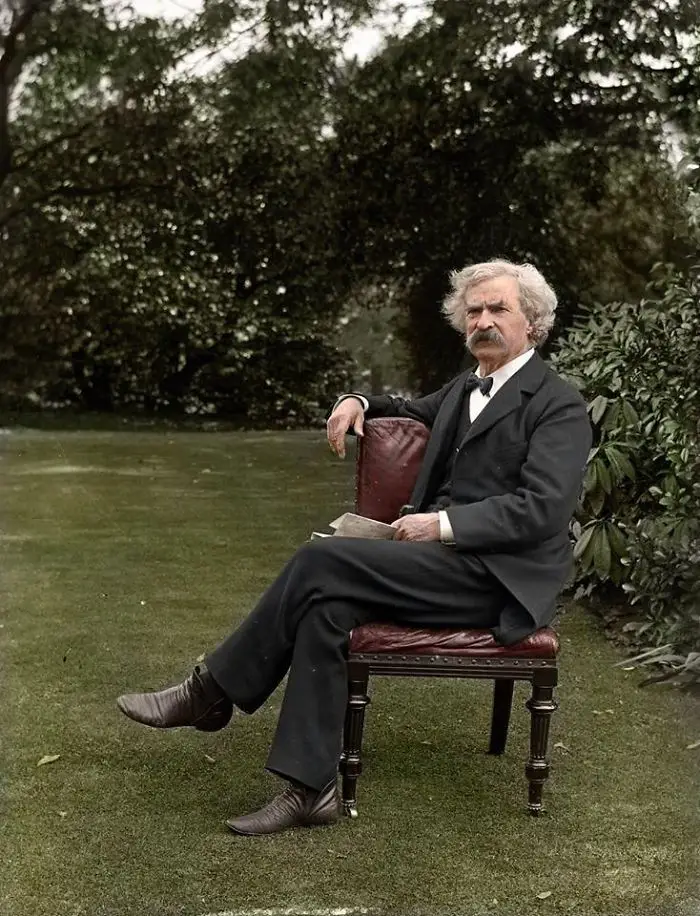
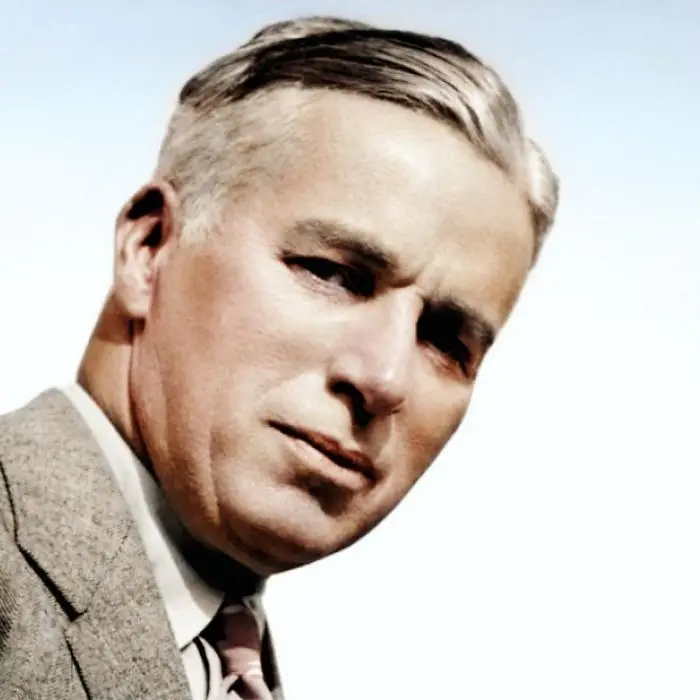
#27 Charlie Chaplin Without His Trademark Moustache In His Later Years, Working On A Movie Set
Report
190points
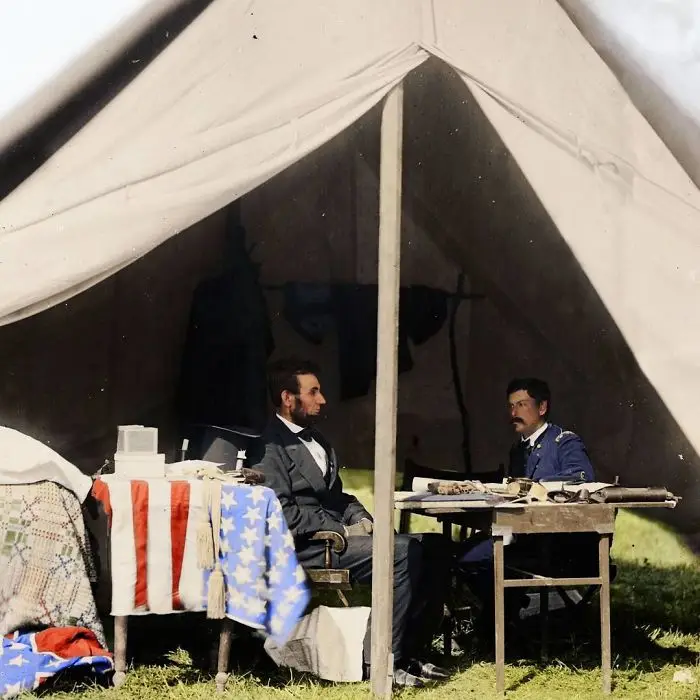
#28 Abraham Lincoln And George Mcclellan At Antietam, October 2nd/3rd, 1862
Report
183points
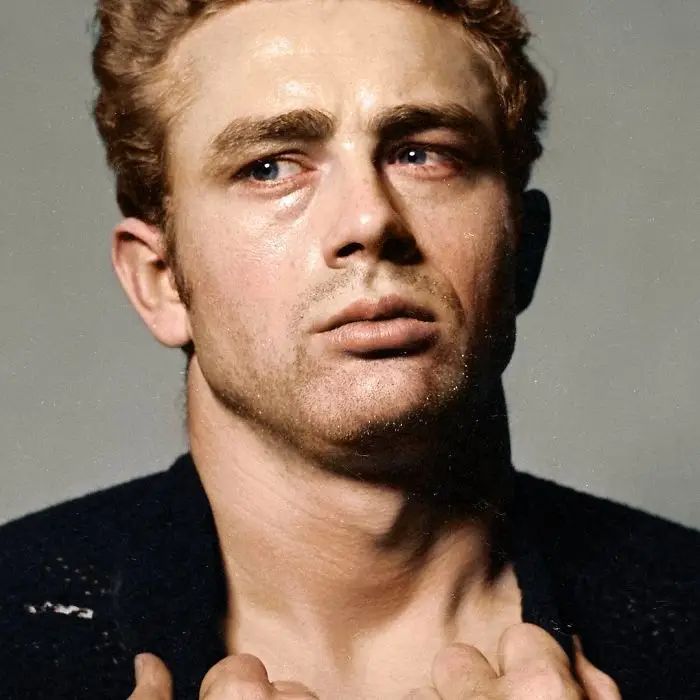
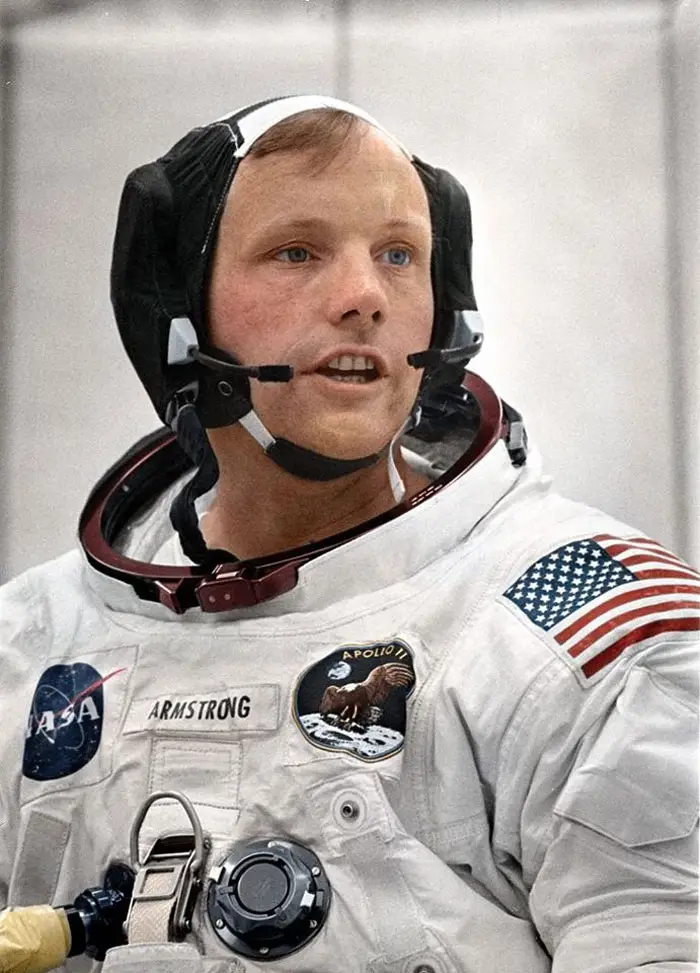
#32 Neil Armstrong, The First Man To Walk On The Moon, Training For The Apollo Mission
Report
173points
#33 Unidentified Soldier Of The First Australian Imperial Force
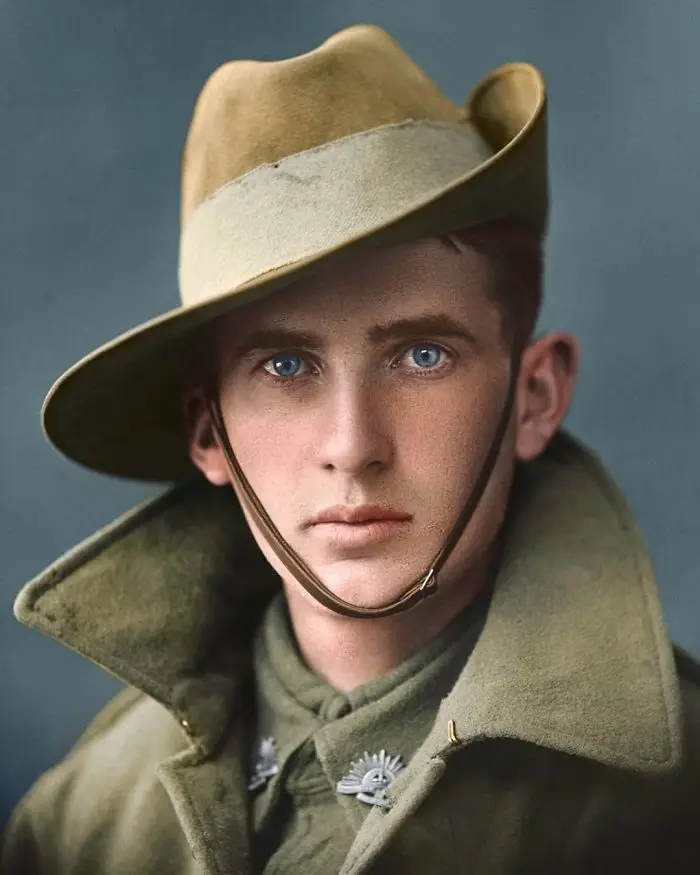
About the first AIF:
The First Australian Imperial Force (1st AIF) was the main expeditionary force of the Australian Army during World War I. It was formed on 15 August 1914, following Britain's declaration of war on Germany, initially with a strength of one infantry division and one light horse brigade. The infantry division subsequently fought at Gallipoli between April and December 1915, being reinforced by a second division which was later raised, as well as three light horse brigades. After being evacuated to Egypt the AIF was expanded to five infantry divisions, which were committed to the fighting in France and Belgium along the Western Front in March 1916. A sixth infantry division was partially raised in 1917 in the United Kingdom, but was broken up and used as reinforcements following heavy casualties on the Western Front. Meanwhile, two mounted divisions remained in the Middle East to fight against Turkish forces in the Sinai and Palestine.
An all volunteer force, by the end of the war the AIF had gained a reputation as being a well-trained and highly effective military force, playing a significant role in the final Allied victory. However, this reputation came at a heavy cost with a casualty rate among the highest of any belligerent for the war. The AIF included the Australian Flying Corps (AFC), which consisted of four combat and four training squadrons that were deployed to the United Kingdom, the Western Front and the Middle East throughout the war. After the war, the AFC evolved into the Royal Australian Air Force; the remainder of the 1st AIF was disbanded between 1919 and 1921. After the war the achievements of the AIF and its soldiers, known colloquially as "Diggers", became central to the national mythology of the "Anzac legend". Gene
Report
169points
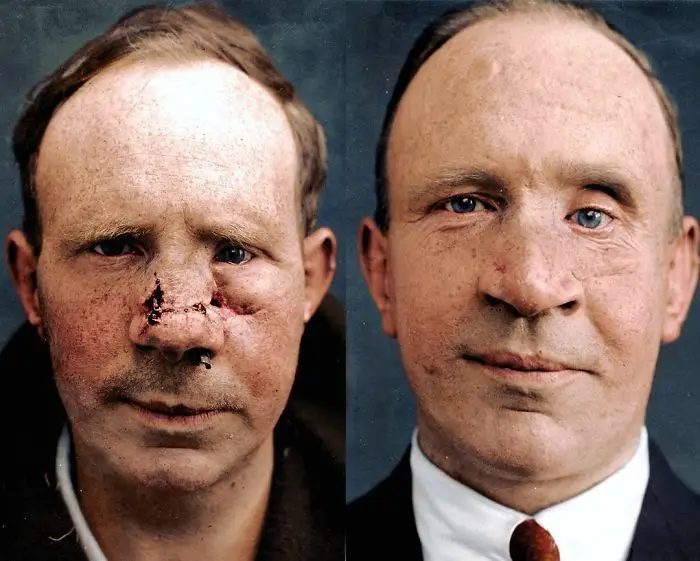
#34 Frederick Charles Stacey Of The Royal Navy On Admission For Treatment For Wounds Sustained In Wwi, And Seen After The Successful Plastic Surgery.
Report
169points
#35 Joseph Goebbels Scowling At Photographer Albert Eisenstaedt After Finding Out Eisenstaedt Was Jewish.
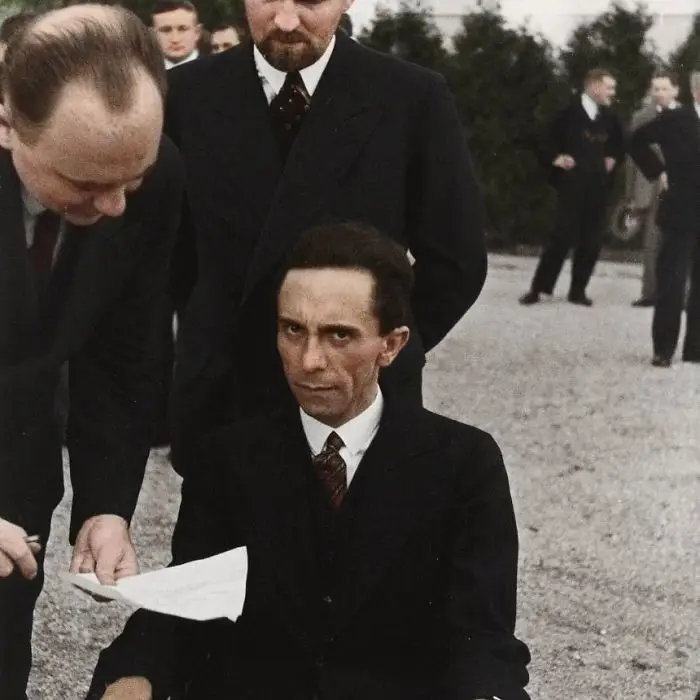
Eisenstaedt himself is quoted as saying 'He stared at me with hate in his eyes', despite the events following up to this. Eisenstaedt had photographed Goebbels sitting on his own outside in the courtyard, had approached him and taken a photograph of him with a warm smile, and then moments later was confronted with this, when Goebbels had learned of Eisenstaedts 'true identity'. Sad.
Report
168points
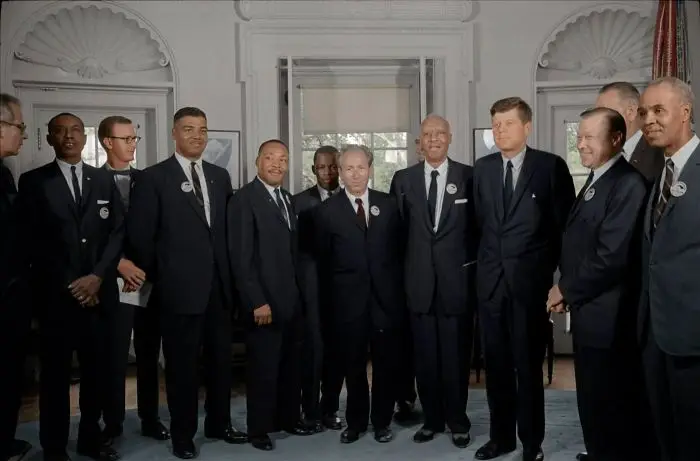
#36 Martin Luther King Meeting With President John F. Kennedy And Vice-President Lyndon B. Johnson During The Civil Rights Movement
Report
167points
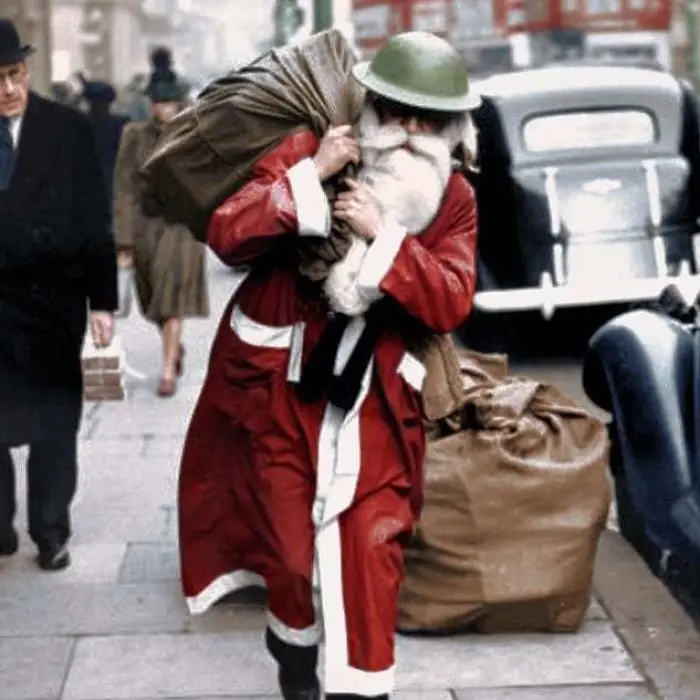
#37 Father Christmas Wearing A Tin Helmet Walks Along Regent Street, London, With A Bag Full Of Presents - From Life Magazine, December 23, 1940
Report
165points
#38 Audie Murphy, One Of The Most Decorated Combat Soldiers Of The Second World War
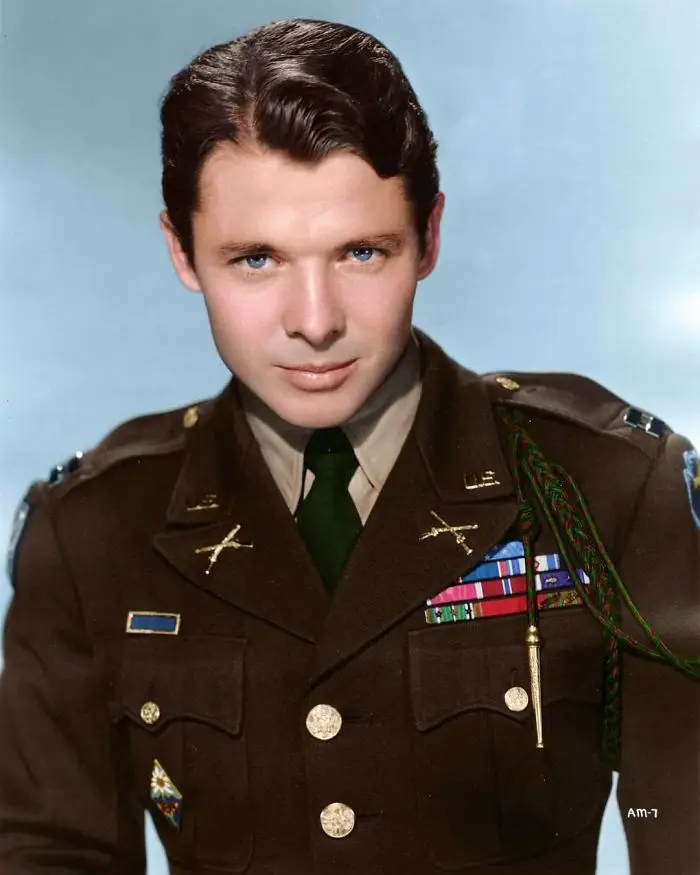
He received every military combat award for valor available from the Army, as well as Belgian and French awards for heroism. He also received the Medal of Honor at 19 for single-handedly holding off an entire company of German soldiers for an hour at the Colmar Pocket in January of '45, in France.
A small side note is the bottom left crest, which is the insignia of the 159th French Alpine Infantry Regiment. He was awarded this device by the Mayor of Ramatuelle, France, on the 13th of July, 1948 - he was awarded this when he was in France to be decorated by Lattre de Tassigny with the French Legion of Honor (Chevalier), and the French Croix de Guerre with Palm, which took place on July 19th, 1948. Another note is the Texas National Guard's 36th Infantry Division patch he is wearing on his left arm.
A small side note is the bottom left crest, which is the insignia of the 159th French Alpine Infantry Regiment. He was awarded this device by the Mayor of Ramatuelle, France, on the 13th of July, 1948 - he was awarded this when he was in France to be decorated by Lattre de Tassigny with the French Legion of Honor (Chevalier), and the French Croix de Guerre with Palm, which took place on July 19th, 1948. Another note is the Texas National Guard's 36th Infantry Division patch he is wearing on his left arm.
Report
162points
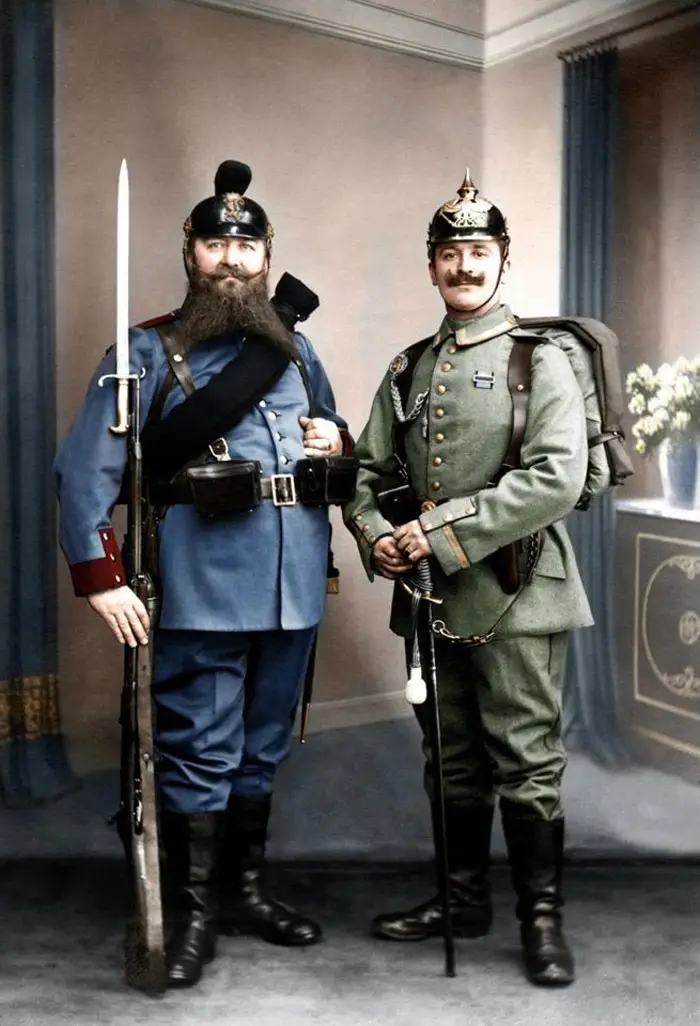
#39 On The Left Is A Bavarian Grandfather, A Veteran Of The Franco-Prussian War Wearing The 1868 Bavaria Uniform, And On The Right Side Is The Grandson, A Prussian Officer Wearing A 1913 Prussia Uniform
Report
138points