


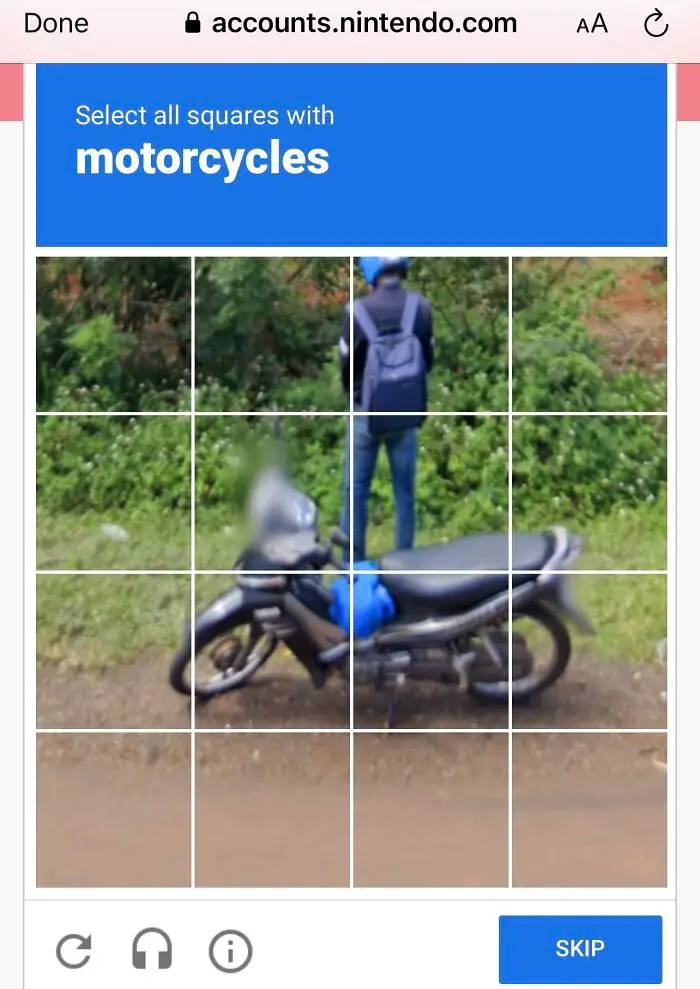
#3 The Nintendo Captcha System Gave Me An Image Of A Dude Taking A Leak…
Let’s start with the part nobody expects, which is that there is real science behind giggling at a cheeky double meaning. Psychologists Peter McGraw and Caleb Warren developed the benign violation theory, which proposes that something becomes funny when it feels slightly wrong and completely harmless at the very same moment.
Innuendo fits that recipe perfectly. A suggestive joke brushes against the unwritten rules of polite conversation, yet the words on the surface stay innocent, so nobody can really be offended. Your brain enjoys the wobble between the two readings and rewards you with a laugh.

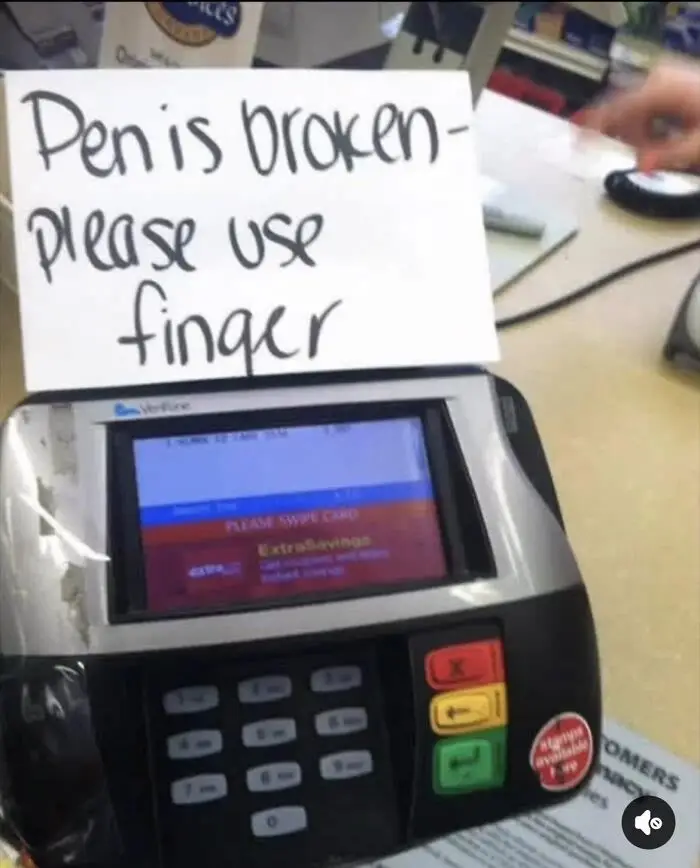
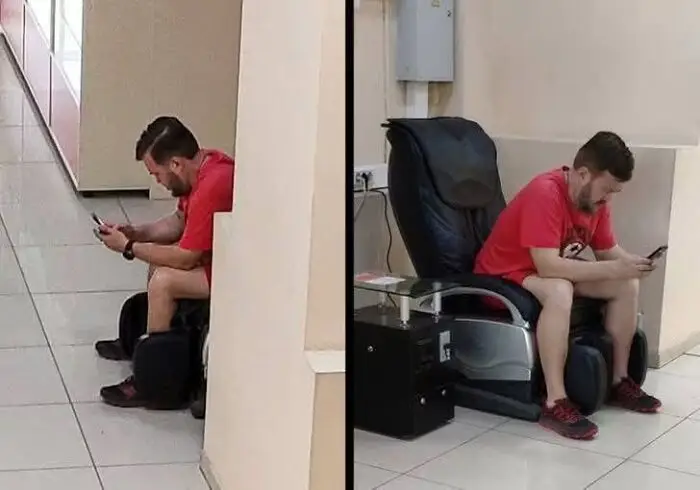
The theory also explains why the same meme can crack up one person and leave another cold. Researchers note that even sitcom jokes can seem too tame to some viewers and too risqué to others. Humor lives in a narrow sweet spot, and everybody’s sits in a slightly different place. That is why the best cheeky memes keep one foot firmly on the safe side of the line.
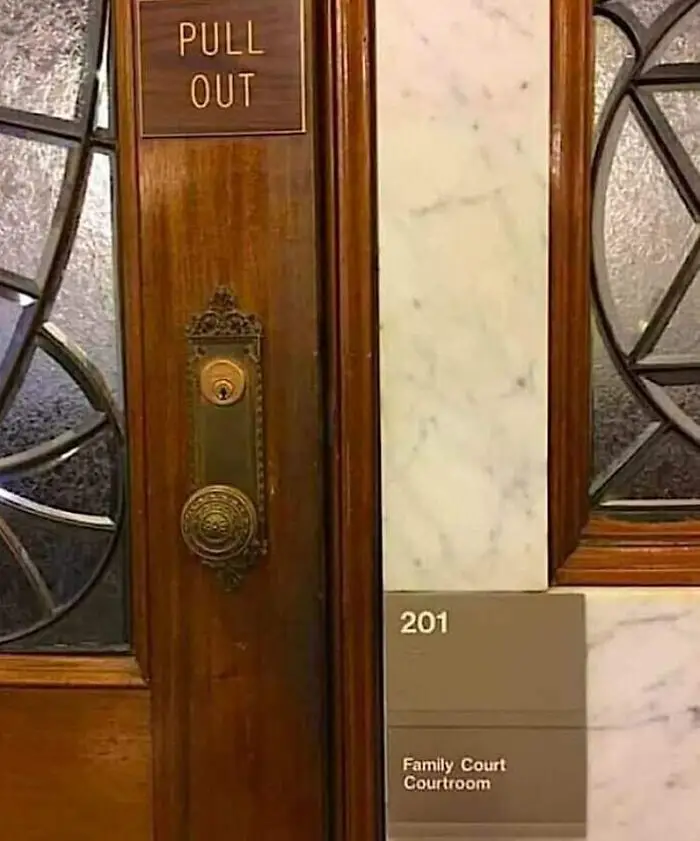
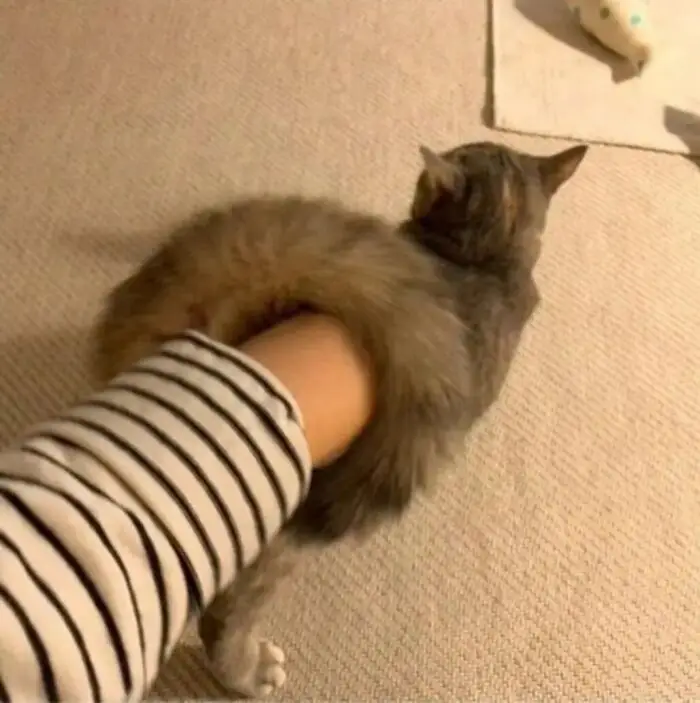

Then there is the delicious matter of plausible deniability. Harvard psychologist Steven Pinker and his colleagues wrote a whole paper on the logic of indirect speech, exploring why people hint at things instead of saying them outright. One big reason is that a hint lets everyone save face if the message lands badly.


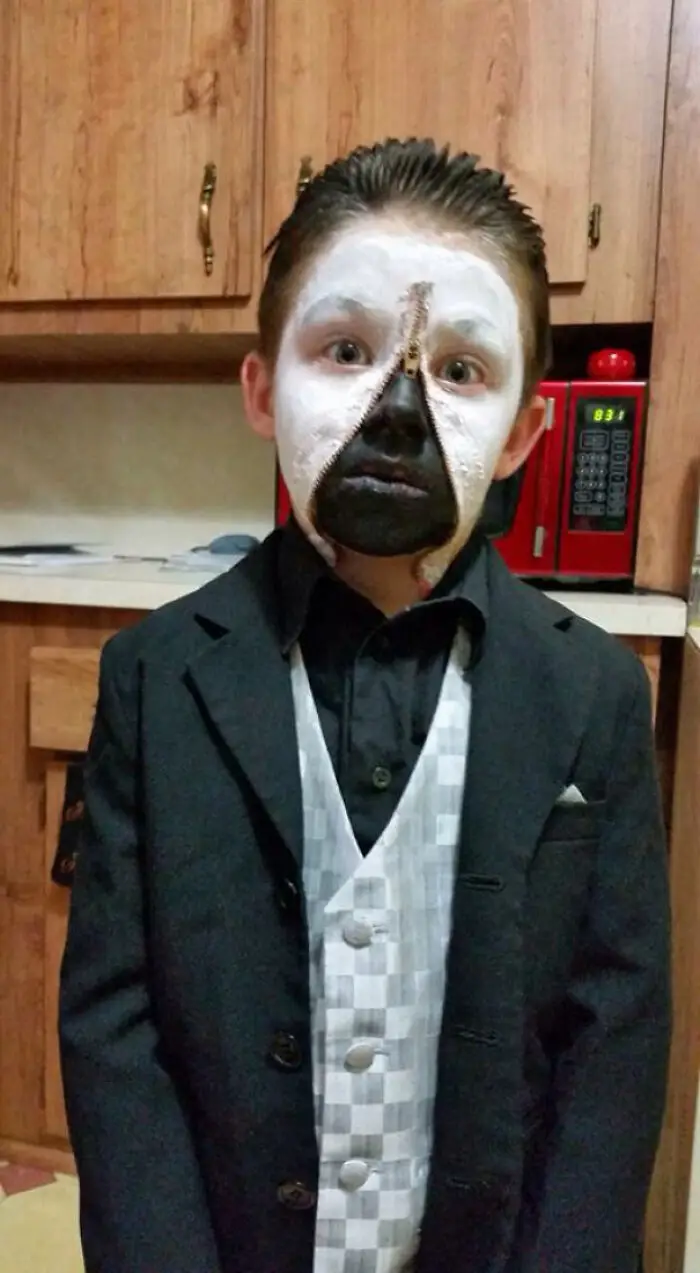
#12 School Said No Fake Blood Allowed In Costumes. The Resulting Costume Was Even More Inappropriate
Memes are made for this. The caption says one thing, the picture suggests another, and the poster can always shrug and claim they were only talking about gardening. Anyone who accuses them of having a dirty mind has basically admitted to getting the joke.

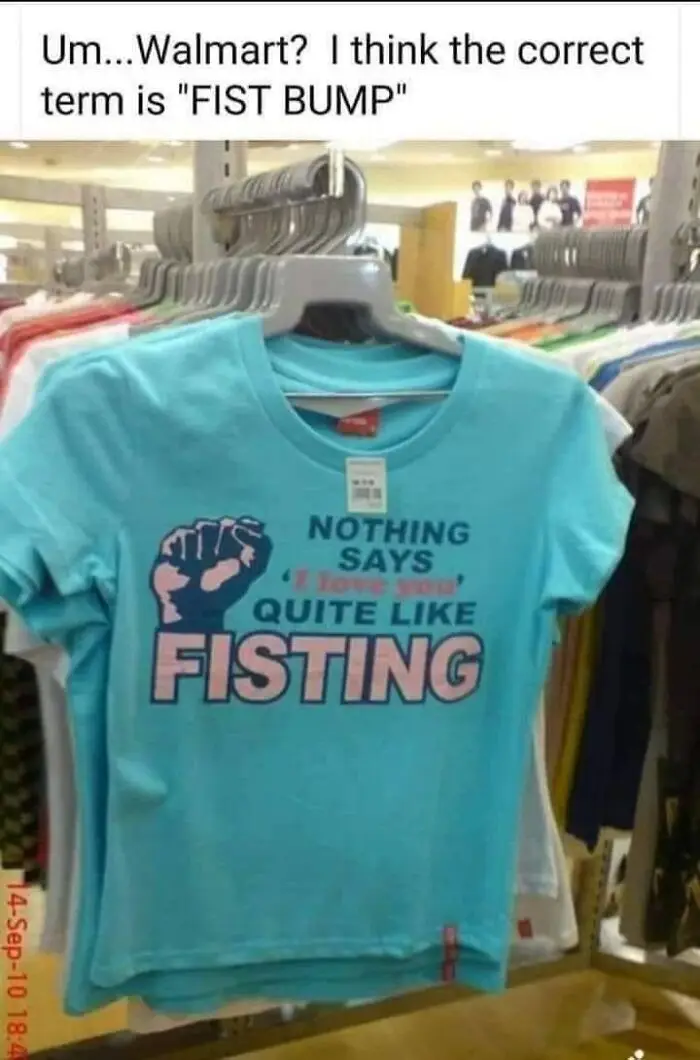
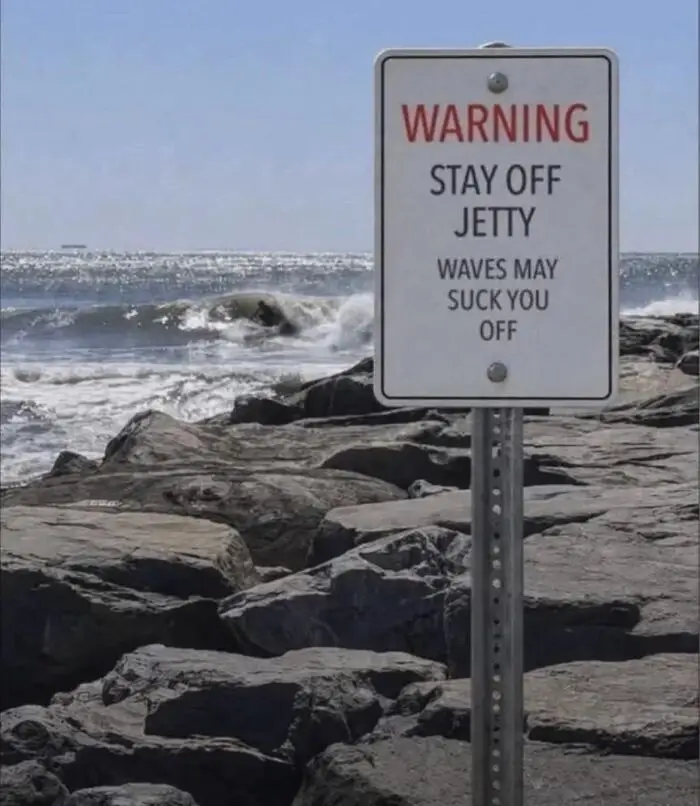
Pinker has also given a Berkeley lecture on the psychology of innuendo and euphemism, and a recurring theme is that delicate or awkward topics tend to get wrapped in indirect language. A risqué meme works like a pressure valve. We all know certain subjects make people squirm, and a wink lets us acknowledge the elephant in the room without anyone having to say a word. Add the thrill of being just a little naughty at your desk and the appeal is obvious.

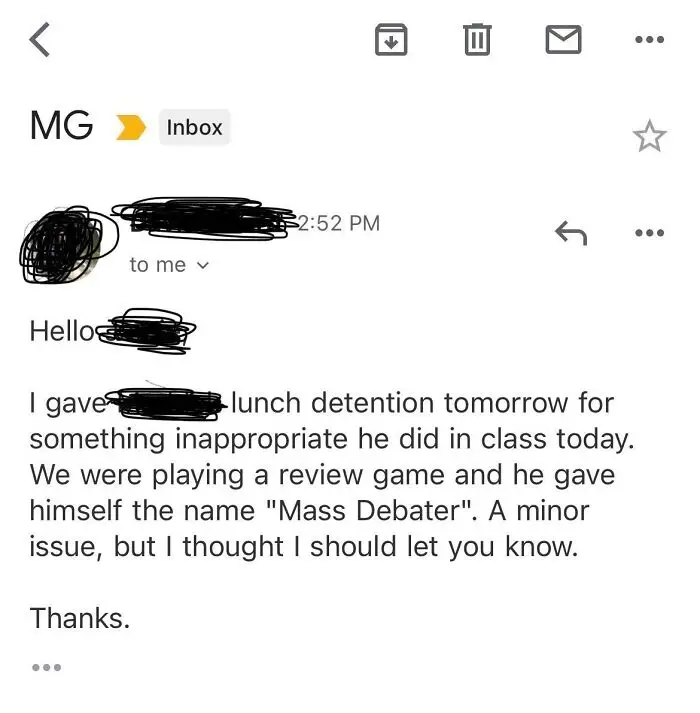

Getting the joke is half the fun, by the way. Humor researchers have long leaned on incongruity, the idea that we laugh when two meanings collide, which McGraw describes as the heavyweight of humor theory in an American Psychological Association podcast. With innuendo, your brain has to spot the hidden meaning on its own, and that little click of recognition feels like solving a tiny puzzle. Nobody explained it to you. You figured it out, and you feel rather clever for it.